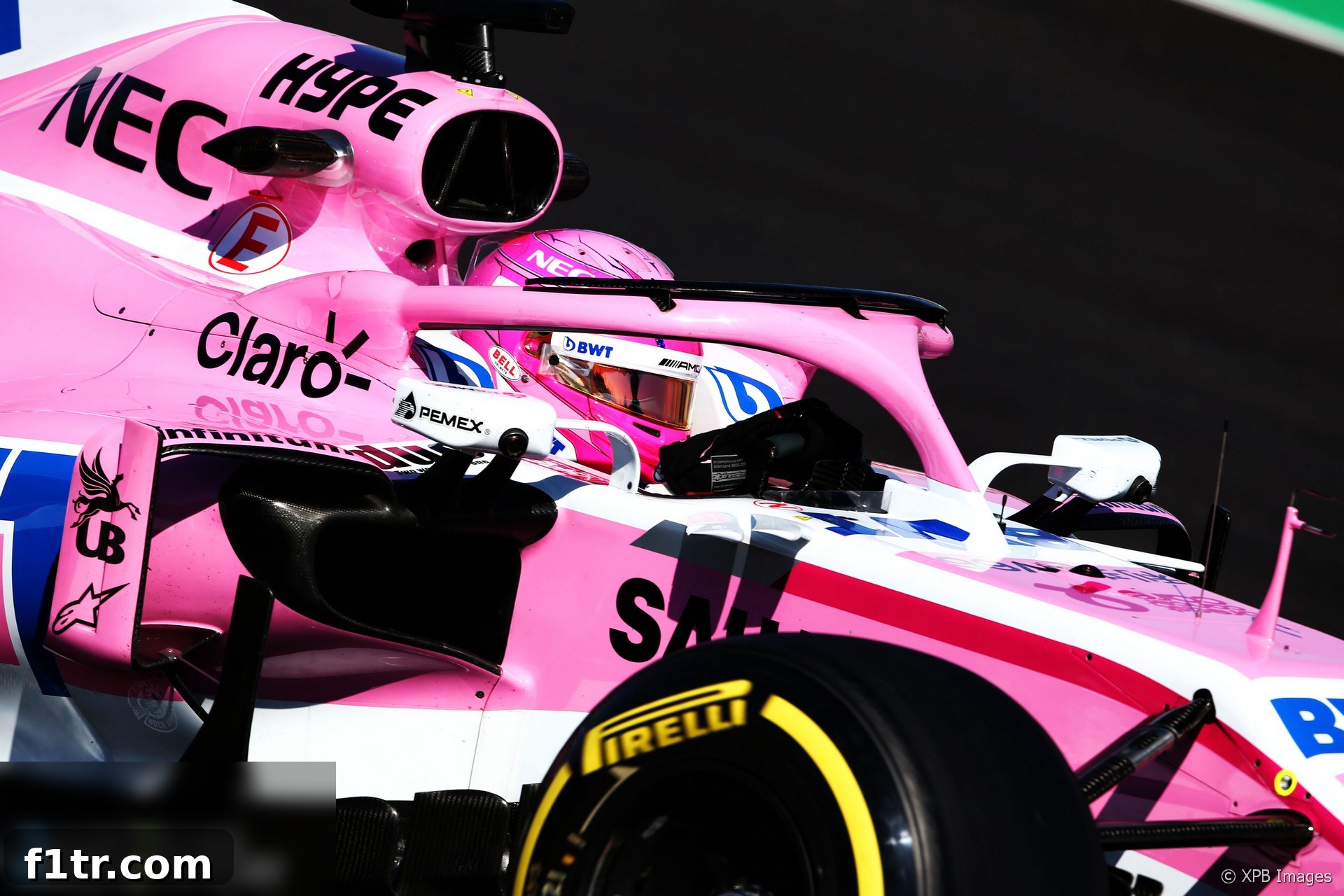
F1 Halo: A Safety Triumph Amidst Driver Identification Debates
The introduction of the Halo cockpit protection device in Formula 1 stirred a significant debate, not just about its aesthetics, but also its potential impact on a core aspect of fan engagement: driver identification. While designed to enhance safety, the Halo’s presence around the driver’s head raised concerns among some fans and prominent figures within the sport that it might obscure helmet designs, traditionally a key identifier for drivers. However, FIA Race Director Charlie Whiting consistently maintained a pragmatic view, asserting that existing methods were more than sufficient for fans to distinguish competitors on track.
The Indispensable Role of the Halo in F1 Safety
Before delving into the identification debate, it’s crucial to understand the primary objective of the Halo: driver safety. The device, made of titanium, was mandated for the 2018 Formula 1 season following years of research and development into various cockpit protection solutions. Its design, initially met with mixed reactions, aimed to protect drivers from flying debris and collisions with other cars, particularly in scenarios where large objects or wheels might penetrate the cockpit area. Tragic incidents in motorsport history underscored the urgent need for such a safeguard, making the Halo an indispensable addition to the sport’s safety arsenal. While its visual integration was a topic of discussion, its fundamental role in mitigating serious head injuries was, and remains, paramount.
Navigating the Driver Identification Dilemma
The core of the identification concern stemmed from the deeply ingrained tradition of fans recognizing drivers by their unique helmet liveries. For decades, a driver’s helmet has been their personal brand, a vibrant canvas immediately linking them to their on-track persona. With the Halo positioned directly above the driver’s head, fears emerged that this crucial visual cue would be obscured, making it challenging for spectators, especially those new to the sport, to follow the action effectively. High-profile voices, including two-time world champion Fernando Alonso and then-FIA President Jean Todt, openly acknowledged these concerns, even suggesting creative solutions like incorporating driver identification directly into the Halo structure itself to enhance visibility.
Jean Todt, in particular, proposed innovative ideas, such as painting the Halo in specific colours to denote a championship leader, drawing parallels with the iconic yellow jersey in cycling’s Tour de France. This concept aimed to transform the Halo from a mere safety device into an active element of race storytelling and driver recognition. Such proposals underscored the FIA’s commitment not only to safety but also to ensuring the sport remained engaging and accessible for its global fanbase, even as it introduced significant structural changes.
Charlie Whiting’s Reassurance: Tried and Tested Methods
Despite these concerns, Charlie Whiting, the highly respected FIA Race Director at the time, remained steadfast in his belief that ample and effective identification methods already existed. Speaking to the media in Melbourne, he highlighted practical solutions that F1 had employed for years, which, in his view, rendered the Halo’s impact on driver recognition negligible. Whiting’s perspective was rooted in the operational realities of race direction and broadcast, where quick and accurate identification is crucial for officials and commentators alike.
The Reliability of Onboard Camera Colors
One of Whiting’s primary arguments centered on the established system of onboard camera colors. He pointed out, “I’ve first of all always personally felt that it was much easier to look at the colour of the onboard cameras to try to identify a driver.” This long-standing regulation dictates that the first car entered by a team carries a black onboard camera housing, while the second car features a yellow one. This simple yet effective visual cue provides an immediate and consistent way to differentiate between teammates, especially when they are running close together on track. Whiting illustrated this with a pertinent example: “Max [Verstappen] and Daniel [Ricciardo], for example, don’t look dissimilar.” In a sport where drivers often wear similar race suits and drive identical cars, this distinct camera colour serves as an invaluable aid for fans to identify who is behind the wheel.
Prominent Driver Numbers: A Clearer Vision
Another significant step taken by F1 to bolster driver identification was the mandate for more prominent driver numbers. Since the Spanish Grand Prix in 2017, teams have been required to display driver numbers and a three-letter abbreviation of the driver’s name more clearly on their cars. This regulation was a direct response to feedback from fans and broadcasters who found it challenging to identify cars quickly, especially with the increasingly complex liveries and aerodynamic elements. Whiting affirmed the success of this initiative: “Last year it was much easier with those cars because the numbers were very prominent, which they weren’t until last year. I think you’ll agree that actually worked quite well.” The FIA ensured that for the 2018 season, these numbers remained in consistently visible locations across all cars, reinforcing their role as a primary identification tool.
Combining these methods, Whiting expressed strong confidence: “We’ve made sure the numbers on the cars are in exactly the same places. And the cameras will be black for the first car and yellow for the second car. I’m fairly convinced fans won’t need to resort to try and identify drivers’ helmet colours to know who’s in the car.” His argument was clear: while helmet designs hold sentimental value, practical and universal methods already existed to ensure fan recognition, and these methods were continually being refined and enforced.
The Championship Leader Halo: A Promising Idea Undone
Jean Todt’s suggestion of using the Halo to identify the world championship leader by painting it yellow was an imaginative proposal aimed at enhancing storytelling and visual spectacle. The idea, inspired by the prestigious yellow jersey of the Tour de France, would have instantly highlighted the current leader of the drivers’ championship, adding an extra layer of excitement and clarity for viewers. However, this innovative concept ultimately faced a practical hurdle and was not adopted for implementation.
Whiting explained the reason for its rejection: “It was all very well until Renault pointed out they would want their yellow anyway.” This highlighted a fundamental conflict with team branding and identity. For teams like Renault, yellow is an intrinsic part of their corporate and racing identity, a core brand colour. Mandating a yellow Halo for the championship leader would have potentially clashed with Renault’s livery, creating confusion or diluting their established visual presence. While the idea had merit from a fan engagement perspective, the complexities of brand identity within a competitive sport ultimately made it unfeasible. Interestingly, Renault later opted for a black Halo on their 2018 car design, demonstrating the flexibility teams had within the regulations while also subtly indicating that the primary colour scheme of the car remained their priority.
The Halo’s Journey: From Controversy to Acceptance
Beyond the driver identification debate, the Halo’s introduction was initially met with widespread criticism regarding its aesthetic impact. Many argued it detracted from the sleek, open-cockpit design synonymous with Formula 1. However, as the seasons progressed, and particularly after several high-profile incidents where the Halo demonstrably prevented serious injury or even saved lives (e.g., Charles Leclerc at Spa 2018, Romain Grosjean at Bahrain 2020), public and professional opinion largely shifted. The initial visual aversion gave way to a broader acceptance, with the device now widely regarded as an essential and successful safety innovation. This evolution in perception underscores the sport’s unwavering commitment to driver well-being, even when it requires significant changes to traditional aesthetics or introduces minor challenges like initial driver identification concerns.
Ultimately, while the debate around driver identification and the Halo was a valid one, the practical measures implemented by the FIA, combined with the inherent benefits of enhanced safety, proved that the sport could adapt. Charlie Whiting’s confidence in the effectiveness of onboard camera colors and prominent driver numbers was well-founded, allowing fans to continue enjoying the thrill of Formula 1 while knowing that drivers were afforded the highest possible level of protection.
2018 F1 Season Insights and Related Discussions
- F1 feared “death knell” for Drive to Survive after Ferrari and Mercedes snub
- McLaren staff told us we were “totally crazy” to take Honda engines in 2018 – Tost
- ‘It doesn’t matter if we start last’: How Red Bull’s junior team aided Honda’s leap forward
- Honda’s jet division helped F1 engineers solve power unit problem
- McLaren Racing losses rise after Honda split
Browse all 2018 F1 season articles