Formula 1 Helmet Designs: Unveiling Charles Leclerc and Sebastian Vettel’s Art at the Portuguese Grand Prix
In the high-octane spectacle of Formula 1, every detail counts – from the roar of the engines to the intricate aerodynamics of the cars. Yet, amidst the technological marvels, there remains a deeply human and artistic element that captures the imagination of fans worldwide: the driver’s helmet. Far more than just protective gear, F1 helmets have evolved into personal canvases, reflecting individual personalities, national pride, and powerful commercial partnerships. At the 2021 Portuguese Grand Prix, held at the challenging Autódromo Internacional do Algarve in Portimão, two of the sport’s most charismatic figures, Charles Leclerc and Sebastian Vettel, unveiled updated helmet designs that offered compelling insights into their aesthetic choices and the broader narrative of modern motorsport identity.
This article explores the captivating new looks sported by the Ferrari star and the Aston Martin veteran, delving into the specific elements that made their Portimão helmets stand out. We’ll examine how these designs not only served as visual identifiers but also told stories of personal evolution, team allegiance, and the intricate dance between artistic freedom and sponsorship demands. From Leclerc’s bold, refreshed palette to Vettel’s nuanced integration of brand colours, each helmet offers a unique window into the dynamic world of Formula 1 aesthetics.
Charles Leclerc’s Dynamic Style at the 2021 Portuguese Grand Prix
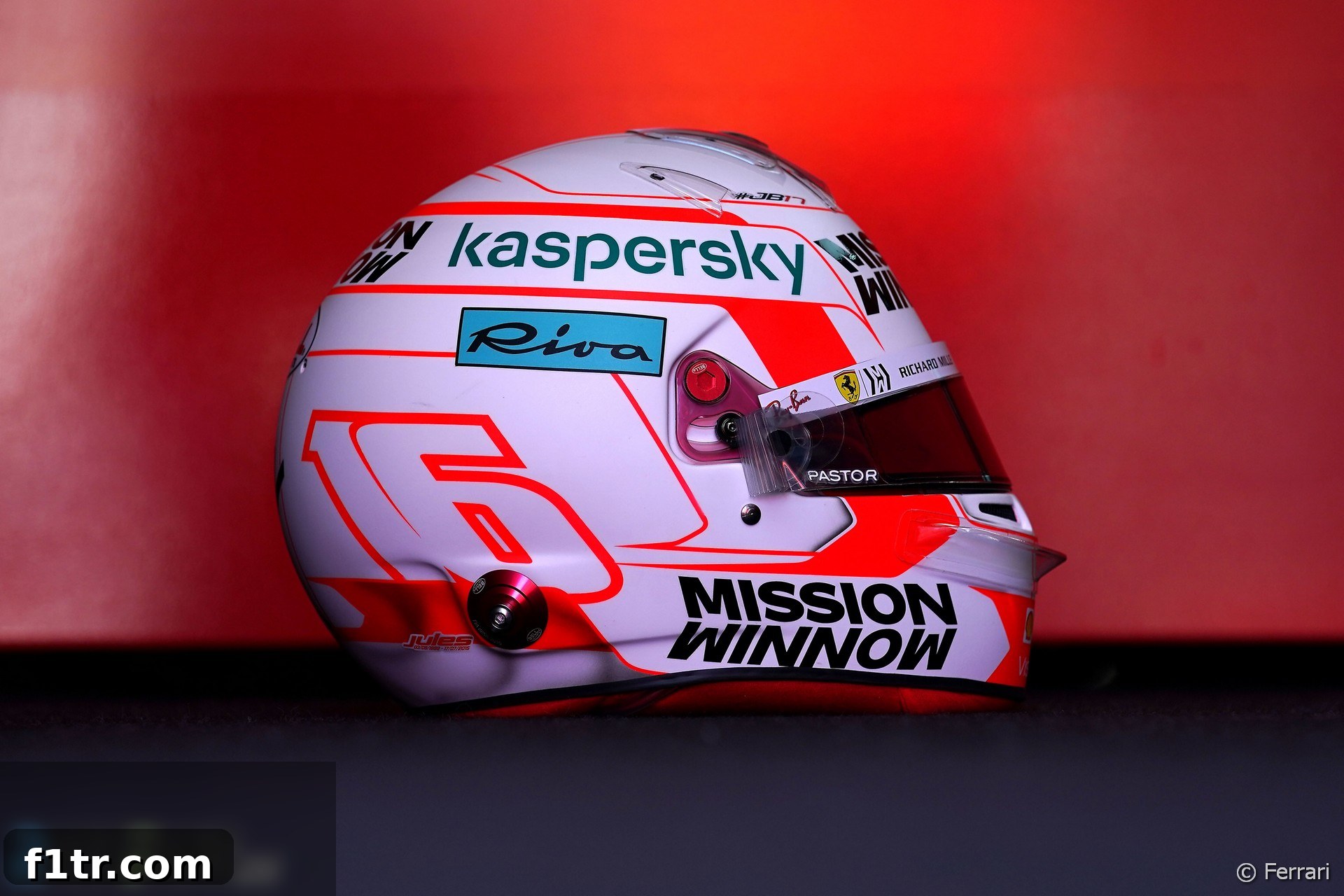
Charles Leclerc, a driver celebrated for his blistering pace and audacious overtakes, also possesses a distinctive flair for helmet design that sets him apart on the grid. For the 2021 Portuguese Grand Prix, the young Monegasque driver opted for a design he playfully described as “something a little bit different this weekend.” His chosen livery was a striking departure, featuring a predominantly white base adorned with vibrant day-glo red details. This combination provided a crisp, clean, and highly visible aesthetic that perfectly complemented the intense racing environment of the Algarve circuit.
Leclerc has emerged as one of the most enthusiastic proponents of evolving helmet aesthetics since the rules governing design changes were relaxed. For many years, Formula 1 regulations restricted drivers to a single helmet design per season, primarily to aid viewer identification. However, the decision to loosen these constraints has unleashed a wave of creativity, allowing drivers to express their individuality, commemorate special occasions, or simply refresh their look. Leclerc has embraced this freedom wholeheartedly, frequently showcasing new designs that blend modern artistry with touches of his personal brand and Ferrari’s iconic racing heritage.
The Evolution of F1 Helmet Regulations and Personal Expression
The journey of Formula 1 helmet design from simple practicality to intricate art is a story deeply intertwined with the sport’s history. In its nascent years, helmets were rudimentary, offering basic protection and often featuring minimal design – perhaps a solid colour or a simple stripe. As the sport professionalized and technology advanced, so too did helmet design. Legendary figures like Graham Hill, Jackie Stewart, and later Ayrton Senna and Michael Schumacher, made their helmet liveries as famous as their driving skills. Senna’s vibrant yellow, green, and blue design became an enduring symbol, instantly recognizable even to those new to the sport.
The controversial rule introduced in 2015, which prohibited drivers from significantly changing their helmet designs during a season, was an attempt by the FIA to preserve this historical connection and improve driver recognition for fans. While some argued for the tradition, many drivers and fans felt it stifled creativity and a vital avenue for personal expression. The subsequent relaxation of this rule was met with widespread approval, opening the door for drivers like Leclerc to consistently surprise and engage their audience with fresh, innovative designs. This freedom has not only made race weekends more visually exciting but also allowed drivers to connect with their fan base on a more personal and artistic level, reinforcing the idea that each helmet tells a unique story.
Sebastian Vettel’s Evolving Helmet: Legacy Meets New Era at Aston Martin
Sebastian Vettel, a four-time world champion and a revered veteran of Formula 1, also debuted a revised helmet design for the Portuguese Grand Prix, symbolizing a new chapter in his decorated career with Aston Martin. Interestingly, before the strict helmet rules were imposed, Vettel himself was famously “notorious” for showcasing a different helmet style at nearly every race during his dominant Red Bull years. His designs from that era were often witty, creative, and highly detailed, making him a trendsetter in personal branding through helmet art. This historical context highlights his deep understanding of how a helmet can be an extension of a driver’s identity and a powerful communication tool.
Now, at Aston Martin, Vettel’s helmet designs are meticulously integrated with the team’s branding, particularly its association with primary sponsor BWT. The distinctive pink colouring of BWT has become an integral part of the Aston Martin identity, and consequently, a prominent feature on Vettel’s helmet. However, his latest design iteration for Portimão revealed a subtle yet significant refinement. The striking pink hue, while undeniably present, became notably less prominent on the parts of the helmet most visible from the cockpit – the areas often caught by on-board cameras and seen by fellow drivers.
Instead, these frontal sections adopted a cleaner, whiter appearance, seamlessly blending with the silver-green livery of the Aston Martin car. The rich pink hue was strategically retained and even accentuated on the reverse side of the helmet, ensuring BWT’s brand presence remained impactful without visually overpowering the driver’s front-facing profile. As is customary for Vettel, the German tricolour proudly featured on his helmet, a constant thread of national pride woven into his evolving professional identity. This carefully balanced design perfectly encapsulated his transition to Aston Martin, skillfully merging corporate identity with his personal legacy in a sophisticated and understated manner.
The Strategic Intersection of Sponsorship and Driver Identity
In the highly commercialized landscape of modern Formula 1, helmet design is a delicate negotiation between personal expression and sponsorship obligations. For drivers representing factory teams, especially those with significant title sponsors like BWT for Aston Martin, the helmet becomes a crucial piece of branding real estate. The challenge for designers and drivers is to create a livery that not only resonates with the driver’s personality but also effectively showcases the sponsor’s colours and logos without appearing overly commercial or cluttered.
Vettel’s Portimão helmet is an excellent case study in this strategic intersection. The decision to reduce the prominence of BWT pink on the front of the helmet while emphasizing it on the rear demonstrates a thoughtful approach to visual communication. This allows for a clean, driver-centric aesthetic for close-ups and frontal views, while still ensuring the sponsor’s vibrant colours are highly visible during overtakes and from various camera angles. This symbiotic relationship ensures that commercial partners gain exposure, while the driver maintains a sense of individual style, contributing to the overall visual richness of the Formula 1 grid.
The Enduring Appeal of F1 Helmet Art
The helmet designs showcased by Charles Leclerc and Sebastian Vettel at the 2021 Portuguese Grand Prix underscore the enduring appeal and significance of this unique art form in Formula 1. In a sport often dominated by technical specifications and split-second decisions, the visual identity conveyed through a helmet provides a vital human connection, a splash of personality that resonates with fans globally. Whether it’s Leclerc’s youthful dynamism reflected in ever-changing, vibrant designs, or Vettel’s sophisticated blend of personal heritage and corporate branding, each helmet is a narrative on wheels.
The flexibility now afforded to drivers in designing their headgear has transformed the grid into a rotating gallery of motorsport art, with special liveries often becoming talking points long after the checkered flag falls. These designs are not merely superficial embellishments; they are an integral part of the Formula 1 spectacle, offering insights into driver psychology, team dynamics, and the commercial realities of the sport. They serve as powerful mnemonic devices, helping fans instantly identify their heroes amidst a blur of speed and colour.
As Formula 1 continues its relentless march forward, pushing boundaries in technology and performance, the art of helmet design will undoubtedly evolve alongside it. The creative freedom now enjoyed by drivers ensures that this vibrant aspect of the sport will continue to surprise, delight, and inspire. The helmets of Charles Leclerc and Sebastian Vettel at Portimão stand as prime examples of how personal style, national pride, and commercial partnerships can converge beautifully on the world’s most demanding racing circuits, creating miniature masterpieces that capture the essence of a driver and their journey in the pinnacle of motorsport.
More from the 2021 Portuguese Grand Prix
- Pirelli’s tyre choice for Portuguese GP wasn’t “too hard”, Hamilton concedes
- Who are the top F1 juniors bidding for a grand prix debut in 2022?
- 2021 Portuguese Grand Prix Star Performers
- Race gains encourage Ricciardo after ‘unacceptable’ qualifying performance
- Sainz says top-five finish was possible after first no-score for Ferrari
Browse all 2021 Portuguese Grand Prix articles