The Future of Formula 1 Power Units: Stability Beyond 2026
Formula 1 is on the cusp of a significant transformation with the introduction of new power unit regulations in 2026. However, Red Bull team principal Christian Horner has indicated that this major overhaul is likely to be the last for the foreseeable future, pushing any further fundamental changes, such as a return to V10 engines, well into the next decade. This commitment to stability underscores a strategic pivot within the sport, aiming to balance technological innovation with long-term commercial and competitive viability.
2026 Regulations: A New Era for Hybrid Power
The upcoming 2026 power unit regulations represent a monumental shift designed to align Formula 1 with global sustainability goals while enhancing the racing spectacle. These rules will see the removal of the complex MGU-H (Motor Generator Unit – Heat), a component often criticized for its expense and technical complexity, making engine development more accessible and cost-effective for new manufacturers. Simultaneously, the electrical power output will be dramatically increased, with the MGU-K (Motor Generator Unit – Kinetic) producing approximately 350 kW, nearly tripling its current output. This emphasis on electrical power, combined with a mandate for 100% sustainable fuels, is set to make the power units more road-relevant and environmentally conscious, appealing to a broader audience and a new generation of automotive partners.
The sustainable fuels, which will be fully synthetic and derived from non-fossil sources, are a cornerstone of F1’s net-zero carbon target by 2030. This initiative showcases F1’s ambition to be a pioneer in advanced fuel technology, providing a global platform for research and development that could eventually benefit the wider automotive industry. For manufacturers, investing in the 2026 regulations means committing to a future-proof technology path that resonates with modern environmental values.
The V10 Dream: A Nostalgic Proposal Shelved Until 2031
Despite the forward-looking trajectory of the 2026 rules, discussions recently surfaced regarding a potential reintroduction of naturally aspirated V10 engines, last heard roaring on F1 tracks two decades ago. The idea, championed by FIA president Mohammed Ben Sulayem, sparked a flurry of nostalgic excitement among some fans. However, Christian Horner swiftly poured cold water on the notion, stating that any such radical change is highly improbable before 2031 at the earliest.
Horner explained that the timeline for fundamental regulation changes is governed by existing agreements and protocols. “This isn’t just about in three to four years time, this is about what do the next 10-15 years look like,” he told Sky, emphasizing the need for long-term vision. The current set of regulations, particularly concerning power units, is binding for manufacturers who have already committed significant resources and investment. Altering these rules prematurely would require a “supermajority” – specifically, four out of the six Power Unit Manufacturers (PUMs) would need to agree to any significant deviation from the established framework. Given the immense financial and technical commitment to the 2026 regulations, securing such widespread consensus for a U-turn towards older technology is virtually impossible.
The 2031 deadline aligns with the anticipated end of the current Concorde Agreement, which is the commercial agreement between the FIA, Formula 1, and the teams. It outlines the terms by which teams compete and share in the sport’s commercial rights. Only after this agreement concludes would there be a natural window for a comprehensive reassessment of the sport’s foundational technical specifications, potentially opening the door to different engine philosophies, though highly unlikely given the continued push for relevance and sustainability.
Red Bull’s Ambitious Power Unit Journey with Ford
Red Bull Racing, currently a dominant force in Formula 1, is undergoing its own monumental transition in the power unit department. Following the conclusion of its successful partnership with Honda at the end of the current season, Red Bull is set to become a full-fledged power unit manufacturer. From 2026 onwards, the team will produce its own power units under the banner of Red Bull Powertrains, in a strategic alliance with American automotive giant Ford.
This undertaking represents an unprecedented level of vertical integration for a Formula 1 team, moving beyond simply chassis design and race operations to include the intricate and capital-intensive development of bespoke power units. The collaboration with Ford brings invaluable engineering expertise, resources, and brand recognition, signaling a formidable new chapter for Red Bull. This move not only grants Red Bull greater control over its destiny but also positions them as a key player in shaping the future technical direction of the sport. Their commitment to the 2026 regulations as a manufacturer further solidifies the unlikelihood of any immediate shifts away from the hybrid, sustainable fuel philosophy.
The Challenge of Performance Convergence: A Lesson from 2014
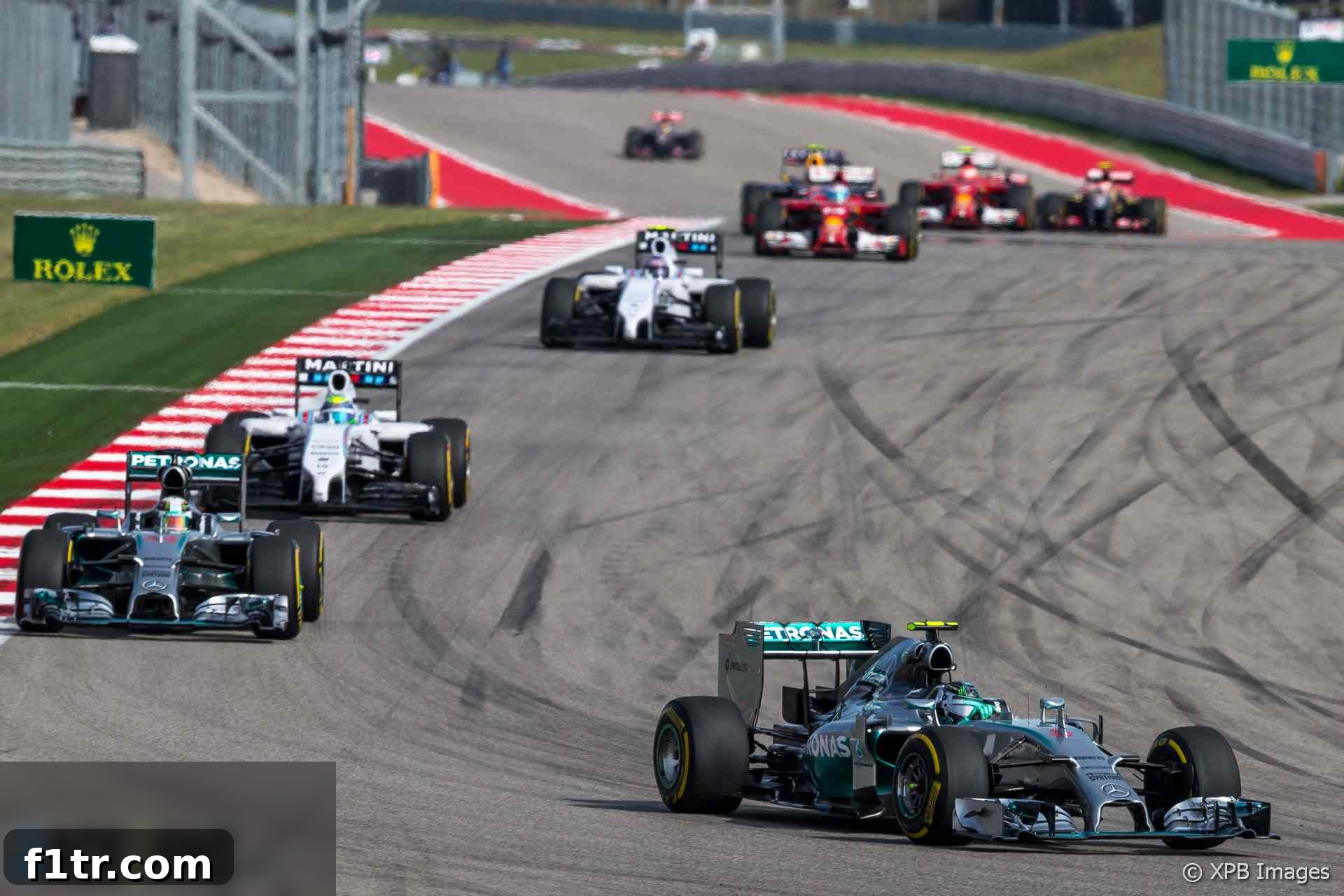
One of the most pressing concerns among teams and manufacturers, particularly with a major regulation change looming, is the potential for significant performance divergence. Christian Horner explicitly highlighted the ghost of 2014, when the introduction of the current hybrid V6 turbo-hybrid regulations saw Mercedes gain an overwhelming advantage, leading to an era of unparalleled dominance. This scenario, where one manufacturer effectively ‘nails’ the new regulations and leaves competitors scrambling for years, is detrimental to competitive racing and the overall spectacle of Formula 1.
“Inevitably, when you get a big regulation change, there is performance divergence and that is almost certain to happen next year,” Horner admitted. This acknowledgment underscores the inherent risk of introducing complex new technologies. Teams are acutely aware that the initial interpretation and optimization of the 2026 rules could create substantial performance gaps from the outset. Consequently, a key topic of discussion among teams and the FIA is how quickly such disparities can be mitigated, or “converged.”
Ensuring a level playing field without stifling innovation is a tightrope walk for F1’s governing bodies. The sport thrives on technological advancement and the prowess of its engineers, yet it also needs close, unpredictable racing to maintain fan engagement. Therefore, mechanisms for convergence are not just desirable but essential for the long-term health and popularity of Formula 1.
Proposed Solutions: Budget-Capped Upgrades for Closer Racing
To address the looming threat of performance divergence, Christian Horner put forward a pragmatic proposal: allowing power unit manufacturers to introduce upgrades throughout a season, rather than being strictly limited by a single, homologated design for the entire year. This system would operate under the sport’s existing budget cap, ensuring that financial expenditure remains controlled and equitable across all teams.
“We have a budget cap, so perhaps the engines don’t need homologating,” Horner suggested. “Perhaps you’re permitted to upgrade your engines under that budget cap, that everybody has at the same level, to encourage convergence as quickly as possible.” The rationale behind this approach is clear: if manufacturers are allowed a certain degree of in-season development within a defined financial envelope, those who initially fall behind would have a structured pathway to catch up. This contrasts sharply with the current system, which often locks in performance advantages for an entire season due to strict homologation rules.
The ultimate goal of such a policy is to foster tighter competition. “I think we all want to have close quarter racing, not a repeat of what we had in 2014,” Horner concluded. By facilitating continuous, budget-controlled development, the sport could prevent a repeat of single-team dominance and instead promote a dynamic environment where multiple manufacturers can vie for top honors, making the racing more exciting and unpredictable for fans.
New Entrants’ Stake in Convergence
The effectiveness of convergence mechanisms is particularly critical for the health of Formula 1, especially given the influx of new and returning manufacturers. Honda, after a brief hiatus from its official engine supplier role, is set to return to Formula 1 as an engine manufacturer in 2026. Audi will make its highly anticipated debut, while Cadillac, in partnership with Andretti Global, also intends to produce its own power units after the 2026 season.
These manufacturers are committing colossal investments and resources to join the pinnacle of motorsport. Their decision is heavily influenced by the perceived fairness and competitive viability of the sport’s regulations. As Horner noted, “All of those names probably agree on the convergence and having that ability, particularly for the newcomers, to be able to catch up.” Without robust mechanisms to prevent prolonged periods of unassailable dominance by an established player, the appeal for new entrants diminishes significantly. They need assurance that their considerable financial and engineering efforts will translate into a genuine opportunity for success within a reasonable timeframe, rather than being condemned to years of playing catch-up.
Therefore, the discussions around power unit convergence are not merely technical debates; they are fundamental to attracting and retaining global automotive brands, which in turn elevates Formula 1’s prestige, technological relevance, and commercial value.
Balancing Innovation with Equality for a Sustainable Future
Christian Horner’s insights paint a clear picture of Formula 1’s strategic direction: a commitment to regulatory stability post-2026, driven by a desire for both technological evolution and competitive equilibrium. The rejection of immediate radical changes like a V10 return underscores the sport’s dedication to its hybrid, sustainable future. Meanwhile, the robust debate around convergence mechanisms highlights a proactive approach to prevent single-manufacturer dominance and ensure that the sport remains a thrilling spectacle for fans and an attractive platform for automotive innovators.
The coming years will be crucial for Formula 1 as it navigates this complex interplay between cutting-edge technology, environmental responsibility, and intense competition. The success of the 2026 power unit regulations and the accompanying rules designed to foster convergence will ultimately determine the competitive landscape and the global appeal of Formula 1 for the next decade and beyond. The collective effort to learn from past experiences like 2014 and implement fair, forward-thinking solutions will be paramount in securing a vibrant and competitive future for the pinnacle of motorsport.
Formula 1
- Controversies, Norris, Newey and more: Five new motorsport books reviewed
- One of F1’s greatest races happened 15 years ago today. Or did it?
- “Overtaking is overtaking”: Domenicali denies F1’s yo-yo racing is “artificial”
- The crashes F1 is trying to prevent may be rare – but the danger is obvious
- F1 returning to India soon after 2027 sounds like wishful thinking
Browse all Formula 1 articles