The return of the Dutch Grand Prix to the Formula 1 calendar after a 36-year hiatus marks a truly momentous occasion for motorsport enthusiasts. Set against the picturesque backdrop of Zandvoort, this weekend’s race isn’t just a nostalgic trip down memory lane; it’s a pivotal moment in the current F1 championship. All eyes will be on whether the Netherlands can finally celebrate its first home F1 winner, a feat that has eluded the nation despite hosting numerous Grands Prix. The air is thick with anticipation, fueled by the electrifying atmosphere of the orange army and the intense battle at the top of the standings. This highly anticipated event promises drama, strategic challenges, and potentially historic outcomes.
As the Formula 1 circus descends upon the revamped Zandvoort circuit, several compelling narratives are set to unfold. From the potential for a local hero to claim victory on home soil to the ongoing ‘silly season’ that shapes future grids, and the lingering questions from a controversial race weekend, there’s no shortage of talking points. We delve into five key aspects that will define this highly anticipated return of the Dutch Grand Prix, each promising to add another layer of excitement to what is already shaping up to be an unforgettable race weekend.
Could Max Verstappen Deliver a Historic Home Victory?
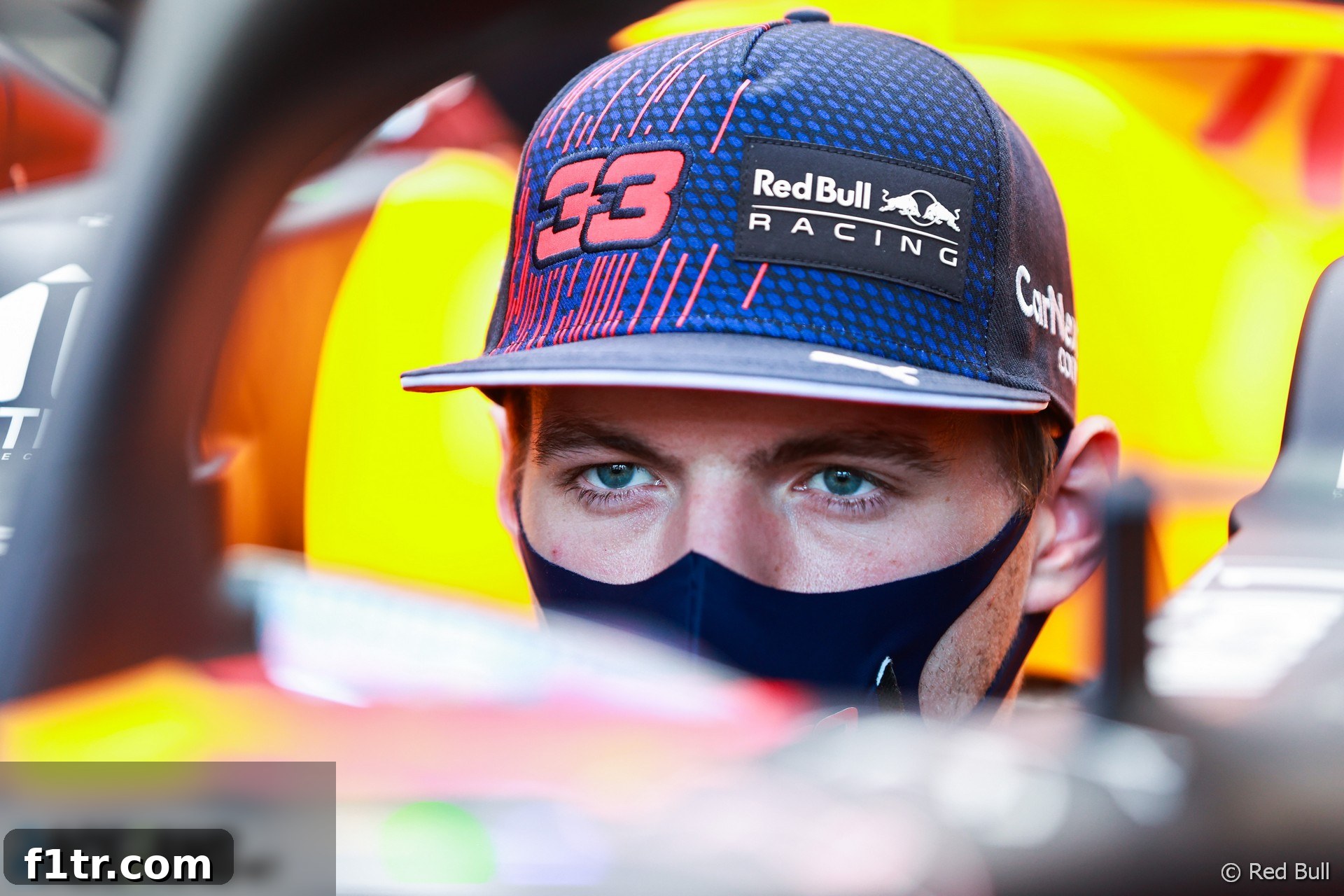
Zandvoort has a rich, albeit somewhat bittersweet, history with Formula 1. While the circuit proudly hosted 30 previous Dutch Grands Prix, it has never witnessed a home driver cross the finish line first. This statistic, however, stands on the precipice of change this weekend. The stars seem aligned for Max Verstappen, the Netherlands’ prodigal son, to etch his name into the annals of Formula 1 history with a victory on his home turf.
Verstappen’s current form and the competitive edge of his Red Bull machine present a very realistic opportunity for him to achieve what no Dutch driver has before. A win at Zandvoort would not only ignite euphoric celebrations among the largely orange-clad home crowd, whose passion for their hero is legendary, but it would also carry significant championship implications. Should Verstappen triumph, he would reclaim the lead in the Drivers’ Championship from Lewis Hamilton, shifting the momentum in what has been an incredibly tight and thrilling season. The roar of the crowd, the sea of orange, and the sheer magnitude of the occasion are bound to create an atmosphere unlike any other on the F1 calendar.
The circuit itself holds a special place in F1 lore. Past winners at Zandvoort include true legends of the sport such as Jim Clark, who dominated with four victories, and both Jackie Stewart and Niki Lauda, each claiming three wins. Lauda’s final F1 victory came at Zandvoort in 1985, marking the last time the circuit hosted a Grand Prix before its recent revitalization. Since then, the venue has undergone extensive revisions, transforming it into a modern F1 track while retaining its classic charm and challenging nature.
Although a few of the iconic corners from the original layout remain, particularly at the beginning of the lap, the current Zandvoort circuit is largely a fresh challenge for the F1 grid. This makes it one of the first significantly re-imagined tracks F1 has visited this year, alongside brand-new additions elsewhere. The sport continues to expand its global footprint, with new venues like the Jeddah Corniche Circuit in Saudi Arabia set to host F1 in December. Furthermore, the Losail International Circuit in Qatar is also expected to join the schedule, as recently revealed, showcasing Formula 1’s dynamic and ever-evolving calendar.
‘Silly Season’ Intensifies: Driver Market in Motion
Beyond the on-track battles, the paddock buzz is heavily focused on the burgeoning ‘silly season,’ with the driver market poised for significant shifts. One of the most anticipated announcements revolves around Mercedes, who are widely expected to finalize their decision regarding Lewis Hamilton’s teammate for the 2022 season in the near future. This crucial decision, whether to retain Valtteri Bottas or promote George Russell, acts as a linchpin, and once made, is expected to trigger a cascade of other key moves across the grid.
The domino effect is already evident in rumors circulating about other teams. For instance, Alfa Romeo is strongly believed to be preparing for an entirely new driver line-up for the upcoming season. Reports suggest that both Kimi Raikkonen, a veteran and former world champion, and Antonio Giovinazzi, a Ferrari academy driver, are on their way out. Raikkonen has been openly contemplating retirement, and Giovinazzi’s performance has not consistently met expectations, opening up two coveted spots within the team.
These potential vacancies present compelling opportunities for aspiring talents and drivers looking to return to Formula 1. Nyck de Vries, the reigning Formula E champion and a highly regarded talent from the Netherlands, is a strong contender for an F1 debut. His impressive resume and local hero status make him an attractive prospect for Alfa Romeo, especially with the sport’s return to his home country. Similarly, Alexander Albon, who previously competed for Red Bull and AlphaTauri, is reportedly eyeing a return to the F1 grid. After a year on the sidelines, his experience and potential are highly valued, making him another strong candidate for a seat at Alfa Romeo or potentially elsewhere, should the Mercedes decision open up other options. The stakes are incredibly high for these drivers, as securing a spot in F1 can be career-defining.
- Albon and De Vries to gain F1 seats from Russell’s Mercedes move, Giovinazzi loses out
Formula 1 Under Scrutiny Following Spa Farce
Just one week prior to the spectacle at Zandvoort, Formula 1 found itself embroiled in controversy following the widely criticized “non-race” at Spa-Francorchamps. The events of the Belgian Grand Prix left a sour taste for fans, teams, and drivers alike, and the sport can expect further intense questions and scrutiny this weekend regarding its handling of the situation.
The core of the criticism revolves around two main points: whether the race could have proceeded with different scheduling or adjusted safety car procedures, and the controversial decision to award championship points despite no actual racing laps being completed. Torrential rain created incredibly challenging and dangerous conditions, leading to multiple delays and ultimately, a truncated event that saw only a handful of laps behind the safety car before being red-flagged. The decision to award half points based on these limited laps was particularly contentious, with many arguing it undermined the integrity of the sport.
Several prominent drivers voiced strong disapproval of F1’s management of the Spa GP. Lewis Hamilton, a seven-time world champion, famously labelled the event a “farce” and passionately advocated for spectators to be fully refunded for what amounted to a non-event. His sentiments were echoed by many fans who braved the challenging weather conditions, only to be left disappointed and feeling short-changed. The FIA and F1 leadership are now under pressure to review the rules and procedures for extreme weather conditions to prevent a similar situation from tarnishing the sport’s reputation in the future. The incident at Spa serves as a stark reminder of the delicate balance between safety, spectacle, and the inherent competitiveness that defines Formula 1.
Will Overtaking Prove Challenging at Zandvoort?
The revamped Zandvoort circuit is lauded for its spectacular corners and unique characteristics, promising an awe-inspiring sight as Formula 1 cars sweep through sections like the iconic Scheivlak. However, despite its visual appeal and technical demands, a significant concern among drivers and fans is the potential for limited overtaking opportunities. The track’s inherent narrowness in many sections, a hallmark of classic circuits, strongly suggests that wheel-to-wheel battles and successful overtakes are likely to be a tricky proposition.
To mitigate this challenge and promote closer racing, the circuit will feature two DRS (Drag Reduction System) zones. However, both of these zones are relatively short, raising questions about their overall effectiveness in creating genuine passing chances. Teams and drivers will be meticulously studying data from practice sessions to understand how best to exploit these zones without compromising their race strategy.
One unique aspect that could inadvertently create overtaking opportunities is the unforgiving nature of Zandvoort’s run-off areas. In many places, drivers who stray wide or push beyond the limits will find themselves punished significantly, potentially losing a considerable amount of time or even incurring damage. This high-risk, high-reward environment might pressure drivers into making errors, which could then open windows for rivals to capitalize and attempt a pass. The absence of generous asphalt run-offs means precision and discipline will be paramount, adding another layer of challenge and excitement to the racing.
The two most notable additions to the circuit, the banked Arie Luyendykbocht and Hugenholtzbocht corners, add a distinct dimension to the track. While these banked turns are visually striking and increase cornering speeds, there’s been specific attention paid to how they interact with DRS. Initially, there was speculation about a DRS zone extending through a banked corner, but this has been clarified to ensure safety and prevent excessively high entry speeds into subsequent sections of the track.
- No DRS zone through Zandvoort’s banked final turn
How Will the Hardest Tyres Cope with Zandvoort’s Demands?
Pirelli, Formula 1’s official tyre supplier, has made a strategic choice by nominating the hardest compounds in its range – the C1 (hard), C2 (medium), and C3 (soft) – for the Dutch Grand Prix. This selection is a testament to the unique and demanding characteristics of the unfamiliar Zandvoort circuit, which features high-speed sections, challenging corner sequences, and crucially, two distinctive banked corners. These factors combine to place immense stress and lateral loads on the tyres, necessitating robust and durable compounds.
Interestingly, Pirelli has opted not to produce a special compound specifically for this event, a plan that was initially considered for the cancelled 2020 race. The rationale behind this decision is that the current range of standard compounds, particularly the harder ones, is deemed sufficiently durable to withstand the rigours of Zandvoort. The circuit’s abrasive asphalt and the sustained G-forces through its fast corners, especially the banked sections, mean tyre degradation and thermal management will be critical strategic elements throughout the weekend.
Pirelli anticipates Zandvoort to be one of the toughest circuits on the calendar for tyre wear and performance. The continuous high-energy demands mean that managing the tyres effectively will be key to unlocking pace and executing successful race strategies. While it is expected to be a demanding track, Pirelli has indicated that it will likely not be as punishing on tyres as Silverstone, which is renowned for its sustained high-speed corners that subject tyres to extreme and prolonged loads.
The banked corners, in particular, will introduce unique stresses on the tyre sidewalls and tread, requiring drivers to adapt their lines and braking points. Teams will be relying heavily on data gathered during Friday practice sessions to understand the real-world performance and degradation rates of each compound. This intelligence will be vital for formulating optimal qualifying and race strategies, determining whether a one-stop or two-stop approach will be more advantageous. The unpredictable nature of a new circuit, coupled with the hard tyre compounds, ensures that tyre management will be a pivotal factor in the outcome of the 2021 Dutch Grand Prix.
Over to You: Your Predictions for the Dutch Grand Prix
The stage is set for an unforgettable return to Zandvoort. With so many compelling storylines – a potential home hero, a heated championship battle, the intricate driver market, the aftermath of a controversial race, and the unique challenges of a revitalized circuit – this weekend promises unparalleled excitement. Who do you believe will emerge as the dominant force in the Dutch Grand Prix? Will Max Verstappen make history, or will another team or driver spoil the home party?
Share your thoughts and predictions below! We want to hear your insights on the key battles, potential upsets, and strategic calls that could define this thrilling race. And don’t forget to enter your official predictions for this weekend’s event. You have the flexibility to edit your predictions right up until the start of qualifying, so make sure to fine-tune your choices as the practice sessions unfold and more data becomes available.
- RaceFans Predictions Championship
2021 Dutch Grand Prix: Further Reading
Delve deeper into the 2021 Dutch Grand Prix with our collection of related articles, offering more insights and analysis from the thrilling race weekend:
- “So many people love him”: Raikkonen’s rivals pay tribute to retiring champion
- Alonso studied junior series, not IndyCar, for Zandvoort banking clues
- 2021 Dutch Grand Prix Star Performers
- Paddock Diary: Dutch Grand Prix part two
- Verstappen makes the Netherlands 12th country to produce a home F1 winner
Browse all 2021 Dutch Grand Prix articles