Dutch Grand Prix: The Road to an F1 Return and the Rotterdam Setback
The prospect of the Formula 1 Dutch Grand Prix making a triumphant return to the racing calendar has captivated motorsport enthusiasts, particularly given the unparalleled success of Dutch superstar Max Verstappen. For a significant period, the vibrant port city of Rotterdam emerged as a frontrunner, proposing an ambitious street race that promised to blend the thrill of F1 with the city’s iconic urban landscape. However, despite initial enthusiasm and serious consideration from F1’s commercial rights holder, Liberty Media, these plans have regrettably faltered, primarily due to a discernible lack of local political will and engagement.
Advert | Become a Supporter & go ad-free
Rotterdam’s Ambitious Vision and Liberty Media’s Interest
The driving force behind the Rotterdam street race proposal was Herman Vanhoolt, a seasoned promoter well-known for successfully orchestrating the popular Bavaria City Race F1 festivals in the city. Vanhoolt dedicated considerable effort to developing a robust proposal, drawing serious interest from “the Americans,” a direct reference to Liberty Media, Formula 1’s commercial rights holder. Liberty Media’s representatives even conducted a site visit to Rotterdam, signaling their genuine contemplation of the city as a potential venue.
Liberty Media’s enthusiasm for Rotterdam was multifaceted. Firstly, the Netherlands is the undisputed homeland of Max Verstappen, whose meteoric rise has ignited an unprecedented wave of F1 fandom across the nation. Tapping into this immense popularity with a home race was seen as a strategic move to capitalize on the “Verstappen effect.” Secondly, Liberty Media has openly expressed a desire to diversify the F1 calendar by incorporating more street races. These urban events, held against dramatic city backdrops, are perceived as highly attractive, offering a fresh spectacle that appeals to a broader audience beyond traditional motorsport fans, exemplified by new additions like Miami and Las Vegas.
To underscore the seriousness of the bid, Vanhoolt commissioned none other than renowned F1 circuit architect Hermann Tilke. Tilke, famous for designing many modern Grand Prix tracks worldwide, developed a preliminary circuit layout specifically tailored to showcase Rotterdam’s distinctive character. This ambitious design reportedly envisioned the F1 cars thundering across the majestic Maas River bridge, creating a truly unique and visually spectacular element for a street circuit. Such a feature would undoubtedly have become an iconic image associated with the Dutch Grand Prix, offering breathtaking television footage and a thrilling challenge for the drivers.
Political Hurdles and the Collapse of the Rotterdam Dream
Despite the detailed planning and the high-profile involvement of figures like Tilke, the Rotterdam street race project ultimately stumbled at a critical juncture. According to Vanhoolt, local politicians proved unwilling to participate in fundamental impact and sustainability studies. These studies are not merely bureaucratic formalities; they are essential prerequisites for any major urban event of this scale. They assess a wide range of factors, including:
- Environmental Impact: Evaluating the potential effects on air quality, noise pollution, local ecosystems, and waste management. Such studies are crucial for gaining public acceptance and adhering to modern ecological standards.
- Traffic and Logistics: Analyzing the disruption to daily city life, potential traffic congestion, and the feasibility of managing the immense logistical demands of an F1 event, from road closures to public transport adjustments.
- Economic Impact: Projecting the benefits (such as tourism revenue, local spending, and international media exposure) versus the significant costs (infrastructure upgrades, security, operational expenses) for the host city.
- Social Impact: Considering the concerns of local residents regarding noise, access restrictions, business interruption, and the overall quality of life during the multi-day event.
- Safety and Security: Ensuring the event can be hosted safely for both participants and the hundreds of thousands of spectators it would attract, a paramount concern for any major public gathering.
Without the commitment from local authorities to engage in these comprehensive assessments, the event, by Vanhoolt’s admission, became impossible to stage. The refusal highlighted a significant gap between the commercial enthusiasm of F1 and the practical, political realities of hosting such an event in a densely populated urban area. For many local governments, the perceived disruption, environmental concerns, and the substantial financial commitment often outweigh the potential economic benefits, especially when there is insufficient public or political consensus to push the project forward.
The Contenders: Zandvoort and Assen Vie for the Dutch Grand Prix
While Rotterdam’s urban Grand Prix dream has faded, the ambition for a Dutch Grand Prix remains very much alive, with at least two other prominent venues in the Netherlands still actively vying for a coveted spot on the F1 calendar. These are the historic Circuit Zandvoort and the renowned TT Circuit Assen.
Circuit Zandvoort: A Return to Roots
Located near the bustling city of Amsterdam and nestled amongst scenic sand dunes, Circuit Zandvoort holds a special place in Formula 1 history. It previously hosted F1 world championship races between 1958 and 1985, creating a rich tapestry of iconic moments and legendary victories. The appeal of Zandvoort is deeply rooted in nostalgia and its unique seaside setting. A return to Zandvoort would offer a classic F1 experience, with a challenging, old-school track layout that drivers often praise for its character and demands, including famous corners like the “Tarzanbocht.” Its proximity to a major capital city also makes it logistically attractive for international visitors, offering easy access and a vibrant surrounding area.
However, Zandvoort is not without its challenges. Modern F1 requirements for extensive paddock facilities, state-of-the-art spectator infrastructure, and critical environmental considerations (given its location within protected dune areas) would necessitate significant upgrades and careful planning. Despite these hurdles, its historical significance and natural charm make it a compelling option, one that resonates deeply with long-standing F1 fans and evokes a strong sense of tradition within the sport.
TT Circuit Assen: The Cathedral of Speed
Further to the north lies the TT Circuit Assen, internationally acclaimed as the “Cathedral of Speed” and a long-standing venue for the Dutch Moto GP round. Assen boasts world-class facilities and a proven track record of hosting major international motorsport events for decades. The circuit is known for its fast, flowing layout and excellent spectator amenities, making it a strong contender for F1. Unlike Zandvoort, Assen’s infrastructure is largely up to modern standards, having continuously evolved to meet the demands of top-tier motorcycle racing. Its adaptation for Formula 1 cars would likely be less extensive in terms of fundamental facility upgrades compared to Zandvoort, offering a potentially quicker and more cost-effective path to F1 readiness.
While Assen offers a modern, high-speed track with superb safety standards, it lacks the F1 heritage that Zandvoort possesses. For Liberty Media, choosing Assen would align with their strategy of bringing F1 to purpose-built, highly efficient facilities, but it might not evoke the same historical sentiment or attract the same kind of traditional F1 fan base that Zandvoort offers to fans and the sport itself.
Max Verstappen’s Influence and Track Preferences
The presence of Max Verstappen is undoubtedly the primary catalyst for the renewed interest in a Dutch Grand Prix. His phenomenal success, captivating driving style, and charismatic personality have created a fervent fanbase, often dubbed the “Orange Army,” who travel in vast numbers to support him at races around the globe. His ability to draw massive crowds and generate immense excitement is a significant draw for any potential host venue and for Formula 1 as a whole, promising sell-out events and a vibrant atmosphere.
Interestingly, Verstappen himself has expressed a clear preference regarding the type of circuit he would like to see host a Dutch Grand Prix. Speaking to media last month, he stated, “I think we already have enough street circuits on the calendar.” This sentiment highlights a common divide within the F1 community: the debate between the spectacle of street circuits and the pure racing challenge of permanent road courses. While street circuits offer glamour, unique city backdrops, and access to new urban audiences, many drivers, including Verstappen, often prefer the complex, high-speed demands and less forgiving nature of purpose-built tracks, which they believe offer a truer test of skill, engineering, and raw driving talent.
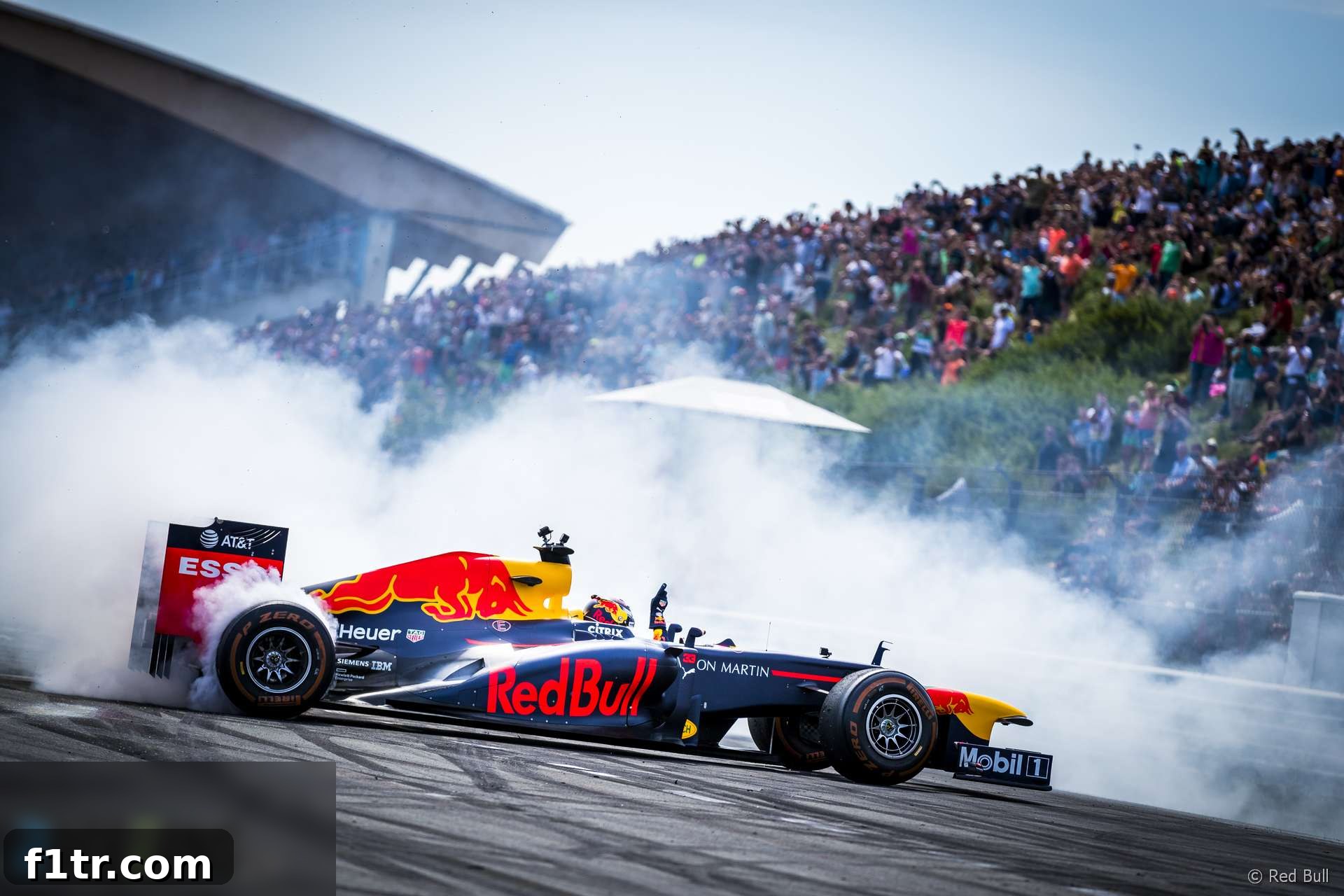
Verstappen’s popularity is undeniable. Earlier this year, the then 20-year-old showcased his widespread appeal by attracting huge crowds to a promotional event at Zandvoort, arranged by his sponsor Jumbo (pictured in the original context). This event served as a powerful demonstration of the immense potential fan turnout for a Dutch Grand Prix, irrespective of the venue. His preference, therefore, while not dictating F1’s ultimate choices, certainly adds considerable weight to the arguments for traditional venues like Zandvoort or Assen over the creation of a new, potentially disruptive, street circuit.
Advert | Become a RaceFans supporter andgo ad-free
The Future of the Dutch Grand Prix
The journey to bringing the Dutch Grand Prix back to the F1 calendar is a complex tapestry woven with commercial ambitions, political realities, historical legacy, and driver preferences. While Rotterdam’s street race proposal, with its daring vision of F1 cars crossing the Maas River, has hit an insurmountable political wall, the door remains wide open for the Netherlands to host Formula 1 once again. The compelling narratives of Zandvoort’s rich history and Assen’s modern infrastructure continue to fuel speculation and hope among Dutch fans and the global F1 community.
Ultimately, the decision will rest with Liberty Media, who will carefully weigh the financial viability, marketing potential, and the overall fit of a venue within their evolving global calendar strategy. They seek locations that can offer both a strong commercial return and a unique, engaging experience for fans and broadcasters. What is certain is that the fervent desire for a home race, driven by the electrifying presence of Max Verstappen, ensures that the Netherlands will remain a key focus for Formula 1’s future expansion plans. The question is no longer if, but rather where and when, the vibrant orange army will finally get to cheer on their hero on home soil in a Grand Prix worthy of its heritage and its star.
2018 F1 Season Insights
- F1 feared “death knell” for Drive to Survive after Ferrari and Mercedes snub
- McLaren staff told us we were “totally crazy” to take Honda engines in 2018 – Tost
- ‘It doesn’t matter if we start last’: How Red Bull’s junior team aided Honda’s leap forward
- Honda’s jet division helped F1 engineers solve power unit problem
- McLaren Racing losses rise after Honda split
Browse all 2018 F1 season articles