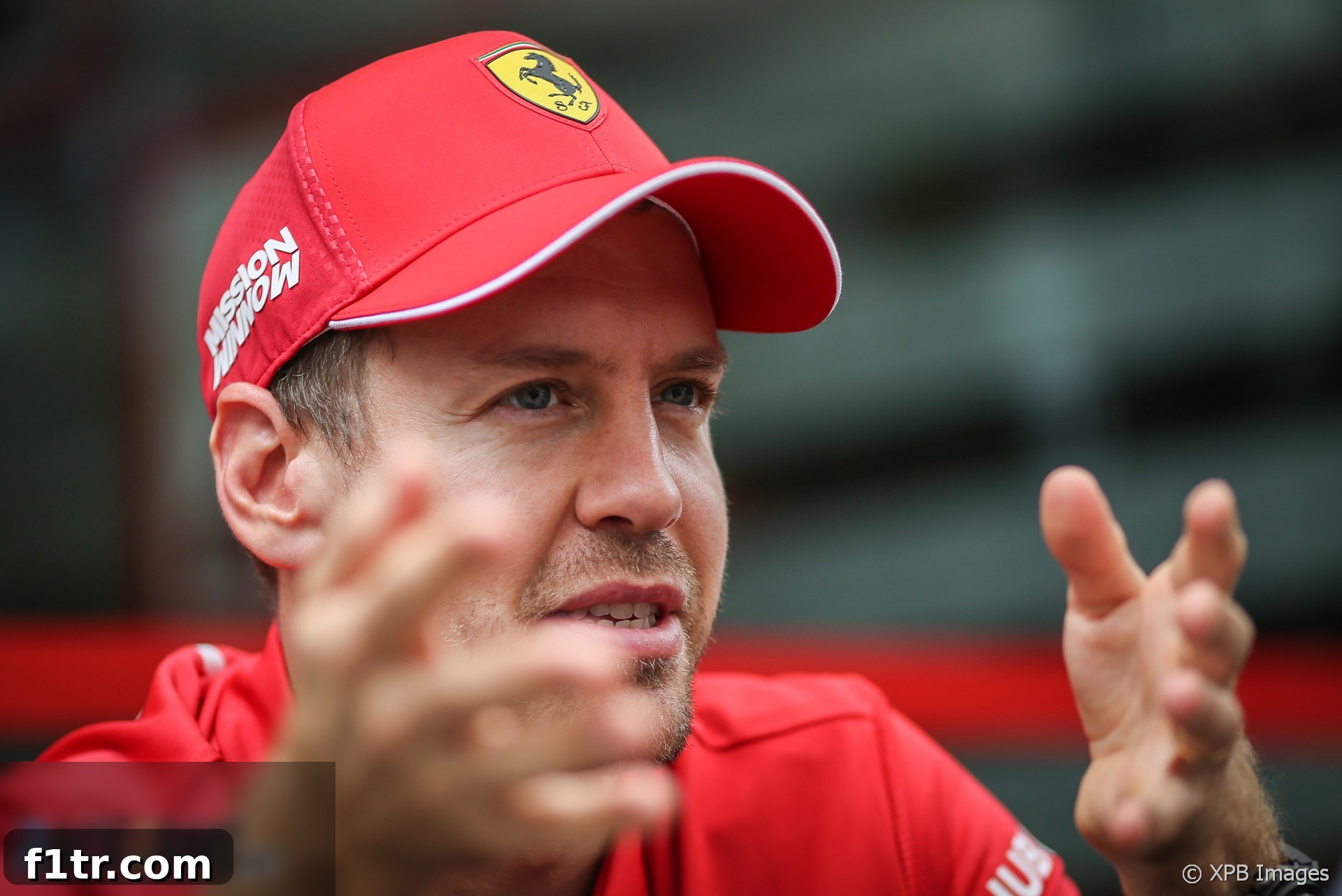
Sebastian Vettel’s Powerful Endorsement: Formula 1 Accelerates Towards a Sustainable Future
The iconic world of Formula 1, synonymous with speed, innovation, and cutting-edge engineering, is embarking on a transformative journey towards environmental sustainability. At the forefront of this critical shift, four-time world champion Sebastian Vettel has emerged as a vocal proponent, lending his considerable influence to champion the sport’s ambitious climate goals. His unequivocal backing, articulated with characteristic conviction, underscores the urgency and significance of Formula 1’s recently unveiled sustainability strategy. “It’s a great message and it’s about time,” Vettel declared, echoing a growing sentiment within and beyond the paddock that the pinnacle of motorsport has a pivotal role to play in addressing global environmental challenges.
A Timely Strategy: F1’s Commitment to Net Zero by 2030
Formula 1 has set a groundbreaking objective: to achieve “net zero” carbon emissions by the year 2030. This isn’t merely a symbolic gesture but a comprehensive, root-and-branch transformation impacting every facet of the sport. The strategy encompasses a wide array of initiatives, from revolutionizing how the F1 circus travels across continents to fundamentally altering the fuel that powers its high-performance cars. The commitment extends beyond the track, aiming to reduce the carbon footprint of fan travel, track operations, and manufacturing processes. It’s a holistic approach designed to position Formula 1 not just as a leader in automotive technology but also as a pioneer in sustainable sporting events globally. This proactive stance reflects an understanding that environmental responsibility is no longer optional but an imperative for the future viability and relevance of any major global sport.
Vettel’s endorsement provides crucial credibility to these efforts. As one of the most respected figures in the sport, his words carry significant weight among fans, fellow drivers, and stakeholders. His clear support for the “net zero” target helps to galvanize collective action and fosters a sense of shared purpose. He emphasized the importance of accountability, noting, “It’s good to see that people who can make decisions and can make a change are thinking of making a change.” This observation highlights the leadership required from Formula 1’s governing bodies and commercial rights holders to drive meaningful environmental progress, ensuring that the ambitious targets translate into tangible results.
The Urgency of Action: Vettel’s Call for Faster Change
While acknowledging the ambition of F1’s 2030 target, Sebastian Vettel also articulated a profound sense of urgency, urging the sport to accelerate its timeline wherever possible. “I think it is an ambitious target. Equally, I would like to see a lot of the goals that are set out to be achieved sooner because I think it is a must in our times and we can’t afford to wait,” he stated. This plea for expedited action underscores the gravity of the climate crisis and the rapidly diminishing window for effective intervention. For Vettel, sustainability is not just a long-term aspiration but an immediate necessity, reflecting a broader societal understanding that environmental concerns require prompt and decisive responses.
Vettel’s perspective is rooted in a pragmatic understanding that the luxury of gradual change is no longer available. The world is grappling with escalating climate impacts, and every sector, including high-profile global sports like Formula 1, has a moral obligation to contribute to solutions with utmost speed. His insistence on achieving goals “sooner” sends a powerful message that while targets are important, the pace of implementation is equally critical. It challenges the sport to continuously innovate and push boundaries, not only in performance but also in its environmental stewardship. This proactive mindset is essential for ensuring that Formula 1’s sustainability initiatives are truly impactful and reflective of the global imperative for climate action.
Motorsport Identity vs. Environmental Responsibility
One of the core dilemmas for Formula 1 in its sustainability drive is how to reconcile its inherent identity as a motorsport with the demands of environmental consciousness. Critics often highlight the sport’s reliance on fossil fuels and extensive global travel. However, Vettel firmly believes that F1 doesn’t need to “hide” its fundamental character. “Obviously, the sport that we love is called motor sport because we have an engine in our car. So it comes with maybe some things that people jump on and would like to criticize and say it’s all a fraud,” he acknowledged, addressing the often-heard criticisms head-on.
Vettel’s argument is that the essence of motorsport – the pursuit of speed, the thrill of competition, and the relentless innovation of powerful engines – can coexist with environmental responsibility. Rather than being defensive or trying to downplay its core identity, Formula 1 should leverage its unique position as a technological testbed. The focus, he suggests, should be on concrete actions and tangible changes. “But I think in general we should not try and highlight the things that maybe people are not doing or you think [they] should do differently. I think we should focus on things that we actually can do differently in order to make a change. This is both for every individual, but also for us as a sport.” This philosophy champions a proactive approach, emphasizing solutions and forward momentum over dwelling on past shortcomings or external criticisms. It positions F1 not as a problem, but as a potential part of the solution, driving innovation that could benefit the wider world.
Innovation as the Driving Force for Green F1
The path to net zero for Formula 1 is paved with technological innovation. The sport’s history is defined by pushing boundaries, and this ethos is now being channeled into developing sustainable solutions. A cornerstone of the strategy is the introduction of advanced, 100% sustainable fuels. Building on the E10 blend already in use, the sport is committed to transitioning to fully sustainable fuels for its hybrid power units by 2026. These fuels, derived from non-food biomass, municipal waste, or even captured atmospheric carbon, will significantly reduce the sport’s carbon emissions without compromising the high-performance demands of F1 engines. This commitment is not just about F1 cars; it’s about pioneering technologies that have the potential to impact the broader automotive industry and contribute to decarbonizing road transport worldwide.
Beyond fuel, Formula 1 is tackling sustainability through a multifaceted approach. Logistics and freight account for a significant portion of the sport’s carbon footprint. Efforts are underway to optimize travel schedules, utilize more efficient transportation methods, and regionalize the racing calendar to reduce flight distances. Circuits themselves are also being scrutinized, with initiatives focused on transitioning to renewable energy sources for operations, implementing comprehensive waste management and recycling programs, and promoting sustainable infrastructure development. The goal is to minimize the environmental impact of every Grand Prix event, transforming them into showcases of green technology and responsible event management.
Vettel highlighted this challenge as an “incredible” one, recognizing the complexity of integrating sustainability into such a global, technologically advanced sport. However, he also sees it as an unparalleled opportunity for Formula 1 to reaffirm its role as a leader in innovation. By developing cutting-edge sustainable technologies and practices, F1 can provide real-world testing grounds and inspire other industries to follow suit. The solutions engineered for the extreme environment of Formula 1 racing often find their way into mainstream applications, driving progress far beyond the racetrack. This potential for broader impact makes F1’s sustainability journey particularly significant.
Navigating the Challenges of a Global Sport
Transforming a global sport like Formula 1 into a net-zero entity presents monumental challenges. The logistical complexities of moving vast amounts of equipment, personnel, and vehicles across continents for nearly two dozen races a year are immense. Each Grand Prix circuit requires substantial infrastructure, energy consumption, and waste management. Furthermore, fan travel to events contributes significantly to the overall carbon footprint. Addressing these issues requires a collaborative effort from teams, race promoters, suppliers, and fans alike. It demands significant investment in new technologies, changes in established operational procedures, and a cultural shift across the entire F1 ecosystem.
However, these challenges are precisely what position Formula 1 to demonstrate true leadership. By overcoming such formidable obstacles, F1 can set a powerful precedent for other global sports and industries facing similar environmental pressures. The solutions developed in this high-stakes, fast-paced environment are likely to be innovative, efficient, and scalable. The sport’s commitment to making its values “sustainable” is a testament to its forward-thinking vision. It’s about demonstrating that peak performance and environmental responsibility are not mutually exclusive but can, in fact, be complementary, driving a new era of competitive excellence that aligns with global sustainability goals. This commitment to evolve while preserving the excitement of racing is a delicate balance, but one F1 is determined to strike.
Sebastian Vettel: A Champion for Change
Sebastian Vettel’s personal journey has increasingly intertwined with environmental advocacy, making him an authentic and powerful voice for Formula 1’s sustainability efforts. His willingness to speak out, to engage with the issues, and to challenge the status quo lends immense credibility to the sport’s initiatives. His personal actions, such as traveling to races by bicycle or public transport when possible, further reinforce his dedication to reducing his own carbon footprint. This authenticity resonates deeply with fans and demonstrates that environmental responsibility is a personal commitment as much as it is an institutional one.
Vettel’s influence extends beyond mere words. As a revered figure, he inspires other drivers, team personnel, and the wider motorsport community to consider their own impact and contribute to the collective goal. His advocacy helps to normalize and prioritize environmental discussions within a sport historically focused solely on speed and performance. By openly embracing and promoting F1’s sustainability strategy, Vettel plays a crucial role in strengthening the message that Formula 1 is serious about its environmental obligations, fostering a culture of innovation and responsibility that will define its future trajectory.
The Path Forward: Sustaining Passion and Progress
Formula 1’s journey towards net zero by 2030, championed by figures like Sebastian Vettel, represents a critical juncture for the sport. It’s a bold declaration that the thrill of high-performance racing can, and must, coexist with a profound commitment to environmental stewardship. The challenge is clear: to “improve our sport, enhance the show, grow passion based on the values that we share for such a long time. But make them sustainable.” This vision encapsulates the delicate balance between preserving the heritage and excitement of Formula 1 while innovating for a more responsible future.
As Vettel aptly summarized, “it’s an incredible challenge. But as I said, it’s about time.” This statement serves as both an acknowledgment of the monumental task ahead and a powerful call to action. Formula 1 is not just racing cars; it’s racing against time to protect the planet. By embracing sustainability, the sport has the opportunity to redefine its legacy, becoming a beacon of innovation that inspires positive environmental change globally. The road to net zero will undoubtedly be complex, but with strong leadership, technological prowess, and the unwavering support of its champions, Formula 1 is poised to accelerate into a truly sustainable and impactful future.