The exhilarating spectacle of Formula 1 pre-season testing often masks the intense, nail-biting challenges teams face behind the scenes. Few understand this pressure better than Renault’s technical director, Nick Chester, who offered a candid perspective on why a team like Williams might struggle to get their new car ready for the crucial initial test days. His insights reveal the immense complexity and unforgiving deadlines inherent in Formula 1 car development, a high-stakes race against the clock that often goes unseen by fans.
The journey from concept to fully functional racing machine is fraught with hurdles. Every F1 team operates on the bleeding edge of engineering, pushing boundaries in aerodynamics, powertrain technology, and material science. This relentless pursuit of performance means designs are often finalized at the very last possible moment, leaving minimal buffer for manufacturing and assembly. Chester openly admitted that Renault themselves cut it fine with the completion of their RS19 chassis, highlighting that such struggles are not unique to any single team but are rather a systemic challenge within the sport.
Chester explained that a confluence of factors contributed to the frantic build period, specifically pointing to the late definition of new technical regulations and an earlier start to the Formula 1 season. “We were late with the build,” Chester stated in response to a query, articulating the widespread struggle. “The build was pretty pushed, and I think it’s probably, seeing as you’ve seen similar things in other teams, I think it’s probably been a bit of a reaction to the regs being defined late.” This delay in regulatory clarity means engineers must continue developing and refining designs deep into the off-season, squeezing the manufacturing timeline significantly.
When new regulations are introduced, teams naturally seek to exploit every possible loophole and maximize every performance gain. This iterative process of design, simulation, and refinement extends deep into the winter months. Chester elaborated, “The regs were defined late so then teams have pushed quite late to try to get the most out of the regs and then effectively it’s all got a bit squeezed up towards build. And the season’s moved forward, so you’ll have a mixture of the two has made it a pretty tough winter.” This aggressive development cycle, coupled with the calendar shift, creates a perfect storm, leaving production teams with an incredibly compressed window to fabricate thousands of intricate components.
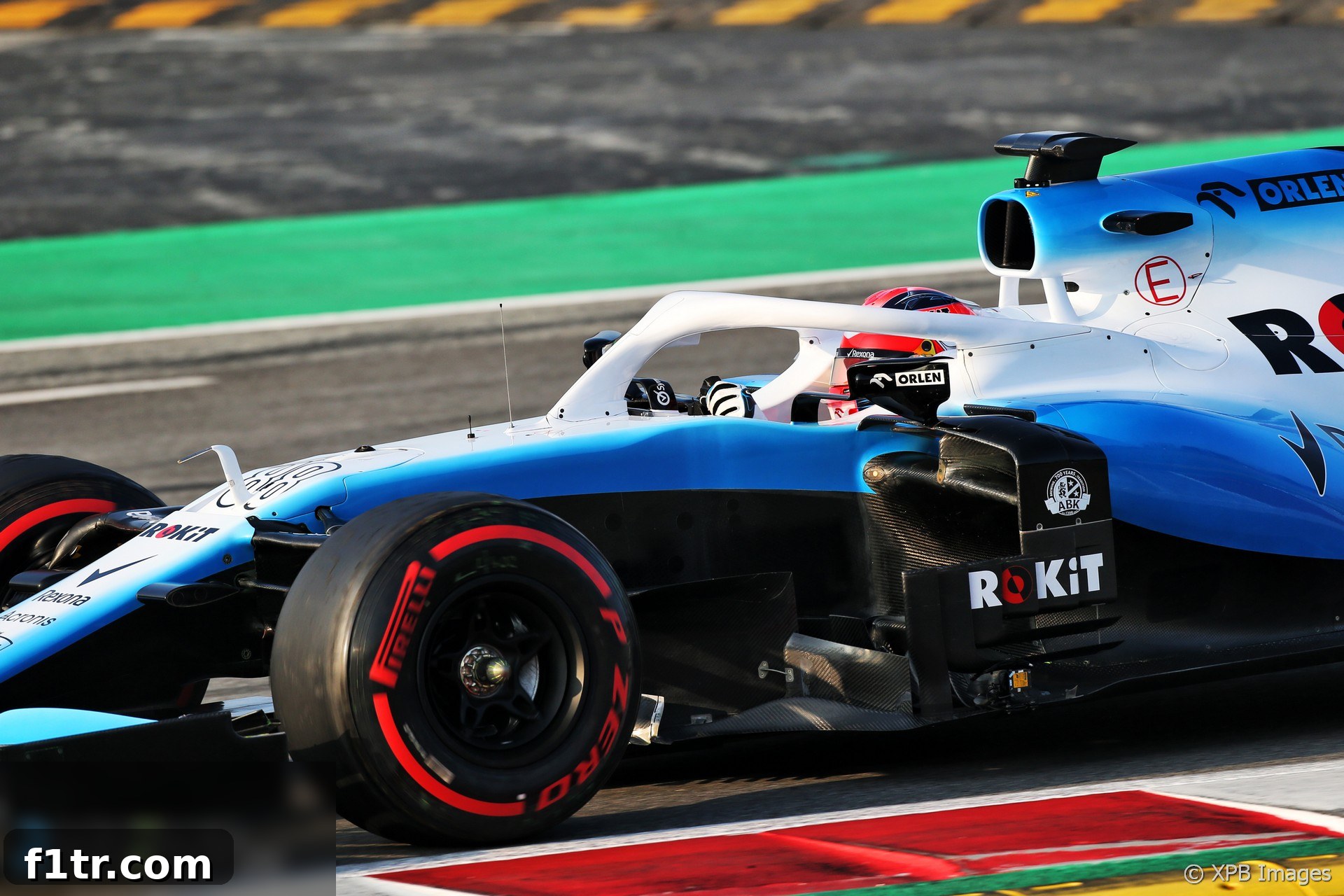
The sheer scale of the task facing a Formula 1 production department is staggering. Building a modern F1 car involves the coordination of countless suppliers, internal departments, and highly specialized technicians. Each chassis is composed of tens of thousands of individual parts, ranging from bespoke carbon fibre structures to highly sophisticated electronic systems and powertrain components. All these elements must converge, be assembled with pinpoint precision, and pass rigorous quality control checks within an incredibly tight timeframe. Chester, drawing from years of experience, expressed deep empathy for Williams’ predicament, whose car did not hit the track until the third day of testing.
“It’s really hard,” he acknowledged. “I think unless you sort of lived through multiple car builds, you wouldn’t realise how hard it is and how many parts are delivered right at the last minute.” This isn’t just about assembling pre-made parts; it often involves custom fabrication, last-minute design tweaks, and the coordination of a complex global supply chain. A single delayed component, a minor manufacturing defect, or an unexpected compatibility issue can trigger a domino effect, pushing back the entire assembly process by days or even weeks. The pressure on the “production guys” is immense, as they tirelessly chase down every component. “They’re chasing thousands of parts in the period of one or two weeks at the end,” Chester explained. “And they’ve got everything turning up in nearly the same time. It’s super, super busy, and you only need one or two problems to end up being four or five days late, so it’s a big challenge.”
For Williams, the consequence of this delay was significant: their planned eight-day testing program was condensed to little more than five. In the cutthroat world of Formula 1, every minute of track time is invaluable. Pre-season testing serves multiple critical functions that cannot be replicated elsewhere. Firstly, it’s about reliability. Cars are pushed to their limits over long runs, identifying potential weaknesses in components, cooling systems, and overall durability. Logging extensive mileage allows teams to stress-test every part and ensure the car can withstand the rigours of a full race distance, minimizing the risk of costly failures during competitive weekends.
Secondly, testing is crucial for understanding the car’s performance characteristics. Engineers use the track time to validate aerodynamic models, correlate simulator data with real-world performance, and fine-tune the car’s setup across a range of conditions. Without sufficient data, teams are essentially flying blind, unable to unlock the car’s full potential. Every run provides an opportunity to learn, adjust, and optimize. Chester highlighted the importance of this, noting, “You need really if you can your full mileage for reliability because that helped us a lot last year and we went to push for the big mileage. And also you need time in the car to understand it.”
Finally, pre-season testing is vital for driver adaptation. Drivers need time in the cockpit to get a feel for the new machine, understand its nuances, and provide invaluable feedback to engineers. This synergy between driver and team is paramount for extracting maximum performance. A delayed start means less time for drivers to build confidence, understand the limits, and refine their driving style to suit the new car. “To every run you have got a chance to learn a bit and get the drivers more into it,” Chester explained, emphasizing the holistic nature of testing.
While teams can try to condense their testing programs, prioritizing key items and dropping less critical ones, such compromises inevitably come at a cost. “There are ways to trim it,” said Chester. “You can prioritise all your test items and then go ‘OK, well, those ones are a bit more minor, we’ll drop them off’.” However, sacrificing mileage for reliability or reducing the scope for performance understanding can have significant repercussions, potentially manifesting as reliability issues or a slower development curve in the initial races of the season. “There’s ways you can condense it, but it’s still going to hurt missing a few days,” he concluded, a stark reminder of the unforgiving nature of F1. The initial deficit can be hard to recover, putting a team at a disadvantage right from the start of a new championship campaign.
Ultimately, Nick Chester’s comments underscore the incredible feat of engineering and logistical coordination that takes place every winter in Formula 1. They offer a rare glimpse into the shared struggles and immense pressures faced by even the most well-resourced teams. While competition on the track is fierce, there is a clear understanding and empathy among rivals regarding the monumental task of delivering a new, competitive F1 car. The saga of Williams’ delayed launch serves as a potent reminder that in Formula 1, the race to build the fastest car is often as challenging and dramatic as the races themselves.
2019 F1 season
- Crying in the Melbourne car park at 2019 grand prix was my career low – Ocon
- McLaren Racing reports reduced £71 million loss in 2019
- Kvyat: Hockenheim podium last year was “my biggest achievement” so far
- How the FIA’s new encrypted fuel flow meter targets Ferrari’s suspected ‘aliasing’ trick
- “He smashed my office door”: 23 must-see moments from ‘Drive to Survive’ season two
Browse all 2019 F1 season articles