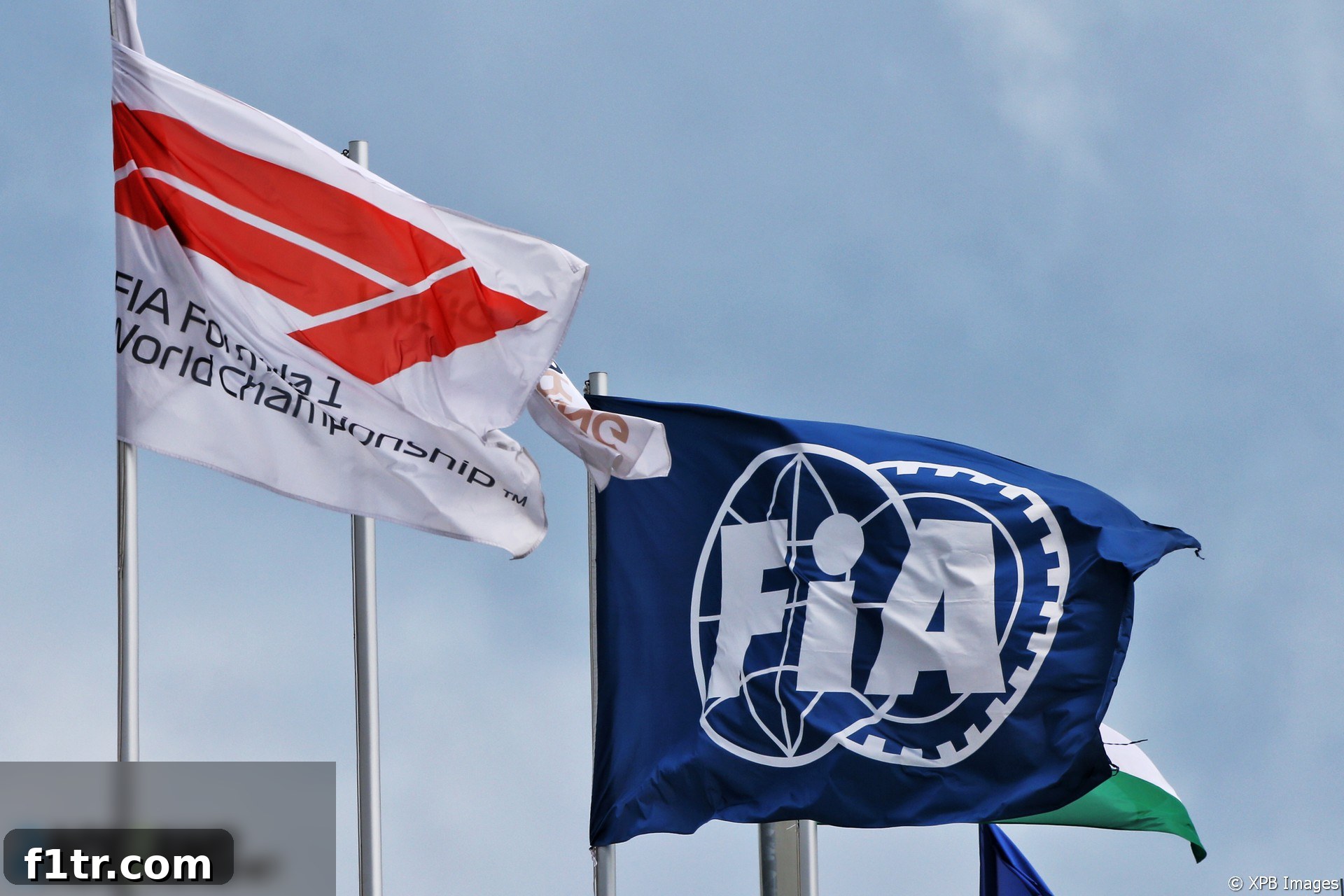
The highly anticipated bid by Andretti Global to enter the Formula 1 World Championship has been officially rejected by Formula One Management (FOM), the sport’s commercial rights holder. This pivotal decision, announced yesterday, marks a significant development in a saga that has captured the attention of motorsport enthusiasts and industry insiders alike. While FOM has closed the door on Andretti’s immediate aspirations, the Fédération Internationale de l’Automobile (FIA), Formula 1’s governing body, has indicated its intention to continue discussions with FOM, signaling that the debate over the future composition of the F1 grid is far from over.
Advert | Become a Supporter & go ad-free
The announcement from FOM comes a year after the FIA initially opened the application process for potential new entrants to join the prestigious racing series. This move by the FIA, aimed at exploring possibilities for grid expansion, saw several interested parties come forward. Following a rigorous evaluation process that scrutinized technical capabilities, financial robustness, and sporting commitment, the FIA confirmed in October that Andretti Global was the sole applicant it had selected as a suitable candidate to become the 11th team on the Formula 1 grid.
However, securing a place in Formula 1 requires not only the approval of the FIA but also the consent of Formula One Management, which controls the commercial rights to the championship. After the FIA’s endorsement, Andretti’s application moved into FOM’s hands, where it underwent an additional four months of extensive consideration. Yesterday, the culmination of this review period was revealed with FOM’s definitive rejection of the Andretti bid, dashing immediate hopes for the American motorsport giant.
In response to FOM’s decision, the FIA issued a concise statement today, acknowledging the outcome while hinting at ongoing engagement. “The FIA notes the announcement from Formula One Management in relation to the FIA Formula One world championship teams’ expressions of interest process,” the statement read. “We are engaging in dialogue to determine next steps.” This measured response underscores the complex relationship between the sport’s governing body and its commercial arm, suggesting that despite FOM’s firm stance, the FIA may still seek avenues to address the broader issue of grid expansion and the criteria for future team entries.
Andretti Global: A Motorsport Legacy Set on Formula 1
Andretti Global is a name synonymous with unparalleled success across various top-tier motorsport categories. The organization boasts a formidable presence in Formula E, where it clinched last year’s championship title with driver Jake Dennis, alongside strong showings in IndyCar, Extreme E, and numerous other racing series globally. This extensive track record of competitive excellence, operational expertise, and a deep understanding of high-performance racing formed the bedrock of their application to join the pinnacle of motorsport: Formula 1.
FIA President Mohammed Ben Sulayem had previously expressed strong support for Michael Andretti’s team, highlighting the thoroughness and quality of their submission. Last year, Ben Sulayem publicly affirmed that Andretti’s bid had met all the stringent technical, sporting, and financial criteria set forth by the FIA, praising their comprehensive plans for team infrastructure, long-term financial backing, and commitment to the sport’s values. The proposed partnership with automotive titan Cadillac further bolstered their application, promising a significant American OEM presence on the global F1 stage – a prospect that many, including the FIA, viewed as a substantial asset for the championship.
The prospect of an 11th team, particularly one backed by such a prominent American brand and rooted in a rich racing heritage, was seen by many as a strategic boon for Formula 1, especially given the sport’s surging popularity in the United States. A new team would not only add more cars to the grid but also potentially inject fresh competition, diversify the sport’s appeal, and open new marketing avenues. Furthermore, having a fully-fledged American team with an iconic American engine partner would resonate strongly with the rapidly expanding U.S. fanbase, capitalizing on the immense success of Grand Prix events in Miami, Austin, and Las Vegas. This strategic entry was perceived to enhance fan engagement, particularly within a crucial growth market for F1.
FOM’s Commercial Imperatives: The Rationale Behind the Rejection
Despite the FIA’s backing, Andretti’s impressive credentials, and the potential benefits of an American team, Formula One Management has consistently expressed reservations about expanding the grid beyond its current configuration of 10 teams. In its detailed statement yesterday, FOM articulated several key reasons for rejecting Andretti’s application, primarily centering on the perceived commercial value – or lack thereof – an 11th team would bring to the championship.
The Question of Value: Dilution Versus Enhancement
One of FOM’s primary arguments was that adding an extra team “would not, in and of itself, provide value to the championship.” This statement delves into the intricate financial model of Formula 1. The existing 10 teams share in the substantial prize money and commercial revenues generated by the sport. Introducing an 11th team would, under the current framework, dilute the share available to the existing constructors. While a substantial anti-dilution fee (reportedly $200 million, though this figure is often debated and potentially subject to increase in the future) is intended to compensate existing teams for this dilution, FOM’s stance suggests they believe this fee, or the overall contribution of a new team, would not adequately offset the long-term commercial impact of splitting revenues amongst more participants.
Current F1 teams have often voiced concerns that a new entrant might not immediately add significant revenue streams to the sport that would justify the dilution of their existing earnings. They argue that any new team must bring exceptional and quantifiable value – perhaps through a truly global manufacturer partnership, a unique technological proposition, or an unparalleled fan base that would substantially grow the sport’s overall revenue pool – that transcends merely adding another competitor to the grid. FOM’s position aligns with these sentiments, indicating a cautious approach to maintaining the economic health, exclusivity, and perceived high value enjoyed by the current constructors within the sport’s existing ecosystem.
Concerns Over Competitiveness and Brand Recognition
FOM also cast doubt on Andretti’s immediate ability to field a competitive F1 team. Their assessment suggested that a new operation, even with significant resources, would struggle to compete at the pinnacle of motorsport from the outset. Building an F1 team from scratch is an monumental undertaking, requiring vast financial investment, cutting-edge technology, years of research and development, and an experienced workforce that takes considerable time to assemble and hone. FOM’s perspective is that a new team joining the grid and consistently languishing at the back could detract from the overall spectacle, competitive balance, and prestige of the championship. While Andretti’s success in other racing series is undeniable, the unique demands and hyper-competitive nature of Formula 1 present a different challenge altogether, requiring specialized infrastructure and expertise that cannot be built overnight.
Furthermore, FOM claimed that Andretti’s brand, despite its storied history and widespread recognition in American motorsport, did not possess sufficient recognition among the global Formula 1 fan base. This particular point has been met with considerable skepticism and debate, especially given the prominent role of the Andretti name in American racing culture and the global reach of General Motors’ Cadillac brand. Critics argue that F1’s current growth trajectory in the U.S. is precisely *because* of the excitement generated by names like Andretti and the appeal of an American presence, and that a strong American team would only enhance, not diminish, its global appeal. Perhaps FOM was looking for a brand with an established F1-specific pedigree or a demonstrably massive, untapped international fan base directly tied to the new entry, rather than relying on broader motorsport recognition.
The 2028 Window: A Conditional Path Forward
Crucially, FOM did not issue an outright, indefinite rejection. Instead, their statement indicated a potential openness to allowing Andretti to enter the series in 2028, but under a very specific and significant condition: that their engine partner, Cadillac, follows through on its stated plan to produce its own proprietary Formula 1 power unit. This nuance suggests a key commercial and strategic driver behind FOM’s decision. An entry in 2026, relying on a customer engine supply from an existing manufacturer, was evidently deemed less valuable from a commercial and innovation standpoint. However, a 2028 entry with Cadillac developing and supplying its own engine would transform Andretti-Cadillac into a full-fledged manufacturer team, bringing a genuine OEM presence and significant technical investment to the grid that aligns closely with Formula 1’s long-term strategic goals of attracting more engine suppliers and fostering innovation.
This condition highlights the increasing importance Formula 1 places on automotive manufacturers who commit to the sport by developing their own bespoke power units, especially with the new engine regulations set to take effect in 2026. A manufacturer like Cadillac designing and building its own F1 engine would not only bring significant technical prestige and showcase advanced engineering capabilities but also offer substantial marketing power and global brand alignment, aligning perfectly with FOM’s vision for the championship’s future as a cutting-edge technological platform.
Andretti’s Firm Disagreement and the Future Landscape
Unsurprisingly, Andretti Global and Cadillac swiftly issued a joint response yesterday, stating their “strong disagreement” with the points made by FOM in rejecting their application. They reiterated their unwavering belief that their bid would have brought significant value to the championship, both sporting and commercial, and that their extensive preparations and robust partnership with Cadillac positioned them as a highly credible, competitive, and valuable future F1 team. They also expressed disappointment for the fans and the potential lost opportunity for the sport’s growth in key markets.
The rejection has sparked widespread debate within the global motorsport community. Many fans and pundits have voiced disappointment, viewing it as a missed opportunity to expand the grid with a proven and popular entity that could have added diversity and excitement. Others acknowledge FOM’s commercial prerogatives and the complexities of managing a multi-billion dollar enterprise with numerous existing stakeholders whose interests must be protected.
For the FIA, the challenge now lies in navigating the complex future relationship with FOM regarding grid expansion. While the FIA is the ultimate sporting authority and regulator, the commercial viability and overall strategic fit of new entries fall squarely within FOM’s remit. The “dialogue” mentioned by the FIA will likely center on understanding FOM’s precise and evolving criteria for future entrants and potentially establishing a clearer, more transparent, and mutually agreed-upon pathway for aspiring teams. It also raises broader questions about the delicate balance of power and responsibilities between the sporting regulator and the commercial rights holder, a dynamic that is constantly evolving in modern Formula 1.
The Andretti-Cadillac saga underscores the immense hurdles aspiring teams face in joining Formula 1. It’s not merely about having the ambition or even the substantial financial backing; it’s about aligning perfectly with the intricate commercial and strategic interests of the sport’s key stakeholders. While the door for a 2026 entry is now definitively closed, the tantalizing prospect of a 2028 entry with a Cadillac-powered car remains, albeit conditional, keeping the dream alive for what could eventually be a truly game-changing American entry into the world’s most prestigious motorsport championship.
Don’t miss anything new from RaceFans
Stay updated with the latest Formula 1 news, exclusive insights, and in-depth analysis by following RaceFans on social media:
- Join the RaceFans community on Facebook for engaging discussions
- Follow RaceFans for real-time updates and breaking news on X/Twitter
- Subscribe to daily email updates from RaceFans for exclusive content delivered straight to your inbox
Advert | Become a RaceFans supporter andgo ad-free
Explore More Formula 1 Insights
Dive deeper into the thrilling world of Formula 1 with our comprehensive collection of articles and analyses:
- Controversies, Norris, Newey and more: Five new motorsport books reviewed
- One of F1’s greatest races happened 15 years ago today. Or did it?
- “Overtaking is overtaking”: Domenicali denies F1’s yo-yo racing is “artificial”
- The crashes F1 is trying to prevent may be rare – but the danger is obvious
- F1 returning to India soon after 2027 sounds like wishful thinking
Browse all Formula 1 articles