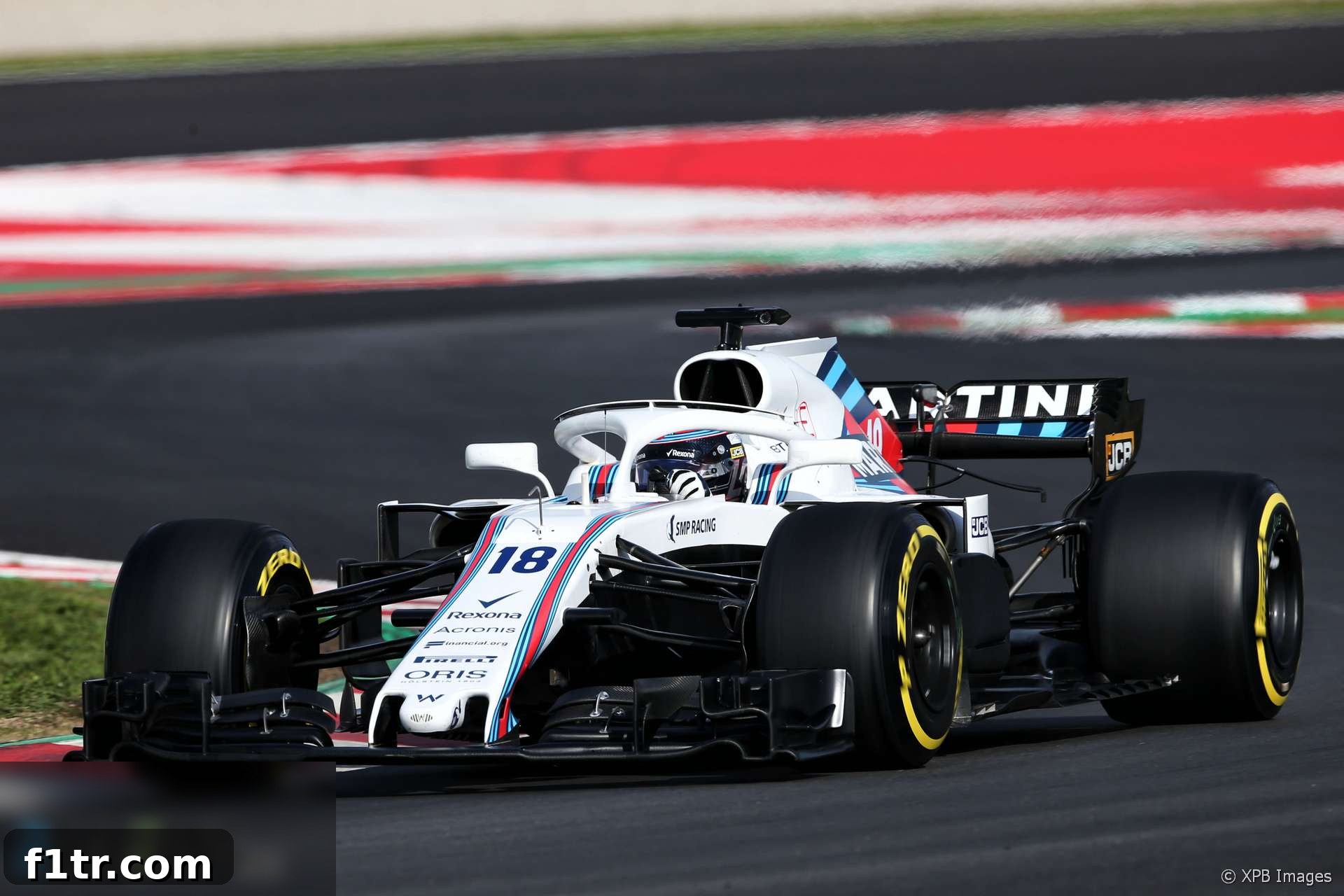
Williams F1 Reaffirms Unwavering Trust in Mercedes Engine Parity
The Williams Racing Formula 1 team has unequivocally dismissed any speculation regarding the performance parity of the power units it receives from Mercedes-AMG High Performance Powertrains (HPP). In a definitive statement, the Grove-based outfit asserted its complete confidence in the identical nature of its engines compared to those supplied to the Mercedes works team and other customers like Force India.
A formal declaration issued on behalf of then-Deputy Team Principal Claire Williams addressed recent media commentary directly, stating: “Contrary to comments made recently in the press, we refute any suggestion that we have questioned the parity of the power units provided by Mercedes-AMG HPP. Williams stands firm in its belief that the engines are precisely the same across all their clients, ensuring a level playing field from the engine supplier’s side.”
This strong rebuttal underscores the critical importance of trust and technical transparency in the intricate ecosystem of Formula 1. For a customer team like Williams, relying on an external manufacturer for its power unit, the assurance of identical hardware and software is paramount for competitive integrity and development. Williams further elaborated, expressing absolute certainty: “We are absolutely confident that the power units used by Mercedes, Force India, and ourselves are identical in terms of both hardware and software. This belief is not merely rhetorical but is founded on a deep understanding and close working relationship with our engine partner.”
The relationship between Williams and Mercedes is not just a commercial arrangement; it’s a strategic partnership that extends beyond the technical specifications of the power unit. “We have an excellent professional and personal relationship with Mercedes,” the statement continued, highlighting the collaborative spirit between the two entities. This robust relationship is vital for Williams as it navigates the highly competitive world of Formula 1, allowing the team to focus its energy on chassis development and race strategy rather than internal debates about engine performance discrepancies.
With the new Formula 1 season on the horizon and final preparations underway, Williams’ focus remained sharp. “Our focus is firmly on continuing the good work that we have started, as we prepare for the final test in Barcelona this week ahead of the new season,” the team concluded. This commitment reflects their dedication to maximizing their potential with the equipment they know is top-tier and fairly supplied.
The FIA’s Stance on Engine Parity: Ensuring a Level Playing Field
The context for such discussions around engine parity is deeply rooted in Formula 1’s regulatory framework. Ahead of the new season, the sport’s governing body, the FIA (Fédération Internationale de l’Automobile), had issued a significant directive concerning engine supply. This directive was designed to mitigate any potential for manufacturers to provide superior engines to their factory teams compared to their customer outfits, a concern that has periodically surfaced throughout F1 history.
The FIA’s mandate explicitly required engine manufacturers to ensure their power units “must be capable of being operated in precisely the same way” by their customers. This ruling was a proactive measure intended “to ensure that all power units supplied by one manufacturer are identical in all respects.” This includes not only the physical components (hardware) but also the intricate electronic mapping and control systems (software) that dictate engine performance, fuel consumption, and deployable power from energy recovery systems.
The implementation of this directive underscores the FIA’s commitment to maintaining a fair and equitable sporting contest. Without strict adherence to parity, customer teams would perpetually be at a disadvantage, potentially hindering their ability to compete and reducing the overall spectacle of the sport. It levels the playing field, ensuring that differences in performance primarily stem from chassis design, aerodynamic efficiency, driver skill, and team strategy, rather than an inherent disparity in power unit capability.
Why Engine Parity is Crucial for F1 Customer Teams
For customer teams like Williams, the assurance of engine parity from a top-tier supplier like Mercedes-AMG HPP is not just a regulatory compliance matter; it’s a fundamental pillar of their competitive strategy. An identical power unit allows the team’s engineers to extract maximum performance from the engine without second-guessing its capabilities or suspecting any deliberate limitations. This certainty enables more focused development work on the chassis, aerodynamics, and other areas where a customer team can truly differentiate itself.
Historically, F1 has seen periods where engine manufacturers might prioritize their factory teams, sometimes openly, sometimes subtly. This could manifest in slightly older specifications for customer engines, less development focus, or even restrictions on operational modes. Such scenarios create a significant disadvantage, as the power unit is arguably the single most critical component in modern F1 beyond the driver. The FIA’s regulations, and a supplier’s commitment to them, directly address these past issues, promoting greater transparency and trust.
Williams’ unwavering statement regarding Mercedes’ engines serves as a testament to the effectiveness of these regulations and Mercedes’ commitment to fair play. For a team with the rich heritage of Williams, aiming to climb back up the grid, having a reliable and equally powerful engine is non-negotiable. It provides the foundation upon which their aspirations for competitive success are built.
The Reputation of Mercedes-AMG HPP as an Engine Supplier
Mercedes-AMG HPP has long been regarded as one of Formula 1’s most formidable and technically advanced engine manufacturers. Based in Brixworth, UK, their facility has been at the forefront of power unit development, especially since the introduction of the V6 turbo-hybrid regulations in 2014. Their commitment to engineering excellence has not only propelled the Mercedes works team to multiple world championships but has also been beneficial to their customer teams.
The trust placed by Williams in Mercedes is a reflection of this reputation. Mercedes-AMG HPP has consistently aimed to provide their customer teams with power units that are identical in specification and performance to their own. This strategy not only demonstrates integrity but also helps in refining their product, as more engines running on the grid provide more data and feedback, ultimately benefiting all users.
Maintaining a strong relationship with customer teams is also a strategic advantage for Mercedes. It fosters a healthier ecosystem within the sport and can contribute to overall grid competitiveness, which is beneficial for F1 as a whole. Williams’ public affirmation of parity reinforces Mercedes’ standing as a fair and top-tier engine supplier, crucial in a sport where technical partnerships are key.
Looking Ahead: The Significance for Future F1 Seasons
The discussions around engine parity, and Williams’ definitive stance, highlight a continuing theme in Formula 1: the balance between proprietary technology and competitive fairness. As F1 evolves with new regulations and potentially new engine manufacturers, the principles of identical engine supply to customer teams will remain paramount.
Ensuring that customer teams are not disadvantaged will be key to attracting new entrants, promoting closer racing, and maintaining the integrity of the Constructors’ and Drivers’ Championships. Williams, as a long-standing independent team, has historically navigated these waters, and their confidence in Mercedes sets a high standard for how such relationships should function.
Ultimately, a fair engine supply allows every team on the grid, irrespective of their status as a factory or customer team, to unleash their full potential. This fosters innovation in chassis design and aerodynamics, encourages strategic risk-taking, and ultimately delivers a more exciting and unpredictable spectacle for fans worldwide. Williams’ statement not only clarified their position but also reinforced a vital principle for the future health of Formula 1.
Related Articles from the 2018 F1 Season and Beyond
- F1 feared “death knell” for Drive to Survive after Ferrari and Mercedes snub
- McLaren staff told us we were “totally crazy” to take Honda engines in 2018 – Tost
- ‘It doesn’t matter if we start last’: How Red Bull’s junior team aided Honda’s leap forward
- Honda’s jet division helped F1 engineers solve power unit problem
- McLaren Racing losses rise after Honda split
Browse all 2018 F1 season articles