In a significant development that has sent ripples across the motorsport world, two-time Formula 1 world champion Fernando Alonso is set to conduct his first test in an IndyCar utilizing the championship’s 2018 aero kit. This highly anticipated session follows Alonso’s recent confirmation that he will not return to Formula 1 next season, fueling intense speculation about a potential full-time switch to IndyCar. Such a move would bring him one step closer to achieving motorsport’s illustrious ‘Triple Crown’ by offering another shot at winning the Indianapolis 500.
Fernando Alonso’s Pivotal IndyCar Test Confirmed
The upcoming test is more than just a casual drive; it’s a critical evaluation for one of the most decorated drivers of his generation as he explores his future beyond Formula 1. The 2018 aero kit, which significantly standardized the car’s appearance and performance across all teams, presents a new challenge compared to the manufacturer-specific kits Alonso experienced during his Indy 500 debut in 2017. This test will allow Alonso to assess the car’s handling characteristics, aerodynamic nuances, and overall feel, providing crucial insights into the demands of contemporary IndyCar racing.
Scheduled to take place at a road course circuit in September, the timing of the test is strategically placed. With IndyCar races occurring over the next three consecutive weekends, it is highly probable that Alonso’s session will be slotted between the penultimate race of the year at Portland on September 2nd and the season finale at Sonoma on September 16th. This window allows him to immerse himself in the environment without conflicting with current race schedules, offering a dedicated opportunity to focus on the car and his adaptation.
The Allure of the Triple Crown: Indy 500 Ambitions
Fernando Alonso’s career has been defined by his relentless pursuit of new challenges and his quest for motorsport’s most prestigious accolades. Having already conquered two of the three legs of the Triple Crown – the Monaco Grand Prix (which he won twice) and the 24 Hours of Le Mans (victorious in his debut with Toyota Gazoo Racing) – the Indianapolis 500 remains the final jewel in his crown. His dramatic and highly competitive debut at the Indy 500 in 2017, where he led laps before an engine failure, only amplified his desire to win the iconic race. A full-time commitment to IndyCar would provide multiple opportunities to achieve this monumental feat, solidifying his place among motorsport legends like Graham Hill, the only driver to have completed the Triple Crown.
Beyond the personal ambition, Alonso’s potential entry into IndyCar would be a massive boost for the series. His global appeal, fierce competitiveness, and proven track record would undoubtedly draw significant attention and new audiences to American open-wheel racing. The narrative of an F1 icon chasing history resonates deeply with fans worldwide, offering a captivating storyline for seasons to come.
Navigating Team Dynamics and Engine Choices
A full-time transition to IndyCar for Fernando Alonso next year would likely involve intricate partnerships and strategic alliances. Several prominent teams and entities are reportedly in discussions, with McLaren, Andretti Autosport, and Harding Racing emerging as key players.
McLaren’s Expanding Motorsport Footprint
McLaren, Alonso’s long-time Formula 1 employer, has openly expressed its interest in expanding its motorsport portfolio beyond F1, with IndyCar being a primary target. A full-fledged McLaren entry, potentially with Alonso as their lead driver, would be a natural progression. This would leverage their existing relationship, marketing power, and engineering expertise, potentially creating a formidable new force in the IndyCar paddock.
Revisiting Andretti Autosport
Andretti Autosport holds a special place in Alonso’s IndyCar journey, having provided him with the competitive entry for his 2017 Indianapolis 500 debut. That experience, though ending prematurely, showcased the synergy between Alonso and the team. Rejoining Andretti, a powerhouse in the series, would offer a familiar environment and a proven path to success. However, any potential reunion would need to navigate the complexities of engine suppliers, a point that has been a significant talking point.
The Harding Racing Connection and Engine Strategy
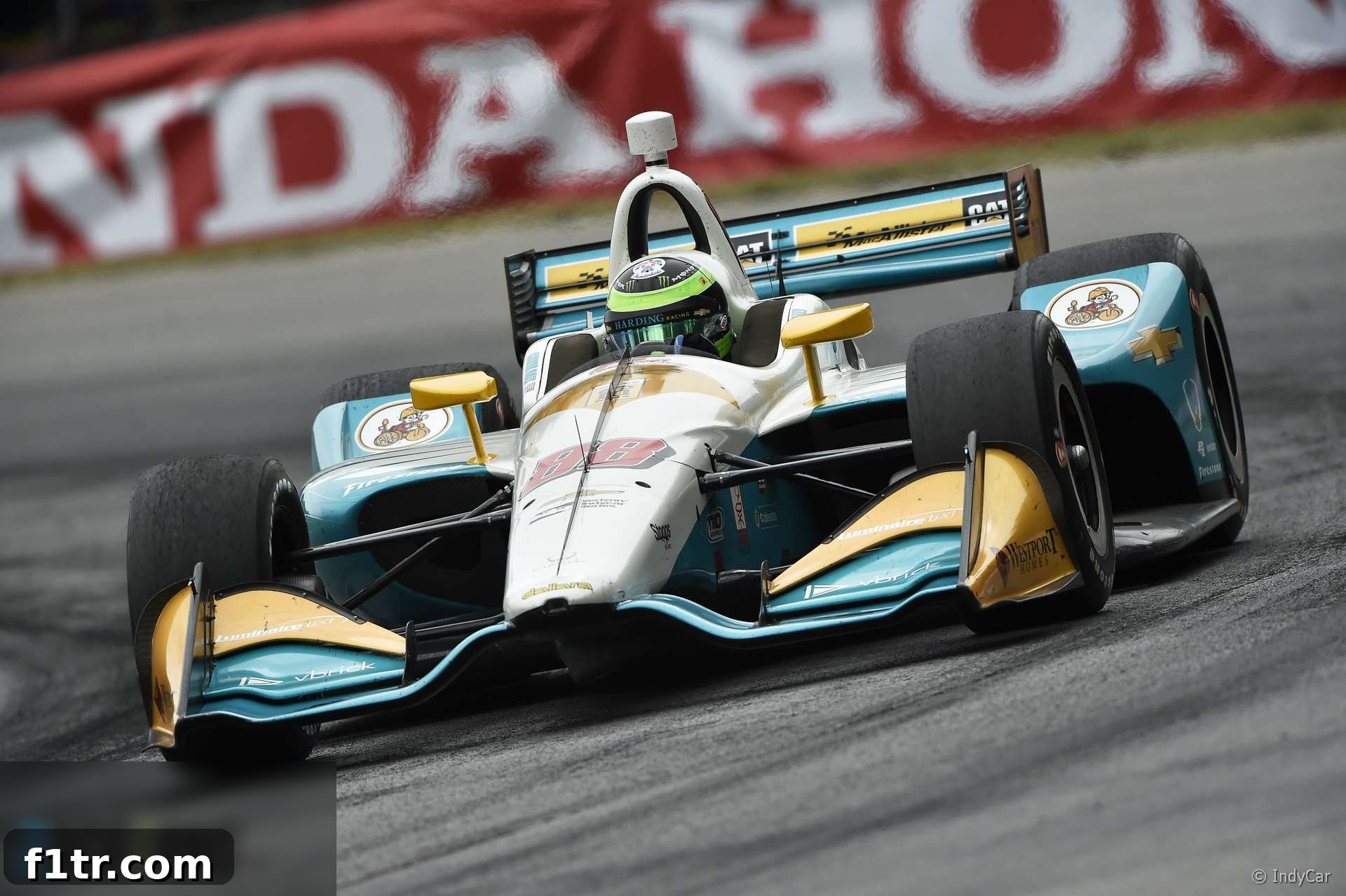
Intriguingly, reports from Brazilian media yesterday suggest a potential tie-up with Harding Racing, a newer entrant to the series. Harding, which has been running a single-car entry this year for drivers like Gabby Chaves and Conor Daly, could offer Alonso a unique proposition: the opportunity to race with Chevrolet engines. This distinction is crucial, as the rest of the Andretti team primarily utilizes Honda power units.
Alonso’s relationship with Honda during his second stint in Formula 1 with McLaren was famously fraught with reliability issues and a significant performance deficit. This strained partnership, often characterized by public frustration and memorable radio messages, left a lasting impression. While he did use Honda power during his one-off IndyCar appearance in 2017 without major incident, the prospect of aligning with Chevrolet could offer a fresh start and a psychological advantage, avoiding any lingering concerns from his F1 past.
Honda vs. Chevrolet: The Engine Battle in IndyCar
The choice between Honda and Chevrolet engines is not merely a matter of past grievances; it carries significant performance implications in IndyCar. This year, Honda has demonstrated strong competitiveness, securing eight victories to Chevrolet’s five. However, the Indianapolis Motor Speedway oval, the venue for the highly coveted Indy 500, tells a different story. Chevrolet-powered cars were notably dominant at Indianapolis, claiming the top four grid positions and finishing one-two in the race, with Penske’s Will Power taking the victory. This strong showing at the series’ most iconic race could heavily influence Alonso’s decision, especially given his primary objective of conquering the Indy 500.
The dynamics of engine performance vary across different types of circuits – ovals, road courses, and street circuits – making the strategic choice even more complex. A successful partnership would require an engine supplier that can deliver consistent performance across the diverse IndyCar calendar, particularly excelling at the critical oval races.
Future Schedule and WEC Commitments
While the 2019 IndyCar calendar has yet to be officially announced, a significant consideration for Alonso is his ongoing commitment to the World Endurance Championship (WEC). He is already scheduled to participate in three WEC races with Toyota. Fortunately, it is widely anticipated that the IndyCar schedule will be structured to avoid any direct clashes with these WEC commitments, allowing Alonso the flexibility to pursue both ventures concurrently. This careful planning underscores his desire to maintain a broad and ambitious racing portfolio, continuing to challenge himself across multiple disciplines at the highest level.
What a Full-Time IndyCar Move Means
Fernando Alonso’s potential full-time immersion into IndyCar represents a monumental shift not only for his illustrious career but also for the landscape of global motorsport. It signifies a unique chapter where a modern F1 legend actively seeks new challenges, demonstrating versatility and an unwavering passion for racing. For IndyCar, it would bring unprecedented international exposure, attracting new fans and potentially inspiring other top-tier drivers to consider the series. As the motorsport world watches with bated breath, this upcoming test marks the crucial first step in what could become one of the most compelling stories of the next racing season, bringing Fernando Alonso closer to sealing his legendary status with the elusive Triple Crown.