In the high-stakes world of Formula 1, strategic foresight and unwavering conviction can reshape the fortunes of an entire racing dynasty. Franz Tost, the venerable team principal of AlphaTauri (formerly Toro Rosso), stands as a testament to this truth, having orchestrated a pivotal transformation that catapulted Red Bull Racing to unprecedented success. Tost meticulously detailed his instrumental role in championing the development of Honda’s power units within the junior outfit, a bold initiative designed to rigorously prepare the engines for the senior Red Bull team. This audacious strategy, however, came with a clear understanding: it would prioritize aggressive performance enhancement, even at the temporary expense of reliability and incurring grid penalties.
Advert | Become a Supporter & go ad-free
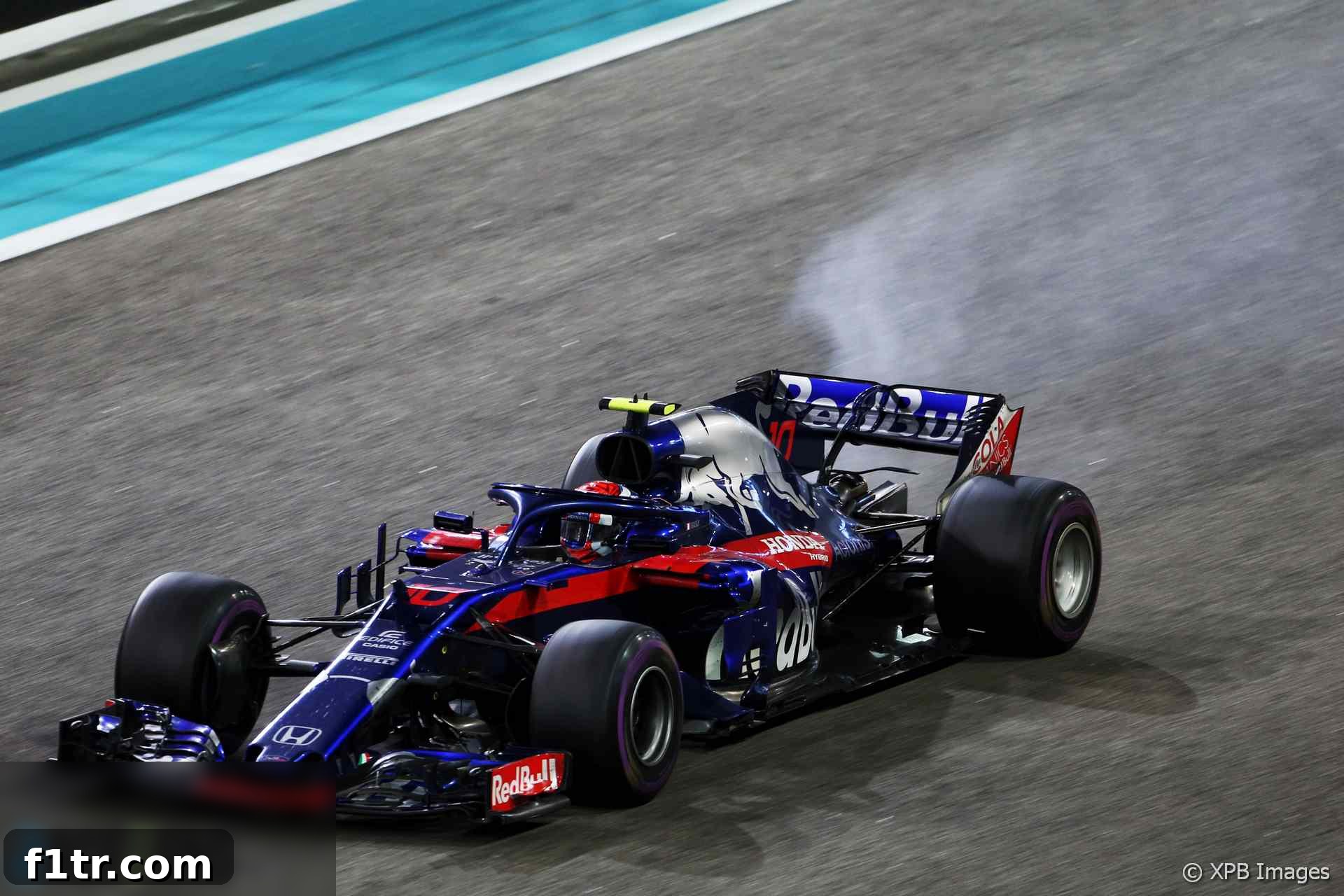
The narrative of Honda’s return to Formula 1 in 2015 was initially fraught with immense challenges. After three grueling seasons supplying McLaren from 2015 to 2017, which yielded dismal results and severe criticism, the Japanese manufacturer found itself at a crossroads. A potential deal to supply Sauber had even fallen through, underscoring the widespread skepticism surrounding Honda’s capabilities. Yet, amidst this backdrop of doubt, Franz Tost saw an opportunity, a hidden potential that others were quick to dismiss. His team, then known as Toro Rosso, made the decisive switch from Renault to Honda engines for the 2018 season, embarking on a collaborative journey that would fundamentally alter the F1 landscape.
The Genesis of a Strategic Partnership: Tost’s Unwavering Faith in Honda
The decision for Toro Rosso to adopt Honda power units for the 2018 season was met with considerable bewilderment across the Formula 1 paddock. Many questioned the wisdom of aligning with an engine manufacturer that had struggled so profoundly in its previous partnership. Franz Tost, however, harbored a profound and almost prescient belief in Honda’s underlying engineering prowess. “Before agreeing the deal for Toro Rosso to use Honda engines in 2018,” Tost recalled, “I simply could not believe that Honda is not able to build a power unit which can win in F1.” This conviction was not born out of naivety but from a long-standing observation and engagement.
Tost explained his enduring connection with the Japanese giant: “From 2014 onwards, I always kept in contact with Honda.” Despite witnessing their “difficult time together with McLaren,” Tost remained “100% convinced that with good co-operation, you can win with Honda.” This deep-seated conviction proved to be the cornerstone of a partnership that many thought was destined for failure. When the decision was finalized in 2017, Tost recounted the dismissive attitudes: “Many people in the paddock didn’t believe this decision. They said personally to me: ‘How can you decide to work together with this company? This will bring your team into big difficulties.’” Tost’s response was simple yet profound: “I just said to them ‘please, ask me in five years, then we will see what’s going on’.” His patience and foresight were about to be spectacularly validated.
A Model of Collaborative Development: Toro Rosso and Honda’s Synergy
The collaboration between Toro Rosso and Honda transcended a mere engine supply agreement; it evolved into a symbiotic technical partnership characterized by unparalleled openness and mutual trust. “We had from 2017 onwards fantastic co-operation with Honda,” Tost emphasized. This relationship was built on a foundation of transparent communication and relentless technical exchange. Engineers from both sides frequently traveled between Honda’s power unit development base in Sakura, Japan, and Toro Rosso’s factory in Faenza, Italy. This constant flow of expertise and information created a dynamic environment for rapid iteration and problem-solving.
This “very open business relationship and on the technical side there was a real, really cooperative collaboration” meant that issues could be addressed swiftly and solutions implemented efficiently. The integration of Honda engineers directly into the Toro Rosso operations, and vice versa, fostered a shared understanding of the challenges and goals. Tost firmly believed that this intensive, hands-on approach was the only way to unlock Honda’s full potential. The objective was clear: to transform a struggling power unit into a championship-contending engine, not just for Toro Rosso, but ultimately for its sister team, Red Bull Racing. “This good cooperation, and this good communication between both parties ended in winning the championship and winning races,” Tost proudly concluded, reflecting on the eventual triumph.
Advert | Become a RaceFans supporter andgo ad-free
The Vision Realized: From Toro Rosso to Red Bull’s Dominance
Tost’s conviction extended beyond mere belief; he made bold promises to Honda that they would achieve great things, not just with Toro Rosso, but with Red Bull Racing. “I promised Honda in those days that – not with Toro Rosso but with Red Bull Racing – they will win races and maybe also the championship,” he revealed. This prediction, made during a period of Honda’s severe struggles, has since been realized in spectacular fashion. Red Bull Racing has clinched two consecutive constructors’ titles, and their star driver, Max Verstappen, is on the verge of securing his third consecutive drivers’ championship, a testament to the power unit development forged in the crucible of Toro Rosso.
Tost asserted that this success “is what I expected from Honda.” Indeed, his team played an absolutely crucial role in Red Bull’s journey to securing a truly competitive engine, after years of frustration with their previous supplier, Renault. The focus was dual-pronged: addressing reliability issues while aggressively pursuing performance gains. “Reliability was one story, but the performance another one,” Tost noted. “And Honda during the winter months made a big step forward already.” However, the journey was far from over. Tost understood that to win championships, sustained, year-round development was paramount. “But we knew if they want to win the races and the world championship with Red Bull Racing, we have to develop the power unit all over the year. And this was decisive. That meant we had a reasonably good basis from the reliability side, but of course they had to improve the performance.”
The “Develop at All Costs” Mandate: Prioritizing Performance Over Penalties
The most radical aspect of Tost’s strategy was his unwavering insistence on an accelerated development program throughout the 2018 season. He directly urged Yasuaki Asaki, Honda’s esteemed head of power unit development, to push the boundaries, even if it meant frequently replacing engine components and incurring grid penalties. “I remember it was Asaki-san, I said to him ‘please bring to every race a new specification, a new upgrade, doesn’t matter if we have to start from the back’,” Tost recounted. “And this he did.”
Advert | Become a RaceFans supporter andgo ad-free
This aggressive development pace was a calculated risk. “We nearly got to every race a new upgrade, which meant we had to start from the back, but this was calculated,” Tost explained. The strategic thinking behind this was brilliant: by pushing the limits in the junior team, Honda could test new components and gather vital data in race conditions. The penalties incurred by Toro Rosso were deemed a small price to pay for the invaluable performance enhancements and reliability improvements that would benefit Red Bull Racing in the subsequent season. This relentless “development speed during 2018 made it possible to have such a good power unit then provided to the teams, to Red Bull Racing and to Scuderia Toro Rosso in 2019 and 2020.” The sacrifices made by Toro Rosso in 2018 directly paved the way for Red Bull’s championship aspirations.
True to the plan, Red Bull Racing officially switched to Honda engines for the 2019 season. The partnership quickly bore fruit, delivering their first victory together in just their ninth start. Toro Rosso’s foundational work with Honda was the indispensable catalyst. “It was the basis, because it was very clear that they have to improve the performance and the engineers in Sakura did really a very, very good job,” Tost affirmed. He noted the tangible progress: “Not so much at the beginning of 2018, but for sure at the end of 2018, and especially then 2019 when they recognised how correct and important our decision was to join Honda.”
Quantifying the Sacrifice: Penalties and Progress
The “develop at all costs” mandate was not without its tangible consequences, particularly in terms of grid penalties. Between 2018 and 2020, across 59 races, there were 17 instances where Honda-powered drivers from both Red Bull and Toro Rosso/AlphaTauri were relegated to the back of the grid for utilizing additional power unit elements. A significant portion of these, specifically nine instances, occurred during the critical 2018 season when Toro Rosso was the sole beneficiary and tester of the Honda engines. These penalties, while impacting individual race results for Toro Rosso, were a calculated investment in the long-term success of the Red Bull Racing program.
This systematic and aggressive development strategy did not go unnoticed by the senior team. “Red Bull observed the development steps in detail,” Tost confirmed. They meticulously tracked Honda’s progress, witnessing firsthand the dramatic improvements in both performance and nascent reliability. “Therefore it was important to develop the engine and to come up with a better performance from race to race.” The consistent upgrades, even when they triggered grid penalties, demonstrated Honda’s unwavering commitment and engineering capability. “This was at the end the decision differentiator for Red Bull Racing to go with Honda,” Tost concluded. “Because they saw, yes, Honda develops the power unit in the best possible way, and this is a partner which we can trust and which we can work together.” Franz Tost’s vision and the dedicated efforts of Toro Rosso provided Red Bull with the confidence and the engine platform they needed to become Formula 1’s dominant force.
Advert | Become a RaceFans supporter andgo ad-free
Further Insights into the 2023 F1 Season
- FIA president cleared of alleged interference in two 2023 races
- First week viewing figures for new Drive to Survive season fall again
- Max who? Drive to Survive season six prefers its favourite faces
- RaceFans’ complete 2023 season review
- The F1 drivers who pulled off the 10 biggest charges through the field in 2023
Browse all 2023 F1 season articles