Motorsport Divided: Ukraine’s Urgent Plea to the FIA Amidst Global Conflict
The world of international motorsport, often perceived as a realm of speed, competition, and technological prowess, has found itself irrevocably intertwined with geopolitical realities. In an unprecedented move that underscores the deep impact of global events on sports, Ukraine’s FIA-affiliated motor club has issued an urgent appeal to the governing body of world motorsport. Following the devastating outbreak of war with Russia, the Federation Automobile d’Ukraine (FAU) has called upon the Fédération Internationale de l’Automobile (FIA) to implement stringent measures, including blocking Russian and Belarusian competitors from participating in events and precluding the hosting of any FIA-sanctioned activities within their borders.
This dramatic plea comes as Russia’s full-scale invasion of its Western neighbor, Ukraine, has plunged the region into a humanitarian crisis and elicited widespread international condemnation. On Thursday morning, Russian troops entered Ukrainian territory, initiating a conflict that has had immediate and far-reaching consequences across political, economic, and social spheres globally. In response to this aggression, major world powers, including the United States, the European Union, the United Kingdom, and numerous other nations, have swiftly imposed comprehensive sanctions against Russia, targeting key sectors of its economy and individuals deemed complicit in the invasion. These sanctions aim to isolate Russia on the global stage, creating an environment where cultural and sporting ties are inevitably scrutinized and often severed.
Immediate Repercussions in Motorsport: Sanctions and Cancellations
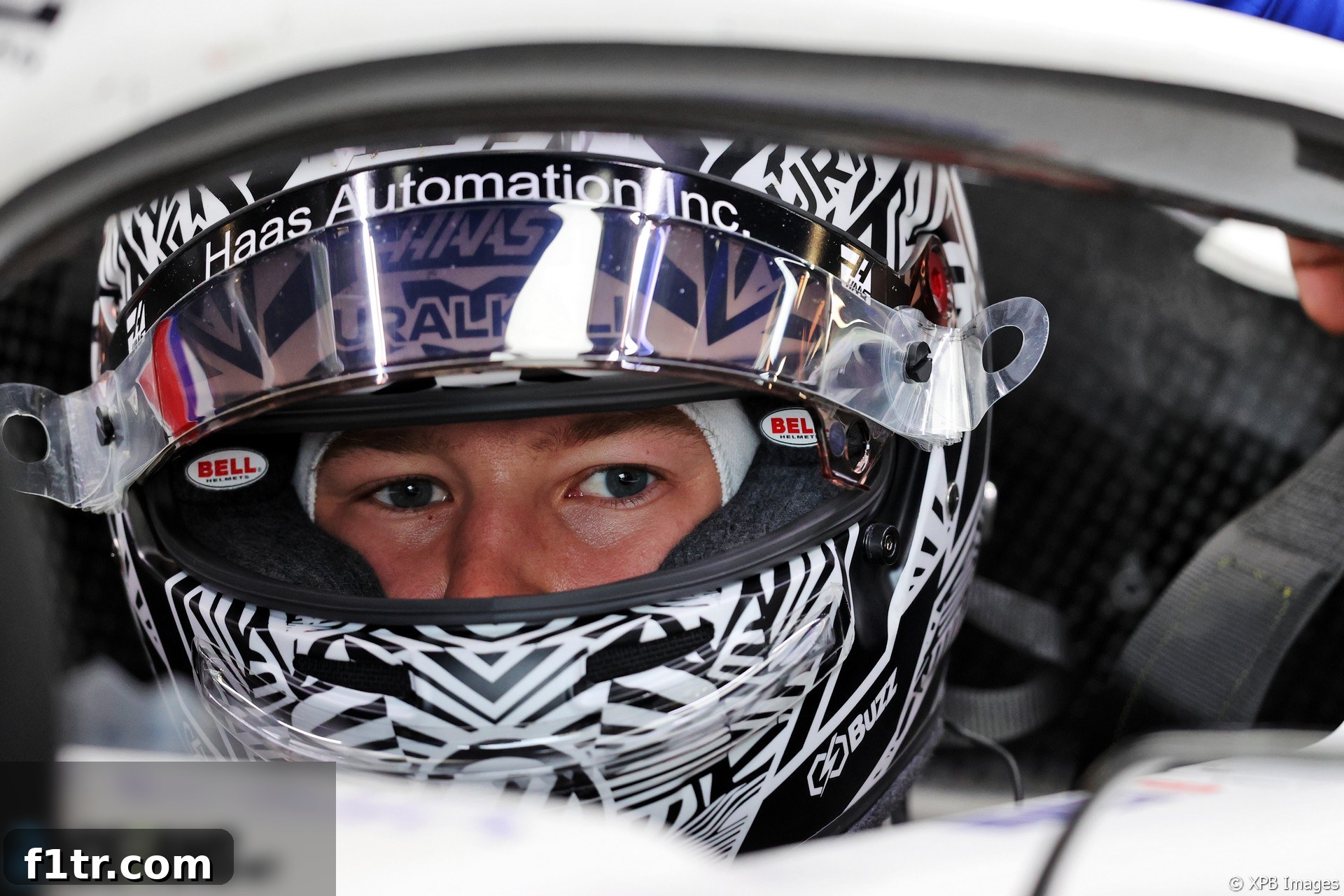
The motorsport community was quick to react to the escalating crisis. Last week, the FIA and Formula 1 made a pivotal announcement: the highly anticipated Russian Grand Prix, originally scheduled to take place at the Sochi Autodrom on September 25th, would not proceed as planned. This decision marked a significant turning point, signaling a broader stance against hosting sporting events in a nation engaged in active military conflict. Beyond the Grand Prix, the implications were also felt at the team level. Haas, a prominent Formula 1 team, took immediate action by removing the prominent logos of its title sponsor, Uralkali, a Russian fertilizer producer. Furthermore, the team stripped its cars, motorhome, and garage of the associated Russian color scheme, effectively distancing itself from Russian affiliations amidst the global outrage.
The gravity of the situation prompted a direct response from the highest echelons of motorsport governance. FIA President Mohammed Ben Sulayem reached out to the Federation Automobile d’Ukraine, expressing profound solidarity and offering unwavering support. In his letter on Thursday, Ben Sulayem assured the FAU, “you can be assured of my full support and that of the FIA. Please do not hesitate to contact me for any help you may need.” This message of support laid the groundwork for a formal appeal from the Ukrainian body, setting in motion a series of requests that would test the FIA’s commitment to its principles and its ability to navigate a complex ethical and political landscape.
FAU’s Comprehensive Appeal: Blocking Competitors and Events
In response to President Ben Sulayem’s overture, FAU President Leonid Kostyuchenko outlined a series of decisive actions that his organization urged the FIA to take against Russia and Belarus. Belarus, Russia’s staunch neighbor and ally, played a critical role in the initial stages of the invasion by serving as a launchpad for part of the military offensive. The FAU’s appeal was multifaceted and aimed at comprehensively isolating both nations from the global motorsport community.
Key among the FAU’s demands was the immediate exclusion of all members from Russia and Belarus from the FIA. This measure would effectively sever their official ties with the international governing body. Furthermore, the FAU called for a prohibition preventing license-holders from both countries from competing in any FIA-sanctioned events outside their national borders. Such a drastic step would have direct and significant consequences for individual athletes. Most notably, it would prevent Haas driver Nikita Mazepin, a Russian national, from continuing his Formula 1 career. The potential for such an outcome was not unforeseen, as Haas team principal Guenther Steiner had acknowledged the previous week that Mazepin’s position might be in jeopardy, opening the door for a possible replacement. This aspect of the FAU’s appeal brings into sharp focus the difficult ethical dilemma faced by sports organizations: balancing accountability for state actions with the careers of individual athletes who may not personally endorse those actions.
Beyond individual participation, the FAU also pressed the FIA to prohibit the display of any national symbols associated with what they termed the “aggressor countries” at any motorsport event. This would include flags, national anthems, and other identifying marks, ensuring a clear visual stance against the ongoing aggression. Moreover, the Ukrainian body urged the FIA to prevent Russia and Belarus from holding any official FIA events within their national borders or, significantly, within any occupied areas of Ukraine. This demand underscores a commitment to territorial integrity and sends a strong message that the FIA should not legitimize or operate within territories under unlawful occupation.
Broader Sporting World Reacts: Setting Precedents
The calls from the FAU and the subsequent actions by Formula 1 are not isolated incidents within the broader sporting world. Other FIA series and various international sports federations have followed suit, abandoning plans to hold races or events in Russia. On Saturday, the FIA World Touring Car Cup (WTCR) also announced the cancellation of its Russian event, demonstrating a united front across different disciplines of motorsport. Beyond motorsport, numerous other sports, including football (UEFA moving the Champions League final from St. Petersburg), ice hockey (IIHF suspending all Russian and Belarusian national and club teams), and athletics (World Athletics banning athletes), have taken similar measures. These actions reflect a growing global consensus that sports cannot operate in a vacuum, isolated from the ethical implications of major geopolitical conflicts. The principle of sports neutrality, long held sacrosanct, is being severely tested and re-evaluated in light of such grave events, pushing governing bodies to take moral stands that transcend traditional sporting mandates.
Resilience Amidst Adversity: The FAU’s Unyielding Spirit
The call for action from the Federation Automobile d’Ukraine is particularly poignant given the dire circumstances its staff members are facing daily. The FAU is headquartered in Kyiv, the capital of Ukraine, a city that has become a primary target in the Russian military advance. As Russian forces pressed towards Kyiv, civilians began fleeing the city in staggering numbers, seeking refuge from the relentless bombardments and the looming threat of urban warfare. Despite this extreme peril and the immediate danger to their lives and livelihoods, the FAU staff has demonstrated remarkable resilience and dedication.
As President Kostyuchenko conveyed to Ben Sulayem, “Despite the fact that Kyiv and most Ukrainian cities are under cruise and ballistic missile fire, there are casualties and civilian casualties, FAU staff continue to perform their duties online from their actual locations.” This statement paints a vivid picture of individuals committed to their mission, operating under conditions of immense stress and personal risk. Their ability to continue working, even remotely from war-torn regions, is a testament to their unwavering spirit and their determination to advocate for their country and its motorsport community. It also highlights the transformative power of remote work capabilities, enabling organizations to maintain operations even in the face of profound disruption.
Looking beyond the immediate conflict, the FAU is already planning for the future. Kostyuchenko elaborated on their forward-thinking approach, stating, “Given the current situation, the FAU is preparing a proposal for possible measures of support from the FIA for the postwar period, when all state resources will be directed to recovery.” This proactive stance underscores a profound hope for peace and a commitment to rebuilding. The FAU recognizes that once the hostilities cease, the nation will face monumental challenges in recovery and reconstruction. Their appeal for post-war support from the FIA signifies a strategic vision, aiming to ensure that motorsport, like other facets of Ukrainian society, can be revitalized and contribute to the national healing process. This long-term perspective is crucial, demonstrating that even amidst the chaos of war, there is a powerful drive to look forward and plan for a future of peace and normalcy.
The FIA’s Difficult Balancing Act and Future Implications
The FIA now faces an unenviable task: navigating a complex web of ethical obligations, sporting regulations, and geopolitical pressures. President Ben Sulayem’s initial message of support was clear, but the comprehensive nature of the FAU’s demands requires careful consideration and a potentially unprecedented response. The decisions made by the FIA will not only impact the immediate future of Russian and Belarusian participation in motorsport but will also set critical precedents for how international sporting bodies address conflicts of this magnitude going forward. Balancing the desire to uphold the integrity and perceived neutrality of sport with the moral imperative to condemn aggression and support humanitarian causes is a delicate act.
Should the FIA fully endorse the FAU’s requests, the ramifications for Russian and Belarusian motorsport would be severe and immediate. Drivers, teams, and national federations would face complete isolation from international competition. This would undoubtedly spark debate about collective punishment versus individual accountability, a discussion that has already been prominent in other sports. Conversely, a rejection or a watered-down response might be perceived as a failure to stand in solidarity with Ukraine, potentially drawing criticism from national motorsport bodies, athletes, and the public alike. The FIA’s forthcoming decision will therefore be scrutinized not just by the motorsport community, but by a wider global audience attuned to the intersection of sport and politics.
Conclusion: Motorsport at a Crossroads
The crisis in Ukraine has brought motorsport to a critical crossroads, forcing it to confront its role and responsibilities in a world grappling with conflict. The urgent appeal from Ukraine’s motor club to the FIA is more than a request for sporting sanctions; it is a profound cry for solidarity and a testament to the fact that even in the most specialized arenas, the impact of war resonates deeply. The cancellation of the Russian Grand Prix and the actions taken by teams like Haas represent the immediate reverberations, but the FAU’s comprehensive demands signify a potential paradigm shift in how international sports federations operate.
As the conflict continues, the world watches to see how the FIA, along with other global sporting bodies, will respond to these unprecedented challenges. The decisions made today will shape the landscape of international motorsport for years to come, influencing future policies regarding athlete participation, event hosting, and the very definition of sport’s engagement with global politics. Beyond the roar of engines and the pursuit of championships, the focus remains firmly on human lives, peace, and the hope for a swift resolution that allows nations like Ukraine to begin the arduous journey of recovery and rebuilding.