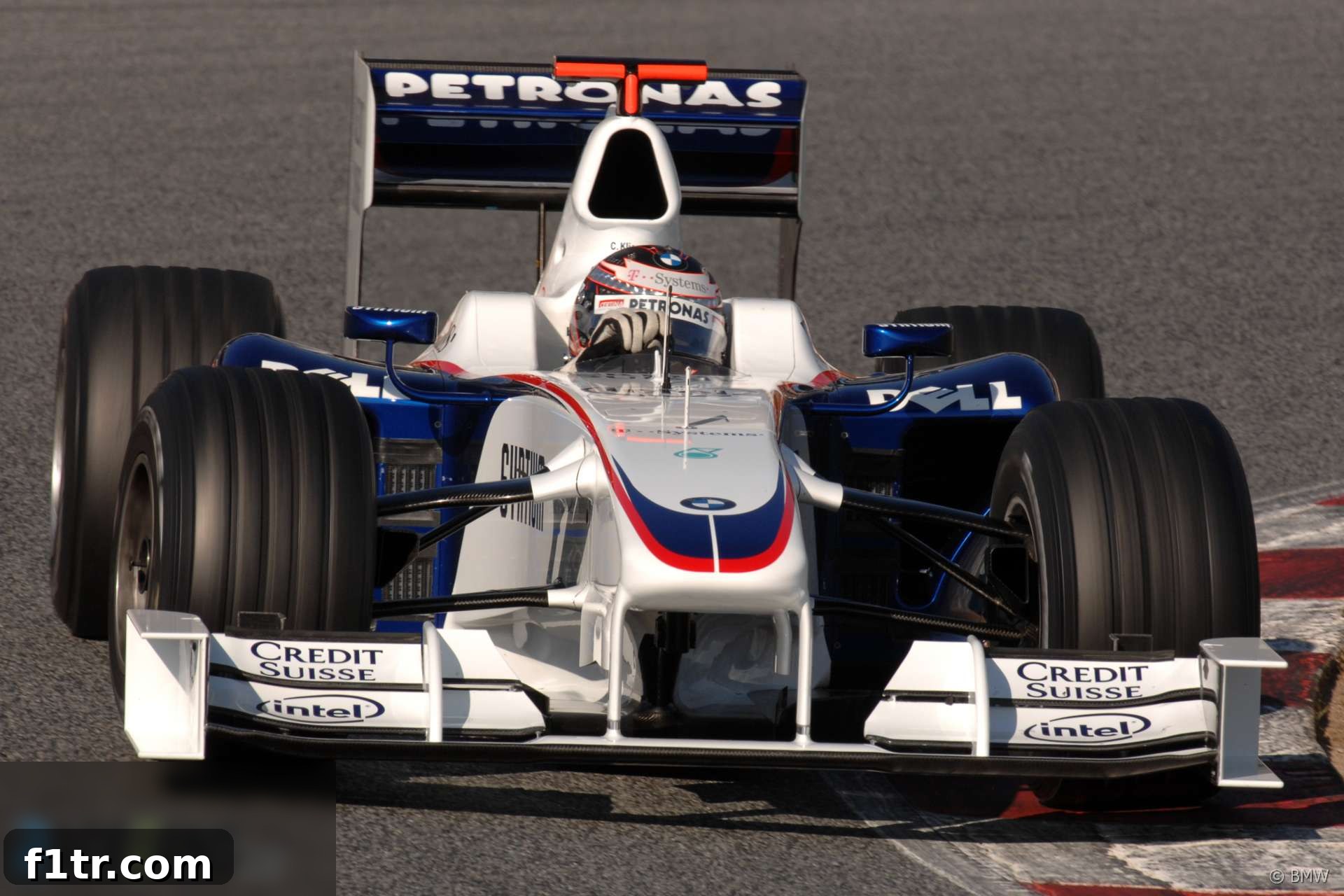
The anticipation leading up to the 2019 F1 season was palpable, particularly concerning the radical new front wing designs. Engineered with a specific mission to enhance overtaking and inject more dynamism into wheel-to-wheel racing, these aerodynamic overhauls promised a significant shift in the sport’s visual and functional landscape. As teams geared up for crucial tests at the Hungaroring, the motorsport world eagerly awaited the first real-world glimpses of these innovative, and in some aspects, controversial, components.
A core objective of the new regulations was to simplify the complex front wing structures that had evolved over years, specifically targeting the reduction of the ‘outwash’ effect. Pre-2019 designs, while aerodynamically masterful, generated turbulent air that made it exceedingly difficult for following cars to maintain downforce, thus hindering overtaking. The FIA’s mandate for a simpler, less intricate design aimed to create cleaner air for cars trailing, theoretically opening the door for more thrilling on-track battles. Force India, for example, was among the teams poised to run an early development version of this new wing, eager to gather critical data on its performance and behavior.
Advert | Become a Supporter & go ad-free
Beyond the functional modifications, the most immediately noticeable change to the 2019 front wings was their substantial increase in width. These new designs were engineered to span the entire two-metre width of the car, aligning almost perfectly with the outermost edges of the front tires. While this dimension was part of the overarching aerodynamic strategy, influencing how airflow interacted with the tires and underbody, it was also the primary source of an aesthetic debate that quickly permeated the F1 paddock and fan community, challenging conventional notions of F1 car design.
The visual impact of these wider wings was not universally applauded. Andrew Green, the highly respected technical director at Force India, articulated a sentiment shared by many observers. In an exclusive interview, he unequivocally stated, “I think aesthetically it just looks wrong.” This forthright assessment from a leading technical figure underscored a palpable tension between the engineering directives aimed at improving racing and the subjective appreciation of what constitutes a ‘beautiful’ or traditional Formula 1 car. For Green and others, the sheer breadth of the new front wings seemed to disrupt the sleek, aggressive profile that had long defined the pinnacle of motorsport, sparking concerns about the sport’s iconic visual identity.
Intriguingly, the debate surrounding wide front wings and their aesthetic impact was not unprecedented in Formula 1 history. Exactly a decade prior, for the 2009 F1 season, the sport underwent a similar aerodynamic paradigm shift that also saw the introduction of full-width front wings. BMW Sauber was one of the first teams to publicly showcase and test this new configuration towards the end of the 2008 season, offering the world a sneak peek into the future of F1 design. Much like their 2019 counterparts, these 2009 designs immediately ignited discussions about their visual proportionality, with many critics deeming them somewhat ungainly and disproportionate to the rest of the car. Despite these initial aesthetic misgivings, the wider wings remained a fixture for several seasons, illustrating a historical precedence where regulatory priorities for performance or racing often temporarily overshadowed design preferences.
It wasn’t until the comprehensive rule changes enacted for the 2014 season that these full-width front wings were ultimately scaled back, reducing their span to bring them more in line with the car’s main bodywork. This historical context offers a valuable lens through which to view the 2019 predicament. Paddy Lowe, who at the time served as Williams’ chief technical officer and possesses extensive experience in F1’s regulatory landscape, provided a candid retrospective on the 2009 decision-making process. He explained that the Overtaking Working Group (OWG), which was responsible for crafting those regulations, operated under time constraints that unfortunately led to certain “details” not receiving adequate consideration. “It was one of the areas that was made by the [Overtaking Working Group] just in the time available that detail didn’t get considered,” Lowe revealed. He openly conceded, “We should have brought it in[wards] just aesthetically a tiny amount which was then done in ’14.” This admission highlighted a potential oversight in the original design brief, where the functional imperative to improve overtaking inadvertently eclipsed aesthetic considerations. The subsequent adjustment in 2014 served as a tacit acknowledgment that the visual design had indeed been less than ideal.
With the 2019 regulations effectively reintroducing the wide wing mandate of 2009, Lowe’s concern about repeating past errors was palpable. He voiced his apprehension that Formula 1 was, regrettably, making the same design mistake a decade later. “I think the same mistake’s been made again, unfortunately,” he lamented. This insightful observation from a highly experienced industry insider underscored the cyclical nature of regulatory challenges and the sport’s perennial struggle to strike a harmonious balance between performance, safety, and visual appeal. However, Lowe also introduced a crucial nuance to his critique. He clarified that, fundamentally, the issue was “only an aesthetic thing.” This distinction is paramount in the high-stakes environment of Formula 1. While aesthetics are undoubtedly significant for brand perception and fan engagement, they typically do not carry the same critical weight as safety concerns or fundamental performance flaws that could genuinely compromise competition or endanger drivers. “I think if it had been really problematic we’d have changed it a lot quicker than five years,” he added, referencing the period from 2009 to 2013 during which the initial wide wings remained in place. This perspective suggested that while the visual aspect might be imperfect, the underlying aerodynamic intent and functional safety of the wider wings were not fundamentally flawed enough to warrant an immediate regulatory rethink. It highlighted the governing body’s willingness to prioritize the potential for improved racing dynamics over immediate aesthetic preferences, betting that fans would ultimately embrace a slightly different look if it delivered more exhilarating action.
The post-race test at the Hungaroring was far from a mere formality; it represented a critical and arguably the last significant window for teams to conduct early development work on their 2019 components before the intensive winter development phase. Paddy Lowe confirmed that Williams, mirroring the strategies of many of its rivals, would dedicate substantial track time to “doing some experiments around next year’s rules.” This involved meticulously gathering aerodynamic data, assessing the structural integrity of the new wing designs, and understanding their practical implications in a dynamic, real-world track environment. The timing of this test was particularly strategic. As Lowe emphasized, it was “the last opportunity in certain areas to do that” before teams committed fully to their 2019 car designs. These early tests are invaluable for validating complex Computational Fluid Dynamics (CFD) simulations and intricate wind tunnel data against actual track performance, enabling engineers to identify and address potential issues or unexpected behaviors long before the final car designs are finalized. Lowe’s belief that “I think everyone else will probably be doing a similar thing” underscored the intense competitive imperative for every team to maximize this limited pre-season development window. The insights gleaned from these rigorous tests would undoubtedly play a pivotal role in shaping the design direction and strategic allocation of resources for the crucial months leading up to the new season, potentially offering early participants a valuable competitive edge.
Despite the widespread enthusiasm for early 2019 development, not all teams adopted the same approach for the Hungaroring test. Renault, for instance, publicly announced its decision not to test a 2019-style front wing during this specific session. This strategic choice could have been influenced by a variety of factors: perhaps their internal development timeline diverged, prioritizing current-season objectives, or they might have felt their advanced simulation tools provided sufficient data without immediate physical testing. Similarly, Haas F1 Team opted not to attend the test whatsoever. Such decisions are often driven by a complex interplay of logistical considerations, significant cost implications, or a strategic allocation of finite resources. Smaller, independent teams, in particular, must carefully weigh the tangible benefits of early track testing against the substantial financial and operational overheads involved. While foregoing an opportunity for immediate on-track data, these teams might rely more heavily on sophisticated simulation and wind tunnel analysis, or simply choose to bide their time until closer to the 2019 season to unveil and introduce their final designs. This divergence in team strategies underscored the diverse operational philosophies, resource capacities, and strategic priorities that are inherently present within the intensely competitive Formula 1 paddock.
The continuous evolution of Formula 1 regulations, particularly in the realm of aerodynamics, remains a defining characteristic of the sport. Every few years, the FIA, in close collaboration with F1 management and participating teams, strives to refine the rulebook to achieve a multitude of objectives. These goals range from enhancing driver safety and managing escalating costs to promoting environmental sustainability and, most crucially, improving the spectacle and competitiveness of racing. The 2019 front wing regulations serve as a prime example of the latter, representing a bold attempt to address longstanding concerns about the difficulty of overtaking in modern F1. The relentless quest for better, more exciting racing is an ongoing narrative, frequently necessitating complex compromises between pure performance metrics, the scope of engineering freedom, and the subjective ‘look’ and appeal of the cars. The introduction of simplified aerodynamics was a direct and proactive response to years of increasingly convoluted aero devices that, while pushing the boundaries of engineering ingenuity, ultimately contributed to the ‘dirty air’ problem that hampered close-quarters racing. This delicate and often challenging balancing act is a constant endeavor for the sport’s lawmakers, who must meticulously navigate the intricate interplay of competitive advantage, technological innovation, and universal fan appeal. The 2019 changes were not isolated incidents but rather an integral part of a broader, iterative process of regulation development, with each cycle aiming to address perceived shortcomings and propel the sport forward, even if it entails revisiting past design debates and embracing a temporary shift in aesthetic norms.
As the curtain drew back on the 2019 F1 season, it promised to be a particularly fascinating chapter in the sport’s storied history, largely propelled by the profound changes introduced to the front wing regulations. While the primary impetus behind these modifications was the undeniably laudable goal of enhancing overtaking and enriching the racing spectacle, the immediate aesthetic impact had, predictably, reignited a familiar and spirited debate. The concerns eloquently voiced by seasoned professionals such as Andrew Green and Paddy Lowe, especially when recalling the similar aesthetic controversies that surrounded the 2009 season, vividly highlighted the inherent and often challenging tension between functional engineering brilliance and subjective visual design within Formula 1. The crucial development tests at the Hungaroring offered the very first tangible evidence of these audacious new designs in action, providing invaluable real-world data that would undoubtedly shape the trajectory of car development for the entire upcoming season. As teams meticulously gathered insights, refined their aerodynamic approaches, and prepared their challengers, the wider F1 community awaited with a mixture of anticipation and curiosity to discover whether these bold regulatory gambits would ultimately deliver on their grand promise: more thrilling, genuine wheel-to-wheel racing, even if it meant a temporary, or perhaps permanent, adjustment to what constitutes a ‘beautiful’ or traditional F1 car. Ultimately, only time, and the unfolding drama of the racing itself, would definitively reveal if the aesthetic compromises were truly justified by an undeniable increase in on-track excitement.
Advert | Become a RaceFans supporter andgo ad-free
2018 F1 season
- F1 feared “death knell” for Drive to Survive after Ferrari and Mercedes snub
- McLaren staff told us we were “totally crazy” to take Honda engines in 2018 – Tost
- ‘It doesn’t matter if we start last’: How Red Bull’s junior team aided Honda’s leap forward
- Honda’s jet division helped F1 engineers solve power unit problem
- McLaren Racing losses rise after Honda split
Browse all 2018 F1 season articles