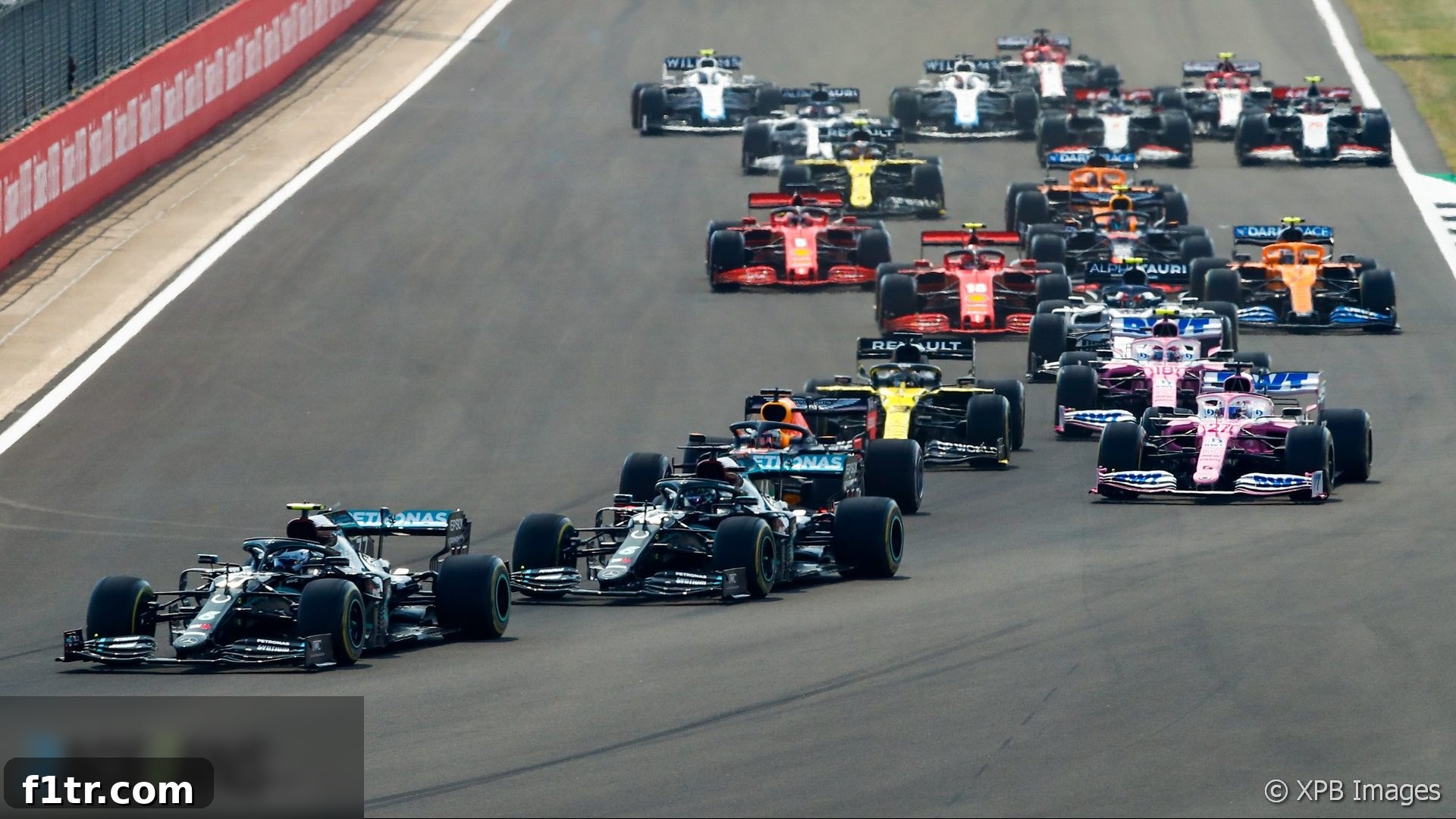
Ferrari team principal Mattia Binotto expressed strong confidence that Formula 1 was on track to introduce its innovative Sprint Qualifying format during the current season, despite critical aspects of the new race weekend structure remaining unfinalized. This groundbreaking proposal aimed to inject new excitement into three selected Grand Prix weekends, fundamentally altering the traditional F1 schedule and offering a fresh spectacle for fans worldwide. The discussions around this radical shift highlighted Formula 1’s continuous pursuit of evolution, seeking to enhance the racing product and attract a broader audience while navigating the complex interests of its ten competing teams.
Advert | Become a Supporter & go ad-free
Formula 1’s Bold Vision: The Genesis of Sprint Qualifying
The concept of holding additional sprint races on Saturdays had been circulating within Formula 1 circles, with early reports by RaceFans in February confirming the sport’s intent. However, over a month after these initial revelations, and with the inaugural race of the new season looming just two weeks away, Formula 1 teams were still locked in negotiations, striving to reach consensus on several crucial components of the proposed format. This situation underscored the inherent challenges of implementing significant changes in a sport as technically intricate and competitively intense as Formula 1, where every rule alteration can have profound implications for performance, strategy, and budget.
Formula 1’s desire to experiment with Sprint Qualifying at three rounds of the World Championship was a clear signal of its commitment to innovation. The British Grand Prix at Silverstone, the Italian Grand Prix at Monza, and the Brazilian Grand Prix at Interlagos were widely understood to be the preferred venues for these trials. These iconic circuits, known for their rich history and often dramatic racing, were deemed ideal testbeds for the new format, offering a blend of high-speed sections and challenging corners that could showcase the sprint race’s potential. For the initiative to proceed, the comprehensive final proposal required formal approval through a vote by the influential F1 Commission, a body comprising representatives from the FIA, Formula 1 Management, and all the participating teams.
Unpacking the Sprint Qualifying Format: What We Knew
The Sprint Qualifying proposal, even in its unfinalized state, represented a radical departure from the long-standing Grand Prix weekend structure. A key element that had largely been agreed upon was the awarding of championship points. It was anticipated that the top three finishers in the Saturday sprint races would receive points, creating an additional layer of competition and strategic depth. While the exact distribution was still under discussion, the introduction of these supplementary points meant that the three chosen Grand Prix weekends could potentially award a maximum of 29 points to a winning driver (assuming they won both the sprint and the main race, and secured the fastest lap point in the main race), in contrast to the standard maximum of 26 points available at other traditional race weekends. This increase in potential points could significantly influence championship standings, adding further incentive for drivers and teams to push hard in the sprint events.
Under the proposed schedule, Friday would feature a single practice session followed by a traditional qualifying session, which would determine the grid for Saturday’s Sprint Qualifying race. The results of the Sprint Qualifying race, in turn, would then establish the starting grid for the main Grand Prix on Sunday. This structure aimed to provide meaningful competitive action on all three days of the race weekend, transforming Friday from a purely practice-oriented day into one with high stakes. The 100-kilometer sprint race itself was designed to be a flat-out dash, with minimal strategy options, focusing purely on raw pace and close wheel-to-wheel combat. The intention was to deliver a short, sharp burst of racing excitement that would complement the strategic complexities and endurance challenge of Sunday’s main event.
The Outstanding Hurdles: Key Details Yet to Be Resolved
Despite the broad conceptual agreement, several critical details of the format remained fiercely debated and unresolved. These outstanding areas of discussion were not merely technicalities; they held significant implications for racing integrity, team strategies, and financial management. Among the most prominent sticking points were:
- Tyre Compound Restrictions: The management of tyres is a cornerstone of Formula 1 strategy. Introducing a sprint race meant reconsidering how tyre allocations and usage rules would apply across the extended competitive weekend. Would teams have free choice of compounds for the sprint? Would they be restricted to specific types? How would tyre wear and availability in the sprint race impact their strategy for Sunday’s main Grand Prix, which still demanded careful tyre management over a much longer distance? These questions were vital for ensuring fair play and preventing unintended strategic advantages or disadvantages.
- DRS (Drag Reduction System) Rules: The use of DRS, designed to aid overtaking, is carefully regulated in standard Grand Prix races. Its application in a shorter, more intense sprint race required specific clarification. Would DRS be immediately available? Would the usual time and distance activation rules apply? The aim was to promote exciting overtaking maneuvers without making it too easy or artificial, thereby preserving the integrity of racing.
- Impact on ‘Parc Fermé’ Rules: Perhaps one of the most contentious issues revolved around the ‘Parc Fermé’ regulations. Under normal circumstances, after qualifying, teams are severely restricted in the changes they can make to their cars before the race. The introduction of a Saturday sprint race raised serious questions about how this rule would apply. What if a car sustained damage in the sprint? How much latitude would teams have to repair or adjust their cars between the sprint and the main race without incurring penalties or compromising the level playing field? Relaxing Parc Fermé too much could lead to excessive development or strategic setup changes, while too strict an application could penalize teams for unavoidable racing incidents. Furthermore, the financial implications of potential damage and increased repair work within the stringent budget cap were a major concern for many teams, especially the smaller outfits.
Team Reactions: A Blend of Support and Practical Concerns
Leading figures within the sport offered their perspectives, providing a glimpse into the ongoing dialogue. Mattia Binotto, the team principal of Ferrari, conveyed a sense of optimism following a meeting between teams and F1 management regarding the plans. He firmly believed that the outstanding issues would not derail the introduction of Sprint Qualifying this year.
“We are obviously happy to support the concept,” Binotto stated, reflecting Ferrari’s willingness to embrace innovation. “There are still a few details that need to be addressed, which we are discussing and working on, but I don’t think they will be stoppers. So it’s only a matter of finalising the proposal in all aspects. But we are really working on those and hopefully in the next few days it can be announced.” His words indicated that while negotiations were robust, there was a fundamental agreement on the principle, and the remaining hurdles were perceived as surmountable technicalities rather than fundamental disagreements.
Echoing this sentiment, Williams team principal Simon Roberts also confirmed his team’s support for the new format. “We’ve certainly been working closely – and I think other teams have as well – with Formula 1,” Roberts added, highlighting the collaborative effort across the paddock. “I think most of the technical stuff is pretty much there. And it was a positive meeting. We just wait and see what happens next.” Williams’s perspective, often representing the concerns of smaller, independent teams, suggested that the core technical framework for the sprint races was largely in place, leaving the final details to be ironed out. Their support was crucial, as financial implications and resource demands typically weigh more heavily on teams with more constrained budgets.
Advert | Become a RaceFans supporter andgo ad-free
The Broader Impact: Enhancing the F1 Spectacle
The introduction of Sprint Qualifying was not just about adding another race; it was about reimagining the entire Formula 1 Grand Prix weekend. Proponents argued that it would deliver more competitive action, increase fan engagement, and provide greater value for money for spectators attending the events. By making Friday’s qualifying more meaningful and adding a standalone race on Saturday, F1 aimed to capture the attention of a wider audience throughout the weekend, moving beyond the traditional focus solely on Sunday’s main event. The potential for more championship points on offer also promised to intensify rivalries and add more strategic considerations throughout the season.
However, the proposal was not without its critics. Concerns were raised about the potential dilution of the prestige of the main Grand Prix, with some purists fearing that an additional race might diminish the unique allure of Sunday’s feature event. Questions were also posed regarding the impact on driver fatigue, potential for increased incidents leading to grid penalties for Sunday, and the overall narrative flow of the weekend. The balance between maintaining tradition and embracing innovation was a delicate one, and Formula 1 was treading carefully to ensure that any changes genuinely enhanced the sport without compromising its fundamental appeal.
The Road Ahead for F1 Sprint Qualifying
As the clock ticked down to the start of the 2021 Formula 1 season, the urgency to finalize the Sprint Qualifying format intensified. The positive discussions reported by key team principals like Binotto and Roberts offered a hopeful sign that the remaining technical and sporting intricacies would be resolved swiftly. The F1 Commission’s impending vote was the final hurdle, a crucial step that would either greenlight a bold new chapter for Formula 1 or send the proposal back for further revisions. The success of this trial would not only determine the future of sprint races but also serve as a barometer for Formula 1’s willingness and ability to adapt and innovate in an ever-changing global sports landscape. Ultimately, the aim was to create a more dynamic, engaging, and thrilling experience for drivers, teams, and, most importantly, the millions of fans who follow the pinnacle of motorsport around the world.
2021 F1 Season Insights
Here are some related articles and insights from the 2021 F1 season:
- Masi ‘basically gifted the championship’ to Verstappen says 2021 FIA steward Sullivan
- Las Vegas race backers looking to extend F1 deal beyond 2025
- Why Mercedes put ‘a reminder of joy and pain’ on display in their factory lobby
- Verdict on error in GT race suggests Mercedes would have lost 2021 Abu Dhabi GP appeal
- Title ‘stolen’ from Mercedes made us ‘underdogs people cheer for’ – Wolff
Browse all 2021 F1 season articles