Australian Grand Prix Cancellation: A Second Year of Disappointment for F1 Fans
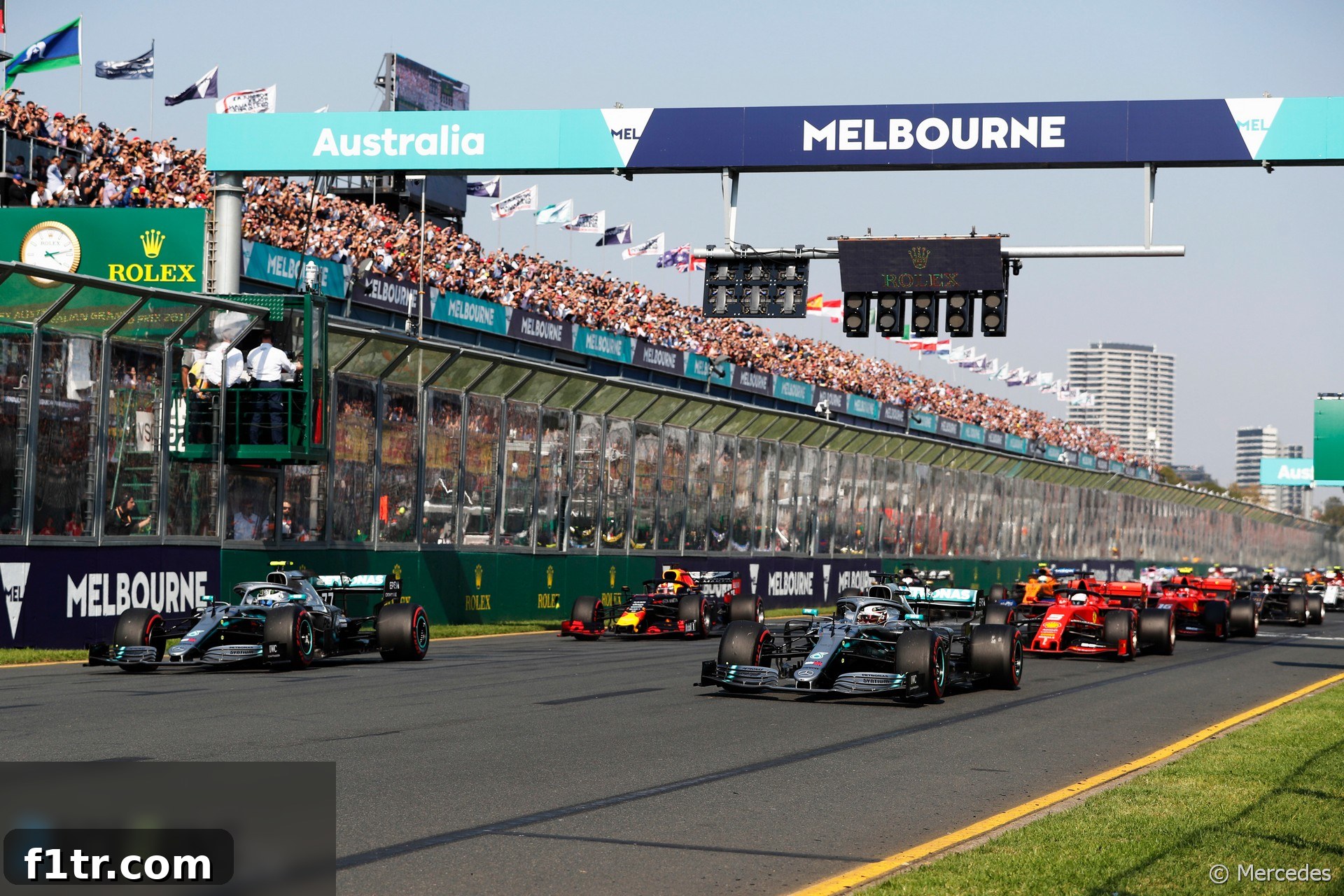
For the second consecutive year, the roar of Formula 1 engines will not echo through Melbourne’s iconic Albert Park circuit, as the Australian Grand Prix has been officially cancelled. This decision marks another significant blow to the 2021 Formula 1 calendar, highlighting the persistent challenges posed by the global Covid-19 pandemic and strict international travel restrictions. The race, originally slated for March 14th and then optimistically rescheduled to November 21st, ultimately succumbed to the logistical complexities and public health concerns.
Advert | Become a Supporter & go ad-free
The Unfolding Saga: Why Melbourne’s F1 Race Was Called Off Again
The journey to the 2021 Australian Grand Prix was fraught with uncertainty from the outset. Initially postponed from its traditional season-opening slot in March, race organisers and Formula 1 management worked tirelessly to find a viable alternative, settling on a November date. This rescheduling was a testament to the collective desire to bring F1 back to Australia, a country renowned for its passionate motorsport fanbase and vibrant Grand Prix atmosphere. However, the rapidly evolving global health landscape and stringent governmental policies proved insurmountable.
The final blow came with the confirmation from the Victorian government regarding the event’s cancellation. A major contributing factor was the recent announcement by the federal government to halve the number of international arrivals permitted into Australia. This drastic measure, implemented to safeguard public health, created an almost impossible logistical hurdle for Formula 1, which relies on the seamless movement of thousands of personnel, sensitive equipment, and high-value vehicles across borders. The prospect of mandatory quarantines for all F1 staff, combined with strict travel bubbles and other health protocols, made hosting an event of this magnitude unfeasible under the prevailing conditions. The unfortunate trend also extended to two-wheeled racing, with Moto GP’s race at the Phillip Island circuit in October also facing cancellation.
F1’s Resilience: Finding a Replacement and Pushing for a 23-Race Season
The cancellation of the Australian Grand Prix leaves a significant void as what was intended to be the 21st round on the 2021 F1 calendar. Despite this setback, Formula 1 management has reiterated its commitment to delivering a robust championship season. In an official statement, the championship expressed its disappointment but maintained confidence in achieving a full 23-race schedule for 2021.
“While it is disappointing we won’t be racing in Australia this season, we are confident we can deliver a 23-race season in 2021,” Formula 1 stated. “We have a number of options to take forward to replace the place left vacant by the Australian Grand Prix. We will be working through the details of those options in the coming weeks and will provide further updates once those discussions are concluded.” This proactive approach highlights F1’s remarkable adaptability, a quality that was tested and proven throughout the heavily revised 2020 season. Potential replacement venues could include circuits that have previously stepped in during the pandemic, such as Turkey’s Istanbul Park, or perhaps a second race at an existing European venue like Austria’s Red Bull Ring or Bahrain’s International Circuit, demonstrating F1’s innovative strategies to navigate an unprecedented era.
A Glimpse into the Past: Echoes of the 2020 Cancellation
The cancellation of the 2021 Australian Grand Prix carries a poignant resonance, recalling the dramatic events of the previous year. The 2020 race was famously called off at the very last minute, just hours before Friday practice was due to begin, after teams had already arrived at the circuit. The discovery of a Covid-19 case within the paddock triggered a rapid series of events that ultimately led to the cancellation, serving as an early indicator of the global scale and disruptive power of the nascent pandemic. That incident set a precedent, initiating a widespread cancellation of numerous races and necessitating a complete reorganisation of the entire 2020 world championship calendar. This historical context underscores the gravity of the 2021 decision, as it stems from a deeper understanding of the virus and a more cautious approach to event management.
A Missed Opportunity: The Revised Albert Park Circuit
Adding to the disappointment, the 2021 Australian Grand Prix was poised to unveil a significantly revised version of the Albert Park circuit. These extensive modifications, the first major changes to the track layout since its inception in 1996, were specifically designed to enhance the racing spectacle and improve overtaking opportunities. Key alterations included the removal of the Turn 9-10 chicane, creating a faster, flowing section, and the widening of several corners to encourage varied racing lines. Engineers and drivers had anticipated lap times to be cut by as much as five seconds, promising a dynamic and thrilling experience. The inability to showcase these exciting circuit upgrades this year represents a significant missed opportunity for both the sport and its passionate Australian audience, leaving them eagerly awaiting a chance to witness the new layout in future seasons.
Economic and Social Repercussions for Melbourne and Victoria
The absence of the Formula 1 Grand Prix for two consecutive years delivers a considerable economic blow to Melbourne and the state of Victoria. The event is not merely a race; it’s a colossal economic engine, drawing hundreds of thousands of local and international visitors who contribute significantly to the tourism, hospitality, and retail sectors. Hotels, restaurants, transport services, and countless small businesses thrive on the influx of visitors and the media spotlight the Grand Prix brings. The repeated cancellation means a loss of millions of dollars in revenue, missed job opportunities for event staff, and a dampening effect on the vibrant cultural life of a city that prides itself on hosting world-class sporting events. Beyond the financial figures, there’s also a loss of prestige and the unique buzz that descends upon Melbourne during Grand Prix week, impacting community spirit and global visibility.
Looking Ahead: F1’s Commitment to Australia and a Resilient Future
While the immediate future of the Australian Grand Prix remains subject to global health conditions, Formula 1 has historically demonstrated a strong and enduring commitment to racing in Australia. The sport recognizes the immense value of its Australian fanbase and the iconic status of the Albert Park event. The current cancellations, though regrettable, are a direct consequence of an unprecedented global health crisis and the host country’s necessary public health measures, rather than a reflection of diminishing interest in the event itself.
As the world gradually navigates towards a post-pandemic era, there is widespread optimism that the Australian Grand Prix will make a triumphant return to the F1 calendar in 2022 and beyond. The sport’s agility in adapting its calendar, coupled with its robust fan engagement, positions it well to overcome these temporary disruptions. The F1 community, from teams and drivers to organisers and fans, will undoubtedly look forward to once again experiencing the thrill of Formula 1 in Melbourne, celebrating both the sport’s resilience and the return to normalcy for international sporting events.
Updated 2021 F1 calendar
Advert | Become a RaceFans supporter andgo ad-free
Related Articles: 2021 F1 Season Insights
- Masi ‘basically gifted the championship’ to Verstappen says 2021 FIA steward Sullivan
- Las Vegas race backers looking to extend F1 deal beyond 2025
- Why Mercedes put ‘a reminder of joy and pain’ on display in their factory lobby
- Verdict on error in GT race suggests Mercedes would have lost 2021 Abu Dhabi GP appeal
- Title ‘stolen’ from Mercedes made us ‘underdogs people cheer for’ – Wolff
Browse all 2021 F1 season articles