Formula 1 is a sport perpetually in motion, not just on the track, but also in its ongoing evolution to engage fans, innovate technologically, and champion sustainability. Recent discussions led by F1 CEO Stefano Domenicali have clarified the path forward for Grand Prix weekends, firmly dismissing the notion of a two-day format while reaffirming the potential for new innovations like sprint races. This strategic decision underscores a commitment to delivering a comprehensive and exhilarating experience for spectators, both at the circuit and globally. As the sport refines its competitive structure, it also pushes the boundaries of engineering, with partners like Shell meticulously developing the next generation of high-performance, sustainable fuels. Meanwhile, the crucial topic of driver development and the optimal pathway for new talent to enter the pinnacle of motorsport continues to spark debate, highlighting the multifaceted challenges and opportunities shaping Formula 1’s future.
Formula 1’s Evolving Landscape: Format Changes, Fuel Innovation, and Driver Development
No Move to Two-Day F1 Weekends: Prioritizing Fan Experience Over Condensed Schedules
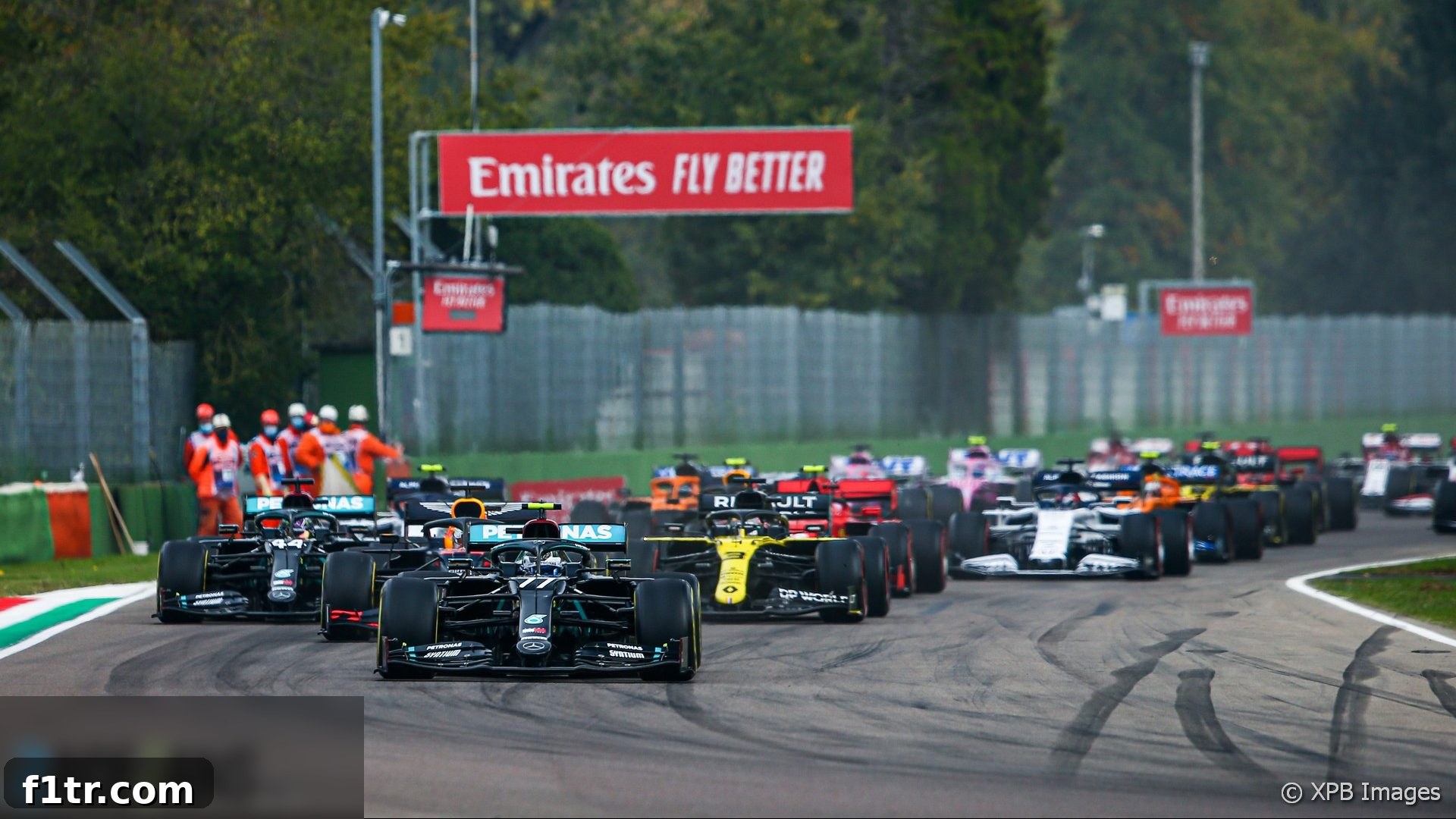
The concept of condensing Formula 1 Grand Prix weekends to just two days, with practice sessions eliminated on Fridays, gained temporary traction last season. The Emilia Romagna Grand Prix at Imola served as a notable example, showcasing a streamlined schedule without Friday running. This particular format was initially adopted to ease logistical burdens for teams, especially after long-haul journeys from preceding races, providing them extra time for setup and preparation. However, this experimental approach also sparked considerable speculation that it might be a precursor to a permanent shift towards a shorter weekend structure, with on-track action reserved exclusively for Saturdays and Sundays.
Despite the operational advantages it might offer teams, the idea of a permanent two-day weekend has been definitively ruled out by F1 CEO Stefano Domenicali. In a recent statement, Domenicali emphasized that this decision was largely driven by the unequivocal feedback from Grand Prix promoters worldwide. These promoters, vital stakeholders in the sport’s ecosystem, are steadfast in their desire to offer fans a full, immersive experience that extends beyond just the qualifying and race day. A complete weekend package, typically spanning three days, provides extensive opportunities for fan engagement, ancillary events, and ultimately, greater revenue generation through ticket sales and hospitality.
Domenicali articulated the core rationale behind this stance, stating, “All the organizers really want to have a full experience for the people and for the crowd, so we need to respect that.” This commitment to respecting the desires of promoters and, by extension, the expectations of the loyal fan base, highlights Formula 1’s understanding that the spectacle is as much about the build-up and the atmosphere as it is about the race itself. The potential reduction in track time and associated events would inevitably diminish the overall value proposition for spectators, making a two-day format commercially unviable and less appealing for event hosts.
Instead of shortening the race weekend, discussions around format changes have predominantly shifted towards the introduction of sprint races. This alternative approach aims to inject more competitive excitement into Saturdays, potentially replacing traditional qualifying or running alongside it, without sacrificing the crucial Friday track action that contributes significantly to the full Grand Prix experience. The ongoing exploration of sprint race formats suggests a strategy focused on enhancing the existing three-day structure rather than fundamentally altering it, ensuring that Formula 1 continues to deliver maximum entertainment and value to its global audience and local event partners.
Shell Fuels the Future: 250,000 Simulations for 2022 F1 Biofuel
As Formula 1 accelerates towards a more sustainable future, a significant regulatory shift for the 2022 season mandates a substantial increase in the percentage of biofuels used in F1 fuels. This move is a crucial step in the sport’s ambitious plan to achieve Net Zero Carbon by 2030, showcasing advanced sustainable technologies on a global stage. Developing these next-generation fuels is an immense technical challenge, one that Shell, a long-standing technical partner to Ferrari, is tackling with cutting-edge innovation and extensive research.
Benoit Poulet, Shell’s F1 Fuels Development Manager, has shed light on the rigorous process behind this transformation. His team has undertaken an extraordinary effort, running a quarter of a million digital simulations – an impressive 250,000 to be precise – solely dedicated to perfecting the new biofuel mix for 2022. This intensive simulation work is not just about performance; it’s about ensuring reliability and efficiency while meeting stringent environmental targets.
The complexity of this task is further amplified by recent changes in FIA regulations. Poulet explained that “since 2020, FIA regulations have changed slightly so we are now limited to just one fuel and engine oil formulation for the entire season, and we can no longer introduce in-season developments.” This ‘one-shot’ approach means that the initial fuel and oil formulation chosen at the start of the season must be robust and optimized for every circuit, every condition, and every engine characteristic throughout the entire championship. There is no room for error, making the pre-season development phase more critical than ever before.
The inability to introduce in-season modifications places immense pressure on fuel developers to achieve perfection right from the outset. As Poulet highlighted, “This makes testing even more important than during previous years.” However, with physical testing often restricted and environmentally sensitive, digital simulation has become an indispensable tool. Shell’s commitment to this technology is evident in their cumulative efforts: “In fact, in the last two years, we have used advanced digital technology in more than 500,000 fuel simulations, 250,000 of which have been dedicated to the 2022 increased biofuel formulations.” These simulations allow Shell to virtually test countless variations of fuel compositions, analyze their impact on engine performance and longevity, and fine-tune the blend to extract maximum power while adhering to all regulatory and sustainability requirements. This pioneering work not only benefits Formula 1 but also drives advancements in sustainable fuel technology that could eventually trickle down to wider automotive applications, making motorsport a true laboratory for future mobility solutions.
Social Media Insights from the World of Motorsport
Social media platforms continue to offer a unique, real-time window into the lives of drivers, teams, and the broader motorsport community. Here’s a glimpse at some notable posts that recently captured attention, from exclusive car collections to powerful messages for change:
En exclusivité, la 1ère Formule 1 Ferrari de Charles Leclerc a rejoint, en toute discrétion, la Collection de Voitures de S.A.S le Prince de Monaco.@palaismonaco
© Direction de la Communication / Michael Alesi pic.twitter.com/azlufNPB8I
— Monaco Info (@monaco__info) April 13, 2021
This post from Monaco Info offered an exclusive look at Charles Leclerc’s first Ferrari Formula 1 car, which has now discreetly joined the esteemed Car Collection of H.S.H. the Prince of Monaco. It’s a testament to the rich heritage and personal connections that define the sport, celebrating the milestones of its stars.
We slowed down. We reflected.
Now, it’s time to accelerate change and empower communities. pic.twitter.com/ySn78iHLhs
— NASCAR (@NASCAR) April 14, 2021
NASCAR shared a powerful message reflecting on the need for change and community empowerment. This highlights the growing social consciousness within motorsport, with major organizations recognizing their platform to advocate for positive societal impact beyond the race track.
30 years ago today @alunserjr passed @michaelandretti on his way to winning the @GPLongBeach.
Meanwhile 22-year-old Paul Tracy made his debut with @DaleCoyneRacing and spun out, retiring later with an engine problem. “Here’s a young man we expect a great deal from…” pic.twitter.com/YPwfPg9Zwz
— RaceFans (@racefansdotnet) April 14, 2021
RaceFans took a nostalgic look back 30 years to the Long Beach Grand Prix, recalling Al Unser Jr.’s triumphant pass over Michael Andretti and the eventful debut of a young Paul Tracy. This historical snippet reminds us of the memorable moments and rising stars that have shaped motorsport’s past.
- For those looking to expand their motorsport social circles, the F1 Twitter Directory offers a curated list of official accounts to follow.
Beyond the Headlines: Essential Motorsport Links and Stories
Stay updated with the latest happenings across the motorsport world with these compelling links and stories, offering deeper dives into race results, ongoing negotiations, and inspiring personal journeys:
Keeping the faith key to crowning rollercoaster Rome weekend with victory says Vandoorne (Formula E)
Stoffel Vandoorne reflected on an “emotional redemption” after securing victory in Rome. His journey through a challenging weekend, culminating in triumph, underscores the resilience and unwavering belief required to succeed in high-stakes motorsport.
Will Formula 1 return to Montreal? Answer unclear as negotiations continue (CBC)
The uncertainty surrounding Formula 1’s return to Montreal continues, with negotiations ongoing. A key sticking point revolves around government compensation, especially given the likelihood of a spectator-free event, highlighting the financial complexities of hosting a Grand Prix in a pandemic era.
- More F1 venues following Silverstone’s lead in aim for full crowds
‘The support left me speechless’: how Sarah Moore returned to W Series grid (The Guardian)
Sarah Moore’s inspiring return to the W Series grid, fueled by community support, showcases the personal sacrifices and dedication of athletes. Her candid revelation about working as a delivery driver during the off-season provides a grounded perspective on the financial realities even for professional racers.
Previews: Team Penske, Meyer Shank Racing, Dale Coyne Racing (IndyCar)
Insights into the IndyCar season offer predictions for various teams, including Team Penske, Meyer Shank Racing, and Dale Coyne Racing. The segment anticipates Romain Grosjean’s potential to shine in certain events, while also highlighting the dark horse capabilities of drivers like Jones, setting the stage for an exciting championship.
- Grosjean faces the toughest task of IndyCar’s all-star rookies
Everything you need to know for the Emilia-Romagna Grand Prix (McLaren)
McLaren provides a comprehensive preview of the Emilia-Romagna Grand Prix, acknowledging the advancements of competitors. The team emphasizes that the true pecking order will only become clear as the season unfolds, with varying circuit characteristics and conditions revealing each team’s strengths and weaknesses.
To Imola for the first home Grand Prix (Ferrari)
Ferrari’s preview for their first home Grand Prix at Imola details the current track layout. It highlights key changes, such as the flat-out acceleration section from Rivazza 2 to Tamburello, and the removal of Variante Bassa, emphasizing the strategic importance of the sole DRS zone.
Building on a solid start (Alfa Romeo)
Alfa Romeo discusses their strategy for “building on a solid start,” stressing the necessity of hard work and dedication in a highly competitive field. Drawing inspiration from Horace, the team underscores that success in Formula 1, much like in life, demands relentless effort and commitment.
Williams won’t be allowing his increased confidence to turn into arrogance (Formula 3)
In Formula 3, a driver named Williams shares his sentiments about increased confidence following successful tests. He emphasizes the importance of maintaining humility and preventing this confidence from veering into arrogance, a crucial mental aspect for young drivers climbing the motorsport ladder.
Alex Jacques: the voice behind Formula 2 (Formula 2)
An interview with Alex Jacques, the charismatic voice of Formula 2, offers insights into his passion for the series. He compares watching F2 to “seeing a band before they get big,” appreciating the raw talent and potential of drivers on the cusp of Formula 1 stardom.
We always endeavour to credit original sources. If you have a tip for a link relating to single-seater motorsport to feature in the next RaceFans round-up please send it in via the contact form.
Comment of the Day: The Debate Over Rookie Testing in Modern F1
Following Mick Schumacher’s reflections on learning “on-track” during his Bahrain Grand Prix debut, a critical question has been raised by commenter Kenny Schachat regarding the fairness of comparing today’s rookies to those who entered Formula 1 when extensive testing was commonplace. This insightful comment sparks a vital discussion about driver development in an era of severely restricted track time.
I fully understand the financial issues behind the severely limited testing these days but it’s got to be tough on new drivers to come into F1 with almost no testing. Think about it: every title since they limited testing has been won by drivers that came into F1 when there was unlimited testing.
That had to be a big advantage for drivers like Hamilton, Alonso, Vettel when they broke into F1. Hamilton obviously has a natural gift but it’s hard to imagine that he would have had the rookie year in 2007 if he had just a couple of days testing before the season.
I would like to see testing expanded up for rookie drivers. I think it would go a long way toward making the backmarker teams a bit more competitive and give rookies a better chance to compete.
@Partofthepuzzle
The commenter, identified as @Partofthepuzzle, powerfully articulates the challenge faced by modern F1 rookies. In an effort to control costs and enhance sustainability, Formula 1 has drastically cut down on pre-season and in-season testing. While the financial rationale is clear, the impact on young drivers making their debut is undeniably profound. Drivers like Lewis Hamilton, Fernando Alonso, and Sebastian Vettel, who commenced their F1 careers in an era of virtually unlimited testing, had the distinct advantage of extensive mileage and familiarity with their machinery before their first competitive Grand Prix. This allowed them to hit the ground running, integrating seamlessly into the demands of Formula 1 racing.
The contrast with today’s environment is stark. Rookies often arrive with minimal pre-season testing, sometimes just a few days, forcing them to learn the intricacies of a complex F1 car and adapt to race conditions simultaneously. This steep learning curve is not only demanding for the drivers but also potentially impacts the competitiveness of smaller teams, which often rely on new talent. Providing expanded testing opportunities specifically for rookie drivers, as suggested, could serve multiple benefits. It would not only offer these promising individuals a fairer chance to showcase their full potential but could also contribute to a more competitive grid by allowing backmarker teams to develop their drivers more effectively. This debate highlights the delicate balance between financial prudence, environmental consciousness, and the imperative to foster the next generation of F1 superstars.
From the Forum: Shaping the Future of F1 Gaming
- Codemasters F1 2021: What do you want to see in the new Formula 1 game?
The RaceFans forum remains a vibrant hub for passionate discussions, including debates around the highly anticipated Codemasters F1 2021 game. Fans are actively sharing their desires and suggestions for new features, gameplay improvements, and overall realism, demonstrating the strong connection between virtual and real-world motorsport engagement.
Happy Birthday to Our Motorsport Enthusiasts!
A very happy birthday goes out to Davidnotcoulthard and Dave W! We hope you both have a fantastic day filled with celebration and motorsport excitement.
If you’d like to receive a birthday shout-out on our platform, please don’t hesitate to tell us your birthday via the contact form or by adding your details to our dedicated list here. We love celebrating with our community!
On This Day in F1 History: Ralf Schumacher’s Maiden Victory
- Exactly 20 years ago today, Ralf Schumacher achieved a significant milestone in his Formula 1 career by securing his very first F1 win at the legendary Imola circuit. This momentous victory on April 14, 2001, was not only a personal triumph for Ralf but also marked a significant turning point for several key players in the sport. It represented Williams’ first win in four seasons, signaling a strong resurgence for the iconic British team. Furthermore, it was BMW’s first win as an engine supplier in 15 years, underscoring the success of their partnership with Williams. Adding to the historical significance, Michelin celebrated their first Formula 1 victory in 17 years, highlighting their successful return to the sport as a tire manufacturer. This day remains a cherished memory in F1 history, symbolizing breakthrough achievements for a driver, team, engine manufacturer, and tire supplier all at once.