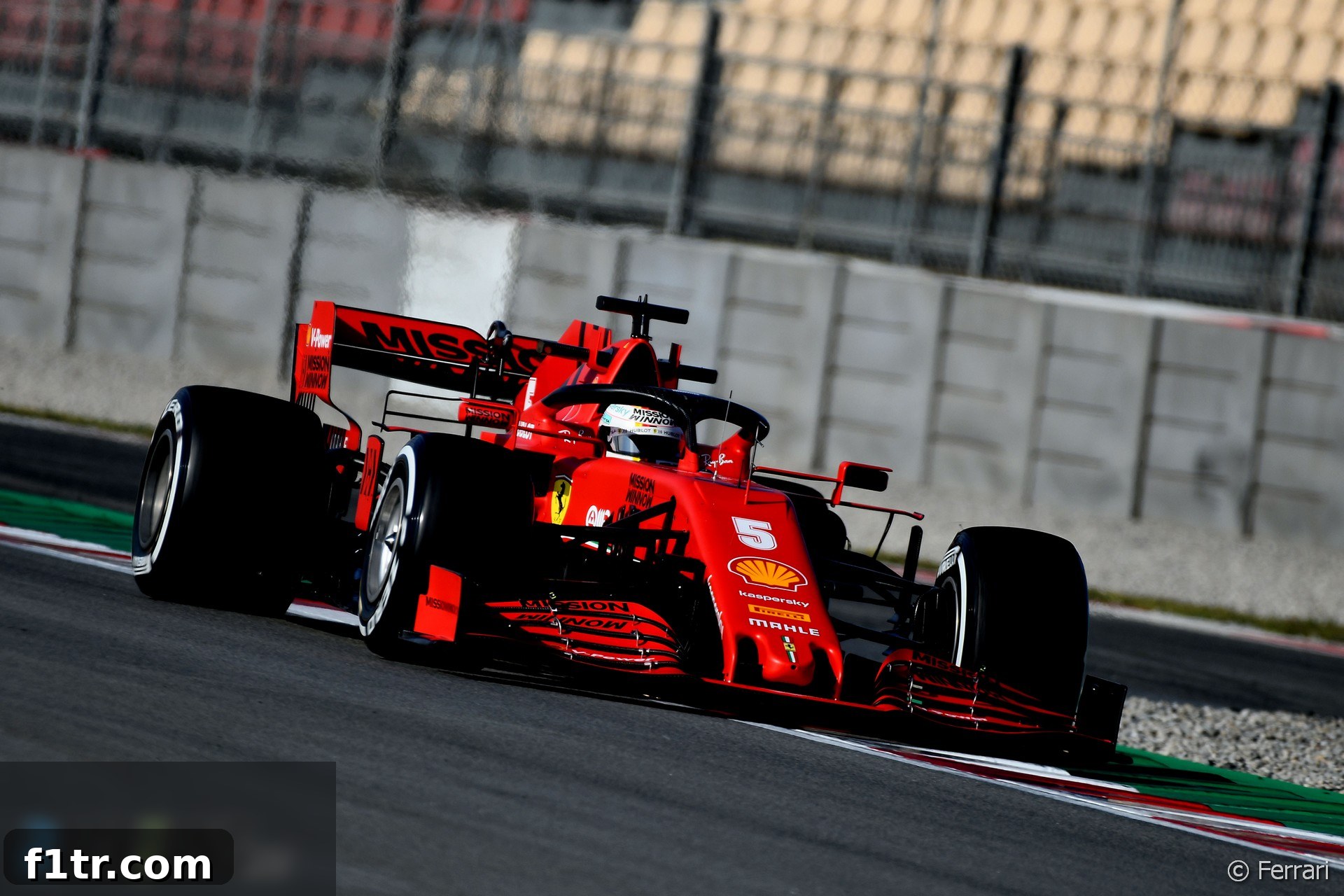
Ferrari SF1000: A Strategic Bet on Race Pace for the New F1 Season
Scuderia Ferrari enters the new Formula 1 season with a clear strategic vision for its SF1000 challenger: a car meticulously engineered to deliver optimal performance during Grand Prix races, even if it means sacrificing some of the raw, single-lap speed typically seen in qualifying sessions. This calculated approach signals a shift in focus for the iconic Italian team, as they aim for consistency and superior tire management over outright Saturday glory.
The development of the SF1000 saw Ferrari prioritizing increased downforce, a crucial element for maximizing grip and cornering speed. The team is confident they have made significant strides in this area. However, Team Principal Mattia Binotto openly acknowledged during pre-season testing that this pursuit of aerodynamic grip came with an inherent trade-off: a noticeable reduction in straight-line speed compared to their competitors. This balance between downforce and drag is a perpetual challenge in Formula 1 car design, where every gain in one area often necessitates a compromise in another.
Understanding the Race Pace vs. Qualifying Performance Dynamic
The distinction between a car’s performance over a single qualifying lap and its capability during a full race distance is a fundamental aspect of Formula 1 strategy. A “flying lap” in qualifying demands maximum engine power, aggressive aerodynamic setups, and a car that can be pushed to its absolute limit for a short burst. Race day, however, introduces a myriad of other variables: fuel loads, tire degradation, brake wear, and the necessity for consistent, manageable pace over many laps. A car that is exceptionally fast over one lap might struggle to maintain that pace or manage its tires effectively over a longer stint, ultimately costing positions.
Binotto elaborated on this dynamic towards the conclusion of the final pre-season test, stating, “I think we need to still work on the balance of the car and the set-up to optimise its overall performance on the race track. But generally speaking, I think we need to improve the base performance of the car, which is power, drag, and downforce. That’s no doubt, no discussion on that.” His comments underscore the continuous pursuit of fundamental performance improvements while also highlighting the importance of fine-tuning the car’s characteristics for race conditions.
He further provided insight into Ferrari’s initial assessment of their new machine: “If you look at the picture of the winter testing, I think we’ve got, relative to the others, a better – doesn’t mean the best – but a better race pace compared to the quali pace. I think we’re suffering a bit more on quali simulation compared to the race simulations. Something on which we need to understand, analyse, and eventually address it.” This frank admission suggests the team is fully aware of their current standing and is actively engaged in diagnosing the root causes of their qualifying deficit, perhaps hinting at specific areas like tire warm-up or optimal operating windows for their aerodynamic package during short runs.
Sebastian Vettel’s Perspective: A Step Forward with Trade-offs
Four-time world champion Sebastian Vettel echoed his team principal’s sentiments, confirming he observed the same performance trade-off in the SF1000. For a driver of Vettel’s caliber, understanding and adapting to a car’s unique characteristics is paramount, and his early feedback provides valuable validation of the team’s direction.
“We’ve worked very hard over winter and I think our car is a step forward,” Vettel affirmed. While acknowledging the progress, he didn’t shy away from the challenges: “Currently, it does come with some more drag, but I think we are aware, and we are pushing as hard as we can to try and get rid of the drag, make it efficient.” This candid assessment highlights the intensive development battle that unfolds behind the scenes in Formula 1, where engineers tirelessly strive to shave off milliseconds and improve efficiency.
Despite the straight-line speed concern, Vettel remains optimistic about the car’s potential on Sundays. “But we also believe that come race day, it gives us an advantage the way it is set up now. So we will see.” This belief stems from the comprehensive data gathered during extensive simulation and testing, suggesting that the SF1000’s inherent balance and downforce levels might indeed translate into a more competitive package when points are on the line.
Pre-Season Testing: Gathering Data and Managing Expectations
Pre-season testing serves as a crucial proving ground for new Formula 1 cars. It’s a period of intense data collection, reliability checks, and initial performance assessments, rather than an outright speed contest. Teams rarely reveal their true pace, often running different fuel loads, engine modes, and tire compounds to mask their ultimate potential. Ferrari’s cautious declarations during this period align with a common strategy of downplaying expectations, particularly for a team under the intense scrutiny that Scuderia Ferrari always faces.
The team has been proactive in managing public and media expectations, consistently stating that the SF1000 is unlikely to be the pace-setter at the season-opening Australian Grand Prix. This measured approach aims to alleviate some of the immense pressure on the team and drivers, allowing them to focus on iterative improvements and a long-term development trajectory for the season.
Vettel reiterated the importance of continuous development, especially given their initial performance benchmark. “I think it will be key to obviously develop the car, especially since it seems that we’re not the very fastest right now,” he observed. “We have some work to do. But if that’s what it is, then that’s what it is, and we take it from there.” This pragmatic stance underscores the reality of modern F1: championships are often won through relentless in-season development as much as through initial car design.
The Road Ahead for Ferrari and the SF1000
As the Formula 1 season progresses, the true test of Ferrari’s strategic gamble will unfold on track. The initial focus on race pace over raw qualifying speed is a calculated risk, one that prioritizes the accumulation of championship points over headline-grabbing Saturday performances. The success of this approach will depend on the team’s ability to maximize their strengths on race day while simultaneously addressing the identified weaknesses, particularly the deficit in qualifying pace and straight-line speed. The aerodynamic efficiency, power unit optimization, and ongoing setup refinements will be critical factors in determining whether the SF1000 can deliver on its promise. For the Tifosi worldwide, the anticipation builds as Ferrari embarks on another challenging yet exciting chapter in its storied Formula 1 history, hoping that their strategic shift will ultimately lead to championship contention.