F1 Drivers Applaud Reversal of Tyre Warmer Ban: Safety Prevails for 2021 Season
In a significant decision for the future of Formula 1, the sport has officially confirmed the abandonment of a planned ban on tyre warmers, initially slated for the 2021 F1 season. This move has been met with considerable relief and approval from drivers across the grid, none more so than Carlos Sainz Jnr, who voiced his satisfaction with the outcome. The initial proposal to eliminate pre-heating of tyres was part of a broader package of regulatory changes aimed at cost reduction and potentially enhancing the spectacle of racing by making initial laps more challenging. However, strong resistance from the Grand Prix Drivers’ Association (GPDA), driven by paramount safety concerns, ultimately led to the sport’s decision to reverse course.
Drivers’ United Front: The GPDA’s Impact on Tyre Warmer Decision
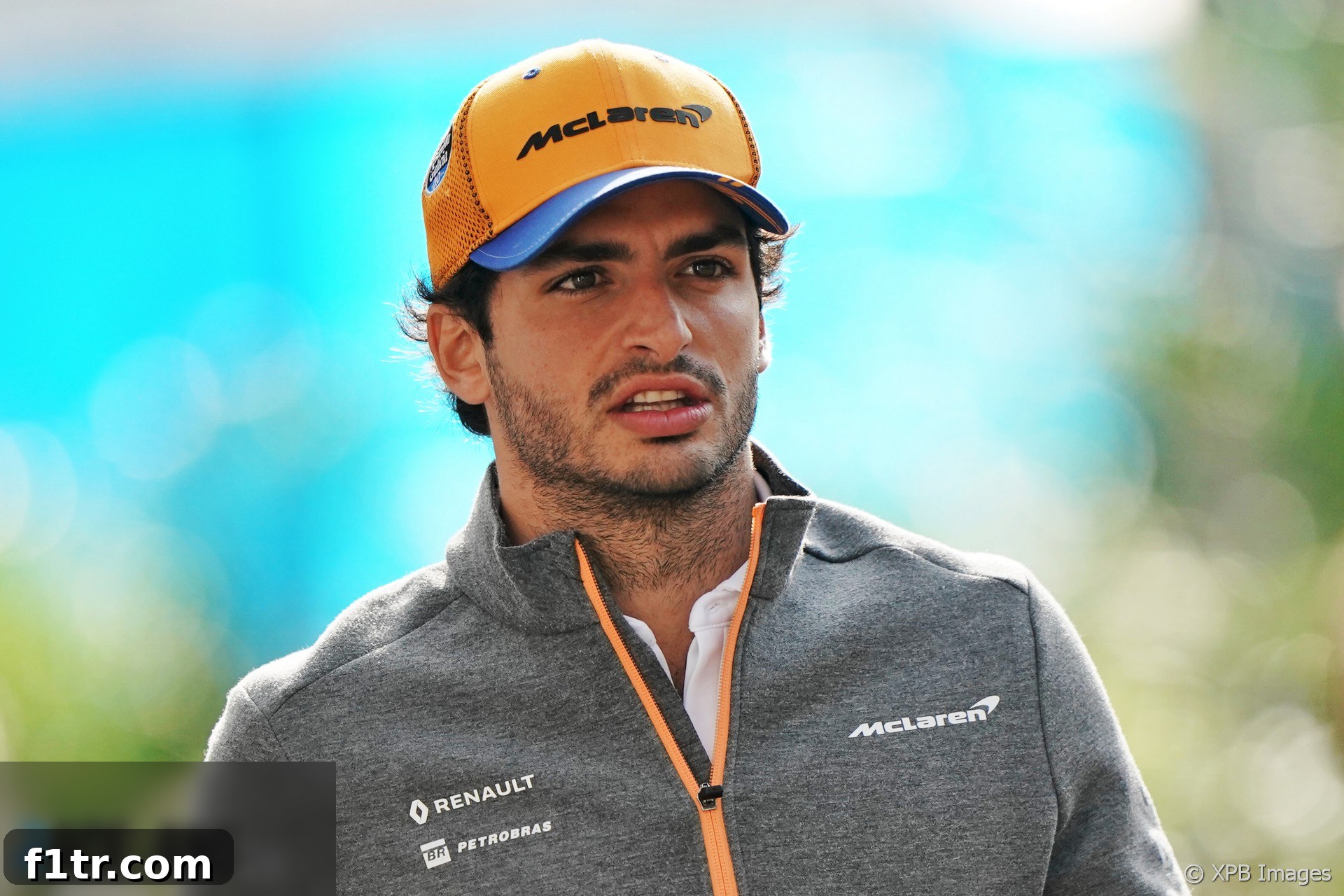
Carlos Sainz Jnr, a prominent voice within the GPDA, shed light on the collective efforts made by the drivers’ association to challenge and ultimately overturn the tyre warmer ban. He highlighted the GPDA’s critical role in ensuring that driver safety and practical racing considerations are given due weight in the sport’s decision-making processes. Sainz’s comments underscore the growing influence of drivers in shaping the technical and sporting regulations that govern Formula 1.
I believe the GPDA has achieved several important steps for the sport. One of the most significant was regarding tyre blankets. There was a strong push to eliminate tyre blankets by ’21, a proposal we completely opposed because we viewed it as an extremely dangerous situation for all involved. I’m pleased to confirm that this ban is no longer happening.
There are also a couple of other critical issues we fought very hard for that are now likely not going ahead, which demonstrates that people are actively listening to the drivers and to the GPDA. It’s crucial not to forget that our ultimate goal is always what is best for the sport. We, as drivers, possess an unparalleled understanding of what’s truly needed to follow another car closely, or what adjustments are required to make this sport more competitive and, crucially, a better show for the fans.
Sainz’s emphatic statement reflects the general consensus among drivers that racing on cold tyres would significantly increase the risk of high-speed accidents, particularly during out-laps or after safety car periods. The GPDA’s successful lobbying effort highlights a positive shift towards greater collaboration between drivers and regulatory bodies, ensuring that the human element and safety implications remain at the forefront of rule changes. The drivers’ association has consistently advocated for regulations that enhance the challenge without compromising fundamental safety standards, and this latest development serves as a testament to their effective representation.
Quotes: Dieter Rencken
The Impact of Tyre Warmers on F1 Safety and Performance
The debate surrounding tyre warmers in Formula 1 is multifaceted, touching upon safety, performance, and cost. Tyre blankets are essential for bringing F1 tyres up to their optimal operating temperature before a car joins the track. Without them, drivers would face the daunting challenge of managing extremely cold, slippery tyres, especially on their out-laps from the pits. This scenario would significantly increase the likelihood of spins and crashes, not only jeopardizing driver safety but also potentially leading to more race disruptions and red flag incidents.
While the initial motivation for banning tyre warmers included environmental concerns and a desire to reduce costs, the overwhelming feedback from drivers, engineers, and safety experts pointed to the unacceptably high risks involved. The GPDA’s intervention was crucial in articulating these concerns, emphasizing that the integrity of racing and the safety of competitors should never be compromised for the sake of minor cost savings or an artificially heightened challenge. This decision ensures that drivers can push the limits of their machines safely from the moment they exit the pit lane, maintaining the thrilling spectacle of Formula 1 racing without unnecessary risks.
Advert | Become a RaceFans supporter andgo ad-free
Social Media Buzz: Voices from the F1 Community
Formula 1’s vibrant social media presence offers a direct window into the thoughts, reactions, and human stories that resonate across the paddock and with fans worldwide. From poignant tributes to candid driver opinions, here’s a glimpse into some notable posts from Twitter, Instagram, and other platforms that have recently captured the attention of the F1 community:
Bonjour,
Après avoir retrouvé le babykart d’Anthoine (encore un grand merci à tous), nous nous mettons à la recherche de son MINIKART (marque ALPHA KARTING) dont vous trouverez des photos ci-après. Merci d’avance pour votre aide. pic.twitter.com/yf2jLhtwz2— Nathalie Gabert (@nathubertgabert) October 25, 2019
This heartwarming tweet from Nathalie Gabert, Anthoine Hubert’s mother, showcases the incredible support and solidarity within the motorsport community. Following the tragic passing of Anthoine Hubert, the rallying of fans and peers to help recover his sentimental karting items speaks volumes about the bonds forged in racing. The search for his MINIKART highlights the personal stories and memories cherished by those who knew the promising young driver.
https://www.instagram.com/p/B4BrHThgHnv/
Instagram continues to be a platform where drivers and teams share behind-the-scenes glimpses and personal moments. This particular post offers a visual narrative, connecting fans closer to the action and personalities of Formula 1. Whether it’s a celebration, a reflection, or a candid shot, F1’s Instagram content enriches the fan experience beyond the racetrack.
Mexico City: Great fans, not so great track says Romain Grosjean. #F1 #MexicoGP #MexicanGP pic.twitter.com/Oc1fT8GxtW
— RaceFans (@racefansdotnet) October 25, 2019
Romain Grosjean’s frank assessment of the Mexico City circuit, captured in this RaceFans tweet, provides a typical driver perspective. While appreciative of the passionate Mexican fans, his critique of the track underscores the challenging nature of many circuits and the constant quest for optimal performance, even on beloved venues. Such direct feedback from drivers is invaluable for understanding the nuances of Grand Prix racing.
- Find more official F1 accounts to follow in the F1 Twitter Directory
Around the Web: Latest F1 News and Insights
Stay informed with a curated selection of recent articles and interesting links from across the motor racing world. These stories offer deeper dives into team strategies, driver perspectives, and broader discussions surrounding Formula 1.
Advert | Become a Supporter & go ad-free
Time to Find after Free Practice in Mexico (Mercedes)
Andrew Shovlin, Mercedes’ Trackside Engineering Director, shares the team’s challenges during free practice in Mexico. His comments highlight the intensive analysis and problem-solving that goes on behind the scenes, as teams strive to optimize both single-lap pace and manage long-run tyre degradation on demanding circuits like Mexico City. The perpetual quest for improvement is a core part of F1’s competitive spirit.
Free practice (Toro Rosso)
Pierre Gasly’s optimistic outlook after free practice at Toro Rosso offers a contrasting view, demonstrating how different teams and drivers can find varying levels of comfort and performance early in a Grand Prix weekend. His feeling of being “pretty comfortable in the car” and noting a “quite a step from FP1 to FP2” underlines the continuous development and fine-tuning that occurs throughout practice sessions, particularly on medium tyres.
Friday Practice Recap (Haas)
Haas F1 Team’s recap of Friday practice in Mexico, featuring Romain Grosjean’s candid remarks, illustrates the universal challenges teams face, especially concerning tyre management. Grosjean’s frustration with “trying to keep the tyres alive” resonates with many drivers grappling with the complex demands of modern F1 Pirelli tyres, where degradation can heavily influence race strategy and performance.
Hamilton should be applauded for trying to save the environment, not slammed as a hypocrite (The Sun)
This article from The Sun delves into the ongoing public discourse surrounding Lewis Hamilton’s environmental activism. It argues for supporting his efforts to raise awareness for crucial ecological issues, particularly given his vast platform, rather than dismissing his commitment as hypocritical due to his profession. The piece sparks a broader conversation about the role of public figures in advocating for environmental change, especially within high-carbon industries.
Kym Illman (Pre-race blog)
Renowned F1 photographer Kym Illman offers a unique, behind-the-lens perspective in his pre-race blog from the Mexican Grand Prix. His anecdotal style, including attempts to elicit reactions from stoic drivers like Kimi Räikkönen, provides a charming and insightful look into the paddock life, the personalities of the sport, and the challenges of capturing iconic motorsport moments.
We always endeavour to credit original sources. If you have a tip for a link to feature in the next RaceFans round-up please send it in via the contact form.
Advert | Become a RaceFans supporter andgo ad-free
Comment of the Day: F1’s Carbon Footprint and Fan Travel
The environmental impact of Formula 1 is a topic of increasing debate, extending beyond the on-track action to the logistics and fan engagement around Grand Prix events. Today’s featured comment poses a pertinent question: Should F1 actively encourage fans to use more sustainable transportation options to circuits to reduce its overall carbon footprint?
I’ve never had the opportunity to attend a Grand Prix, but the impression I get is that the vast majority of spectators and even many event staff are left to arrange their own transport to the circuit. These thousands upon thousands of individuals would collectively use significantly more fuel over a race weekend than all of the F1 cars combined. Why isn’t there a more robust and efficient bus or train service provided from nearby cities and towns directly to the Grand Prix venues? This would allow people to utilize public transport options instead of relying solely on their private vehicles.
Furthermore, attention should be given to adjusting road infrastructure around circuits to minimize queues and traffic bottlenecks. Vehicle engines idling for extended periods in traffic jams waste enormous amounts of fuel and contribute unnecessarily to emissions. Addressing these logistical challenges could make a substantial positive impact.
Stephen Crowsen (@Drycrust)
Stephen Crowsen’s insightful comment highlights a critical area where F1, as an influential global sport, could lead by example. Improving public transport access and mitigating traffic congestion around circuits not only benefits the environment but also enhances the overall fan experience. This discussion opens up avenues for F1 to explore more sustainable event management practices, aligning with broader goals for environmental responsibility.
From the Forum: Drive to Survive Season Two Storylines
- Following the recent developments in F1, what storylines would you like to see in the second series of Drive to Survive?
Netflix’s “Drive to Survive” series has been a phenomenal success, drawing a new generation of fans to Formula 1 with its dramatic narratives and behind-the-scenes access. As anticipation builds for the next season, the RaceFans forum invites you to weigh in: What compelling storylines, rivalries, team dynamics, or personal journeys from the recent F1 season would you most like to see explored in the second installment of this captivating documentary series?
Happy Birthday!
A very happy birthday to our fellow F1 enthusiasts: Luigismen, Xivizmath, Jayfreeseknight, and Greg Kingston! We hope you all have a fantastic day filled with celebration and all things motorsport.
If you’d like a special birthday shout-out on RaceFans, please let us know your birth date via the contact form or by adding your details to our dedicated list here. We love celebrating with our community!
On This Day in F1 History
- Born on this day in 1947: Ian Ashley, a British racing driver who made his mark in Formula 1 by entering 11 Grand Prix races between 1974 and 1977. Ashley’s career saw him compete with various privateer teams, often against significant odds. Post-Formula 1, he continued his passion for motorsport, racing successfully in categories such as IndyCar and the British Touring Car Championship, showcasing his versatility and enduring commitment to racing.