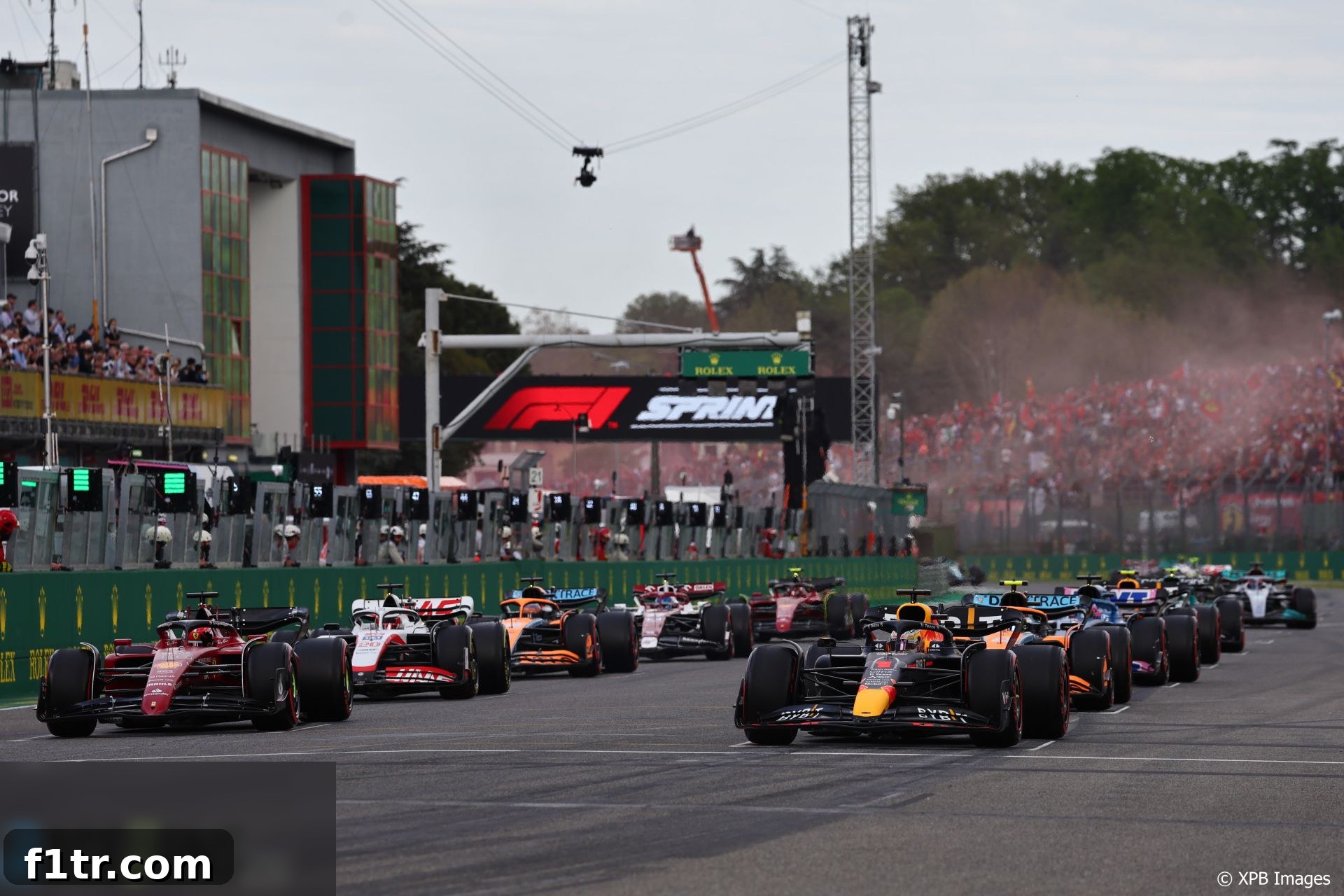
F1 Sprint Race Format Under Scrutiny: Major Changes Proposed for Grand Prix Grid
Formula 1 is embarking on a pivotal evaluation of its sprint race format, with a critical proposal on the table: severing the direct link between sprint race results and the starting grid for the coveted Grand Prix. This potential overhaul aims to inject more excitement and genuine racing into the shorter Saturday events, addressing concerns raised by drivers, teams, and fans alike.
Introduced in 2021, the sprint format was conceived to add an extra layer of competition to select Grand Prix weekends. Under the current structure, Friday’s qualifying session sets the grid for a 100-kilometer sprint race on Saturday. Crucially, the finishing positions of this Saturday sprint then dictate the starting order for Sunday’s main Grand Prix event. While initially welcomed as an innovation, this interconnectedness has, paradoxically, led to criticism regarding the quality of racing it produces.
The Current Format: A Double-Edged Sword for Excitement
The core issue plaguing the current sprint format stems from its direct impact on the Grand Prix grid. Several prominent drivers have voiced their opinion that this linkage discourages genuine wheel-to-wheel racing during the sprint. Knowing that their Saturday performance directly influences their Sunday prospects, competitors are often reluctant to take significant risks that could jeopardize their starting position for the main event, where the lion’s share of championship points are awarded. This cautious approach can lead to processions rather than thrilling battles, undermining the very purpose of introducing sprints.
F1 management is now understood to be in advanced discussions with the sport’s ten teams regarding the feasibility and benefits of transforming sprint races into stand-alone events. This concept, already familiar in feeder series like Formula 2 and Formula 3, would mean that the outcome of the sprint race would have no bearing on the Grand Prix grid. While no final decision has been reached, this option remains a primary consideration as F1 seeks to optimize its racing spectacle.
Driver Perspectives: The Call for Unfettered Racing
The sentiment from the cockpit provides compelling insight into the challenges of the current sprint format. Reigning world champion Max Verstappen has been an outspoken critic, stating emphatically that sprint races, as they stand, have failed to generate the desired level of excitement because of their grid-setting function. Verstappen believes drivers “don’t really race” in these events, highlighting a fundamental flaw in the current design.
“I’m just not a big fan of it because I feel like we don’t really race,” Verstappen explained. “There are a few championship points that you get, but you also know that you can’t really risk it because the main race is where you really get the points. You don’t do a pit stop so you just put on the tyre which will last the distance.” His comments underscore the strategic compromises drivers are forced to make, prioritizing Sunday’s race over Saturday’s spectacle. The limited points on offer, combined with the high stakes for the Grand Prix grid, create an environment where caution often trumps aggression.

Adding to Verstappen’s critique, Kevin Magnussen of Haas F1 also believes that decoupling the sprint from the Grand Prix grid would significantly improve the quality of racing. “Max has a good point that the risk that you want to take in sprint is less because it decides the position for Sunday,” Magnussen affirmed. “So I think maybe a good tweak could be to separate that, so you can go for it.” His statement echoes the desire among drivers for the freedom to push limits without the looming threat of compromising their Sunday race start.
The Road Ahead: Expanding Sprints and Refining the Experience
The urgency of this debate is heightened by F1’s prior confirmation that the number of sprint races will increase from three to six events next year. This expansion makes a refined format even more crucial to ensure that these additional events contribute positively to the season’s overall excitement rather than diminishing it. The ongoing discussions with teams are focused on identifying the optimal structure that can deliver engaging racing while maintaining the integrity of the championship.
While the primary focus of driver feedback revolves around the sprint’s impact on Sunday’s grid, both Verstappen and Magnussen also acknowledge a positive aspect of the current sprint format weekend: the reduced practice time. Magnussen highlighted the intensified challenge, stating, “I do enjoy going from practice one straight into qualifying. It puts a lot of pressure to find your rhythm quickly and get the set-up right. I feel like when there’s three practices it’s quite a lot, so I kind of like that.” This condensed schedule forces teams and drivers to adapt swiftly, adding an element of unpredictability and skill demonstration that is generally well-received.
Exploring the ‘Stand-Alone’ Sprint Concept: Potential Benefits and Challenges
The move towards stand-alone sprint races presents a compelling vision for the future of F1 weekends. If implemented, a separate qualifying session would likely determine the Grand Prix grid, freeing the sprint race to be a spectacle in its own right. This could lead to a genuine ‘mini-race’ where drivers are incentivized to attack, knowing that a spin or collision won’t derail their main race aspirations. The increased risk-taking, bolder overtakes, and less conservative tyre strategies could transform the sprint into a truly thrilling event, delivering on its promise of additional action.
However, the concept is not without its challenges. One key concern F1 must address is how to prevent teams from ‘parking up’ or simply running minimal effort in the sprint if there are no significant championship implications or direct links to the main event. Balancing the reward system (e.g., increased points for sprints) with the desire for genuine competition will be crucial. Furthermore, the logistical implications of potentially adding another qualifying session to an already packed weekend need careful consideration, ensuring it doesn’t overburden teams or dilute the Grand Prix itself.
The broader goal for Formula 1 is to continuously evolve and enhance the fan experience. With the sport’s global popularity soaring, particularly in new markets, maintaining a dynamic and engaging race format is paramount. The sprint race concept was an ambitious step, and now, F1 is demonstrating its commitment to refinement based on real-world feedback. The discussions with teams are expected to delve deep into the mechanics of a revised format, including how championship points would be allocated for stand-alone sprints, and what implications any changes might have on team budgets and resource allocation.
Conclusion: A Dynamic Future for Formula 1
The evaluation of the F1 sprint race format underscores Formula 1’s proactive approach to optimizing its sporting spectacle. While the sprint was introduced with noble intentions, the feedback from the grid, particularly from champions like Max Verstappen and seasoned racers like Kevin Magnussen, highlights a need for adjustment. The proposed shift to stand-alone sprint races, detaching their outcome from the Grand Prix grid, holds immense potential to unlock more aggressive, uninhibited racing on Saturday, thereby enriching the entire race weekend experience.
As F1 gears up for an expanded sprint calendar next year, the decision on this format change becomes increasingly critical. It’s a testament to the sport’s commitment to continuous improvement, balancing tradition with innovation, and striving to deliver the most thrilling and competitive racing possible for its ever-growing global audience. The outcome of these discussions will undoubtedly shape a dynamic and potentially even more exciting future for Formula 1.
Related Formula 1 Articles
- F1 Season Review: Analyzing Key Driver Performances and Surprises
- Strategy Deep Dive: The Art of Tyre Management in Formula 1
- Team Dynamics and Championship Battles: A Look Behind the Scenes
- F1 Technology: How Innovations are Shaping the Future of Racing
- Fan Engagement: How Formula 1 Connects with its Global Audience
Browse all Formula 1 News and Updates