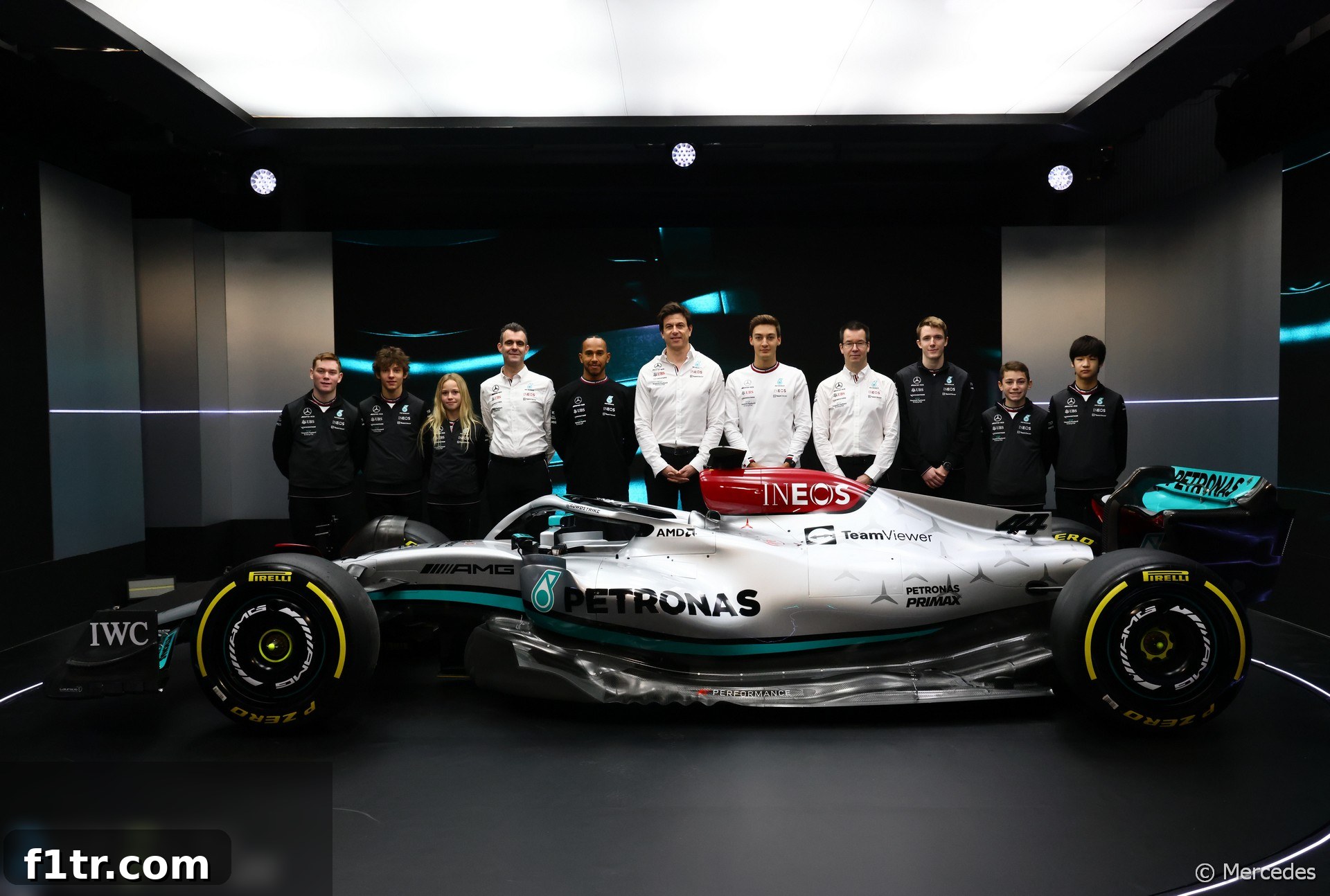
As the long winter hiatus finally draws to a close, Formula 1 enthusiasts worldwide are buzzing with anticipation. The prolonged off-season, stretching further than many can remember, has only intensified the yearning for the roar of engines and the spectacle of elite motorsport. Now, as February unfolds, the waiting game for millions of fans is almost over. The coming weeks promise a cascade of excitement as all ten Formula 1 teams proudly unveil the fruits of their tireless labor, presenting the formidable challengers with which they aim to conquer the 2023 World Championship.
The eagerly awaited launch season is upon us, bringing with it the promise of groundbreaking innovations, intriguing surprises, and a potent rekindling of excitement for racing’s imminent return. As the covers are pulled back from the 2023 cars, revealing their forms to the world, a keen eye will discern a number of fascinating trends, emerging patterns, and critical areas of interest that will shape the narrative of the season ahead. From the strategic art of the reveal to the evolving commercial landscape and the pivotal shifts in leadership, let’s explore what to look out for during this pivotal period.
The Enigma of the Reveal: Where is the Real Car?
In an era increasingly blurred by AI-generated content, sophisticated deepfakes, and the monetization of online verification, the pursuit of authenticity has become a formidable challenge across all domains, and Formula 1 is certainly no exception. Teams, ever vigilant, meticulously guard the intricate designs of their new machines, striving to reveal nothing more than is absolutely necessary. This strategic secrecy is not merely about showmanship; it’s a critical component of competitive advantage, aimed at preventing rivals from gaining even the slightest insight into potential innovations.
The 2022 season, marking the debut of the radical new ground-effect car regulations, underscored this reluctance vividly. Teams were exceptionally cautious, unwilling to prematurely expose their interpretations of the new rules and hand rivals any unexpected design advantages before the season officially began. Conveniently, Formula 1 itself had commissioned a fleet of generic show cars, designed to illustrate the aesthetic implications of the new regulations. Many teams seized this opportunity, choosing to ‘launch’ their 2022 challengers by presenting their fresh liveries on these standardized models, effectively keeping their true aerodynamic secrets under wraps.
As the 2023 launch season kicks into gear, expect a strong déjà vu. Several teams have already signaled their intent to follow this strategic path. Haas, for instance, has explicitly dubbed their event a ‘livery launch,’ and Red Bull, the reigning champions, will also be unveiling their new colors on a model car. Williams, next in line for a reveal, is similarly focused on showcasing only their new livery. This trend highlights the ongoing cat-and-glove game played by teams, where the public launch serves more as a marketing exercise and a demonstration of new sponsorships, rather than a full technical disclosure.
Major, performance-defining innovations are typically held back until teams are compelled to run them on track. A prime example from last year was Mercedes’ dramatic ‘sidepod-less’ upgrade, which only made its highly anticipated appearance during the second pre-season test in Bahrain. This strategic delay allows teams to maximize development time, prevent early copying, and deliver a more impactful surprise to their competitors. Consequently, F1 enthusiasts should manage their expectations for launch events, anticipating vibrant liveries and charismatic drivers, but perhaps not the full, unadulterated engineering marvels that will ultimately grace the starting grid.
The Shadow of Success: Will We Witness Ten RB18s?
For fans who often lament the restrictive nature of modern Formula 1 regulations, perceiving them as stifling design diversity and reducing the grid to minor variations on a theme, the advent of the 2022 rules package brought a glimmer of hope. There was a genuine expectation that these radical regulations could herald a return to greater visual and philosophical variety among the cars. And, to a certain extent, this hope was initially realized, at least during the early phase of the season, where distinct design philosophies were evident across the paddock.
However, as the 2022 season progressed, Red Bull Racing’s RB18 rapidly transformed from being a joint front-runner with Ferrari into the undisputed alpha of the pack. Their relentless development and consistent performance saw them dominate the championship, accumulating a colossal tally of wins. This overwhelming success naturally prompted a strategic shift among their rivals. Teams, in their continuous pursuit of performance, began to divert their development paths, increasingly gravitating towards the aerodynamic and conceptual solutions that the eventual champions had so effectively adopted.
A notable instance of this convergence was Aston Martin, who arrived at the Spanish Grand Prix with a heavily revised car that bore a striking resemblance to the RB18. This ‘B-spec’ car, which earned the nickname ‘Green Red Bull,’ was then meticulously refined over the latter half of the year, to the point where they narrowly missed out on beating Alfa Romeo for sixth in the final constructors’ standings. This demonstrated the potency of emulating a successful concept.
While every design team in Formula 1 strives for originality, aiming to zig when others zag, the pragmatic reality dictates that the most effective route to emulating championship-winning performance often lies in emulating the champion’s car. Does this imply that fans are on the cusp of witnessing a parade of ten virtually identical Red Bull clones revealed consecutively? Such an extreme outcome is unlikely, given the inherent differences in team resources, philosophies, and development trajectories.
Nevertheless, with a full season’s worth of comprehensive data unequivocally suggesting that Adrian Newey’s team at Red Bull possessed the optimal interpretation of the complex ground-effect concept, it would be unwise to be surprised by the appearance of some remarkably familiar shapes in the bodywork of these all-new 2023 cars. The overarching question that lingers is whether Red Bull’s closest competitors, particularly those with distinct design philosophies in 2022 such as Ferrari and Mercedes, will be prepared to set aside their pride and abandon their unique approaches. Will they, too, ultimately concede and follow the champions’ lead in pursuit of that elusive competitive edge? The forthcoming launches will provide the first visual clues to this intriguing strategic battle.
Aesthetic vs. Aerodynamic: Will Color Return (Temporarily)?
The creation of a Formula 1 car is an exercise in meticulous precision, where every component, down to the final livery, is subjected to an exhaustive process of design, approval, and revision. Yet, the vibrant and meticulously crafted color schemes that dazzled fans at the unveiling of last year’s cars often underwent a significant transformation by the time race weekends arrived. In the relentless pursuit of performance, paint became a luxury that teams could ill-afford to carry. With 2022 cars being some of the heaviest in decades, the imperative to shed every conceivable gram meant that layers of paint were systematically stripped from the carbon fiber bodywork.
This pragmatic decision often sacrificed visual flair for speed, resulting in many cars on the grid, like the Williams, appearing significantly muted, with large expanses of raw, dark carbon fiber replacing vibrant colors. This aesthetic compromise highlighted the fine balance teams must strike between visual identity and ultimate performance.
For the upcoming season, a modest but significant adjustment has been made to the minimum weight limit, trimmed down to 796kg – a reduction roughly equivalent to the weight of a two-liter bottle of cola. While teams will undoubtedly continue to explore all material avenues to save kilograms, this slight lowering of the minimum weight threshold presents a tempting prospect: the possibility of reintroducing more paint without incurring a significant performance penalty. The desire to once again wield the spray paint cans and present a more aesthetically pleasing, fully-colored car will be strong.
However, it’s crucial to remember that no official weighing takes place on launch day. This provides teams with the freedom to showcase their new designs in their full, intended technicolor glory, unfettered by the strict weight regulations that apply on race weekends. Therefore, fans can hopefully look forward to a visually richer launch season, even if this explosion of color proves to be a temporary spectacle, potentially giving way to more exposed carbon fiber once the cars hit the track for pre-season testing and the opening races.
The Canvas of the Car: The Allure of Special Liveries
For eager fans, the sheer wonder of a team’s shiny new livery is paramount. However, that wonder is truly captured only if the design unveiled on launch day is indeed the one that will grace the grid throughout the grueling racing season. But in the dynamic world of Formula 1, variety is increasingly becoming the spice of life, particularly when it comes to car aesthetics.
Over the past few decades, the trend of ‘testing liveries’ has cycled in and out of fashion, much like certain clothing styles, with prominent teams such as McLaren, Red Bull, and Renault occasionally adopting unique, temporary looks specifically for pre-season testing. Last year, Alfa Romeo notably ran with an eye-catching black-and-white camouflage livery, reminiscent of a design famously pioneered by Red Bull in its testing days, only to reveal their true, vibrant colors just before the second pre-season test in Bahrain. This strategy created suspense and garnered additional media attention.
Alpine, while deploying their primary livery for testing, still had a masterstroke up their sleeve when they unveiled the A522 in the fashion-forward city of Paris. In a move that garnered significant attention, the French-owned team revealed not one, but two distinct liveries. One of these was almost entirely pink, a bold tribute to their new title sponsors. This striking pink livery was then utilized during the opening two rounds of the season, injecting a much-needed touch of variety and a welcome splash of color into the grid. This demonstrated the power of special liveries to fulfill sponsor obligations, celebrate milestones, and create memorable visual moments.
The strategic deployment of multiple liveries offers numerous advantages, primarily generating enhanced attention for both the teams and their valuable sponsors. These special designs create unique marketing opportunities, foster greater fan engagement, and add an element of unpredictability to the visual landscape of the sport. Therefore, it would be anything but surprising if more teams choose to follow suit this season, embracing the trend of temporary or alternating liveries to maximize their commercial and promotional impact.
Economic Winds: The Crypto Crash and Sponsorship Realignments
It seems almost fitting for a sport notoriously associated with rapid financial outlays that the preceding years witnessed cryptocurrency firms successfully carving out a significant commercial presence within the very heart of Formula 1. Indeed, it became commonplace to see the prominent logos of various crypto exchanges, NFT ventures, and blockchain companies adorning almost every car on the grid, signaling a burgeoning partnership between the fast-paced world of F1 and the equally volatile realm of digital finance.
However, the narrative took a dramatic turn towards the end of last year as the much-hyped digital currencies experienced a significant downturn, leading to a widespread collapse across the market. This economic shift has left many within the F1 paddock wondering about the future of these partnerships. Consequently, it is highly probable that numerous crypto-related logos may conspicuously vanish from their once-prominent positions on this year’s cars. Mercedes, for instance, was forced to hastily remove the FTX logos from their vehicles last year when the firm declared bankruptcy, owing creditors an staggering sum running into the billions.
Despite this significant market correction, it would be decidedly premature to declare Formula 1’s intricate love affair with the volatile cryptocurrency market entirely over. After all, Formula 1 itself maintains a prominent partnership with one of the most well-known crypto exchanges, highlighting the sport’s continued belief in the sector’s potential. Furthermore, just last week, Alfa Romeo boldly announced a prominent crypto betting firm as their new title sponsor for 2023, signaling that some significant players are still willing to invest.
While similar deals at other teams appear to have lapsed, judging by the disappearance of crypto logos from their official websites, the announcements of replacement sponsors could be strategically timed to coincide with the high-profile launch season. The coming weeks, therefore, promise to offer a fascinating and insightful barometer into the true extent to which the decline of the cryptocurrency market may have impacted the intricate and commercially vital sponsorship portfolios of Formula 1 teams. These reveals will paint a clearer picture of the financial health and strategic partnerships moving forward.
A New Era of Leadership: Meet the New Bosses on the Pit Wall
Formula 1 car launches are far more than mere unveiling ceremonies for sophisticated machinery; they are pivotal moments for capturing iconic images of a team’s blockbuster signings beaming in their new overalls as they metaphorically and literally pull the cover off their new challenger. These events often represent the first significant public opportunity for fans to hear drivers express their excitement and ambitions regarding their new surroundings or the upcoming season.
However, this year, the paddock has witnessed an equally significant, if not more profound, level of movement and change on the pit wall, mirroring the reshuffle within the cockpits. A striking number of teams are entering the 2023 season under new leadership, marking a substantial shift in the sport’s management landscape. From the highly anticipated arrival of Frederic Vasseur at Ferrari, Andrea Stella stepping up at McLaren, Alessandro Alunni Bravi taking the helm at Alfa Romeo, to James Vowles transitioning from Mercedes to lead Williams – almost half of the grid will be operating under a fresh mandate.
Notably, three of these four new principals are stepping into such high-profile roles for the very first time in their careers. The unveiling of their respective team’s new car will serve as their true baptism of fire, offering their initial foray into the unforgiving spotlight of public scrutiny. These launch events provide a crucial platform for them to articulate their vision, lay out their strategic goals for the year ahead, and begin to stamp their authority and philosophy onto their new teams. The success of these individuals, and their ability to steer their teams through the challenges of the season, will be a compelling storyline to watch unfold.
The Digital Age Dilemma: The Inevitable Leaks and Their Aftermath
In the pervasive landscape of the internet age, spoiler culture has become an almost unavoidable facet of modern life. Whether it concerns the highly anticipated release of a ‘AAA’ video game, a long-awaited movie sequel, or even the desire to catch up on a replay of a major sporting event one couldn’t watch live, many of us harbor a distinct aversion to having the excitement of a significant moment prematurely diminished by learning its outcome before we experience it ourselves. Yet, ironically, it appears that few of these ‘spoiler-averse’ individuals are die-hard Formula 1 fans.
Over the past few seasons, a striking majority of F1 car and livery reveals have, almost inevitably, found their way online, often hours in advance of their official launch ceremonies. And in what has become a curious modern ritual, eager fans have enthusiastically “lapped up” these unauthorized images, dissecting every angle and detail with fervent passion. This widespread acceptance and even encouragement of leaks present a unique challenge for teams.
With readily available technology making it easier than ever for anyone to quickly capture and share high-quality images, Formula 1 teams are engaged in a relentless, uphill battle to maintain the secrecy and integrity of their carefully choreographed launches. The sheer volume of personnel, contractors, and logistical movements involved in preparing a new car makes it incredibly difficult to prevent any information from slipping out. However, the digital landscape also presents another layer of complexity: it is equally plausible for cunning individuals to create highly convincing fake images, designed to deceive eager fans desperate for a glimpse of their favorite team’s new challenger. Therefore, while it’s almost a certainty that some cars will be revealed long before their official unveiling during the upcoming launch season, a healthy dose of skepticism is advised. Not everything seen online should be taken at face value.
Beyond the Garage: Making Car Launches a Grand Spectacle
Rewind to the late nineties and early 2000s, and launching a Formula 1 car was frequently a lavish, no-expense-spared affair. These events were spectacles designed to capture global attention, showcasing not just the car but the team’s ambition and glamour. McLaren famously enlisted the iconic pop group the Spice Girls to infuse their 1997 launch with an extra dose of ‘Girl Power,’ while Sauber, seven years later, brought in the Sugababes. Teams spared no effort in staging elaborate presentations, fiercely competing to stand out amidst their rivals and generate maximum publicity.
In more recent years, however, car launches had become significantly more muted, largely due to the increasing financial pressures and, eventually, the introduction of the budget cap. Teams shifted their focus, channeling resources primarily into performance development rather than extravagant marketing displays. Yet, the tide is turning once again. Formula 1 is currently experiencing an unprecedented boom in popularity, fueled by global engagement and a new generation of fans. Crucially, while much of a team’s operational spending is rigorously restricted by the budget cap, marketing expenditure remains a notable exception, offering a crucial avenue for investment.
Much of this remarkable popularity growth has emanated from the United States, the undisputed epicenter of the entertainment industry. With an ever-expanding legion of fans tuning into the sport, captivated by the dramatic narratives of Netflix’s ‘Drive to Survive’ series, it’s inevitable that car launches will garner more attention than perhaps ever before. Recognizing this immense opportunity, teams are eager to deliver a captivating show for the hundreds of thousands, if not millions, of spectators watching worldwide.
Red Bull Racing has emphatically demonstrated this renewed intent by arranging for both their Formula 1 and AlphaTauri teams to unveil their liveries in the iconic New York City. Pitched as an event open to the public, these launches are poised to attract thousands of passionate fans, all eager to witness the reigning world champions showcase the colors they will carry into the new season. And with a plethora of major celebrities inhabiting the Big Apple, there’s a distinct possibility that a famous face or two might join Max Verstappen and Sergio Perez on stage, further elevating the spectacle and extending the sport’s reach beyond its traditional fanbase. This signals a new golden age for F1 car launches, where performance meets unparalleled entertainment.
Become a RaceFans Supporter
RaceFans is run thanks in part to the generous support of its readers. By contributing £1 per month or £12 per year (or the same in whichever currency you use) you can help cover the costs of creating, hosting and developing RaceFans today and in the future.
Become a RaceFans Supporter today and browse the site ad-free. Sign up or find out more via the links below:
- Become a RaceFans Supporter
- RaceFans Supporter FAQ
2023 F1 season
- FIA president cleared of alleged interference in two 2023 races
- First week viewing figures for new Drive to Survive season fall again
- Max who? Drive to Survive season six prefers its favourite faces
- RaceFans’ complete 2023 season review
- The F1 drivers who pulled off the 10 biggest charges through the field in 2023
Browse all 2023 F1 season articles