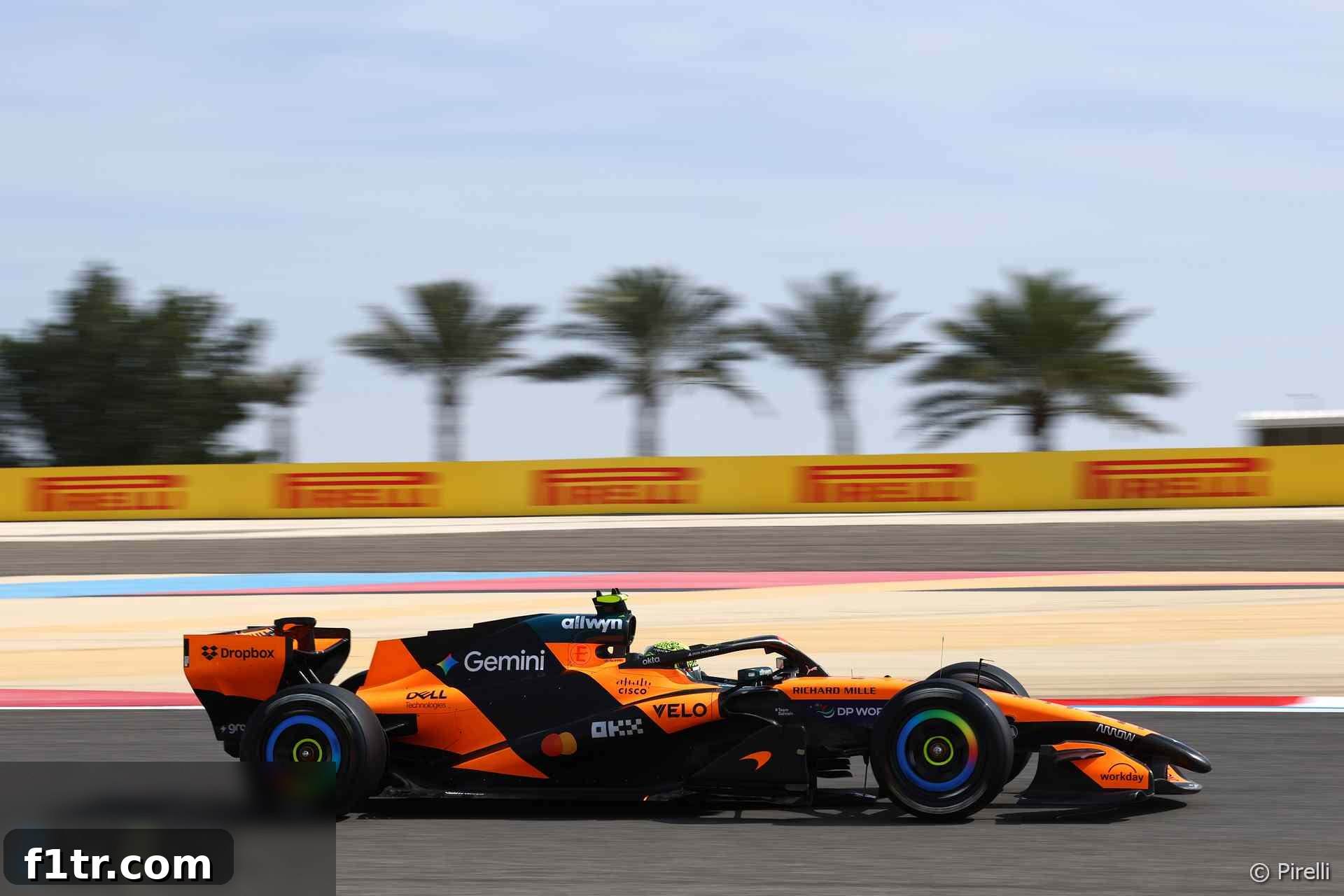
The 2026 Formula 1 season has embarked on an unconventional trajectory, initiating with three intense grands prix compacted into four weeks, followed by an unprecedented and lengthy five-week hiatus. This irregular calendar structure was certainly not by design; rather, it emerged from the regrettable cancellation of the Bahrain and Saudi Arabian grands prix.
The circumstances leading to the removal of these two significant races from the schedule are deeply unfortunate. The tragic loss of life and escalating conflict in the Middle East, stemming from the outbreak of war primarily involving America, Israel, and Iran, casts a somber shadow over the sporting world. It’s a stark reminder that events far beyond the racetrack can profoundly impact even global sports spectacles like Formula 1.
However, from a purely sporting perspective, Formula 1 may find itself in a peculiar position of accidental fortune regarding the timing of these cancellations. The championship was already grappling with a torrent of significant criticism directed at its recently introduced regulations. These new rules, intended to revolutionize the sport, were facing scrutiny on multiple critical fronts: the escalating concerns over driver safety, a perceived deterioration of the fundamental driving challenge, and a noticeable decline in the overall quality of racing witnessed in the opening rounds.
Consequently, the sport has been handed an unexpected, invaluable five-week window of opportunity to critically assess and potentially amend these contentious regulations. Recognizing this unique chance, Formula One Management (FOM) and the FIA are actively capitalizing on this pause by convening a series of urgent meetings. The primary objective of these discussions is to devise and implement effective solutions that could be put into action before the championship resumes with the next round in Miami.
Naturally, no one desires to see races cancelled, least of all for the horrific geopolitical reasons that necessitated these removals from the calendar. Yet, strictly from F1’s internal perspective – considering its operational health, competitive integrity, and future trajectory – the question arises: is this unexpected ‘spring break’ a welcome, albeit bittersweet, development?
The Critical Imperative: Addressing F1’s Flawed 2026 Regulations
The opening rounds of the 2026 Formula 1 season have exposed a series of fundamental flaws within the new regulatory framework, prompting urgent calls for reform. What initially promised a new era of competitive and exhilarating racing has instead been marred by concerns ranging from driver safety to the fundamental integrity of the competition itself. This unforeseen five-week break offers a crucial opportunity to recalibrate the sport’s direction before these issues further entrench themselves and potentially undermine the entire season.
Deep-Seated Safety Concerns
One of the most pressing issues highlighted by the early races is the significant increase in potential safety hazards, particularly concerning high closing speeds between cars. The Oliver Bearman’s dramatic crash at Suzuka served as a stark, undeniable warning. While the precise mechanisms contributing to these high closing speeds are still being fully understood, many drivers and experts point to the new aerodynamic profiles and power unit characteristics, which can create significant speed differentials under certain conditions, especially on straights followed by heavy braking zones. This phenomenon makes overtakes incredibly risky and, conversely, makes it harder for drivers to react to sudden braking or unexpected incidents ahead.
The fortunate timing of the Jeddah race cancellation cannot be overstated in this context. Jeddah’s high-speed, blind corners, and narrow sections would have presented an exceptionally high risk for another such collision, potentially with more severe consequences. The additional time now available allows for a thorough investigation into these safety dynamics, enabling the FIA to consider revisions that could mitigate such dangers. This might involve adjustments to car designs, changes in power unit deployment strategies, or even revisiting track safety protocols in light of the new car characteristics. Prioritizing driver safety is non-negotiable, and this hiatus provides the necessary breathing room to ensure that the sport’s participants are not unduly exposed to heightened risks due to imperfect regulations.
The Deterioration of the Driving Challenge and Race Quality
Beyond safety, the new regulations have drawn heavy criticism for their impact on the core aspects of Formula 1: the challenge of driving these complex machines and the quality of the on-track spectacle. Drivers have openly voiced their frustrations, with figures like Charles Leclerc unequivocally labelling qualifying as a “disgrace.” The issues extend beyond mere difficulty; they touch upon the fundamental principles of fair and engaging competition.
Under the new rules, cars appear to be incredibly sensitive to dirty air, making it exceedingly difficult to follow another car closely through corners. This aero wash effect reduces a driver’s ability to attack, leading to processionary racing where positions are often fixed after the first lap. Furthermore, the combination of specific tyre compounds, car weight, and power unit management seems to have narrowed strategic options, making races more predictable. Drivers report struggling to manage tyre degradation while simultaneously battling for position, leading to compromises that detract from aggressive, wheel-to-wheel action.
The concept of “easy passes” or “yo-yo racing” has also become prevalent, where cars with a significant straight-line speed advantage can easily overtake slower cars, only to struggle in corners, leading to a back-and-forth that some, like Lewis Hamilton, have called “silly” rather than genuine racing. This suggests a fundamental imbalance in the car’s performance characteristics under the new regulations, where strengths in one area are drastically offset by weaknesses in another, preventing sustained, competitive battles throughout a race distance. The consensus among many fans and pundits is that the racing is “little better” than previous iterations, failing to deliver on the promise of closer competition. While some team principals might publicly praise the racing or oppose changes to protect an early competitive advantage, the widespread feedback from drivers and viewers indicates a significant problem that requires immediate attention.
The Argument For the Hiatus
From a strategic standpoint, F1 is incredibly fortunate to have this unplanned pause. It offers an unprecedented opportunity to address the critical flaws in the new regulations before they derail the entire season. The paramount concern for safety, particularly highlighted by the Suzuka incident, demands immediate attention. The risk of high closing speeds is a real and present danger, and the time now available allows for concentrated efforts to find solutions. The fortunate cancellation of the Jeddah round, a circuit notorious for its high-speed characteristics and blind corners, is a blessing in disguise, as it removes an immediate high-risk scenario and provides invaluable time to implement safety adjustments.
Looking back, the F1 calendar faced genuine decimation just six years ago due to the global Covid-19 pandemic. In contrast, losing merely two out of an ambitious 24-round schedule, especially when those two races have been replaced by a period of critical introspection and potential improvement, is not only tolerable but arguably beneficial. The timing couldn’t be more opportune. This hiatus allows F1 to mitigate potentially catastrophic consequences, ensuring that when the season resumes, it does so with a more refined, safer, and ultimately more competitive set of rules. This period of reflection could very well salvage the integrity and excitement of the 2026 championship, turning a series of unfortunate cancellations into a pivotal moment for positive change within the sport.
The Argument Against the Hiatus
While the opportunity for technical re-evaluation is undeniable, the unexpected five-week break comes with its own set of significant drawbacks, particularly concerning sporting integrity and fan engagement. The championship began with two first-time points leaders topping the standings, injecting a fresh narrative into the season. Mercedes has emerged as the early team to beat, but Ferrari and McLaren have demonstrated strong contention, with the latter even showing the capability to win the last round. Now, all this hard-earned momentum, along with the burgeoning competitive narratives, has been frustratingly put on hold.
The cancellations of the Bahrain and Saudi Arabian Grands Prix were, in hindsight, foreseeable weeks before their official announcement given the geopolitical climate. Many argue that F1 should have been more proactive in finding replacement rounds for the lost April races to preserve the fairness and consistency of the competition. The abrupt loss of these events disproportionately disadvantages teams that began the season strongly, disrupting their rhythm, potentially allowing competitors to catch up or even surpass them during the pause. Conversely, teams that struggled in the initial races might benefit unfairly from the extended development window. Moreover, for the global fanbase, an extended break after just three races is a significant let-down, fracturing the season’s flow and potentially dampening enthusiasm just as it was beginning to build. The championship feels less cohesive and more disjointed, raising questions about the fairness of a competition where external factors dictate such significant interruptions without immediate compensatory measures.
My Perspective on the Unforeseen Pause
It’s vital to reiterate that no one involved with motorsport would wish to see races called off for the tragic reasons that led to the cancellation of the Bahrain and Saudi Arabian rounds. The geopolitical conflicts and human suffering that necessitated these decisions are far beyond Formula 1’s control, and our thoughts remain with those affected. Ordinarily, it would be unthinkable to poll motorsport fans on whether they are pleased about two rounds not going ahead. However, these are indeed peculiar and highly unique circumstances that warrant such a contentious discussion.
It has become unequivocally clear that Formula 1 commenced the 2026 season with a regulatory package that is deeply flawed, failing to meet the high standards expected of the pinnacle of motorsport. The safety concerns are not merely speculative; they are alarmingly obvious, particularly with incidents like Oliver Bearman’s crash serving as a stark warning. Beyond safety, the sporting spectacle itself has suffered: qualifying, as eloquently described by Charles Leclerc, feels like a “disgrace” with drivers struggling to extract meaningful performance and overtakes becoming a rarity. Consequently, the racing itself is little better, often devolving into a “yo-yo” effect rather than sustained, genuine wheel-to-wheel battles. While some voices within F1, perhaps those benefiting from the current rules, may either genuinely believe the racing is good or are eager to preserve their competitive advantage by blocking crucial changes, the overwhelming evidence from drivers, experts, and the global fanbase suggests otherwise.
Therefore, if Formula 1 can emerge from this enforced five-week interval having at least comprehensively addressed the profound safety concerns raised by the drivers, and ideally making significant strides towards improving the quality of qualifying and racing, then that collective outcome is unquestionably a price worth paying for the loss of two rounds. This break, albeit born from tragic events, presents an invaluable opportunity for the sport to course-correct, ensuring the long-term health, safety, and excitement of Formula 1 for seasons to come. It’s a chance to transform an unfortunate pause into a foundational moment for positive change.
Your Say: The Impact of the F1 Spring Break
Are you disappointed by the unexpected lack of racing in April? Do you believe Formula 1 should have been more proactive in replacing its two lost races to maintain calendar integrity? We invite you to cast your perspective and engage in the discussion below.
Do you agree the cancellation of the Bahrain and Saudi Arabian grands prix is a disappointment?
Here are the results from a previous poll:
- No opinion: 3%
- Strongly disagree: 38%
- Slightly disagree: 16%
- Neither agree nor disagree: 12%
- Slightly agree: 17%
- Strongly agree: 14%
Total Voters: 121
Engage with the community and share your thoughts in the comments section below. We value your insights on the direction and challenges facing the 2026 F1 season.
Continue the Discussion: Related Debates and Polls
- What must Formula 1 fix with its new rules – and what should it leave unchanged?
- ADUO: Do F1 teams who fall behind deserve to get help to catch up?
- F1 is considering doubling its sprint races. Do you want more or fewer?
- Will this be a fight or a rout? 20 questions for the 2026 Formula 1 season
- Which Formula 1 team has the best-looking car – and the worst – for the 2026 season?
Browse all debates and polls