The intricate dance of speed and precision in Formula 1 often boils down to a single, critical moment: qualifying. It’s where raw pace is unleashed, and grid positions are secured, setting the stage for the Grand Prix. Recent data from qualifying sessions reveals fascinating insights into driver performance, team dynamics, and the relentless pursuit of perfection. Notably, Lance Stroll has experienced a challenging period, going a full calendar year without outpacing his teammate in qualifying for a Grand Prix. This remarkable streak, among others, highlights the cut-throat nature of F1 and the constant pressure on drivers. Let’s dive into the key statistics that underscore these narratives and paint a vivid picture of the current state of qualifying battles.
From Practice to Pole: Understanding Pace Shifts
The journey from Friday’s free practice sessions to Saturday’s definitive qualifying often sees significant shifts in performance as teams fine-tune their setups and drivers adapt to evolving track conditions. Analyzing these changes offers a deeper understanding of a team’s engineering prowess and a driver’s ability to extract maximum performance when it truly matters. In recent rounds, three teams stood out for their particularly dynamic transformation from practice to qualifying: Haas, Alpine, and Red Bull.
Haas, known for its sporadic flashes of speed, often manages to find an extra gear in qualifying, indicating perhaps a car that is tricky to set up but can deliver peak performance under specific conditions. Alpine, on the other hand, presented a truly remarkable case. Pierre Gasly’s qualifying performance was especially noteworthy, as the team appeared slower in the final practice session compared to the previous day. This suggests a significant overnight improvement in understanding the car or a masterful driving display by Gasly to overcome a perceived deficit, maximizing their potential despite initial struggles. For Red Bull, the shift from practice to qualifying often underlines their ability to consistently find the sweet spot for their formidable challenger, optimizing it for outright pace, typically leading to dominant displays by Max Verstappen. These fluctuations are crucial for strategic planning and reflect the intense development cycle teams endure throughout a race weekend.
This section typically illustrates the comparative performance gaps between Free Practice 1, 2, and 3, and how these translate into qualifying performance for each team. Such analysis often highlights teams that make significant gains or losses in pace from Friday to Saturday, reflecting successful setup adjustments or persistent challenges.
The Battle Within: Gaps Between Team Mates
While the overall pecking order on the grid captures headlines, the internal battles between teammates are equally, if not more, telling. Beating your teammate is the most direct measure of a driver’s performance, eliminating variables like car performance and team strategy. Recent qualifying sessions have revealed some significant disparities, shedding light on driver form and the immense pressure newcomers face.
At Alpine, the spotlight fell on Franco Colapinto, who arrived at Silverstone for what was originally billed as a five-race trial, now extended. The stakes were incredibly high for the young driver, eager to prove his worth in the seat previously occupied by Jack Doohan. His Q1 crash, unfortunately, sealed his early elimination and did him no favors in his bid to impress. Such incidents are particularly detrimental for drivers on a trial basis, as they not only hinder data collection but also raise questions about consistency and pressure handling. This incident undoubtedly added immense pressure on him for future performances.
The next widest gap between a pair of teammates was observed at Red Bull, where the chasm between Max Verstappen and Yuki Tsunoda was particularly stark. While Verstappen proceeded to clinch yet another pole position with characteristic authority, Tsunoda’s early exit in Q2 was attributed to a loss of power. While technical issues can certainly impact performance, the consistent gap between Verstappen and his teammates often raises questions about the sheer dominance of the reigning champion, who seems to effortlessly extract every ounce of performance from his machinery, leaving little room for his counterparts.
This visual representation typically details the qualifying time differences between teammates across various Grand Prix weekends. It serves to underscore the internal competition within each team and can highlight consistent performers or drivers struggling to match their counterparts.
Unbroken Runs: Team Mate Battle Sequences
Consistency is a hallmark of elite performance in Formula 1, and long streaks of out-qualifying a teammate speak volumes about a driver’s raw speed, adaptability, and mental fortitude. These sequences are not just numbers; they represent sustained periods of dominance within a team, influencing team dynamics, contractual negotiations, and ultimately, a driver’s legacy.
Max Verstappen’s incredible run continues unabated, as he has now out-qualified his teammates for the last 18 consecutive rounds. This astonishing streak is a testament to his unparalleled talent and his symbiotic relationship with the Red Bull car. Only one driver in the current field boasts an even better record, a statistic that underscores Verstappen’s consistent excellence and his relentless pursuit of pole positions, a crucial factor in his championship campaigns. His ability to perform at such a high level, week in and week out, sets a benchmark for the entire grid and is a key reason for his team’s success.
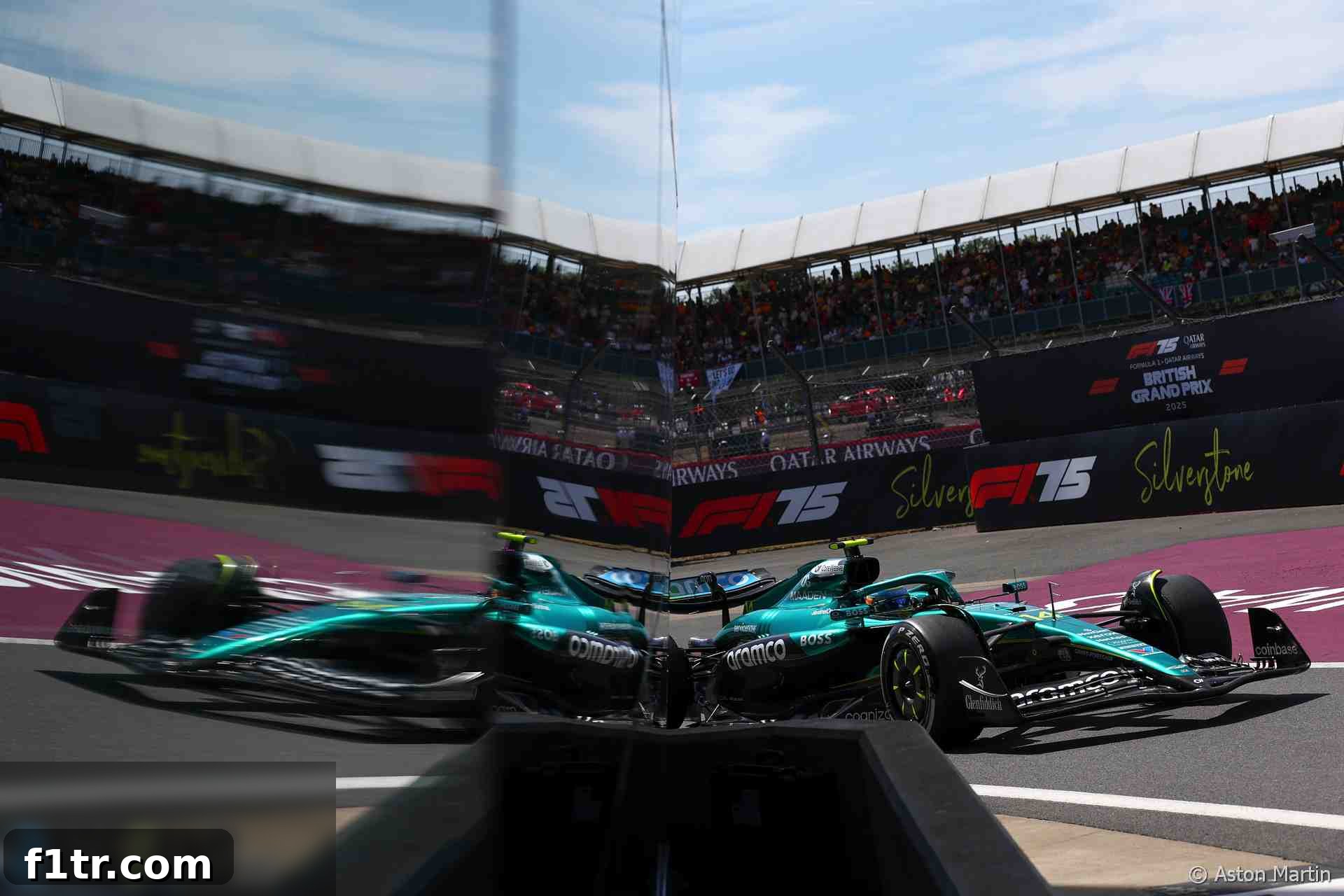
The most compelling team mate battle narrative, however, belongs to the Aston Martin garage, where Fernando Alonso has now comprehensively beaten Lance Stroll in qualifying sessions for an astounding 24 consecutive Grands Prix. This incredible sequence spans a full calendar year, dating back to Stroll’s last victory in a full qualifying session at Silverstone last year. While Stroll did manage to come out ahead in a shorter sprint race qualifying session during this period, the critical main event qualifying sessions, which determine the grid for the Grand Prix, have consistently gone Alonso’s way. This prolonged period of dominance by the two-time world champion against his younger teammate highlights Alonso’s enduring skill, immense experience, and unwavering commitment to performance, even in the twilight of his illustrious career. For Stroll, this streak represents a significant challenge, placing immense pressure on his shoulders and raising questions about his consistency against one of F1’s all-time greats.
Drivers Out-qualifying Their Team Mate: The Longest Streaks
| Rank | Driver | Streak |
|---|---|---|
| 1 | Fernando Alonso | 24 |
| 2 | Max Verstappen | 18 |
| 3 | George Russell | 6 |
| 4 | Oliver Bearman | 4 |
| 5 | Gabriel Bortoleto | 2 |
| = | Pierre Gasly | 2 |
| 7 | Carlos Sainz Jnr | 1 |
| = | Isack Hadjar | 1 |
| = | Lewis Hamilton | 1 |
| = | Oscar Piastri | 1 |
These streaks underline the consistent superior performance of certain drivers within their respective teams. Alonso’s remarkable 24-race run showcases his formidable qualifying prowess, while Verstappen’s nearly unbroken sequence continues to astonish. George Russell’s six-race streak points to his strong form, and the presence of rookies like Oliver Bearman and Gabriel Bortoleto with nascent streaks suggests promising talents emerging in the sport. Such sustained performance is a critical indicator of a driver’s value and their ability to maximize their car’s potential on a consistent basis, often having a ripple effect on team morale and development priorities.
Drivers Out-qualified by Their Team Mate: The Challenging Streaks
| Rank | Driver | Streak |
|---|---|---|
| 1 | Lance Stroll | 24 |
| 2 | Yuki Tsunoda | 10 |
| 3 | Andrea Kimi Antonelli | 6 |
| 4 | Esteban Ocon | 4 |
| 5 | Franco Colapinto | 2 |
| = | Nico Hulkenberg | 2 |
| 7 | Alexander Albon | 1 |
| = | Liam Lawson | 1 |
| = | Charles Leclerc | 1 |
| = | Lando Norris | 1 |
On the other side of the spectrum, these streaks highlight drivers who have found themselves consistently on the back foot against their teammates. Lance Stroll’s 24-race sequence, mirroring Alonso’s, is a significant concern for his season performance and his long-term prospects at Aston Martin. Yuki Tsunoda’s 10-race streak reflects the challenge of consistently competing against Max Verstappen’s extraordinary pace. Rookies like Andrea Kimi Antonelli, despite his talent, are naturally expected to face a steep learning curve, explaining his six-race streak. These figures often put immense pressure on drivers to find improvements and can lead to increased scrutiny from teams and media alike, impacting their confidence and future in the sport.
The Critical Stages: Q1 and Q3 Performance
Qualifying is a multi-stage elimination process, and performance in each segment—Q1, Q2, and Q3—offers distinct insights. Making it into Q3, the final segment contested by the top ten fastest cars, is crucial for securing a strong grid position and maximizing points potential in the race. Conversely, consistent Q1 eliminations can signal fundamental car or driver issues.
The elite performers in Q3 continue to be Max Verstappen and the McLaren drivers, Lando Norris and Oscar Piastri. They have maintained impressive runs of Q3 appearances that began even before the current season, showcasing the consistent speed and competitive edge of their respective cars and drivers. McLaren’s strong form and the exceptional talent of Norris and Piastri have made them regular fixtures at the sharp end of the grid, frequently challenging for pole positions and front-row starts. This consistency is a testament to the team’s ongoing development and the drivers’ ability to extract maximum performance.
For Carlos Sainz Jnr, there was a welcome return to form as he ended his challenging three-race streak of Q1 eliminations. This breakthrough is particularly significant for Sainz, especially given the ongoing speculation about his future in Formula 1. Consistently making it out of Q1 and into the higher qualifying segments is vital for him to demonstrate his capabilities and attract attention from other top teams. His return to Q3 contention marks a positive step forward, indicating a potential turning point in his season and reinforcing his reputation as a highly capable and sought-after driver.
Drivers Consistently Eliminated in Q1: The Early Exits
| Rank | Driver | Streak |
|---|---|---|
| 1 | Lance Stroll | 3 |
| 2 | Nico Hulkenberg | 2 |
| 3 | Franco Colapinto | 1 |
| = | Gabriel Bortoleto | 1 |
| = | Liam Lawson | 1 |
Frequent Q1 eliminations are a major setback for any driver and team. Lance Stroll’s three-race streak of early exits is particularly concerning, adding to the narrative of his current qualifying struggles and highlighting the performance deficit he faces. Nico Hulkenberg’s two-race streak also indicates challenges for his team in finding consistent pace. For rookies like Franco Colapinto, Gabriel Bortoleto, and Liam Lawson, a Q1 elimination in their limited appearances can be a tough learning experience, emphasizing the steep learning curve required to compete in Formula 1’s fiercely competitive qualifying sessions.
Drivers Consistently Reaching Q3: The Top Performers
| Rank | Driver | Streak |
|---|---|---|
| 1 | Lando Norris | 19 |
| 2 | Oscar Piastri | 16 |
| 3 | Max Verstappen | 15 |
| 4 | Lewis Hamilton | 5 |
| = | Charles Leclerc | 5 |
| 6 | George Russell | 4 |
| = | Andrea Kimi Antonelli | 4 |
| 8 | Pierre Gasly | 2 |
| 9 | Oliver Bearman | 1 |
| = | Fernando Alonso | 1 |
These streaks represent the cream of the crop in terms of qualifying performance. Lando Norris and Oscar Piastri, with their exceptional runs of 19 and 16 Q3 appearances respectively, underscore McLaren’s resurgence and their drivers’ supreme talent. Max Verstappen’s 15-race streak is another testament to his and Red Bull’s consistent dominance. Established champions like Lewis Hamilton and Charles Leclerc continue to showcase their ability to make it into the top ten. The emergence of young talent like Andrea Kimi Antonelli with a respectable four-race streak, alongside Oliver Bearman, signals the arrival of future stars who are already making their mark by consistently competing at the highest level of qualifying.
Experience RaceFans Ad-Free for Just £1 Per MonthUnlock an uninterrupted browsing experience and support independent F1 journalism. Discover more about becoming a RaceFans supporter and sign up today for exclusive benefits!
Never Miss a Story from RaceFans – Subscribe for Daily Updates
Receive a concise daily email featuring all our latest articles, insights, and analyses – with absolutely no marketing or advertisements. Stay informed and ahead of the curve. Sign up here:
Explore More: 2025 British Grand Prix Insights
Delve deeper into the narratives and analyses surrounding the recent British Grand Prix with our collection of related articles. From driver reactions to in-depth statistical breakdowns, discover all the key moments and discussions:
- Tsunoda says the stewards have “not been nice to me” as penalty points mount up
- ‘I’ve considered Hulkenberg an exceptional talent for a very long time’ – Wheatley
- Alpine is now F1’s highest scoring last-placed team of all time: British GP stats
- Ferrari had no GPS data from Hamilton’s car throughout British Grand Prix
- “The risk for us is a Safety Car”: Why Norris’s win was in danger for six laps
Browse all 2025 British Grand Prix articles