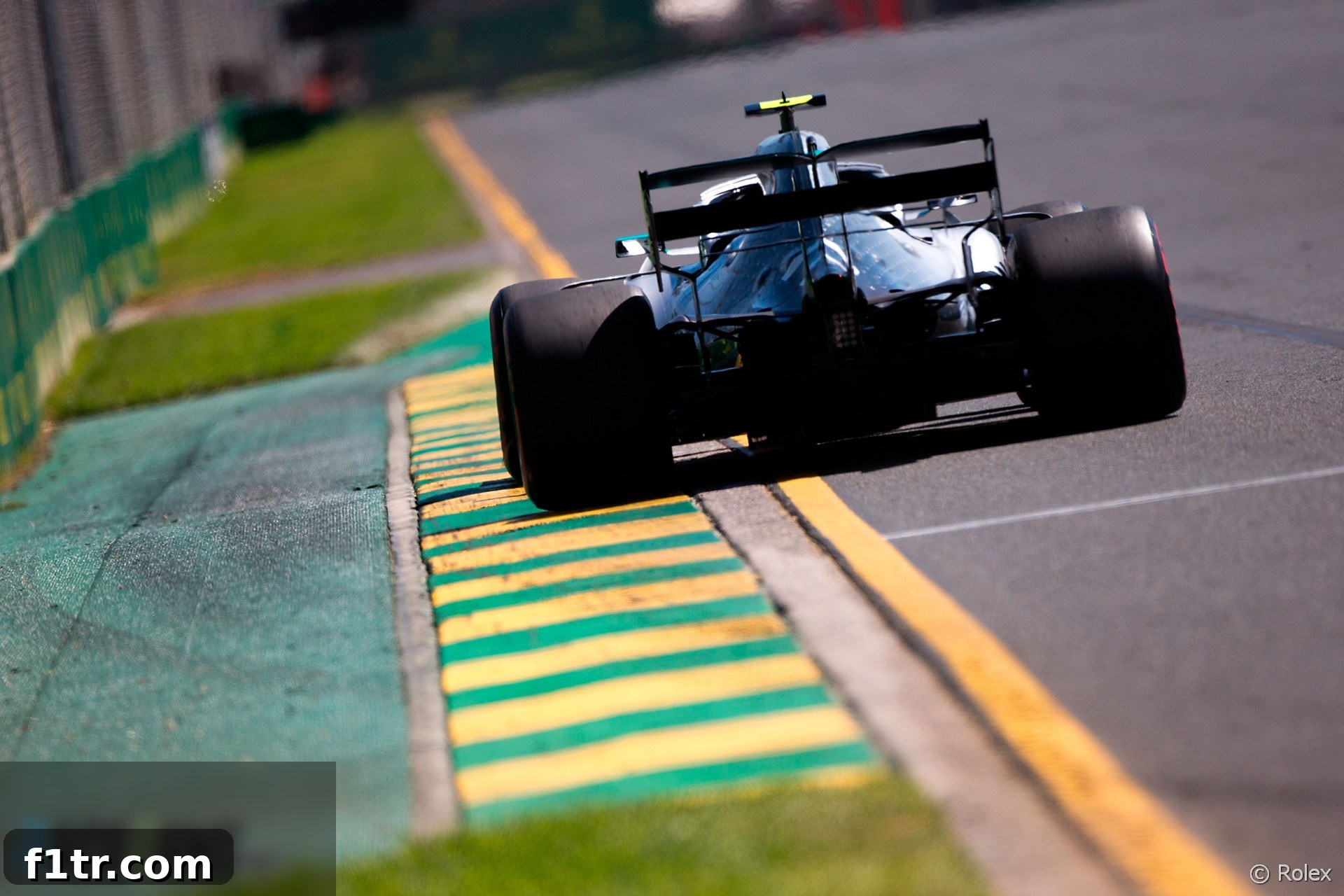
Formula 1 racing, at its core, thrives on close competition and thrilling overtakes. However, in the years leading up to the 2019 F1 season, concerns grew within the sport about the increasing difficulty for cars to follow each other closely and execute passing maneuvers. This led the sport’s governing body, the FIA, to implement a series of significant aerodynamic regulation changes aimed at revitalizing the on-track spectacle. Among the most prominent of these adjustments was a strategic increase in the power of the Drag Reduction System (DRS). According to Nikolas Tombazis, the FIA’s head of single-seater technical matters, boosting DRS was considered a “safe bet” to ensure a notable improvement in overtaking opportunities that year.
Advert | Become a Supporter & go ad-free
Speaking in the FIA’s official publication, Auto, Tombazis elaborated on the rationale behind the aerodynamic overhaul. He openly acknowledged that the decision to enhance the DRS effect was seen as a relatively straightforward and reliable method to generate more passing action. “In many ways, that was a safe bet,” he stated, “as we knew it would increase the effect of the Drag Reduction System and, therefore, a car would be able to close on the one in front more easily.” This direct approach aimed to provide drivers with a more potent tool to overcome the aerodynamic disadvantage of following another car, especially on straights.
Beyond the DRS adjustments, the 2019 regulations also mandated a simplification of front wing designs for all teams. This change was specifically targeted at reducing what is known as the ‘outwash’ effect. In previous seasons, complex front wing elements were designed to push turbulent air away from the car, creating a cleaner airflow over the car’s body. While beneficial for the car generating it, this ‘outwash’ contributed significantly to the ‘dirty air’ that made it incredibly challenging for a following car to maintain aerodynamic grip and stability. By simplifying these designs, the FIA hoped to minimize this detrimental effect, thereby enabling cars to run in closer proximity without suffering a dramatic loss of performance.
Anticipation was high regarding the combined impact of these regulatory shifts. Prior to the Bahrain Grand Prix, Tombazis expressed optimism that the synergy between a more powerful DRS and reduced outwash would translate into a significant increase in overtaking maneuvers, particularly at certain circuits. He offered a realistic outlook for the season opener, noting, “We were not expecting a huge delta in Australia, which is a difficult track at which to overtake in any case.” However, simulations provided a more encouraging picture for other venues. “Some simulations were showing an [over] 10% increase of overtaking, assuming a similar evolution of a race, of course. In other races, the same simulations expect a more sizeable increase, possibly to the tune of [over] 50%.”
Tombazis was careful to qualify these projections, emphasizing their basis in theoretical models. “To be clear, that is from simulations of cars following each other in races from last year, using this set of rules. That’s the feedback we’ve had so far, but it will really only become clear as we progress through the season.” He reiterated the long-term vision: “We weren’t expecting miracles in round one at Australia, but generally, we are expecting a step in the right direction as far as aerodynamics are concerned.” This measured optimism underscored the experimental nature of the changes, recognizing that real-world outcomes would only emerge as the season unfolded and teams adapted to the new technical landscape.
Drivers’ Perspective: DRS vs. Front Wing Effectiveness
As the 2019 season progressed, anecdotal evidence and direct feedback from drivers began to surface, offering valuable insights into the real-world impact of the new regulations. Several drivers, including Romain Grosjean, voiced the sentiment that the DRS changes had proven significantly more effective than the new front wings in boosting overtaking opportunities. This observation suggested that while the intent behind the front wing simplification was sound, its immediate, measurable effect on reducing turbulent air might not have been as pronounced as the more direct power injection of the enhanced DRS.
Nikolas Tombazis confirmed that this divergent feedback was prevalent among the teams as well. “All teams say the increased DRS effect is a strong positive,” he noted, reinforcing the widespread acceptance of this particular change. However, the assessment of the front wing’s impact was less unanimous: “Some teams say the front wake is going in the right direction but that it’s not a huge step, while others are saying it does represent a bigger change. It’s not fully clear yet.” This lack of consensus highlighted the complexity of aerodynamic effects, where subtle changes can have varying perceived impacts depending on a team’s car concept and measurement tools.
This dynamic also reignited a long-standing debate within Formula 1 regarding the nature of overtaking. Prominent drivers, including reigning world champion Lewis Hamilton and rising star Max Verstappen, have criticized DRS, labeling it a “band-aid” solution. Their argument centers on the idea that while DRS undeniably facilitates overtaking, it does so artificially, rather than addressing the fundamental aerodynamic issues that make following difficult in the first place. The ideal scenario, many argue, would be cars capable of battling closely through corners and straights without needing a mechanical assist to pass. This sentiment aligns with the FIA’s long-term vision, as the governing body has been actively planning a comprehensive overhaul of aerodynamic regulations for 2021, with the ambitious goal of potentially creating a DRS-free car.
Lessons for the Future: Paving the Way for 2021
Despite the mixed early feedback on the specific impact of the 2019 front wing rules, Tombazis emphasized the invaluable learning experience these changes provided for the FIA’s future regulatory efforts. The 2019 season was not just about immediate results; it was a crucial testing ground for understanding how modifications to aerodynamic principles could influence raceability. “I think that if we hadn’t gone through this process and we were sitting here writing the 2021 rules, we would be in a much weaker position,” he reflected. The practical application and subsequent analysis of the 2019 regulations offered real-world data and insights that simulations alone could not fully replicate.
The FIA’s ultimate objective for the 2021 regulations was to design cars that are inherently less sensitive to turbulent air, thereby allowing for closer, more sustained wheel-to-wheel racing. Tombazis reiterated the critical role of the 2019 season in this larger endeavor: “For what we are trying to achieve, 2019 has been a very useful exercise and has lessened the wake effect.” By experimenting with concepts like simplified front wings, the FIA gained a deeper understanding of how to manage and reduce the aerodynamic wake created by Formula 1 cars. This knowledge was directly fed into the development of the groundbreaking 2021 regulations, which aimed for a radical shift towards ground effect aerodynamics and further simplification of key components to fundamentally address the ‘dirty air’ problem. In essence, the 2019 season served as a vital stepping stone, providing essential data and lessons that would ultimately shape the future of Formula 1 car design and racing dynamics, moving the sport closer to its goal of thrilling, natural overtaking.
Advert | Become a RaceFans supporter andgo ad-free
Video: F1’s 2021 Aerodynamic Concept – A Glimpse into the Future
Advert | Become a RaceFans supporter andgo ad-free
Related Articles: Exploring the 2019 F1 Season and its Legacy
- Crying in the Melbourne car park at 2019 grand prix was my career low – Ocon
- McLaren Racing reports reduced £71 million loss in 2019
- Kvyat: Hockenheim podium last year was “my biggest achievement” so far
- How the FIA’s new encrypted fuel flow meter targets Ferrari’s suspected ‘aliasing’ trick
- “He smashed my office door”: 23 must-see moments from ‘Drive to Survive’ season two
Browse all 2019 F1 season articles