Mastering the Formula 1 Calendar: Strategy, Revenue, and the Road Ahead
Formula 1, often dubbed the pinnacle of motorsport, is not just a thrilling spectacle of speed and engineering; it’s also a sophisticated global enterprise. In a typical year, the Formula 1 Group commands revenues approaching $1.9 billion. A significant 80% of this staggering sum, roughly $1.5 billion, is directly attributed to Formula 1’s core operations, with the remaining balance generated by essential support series and diverse miscellaneous activities. This core F1 revenue is meticulously diversified across three primary income streams: race promotion fees, television broadcasting rights, and a combination of hospitality, trackside advertising, licensing, and merchandising. Each of the former two, race promotion and TV income, independently contributes a substantial 40% to the overall revenue, underscoring their critical importance to the sport’s financial health.
Delving deeper into these figures, race promotion fees alone account for an estimated $600 million annually. Based on a standard 22-round calendar, as was originally planned for recent years, this translates to an average fee of approximately $26.5 million per Grand Prix. This substantial per-race fee highlights the immense value F1 brings to host cities and nations. Crucially, each additional race not only bolsters these promotion fees but also significantly enhances the overall package value for teams, advertisers, and broadcasters. More races mean more platforms and locations for teams to showcase their prowess, for advertisers to reach global audiences, and for broadcasters to deliver captivating content, thereby generating further income for the sport and its participating teams.
The Evolving F1 Calendar: Balancing Growth with Allure
The strategic optimization of the Formula 1 calendar is, therefore, absolutely paramount to the profitability of the Formula 1 Group (FOG), and by direct extension, to the financial viability of the teams themselves. Historically, when Formula 1 experienced an abundance of applications from potential host venues relative to the available dates, the calendar management process was comparatively straightforward. Existing deals were extended upon expiry, or new locations were seamlessly introduced if continuation talks proved unsuccessful. This era, however, saw calendars typically listing around 16 races. The landscape has dramatically shifted, with the 2021 F1 calendar, for instance, showcasing an ambitious 23 events – an almost 50% increase in just a few years.
It is no secret that Liberty Media, the commercial rights holder of Formula 1, harbors plans for further expansion, eyeing a future with 24 rounds. The current Concorde Agreement, the foundational contract governing the sport, explicitly permits this increased number without requiring “unanimous team consent,” streamlining the process. However, the challenge of expanding the calendar even further without inadvertently diluting the unique allure and prestige of Formula 1, while simultaneously ensuring that every host venue offers a world-class experience, represents a significant hurdle that the sport’s leadership must meticulously navigate. The delicate balance between commercial growth and maintaining the sport’s elite status is a constant strategic consideration.
Navigating the Unprecedented: F1’s Resilient Response to COVID-19
The global COVID-19 pandemic cast an unprecedented shadow over Formula 1, presenting monumental challenges that tested the sport’s adaptability and resilience. Within weeks of a positive case emerging at the planned season opener in Melbourne, virtually every race on the meticulously planned 2020 calendar faced postponement or outright cancellation. This crisis necessitated a comprehensive and rapid renegotiation of all 2020 race contracts. The outcomes were as varied as they were complex: some events were successfully rescheduled to revised dates, a handful managed to retain their original slots, others were deferred to an unspecified future time, and unfortunately, many were canceled entirely. This period demanded extraordinary flexibility and negotiation prowess from F1’s commercial team.
Compounding these difficulties, each race that ultimately made it onto the revised 2020 calendar featured highly unique and bespoke contractual clauses, particularly for those venues that had not originally been part of the schedule. For instance, some promoters reportedly hosted their races on a revenue-share basis, aligning their financial returns with the event’s actual commercial performance. Others secured deals based on covering direct operational costs, often in exchange for an extension to their existing contract for an additional year. Still, other established venues, despite the global turmoil, maintained their demand for standard race hosting fees. Negotiating such a diverse array of clauses, under immense time pressure and the restrictive conditions of a global lockdown, represented an exceptionally daunting and intricate task.
The Architect of the Calendar: Chloe Targett-Adams’ Pivotal Role
At the forefront of these intensive activities stood Chloe Targett-Adams, Formula 1’s Global Director of Race Promotion. Having joined F1 in 2009 from Harbottle & Lewis LLP, a prestigious law firm specializing in media and entertainment, Targett-Adams brought a wealth of expertise to the role. Her diverse and distinguished career has seen her accumulate invaluable experience across international business development, the meticulous delivery of major and live events, the complex acquisition and development of commercial rights, navigating intricate government relations, and adept stakeholder management. In essence, her curriculum vitae presented a perfect match for the extraordinary demands of the situation.
As one of Formula 1’s most influential yet typically low-profile figures, Targett-Adams rarely grants interviews, largely due to the commercially sensitive nature of her extensive activities. However, recognizing the unparalleled circumstances Formula 1 faced due to the pandemic, she agreed to speak with RaceFans about the current season and the intricate process of shaping future calendars. There can be no doubt that Targett-Adams and her dedicated team of six individuals rose magnificently to the colossal challenges, successfully compressing a 17-round calendar – including five races not on the original schedule, two of which were entirely new entrants – into a mere 23 weeks, all at extremely short notice. This achievement was particularly remarkable considering that, shortly before the revised calendar was announced, former F1 supremo Bernie Ecclestone and ex-FIA president Max Mosley had publicly suggested that the entire 2020 season should be scrapped altogether.
Reflecting on this monumental effort, Targett-Adams stated, “It’s phenomenal to think what the Formula 1 community has achieved over the last few months. We’ve only been racing since July, and obviously, an enormous amount of planning went into that. But so far, we’ve successfully staged 14 races in 10 countries within this incredibly unique environment. Formula 1 proudly stood as the first major international sporting competition to restart safely. It was absolutely key for us, working in close collaboration with promoters, local governments, the FIA – who played an obviously crucial role – and all the teams, to ensure we could return safely. We haven’t completed all 17 races yet, so I believe the true celebrations will commence at that point, in Abu Dhabi, our final race.”
Logistical Marvels: Making the 2020 Season Happen
Her point is exceptionally well-made, especially considering that all 14 events scheduled up to that point had been successfully staged despite the constantly shifting complexities presented by COVID-19. While it might seem that the logistics for 12 of the 17 races, all hosted within Europe, were comparatively ‘easy’, Targett-Adams astutely highlighted that the five flyaway rounds presented distinct challenges. She pointed out that these quintet either had no support races or highly limited programs, thereby significantly reducing the overall logistical footprint and the number of personnel required to travel. Furthermore, she noted that even as Europe’s borders were largely sealed in certain instances, Formula 1, through concerted efforts, was able to legally cross them, showcasing remarkable diplomatic and operational success.
“A large part of it involved working closely with governments and local police in each country,” she elaborated. “Additionally, we managed to secure elite sport exemptions for our UK-based teams, which was crucial. We also have teams based in other countries – notably Italy, France, Switzerland – and managing personnel within the extensive supply chain, working across different nations, presented its own unique set of challenges. We successfully reduced the personnel footprint down to around 3,000 people, encompassing F1, F2, F3, and Porsche sport races. However, that still represents a huge number of individuals and an immense logistical undertaking to move across international borders. While longer distances are inherently more difficult, in Formula 1, it’s always ‘all hands on deck,’ and we get it done, no matter the obstacle.”
Transformative Lessons and Future Efficiencies
The experience of navigating the pandemic years has been a profound learning curve for the sport. When asked if Formula 1 had gleaned any insights that could be gainfully applied to future calendars and operations, Targett-Adams unequivocally affirmed, “I think it’s enabled so many lessons to be learned. One of these is to really re-evaluate what efficiencies can be gained, to question the way you do things. ‘Is that the right way? Can we do things differently?’ This period forced us to innovate at an unprecedented pace.”
She highlighted a particularly striking example: “Look at our remote [television] operations. That was a strategic plan we had been wanting to put into motion over the next two or three years; incredibly, it was achieved in just eight weeks during the pandemic. This demonstrates the immense capacity for rapid innovation when necessity dictates. You know, F1 provides incredible entertainment content for fans, but it’s also the livelihood for many people within its vast ecosystem and makes major contributions to the economies in which we operate, from local businesses to national tourism sectors.” The pandemic underscored F1’s role as a significant economic driver, making its safe and continued operation paramount.
The Art of Negotiation: Crafting Unique Race Agreements
Beyond the logistical triumphs, the commercial team faced the unenviable task of communicating with venues that, for various reasons, could not be included in the revised calendar. Targett-Adams acknowledged the inherent difficulty, stating, “Our race promoters have been extremely supportive, and I would hope they believe we’ve been very supportive partners to them. We’ve all found a way where we could either race with them this year, whether with closed-door racing or with more limited fan events on certain occasions, or where it just was not feasible to go ahead. It’s been very painful for some people as well in terms of how the pandemic has been managed, because F1 is people’s livelihoods in business, and other people relying on races within the local supply chain suffered significantly. So, it definitely wasn’t easy. But I think ultimately, it brings everyone together and reminds us of the profound value of Formula 1 and why we do what we do.”
As previously highlighted, virtually every Formula 1 contract is unique, a protocol that continued with the agreements for the ‘COVID GPs’. When asked about the process of renegotiating these complex contracts, Targett-Adams explained, “There was a different objective, a different model for each location. This meant we had to be incredibly flexible and adaptive. In negotiation, you know, there’s a toolbox of items we can work with, but it also requires immense creativity, to be able to flex. There simply isn’t a one-size-fits-all model. Because there are ultimately varying costs of getting to different locations, and there are different objectives for each race. So, we meticulously worked out the most optimal model for each race promoter, and for government stakeholders, ensuring a mutually beneficial outcome wherever possible.”
The Future Race Landscape: New Venues and Renewals
Among the many races that regrettably dropped off the calendar was Vietnam, which had been poised to host its inaugural round in April. The Hanoi street race was not confirmed for the 2021 season, raising questions about the status of what was initially the first completely new event added to the calendar since Liberty Media acquired F1’s commercial rights almost four years prior. Targett-Adams, adopting a diplomatic stance, noted: “We will race at an alternative location if we have to, but obviously, conversations with Vietnam remain ongoing. We have a number of options because we’ve gone through that intense process this year. We’ll keep everyone updated, hopefully by the end of this year.”
As current plans stand, the only truly all-new race Liberty Media has added to the schedule is Saudi Arabia – distinguishing it from returnee circuits like Paul Ricard and Zandvoort. The inclusion of Saudi Arabia has attracted considerable criticism, particularly concerning human rights issues. The counter-argument, of course, is that Formula 1 is a world championship, and as such, it thrives on diversity and global reach. If the race genuinely results in the promised social and economic reformations within the region, then its inclusion, from F1’s perspective, could be amply justified as a catalyst for positive change.
Looking ahead to 2021 and beyond, several high-profile races had been due for renewal in the past year – a matter that became largely moot due to the pandemic’s disruptions. However, an even greater number of significant contracts are set to expire in the coming years. These include iconic venues such as Bahrain, Belgium, Brazil, Japan, Monaco, and Singapore. The crucial question facing F1’s commercial team is whether these deeply valued events will be renewed, and critically, on what revised terms.
Targett-Adams offered some insight into key renewals. Brazil, for instance, remains an incredibly important market for Formula 1, boasting millions of passionate fans and a legendary association with figures like Ayrton Senna. “An opportunity to renew in Sao Paulo presented itself, so it is on the calendar and subject to an extended multi-year contract. That’s where we’re going to be racing next year,” she confirmed, indicating a deal close to final signature, if not already completed. For Monaco, discussions remain ongoing, Targett-Adams stated, while indirectly confirming the understanding that the principality does indeed pay a hosting fee. “We’re fortunate that all of our commercial arrangements do include a race fee, and that’s obviously a key part of our business model and includes Monaco,” she clarified. She, however, would not be drawn on the specific annual fee, which is widely believed to be on the lower side, estimated at around $15 million (£11.29 million), reportedly derived from taxes levied on yacht movements and apartment rentals during the prestigious Grand Prix weekend.
Criteria for a Grand Prix Host: Beyond Just Money
The decision-making process for contracting a Formula 1 race is multifaceted, extending far beyond a simple fee-based competition. Targett-Adams outlined three key elements that form the core of this “distilling process.” Firstly, and perhaps most crucially, is **racing**. “We’ve got to go somewhere where we’re going to have spectacular racing, that it’s going to work well in terms of being able to get that competition element that truly works – that the teams work for, for the TV product, for the digital product that is put out,” she explained. This emphasizes the circuit layout, track characteristics, and overall potential for thrilling, wheel-to-wheel action as a fundamental criterion.
Secondly, **revenue** is undeniably key. “It’s got to commercially work, not just for the race [television] feed side, but across the entire ecosystem and the various commercial opportunities that might arise from that location,” she stated. This holistic view considers not only the direct hosting fee but also the broader economic impact, potential sponsorship deals, hospitality revenues, merchandising opportunities, and the overall commercial footprint a location can offer to the sport.
Thirdly, and increasingly important in F1’s current strategy, is **reach**. “We’ve made no secret of the fact that we want to grow our fan base. We’re incredibly fortunate to have half a billion fans globally, but we want to grow that, and we want to grow it globally,” Targett-Adams emphasized. “So, we’ve got to find locations, and we have found such locations in the past, but we also continue to race in locations which are our most historic, elements of our 70-year history, like Silverstone, that attract fans that enable us to grow our fan base and get the widest possible reach.” This criterion balances the desire for new, untapped markets with the tradition and established fan bases of classic venues.
To achieve its ambitious global reach objectives, Formula 1 is actively eyeing races in further regions. This includes exploring additional events within existing territories such as the USA, China, and South America, where significant growth potential still exists. Furthermore, the continent of (South) Africa remains very much on the wish list, with the historic Kyalami circuit often cited as a prime candidate. However, Africa is an enormous continent, and it currently stands as the only continental exclusion from the F1 calendar (save Antarctica). Securing a Grand Prix at such a historic venue would be a symbolic and strategic coup, but it is by no means a given, requiring complex negotiations and infrastructure development.
Enhancing the Fan Experience: Uniformity and Local Flavor
As the director of global race promotions, Targett-Adams is acutely aware that fan experiences can vary enormously across different events. While cultural, societal, and culinary differences are naturally to be expected – and indeed welcomed as part of the global F1 experience – the core race experience itself can sometimes leave much to be desired. This disparity is deemed unacceptable for a premium global product like Formula 1. “That is something we’re very cognizant of and actively looking at,” she acknowledged. “It’s key for us that the fan experience is high value, is high quality, and that there’s confidence to come to our events, particularly under post-COVID conditions.”
“What’s key in that is more uniformity of standards for event and venue facilities without losing the localization. It’s something that’s very much on our radar, we work with all parameters on it. And it’s something that is really important to us.” This strategic imperative seeks to elevate the baseline quality of facilities and services across all Grand Prix venues, ensuring a consistently excellent experience for fans, while still allowing each host city to imbue its event with unique local character and charm.
Innovations on the Horizon: Two-Day Weekends and Night Races
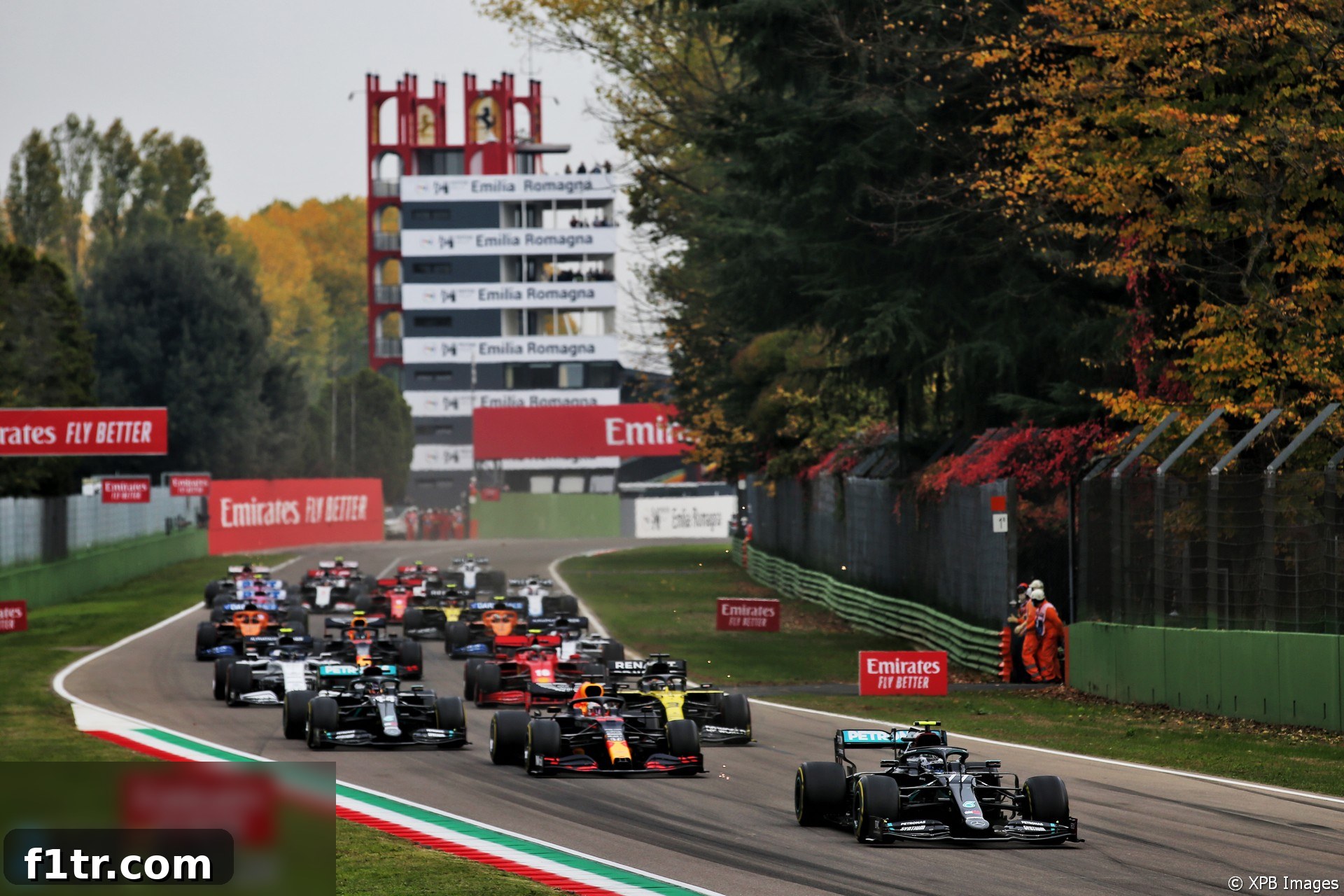
The evolution of the Grand Prix weekend format is also a significant discussion point, particularly the potential for Formula 1 to move towards hosting more two-day race weekends in the future, as notably experimented with at Imola. Targett-Adams believes fans will accept the idea of F1 being a ‘headline’ event positioned within a wider weekend of other motorsport categories and diverse entertainment. This format could offer logistical advantages, reduce costs for teams, and potentially enhance the overall fan experience by creating a festival-like atmosphere beyond just the F1 action.
Another prominent trend is the increasing number of night races on the calendar, with Jeddah’s addition being the latest example. When questioned about the likelihood of more such events, Targett-Adams clarified, “It’s about looking at what’s relevant to the local market. When working with our Saudi Arabian promoter and their stakeholders, it was key for Jeddah that a night race would be the most conducive to marketing the event for television, aligning with optimal viewership times and creating a visually stunning spectacle.”
However, she stressed that this is not a universal strategy: “Were we looking at, say, an event in Turkey, that wouldn’t necessarily work in that environment due to different geographical and cultural contexts. There’s no set strategy from our side that we have to have more night races. It’s about meticulously looking at the race and the specific objectives in that particular location. I think it’s something that we constantly assess and evaluate. The key factor for us is to really try to look at what’s possible, and that is what COVID showed us: To see what delivers the optimal outcomes for Formula 1 and the sport as a whole, ensuring continued growth and success in an ever-changing global landscape.”