Formula 2 Adds French Grand Prix to 2022 Calendar, Replaces Sochi Round
Formula 2, the premier feeder series to Formula 1, has officially announced a significant adjustment to its 2022 racing calendar. Following the cancellation of its scheduled round in Sochi, Russia, the championship will now race alongside the French Grand Prix at Paul Ricard. This strategic addition ensures the series maintains a robust schedule, providing crucial opportunities for young talents aiming for the pinnacle of motorsport.
The decision comes in the wake of Formula 1’s earlier confirmation that it would not seek a replacement for the cancelled Russian Grand Prix on its own schedule. The F1 event, originally planned for September, was removed from the calendar in response to the ongoing geopolitical situation concerning Russia’s invasion of Ukraine. While F1 opted for a revised 22-race season, F2 had always indicated its intent to find a substitute event, underlining its commitment to its teams and drivers.
Commitment to a Full Calendar: Bruno Michel’s Vision
Series CEO Bruno Michel had previously articulated the championship’s proactive approach to mitigating the impact of the Sochi cancellation. Speaking to the press before the F2 event at Imola, Michel stated, “We’re working to replace Sochi and I think we’ll be able to announce something quite soon.” His assurance to the teams that the series “would go along with 14 [rounds] this year” showcased F2’s dedication to a comprehensive racing program. This commitment is vital for driver development, offering maximum track time and competitive scenarios necessary for aspiring Formula 1 stars to hone their skills and prove their mettle. The addition of the French Grand Prix round brings the calendar back to the desired 14 events, ensuring a full championship fight.
Paul Ricard: A Strategic and Welcome Addition
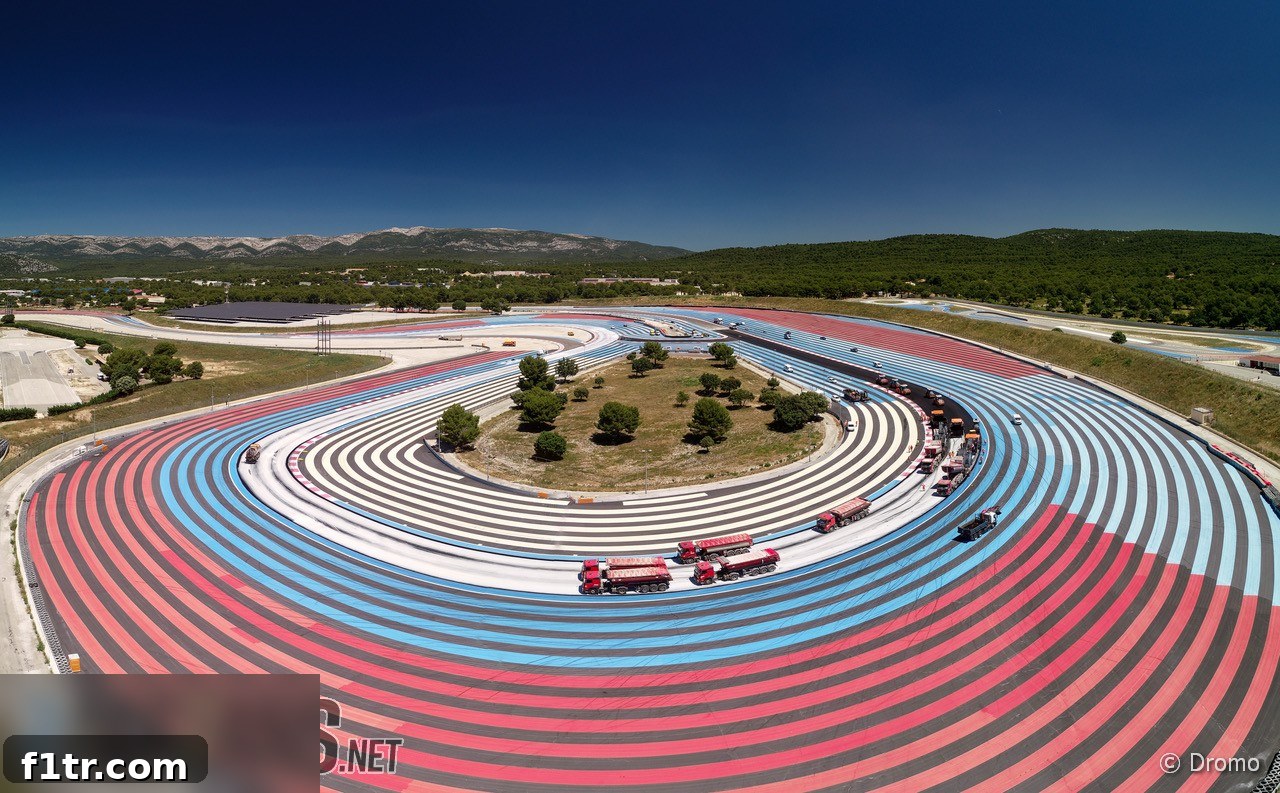
The French Grand Prix at the Circuit Paul Ricard stood out as the only European Formula 1 round on the original calendar that did not feature either Formula 2 or Formula 3 as a support category. This made it a logical and fitting choice for F2 to fill the void left by Sochi. The series will now join the all-female W Series, ensuring a comprehensive package of thrilling motorsport action for fans attending the Paul Ricard event. The picturesque circuit in Le Castellet, with its distinctive blue and red run-off areas, offers a unique challenge to drivers, combining fast straights with technical corners, making it an excellent test for the F2 machinery and its competitive grid.
For the Formula 2 championship, racing alongside Formula 1 is paramount. It provides drivers with exposure to the F1 paddock, allows them to showcase their abilities in front of team principals and scouts, and acclimates them to the Grand Prix weekend format. The inclusion of Paul Ricard not only replaces a lost round but also strategically places F2 on an F1 support bill where it was conspicuously absent, thus maximizing its visibility and relevance within the motorsport ecosystem.
An Intensified Summer Schedule: The Impact on Teams and Drivers
The integration of the French Grand Prix into the F2 schedule creates an incredibly intense period for the teams and drivers. The calendar now features an unprecedented four double-header rounds within the space of just five weeks, presenting significant logistical and performance challenges. This demanding stretch begins with the Silverstone round from July 1st-3rd, immediately followed by the Spielberg event in Austria from July 8th-10th. After a brief two-week hiatus, the championship descends upon Le Castellet for the French Grand Prix from July 22nd-24th, concluding this high-octane run with the Hungarian Grand Prix in Budapest from July 29th-31st.
This concentrated period of racing will undoubtedly test the endurance and adaptability of everyone involved. For drivers, it means sustained mental and physical pressure, with little time for recovery or detailed preparation between events. For teams, the logistical strain of transporting equipment, managing personnel, and maintaining peak performance across four distinct venues in such quick succession will be immense. However, such challenges are often seen as part of the rigorous training ground that F2 provides, preparing future F1 stars for the demanding schedule of the top tier.
With this adjustment, Formula 2 is now set to hold 28 races throughout the 2022 season, marking its longest-ever calendar. This expanded schedule reflects the growing stature and popularity of the series, ensuring that drivers have ample opportunities to demonstrate their talent and compete for the coveted championship title. While demanding, a longer calendar offers more chances for drivers to recover from bad weekends, show consistency, and accumulate vital experience across diverse track conditions and layouts.
The Lingering Gap: Monza to Yas Marina
Despite the positive development of adding the French Grand Prix, the absence of the Sochi round in September means that a significant gap remains in the latter part of the F2 calendar. Following the Italian Grand Prix at Monza on September 9th-11th, there will be a substantial break of over two months before the season finale at Yas Marina in Abu Dhabi from November 18th-20th. This extended pause could affect the championship’s momentum, potentially allowing leaders to consolidate or creating a difficult period for drivers needing to maintain focus and fitness.
The reasons for not filling this particular gap could be multi-faceted, ranging from logistical complexities and cost implications for teams to the challenge of finding a suitable venue that aligns with existing F1 schedules and F2 operational requirements. Such a long break could influence strategy, perhaps encouraging teams to focus on development during this downtime or allowing drivers to engage in additional training. It also means that the final push for the championship will require a strong re-acclimation after a lengthy absence from competitive racing.
A Return to History: F2 at Paul Ricard Remembered
This year’s event will mark Formula 1’s top feeder series’ first return to the French venue since 2019. That memorable season saw future F1 driver and current Formula E champion Nyck de Vries dominate the feature race, showcasing the talent that would eventually earn him the F2 title. De Vries’s victory at Paul Ricard was a testament to his prowess and consistency, laying a crucial foundation for his championship success that year.
The 2019 sprint race at Paul Ricard held even greater significance, as it was won by French driver Anthoine Hubert. This poignant victory marked his final triumph before he tragically lost his life in a horrific crash during the Spa-Francorchamps round just two months later. Hubert’s legacy continues to inspire many in the motorsport community, and his spirit will undoubtedly be remembered as F2 cars once again take to the challenging French circuit. His talent and promising career were cut short, but his impact on the series and his fellow competitors remains profound, making this return to Paul Ricard all the more meaningful for those who remember his achievements.
The Indispensable Role of Formula 2
The Formula 2 championship is more than just a support series; it is a critical proving ground for the next generation of Formula 1 talent. Its demanding calendar, diverse circuits, and highly competitive field prepare drivers for the immense pressures of F1. The adjustments made to the 2022 calendar, particularly the proactive replacement of a cancelled round, underscore the series’ dedication to providing a complete and challenging environment for driver development.
As the season progresses, all eyes will be on how drivers and teams navigate the intensified summer schedule and the long gap towards the finale. The addition of the French Grand Prix ensures that the 2022 Formula 2 championship remains a captivating and comprehensive journey, essential for identifying and nurturing the future stars of motorsport.
Related Formula 2 Content
- Formula 2 to debut in Miami and Montreal after Iran war cancellations
- Ex-McLaren junior Dunne’s move to Alpine finally confirmed
- Schumacher says his IndyCar feels like ‘an F2 car, just with better tyres’
- The Formula 2 team with an older driver line-up than almost half the F1 grid
- FIA to award more F1 superlicence points to IndyCar drivers from 2026
Browse all Formula 2 articles