Formula 1’s 2019 Aerodynamic Overhaul: A Bold Bid for Enhanced Overtaking
Formula One, often lauded as the pinnacle of motorsport engineering, has consistently grappled with a core challenge: facilitating exhilarating, wheel-to-wheel racing. For years, the complex aerodynamics of F1 cars, while pushing performance boundaries, inadvertently created a phenomenon known as “dirty air,” making it notoriously difficult for cars to follow closely and, consequently, to overtake. In a decisive move to address this, a series of significant aerodynamic changes were ratified for the 2019 season, designed specifically to foster closer competition and boost the spectacle of Grand Prix racing.
These revisions, approved following extensive research and collaboration, primarily focused on simplifying key aerodynamic components. The most prominent alterations included redesigned front wings, streamlined brake ducts, and expanded rear wings, the latter intended to significantly enhance the efficacy of the Drag Reduction System (DRS). While a proposal to simplify barge board designs ultimately didn’t gain approval, the FIA expressed strong confidence that the implemented changes would lead to a marked improvement in racing dynamics.
Addressing Formula 1’s Overtaking Conundrum
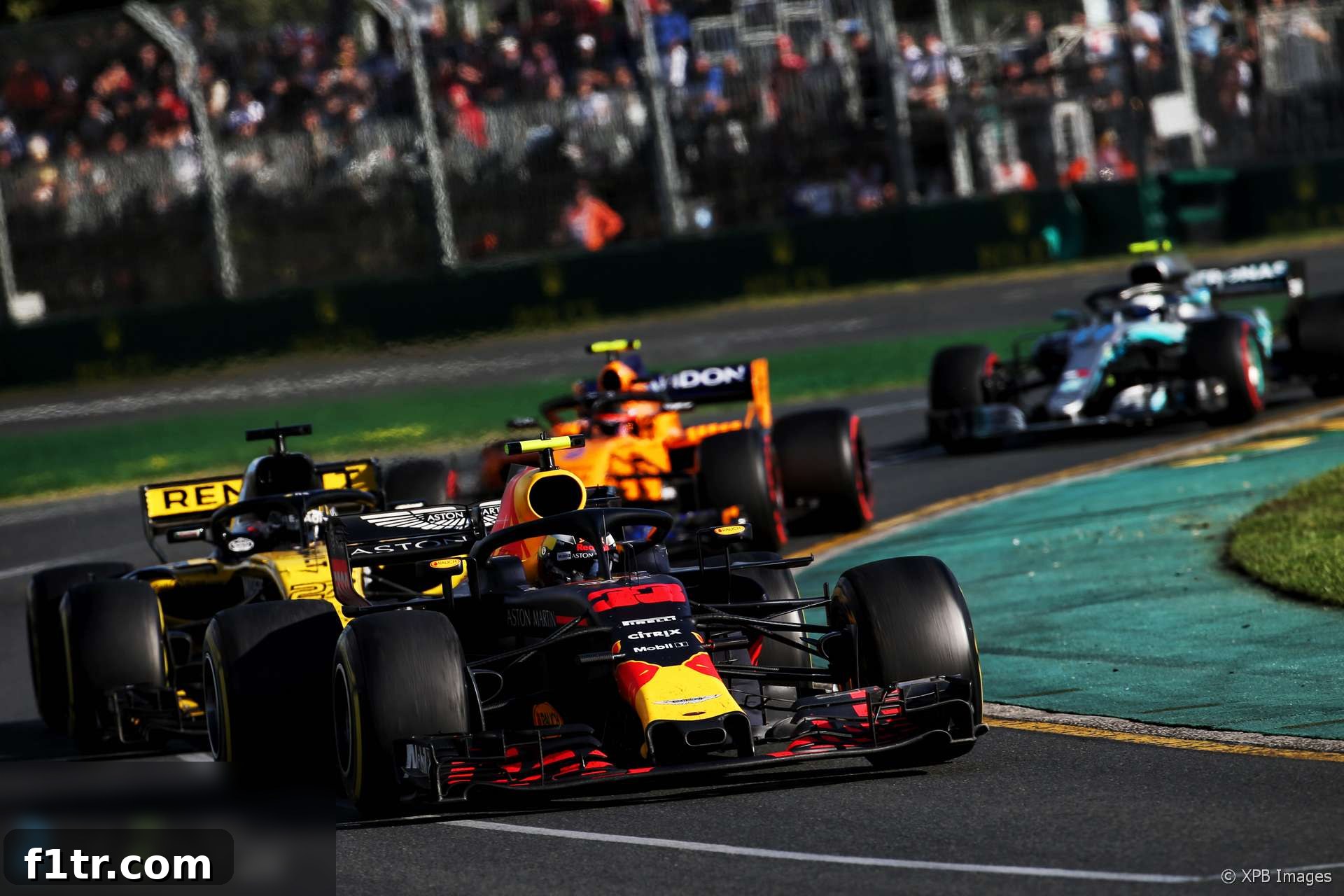
The inherent design philosophy of modern Formula 1 cars prioritizes maximizing downforce to achieve breathtaking cornering speeds. However, this pursuit often comes at a cost to the racing spectacle. A car generates a turbulent wake of air – commonly referred to as ‘dirty air’ – behind it. When a following car enters this turbulent air, its own aerodynamic performance is severely compromised. The dirty air reduces the downforce generated by the following car’s wings and other aero elements, leading to a loss of grip, an increase in understeer, and making it incredibly challenging for drivers to maintain proximity and prepare for an overtaking manoeuvre.
This challenge is particularly pronounced with the highly complex front wings prevalent in F1. These intricate multi-element designs are not just about generating downforce at the front of the car; they also play a crucial role in managing the airflow around the car, directing it in specific ways to optimize performance further downstream. This airflow management, often termed ‘outwashing,’ pushes air outwards around the front tyres and chassis, effectively cleaning up the airflow for the rest of the car. While beneficial for a single car’s performance, it exacerbates the dirty air problem for anyone attempting to follow, creating a wide, turbulent wake that essentially acts as an invisible barrier.
The Core Aerodynamic Revisions for 2019
The 2019 regulations targeted these specific areas of aerodynamic complexity, seeking to unwind years of intricate development in a bid to make the cars more ‘raceable.’ The primary goal was to reduce the sensitivity of a following car to dirty air, thereby empowering drivers to push harder and engage in more sustained battles.
Simplifying the Front Wing: Tackling the Turbulence
Perhaps the most visually striking and functionally significant change was the simplification of the front wing. The intricate cascades, winglets, and complex endplates that had become synonymous with modern F1 front wings were drastically reduced. The new regulations mandated a simpler, wider, and deeper front wing design, specifically targeting the ‘outwashing’ effect.
Previously, teams meticulously crafted their front wings to push turbulent air generated by the front tyres outwards and away from the car’s body. While effective for the car itself, this created a wider wake of turbulent air, severely impacting a car trying to follow. The 2019 front wings were designed to be more prescriptive, with fewer elements and a greater emphasis on generating downforce directly, rather than managing complex airflow patterns across the rest of the car. The intention was to reduce the extent to which the front wing manipulated airflow outwards, thereby creating a narrower, less disruptive turbulent wake for following cars. This simpler design also aimed to make the car less sensitive to losses when encountering turbulent air, allowing drivers to stay closer for longer periods, ultimately creating more opportunities for overtaking attempts.
Amplifying the Rear Wing’s Role and DRS Effectiveness
In conjunction with the front wing changes, the rear wing underwent significant modifications. For 2019, rear wings were made both wider (by 100mm) and deeper (by 20mm). This increase in overall surface area had a dual purpose. Firstly, it contributed to the overall downforce generation of the car, balancing the potential loss from the simplified front wing. More importantly, however, it was designed to significantly amplify the effectiveness of the Drag Reduction System (DRS).
DRS allows drivers to momentarily flatten their rear wing in designated zones, reducing aerodynamic drag and providing a crucial speed advantage for overtaking. By making the rear wing larger, the amount of drag that could be shed when DRS was activated increased substantially. This meant that when a driver deployed DRS, they would experience a more pronounced speed differential compared to the car ahead, making overtakes more decisive and less marginal. The aim was to give the attacking driver a more potent tool to complete a pass, encouraging more strategic play and more successful overtaking manoeuvres throughout a race.
Streamlining Brake Ducts: A Subtle Yet Significant Change
While often overlooked in discussions about major aerodynamic overhauls, the brake ducts also received attention from the regulators. In modern F1, brake ducts are not merely for cooling the brakes; their intricate designs have evolved to play a crucial role in overall aerodynamic performance. Teams cleverly utilize the airflow around and through the brake ducts to manage tyre wake, generate localized downforce, and influence the overall aerodynamic efficiency of the car, often contributing to the ‘outwash’ effect.
For 2019, the brake ducts were simplified, with stricter controls on their aerodynamic complexity. This subtle change was another piece of the puzzle aimed at reducing the overall aerodynamic ‘mess’ created by a car and minimizing the intricate ways in which teams could manipulate airflow to their advantage. By limiting their aerodynamic influence, the intention was to further reduce the turbulent wake generated by the cars, supporting the broader goal of making it easier for cars to follow one another.
The Unapproved Barge Board Proposal: A Glimpse into Team Dynamics
Interestingly, not all proposed changes made it through the final vote. A significant proposal to simplify the barge board designs for the 2019 cars was ultimately not approved. Barge boards are highly complex aerodynamic devices located between the front wheels and the sidepods. Their primary function is to condition and direct the turbulent airflow coming off the front wheels and the front wing, cleaning it up and managing its interaction with the sidepods and the floor of the car.
Simplifying barge boards would have been another substantial step towards reducing the aerodynamic sensitivity and complexity of the cars, further diminishing the generation of dirty air. The reasons for its rejection are multi-faceted. It likely stemmed from a combination of factors: teams’ desire to retain a degree of freedom in this highly influential aerodynamic area, the potential cost implications of a complete redesign, and possibly a perception that the impact on overtaking would be less significant compared to the front wing changes. This episode highlights the constant tension between the FIA’s drive for better racing and the teams’ pursuit of performance through design innovation.
The FIA’s Data-Driven Approach and Confidence
The decision to implement these 2019 changes was not taken lightly. The FIA emphasized that the vote followed “an intense period of research” conducted by a majority of the F1 teams, with the support of the sport’s Commercial Rights Holder. This collaborative effort involved extensive computational fluid dynamics (CFD) simulations, wind tunnel testing, and detailed data analysis to understand the effects of various aerodynamic configurations.
The governing body issued a statement expressing strong confidence in the outcomes: “These studies indicated the strong likelihood of a positive impact on racing and overtaking within F1 and as such have now been ratified for implementation in 2019.” This assertion underscores a data-driven approach, a significant departure from some past regulatory changes which were sometimes perceived as more speculative. The scientific backing provided a robust foundation for the rule changes, aiming to ensure they delivered on the promise of more engaging racing.
Beyond 2019: A Stepping Stone to Future Regulations
It is crucial to understand that these 2019 aerodynamic changes were distinct from the even more comprehensive and radical overhaul planned for the 2021 Formula 1 season. The FIA explicitly clarified this, stating, “The approved changes are separate to the ongoing work being undertaken in regard to defining Formula 1’s regulations for 2021 and beyond.”
However, the 2019 changes undoubtedly served as a valuable testbed and a learning experience. They allowed the sport to gauge the real-world impact of significant aerodynamic simplification on racing dynamics. The lessons learned from the 2019 season provided crucial insights and data that informed the further development of the more extensive 2021 technical regulations, which aimed for an even greater reduction in dirty air and a fundamental shift in F1’s aerodynamic philosophy. In essence, 2019 was an important step in a longer journey towards a future where closer racing is the norm, not the exception.
Anticipating the Impact: Hope vs. Reality
As with any significant regulatory change in Formula 1, there was a mixture of cautious optimism and inherent skepticism surrounding the 2019 aerodynamic overhaul. The sport’s history is replete with instances where rule changes intended to improve racing were quickly circumvented or optimized by the ingenuity of F1 engineers. Teams are incredibly adept at finding performance within the new rulebook, and it was widely anticipated that much of the intended “simplicity” would quickly be re-complicated through innovative interpretations.
Drivers too, often provide a critical perspective. While welcoming any initiative to improve overtaking, they remained pragmatic about the extent to which the changes would transform the racing. The ultimate test, as always, would be on the track during the 2019 season. Would the simplified front wings genuinely reduce dirty air? Would the enhanced DRS lead to more successful overtakes, or merely make them too easy? These questions fueled much of the anticipation leading up to the new season, with fans eager to see if the FIA’s bold gamble would pay off.
In conclusion, the 2019 Formula 1 aerodynamic regulations represented a determined effort by the sport’s governing body to tackle one of its most persistent challenges: the difficulty of overtaking. By simplifying front wings, streamlining brake ducts, and enhancing DRS through larger rear wings, the FIA aimed to create an environment where drivers could race closer and battle harder. While serving as a crucial stepping stone towards future regulations, these changes were a significant statement of intent, signaling Formula 1’s commitment to delivering a more thrilling and engaging spectacle for its global fanbase. The 2019 season offered a compelling preview of what a more raceable era of Formula 1 could look like.
Related 2019 F1 Season Articles
- Crying in the Melbourne car park at 2019 grand prix was my career low – Ocon
- McLaren Racing reports reduced £71 million loss in 2019
- Kvyat: Hockenheim podium last year was “my biggest achievement” so far
- How the FIA’s new encrypted fuel flow meter targets Ferrari’s suspected ‘aliasing’ trick
- “He smashed my office door”: 23 must-see moments from ‘Drive to Survive’ season two
Browse all 2019 F1 season articles