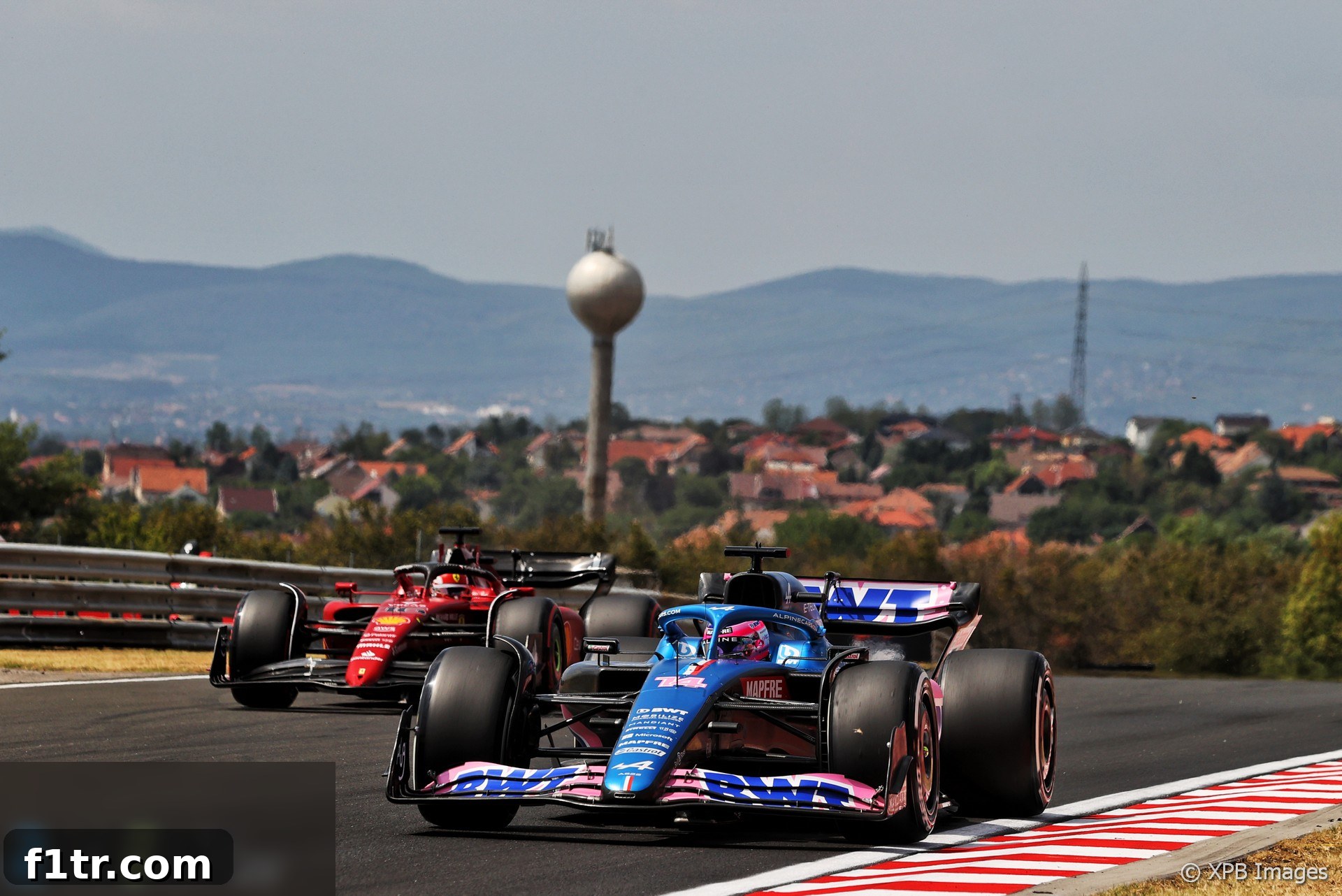
FIA Directives: Alpine Weighs In on Skid Block Rules and Porpoising Debate
Formula 1 is a sport where technical ingenuity constantly pushes the boundaries of regulations. The 2022 season, in particular, saw a significant overhaul of technical rules, reintroducing ground effect aerodynamics and sparking intense debate around specific design interpretations. Amidst this backdrop, Alpine F1, a prominent midfield contender, found itself closely watching the FIA’s interventions, particularly a technical directive concerning skid blocks set to be enforced from the Belgian Grand Prix. The team’s principal, Otmar Szafnauer, offered candid insights into how these changes might impact the competitive landscape and shared his perspective on the ongoing discussion surrounding ‘porpoising’ and potential future floor regulations.
The Skid Block Controversy: Leveling the Playing Field
The new technical directive, officially known as TD/018-22, aimed to clarify and tighten the rules around the use of skid blocks. These sacrificial planks, typically made of a hard, wear-resistant material like Jabroc, are located underneath the car’s floor. Their primary purpose is to provide a reference point for ride height measurement and to prevent teams from running their cars excessively low, which could lead to safety issues and potential damage. The FIA mandates a minimum thickness for these planks, which reduces as they wear down over a race distance. However, allegations emerged from several teams suggesting that some rivals were exploiting loopholes, potentially using flexible or specially designed skid blocks that could wear in an irregular fashion, thereby allowing them to run their cars at an illegally low ride height for a performance advantage.
Running a car closer to the ground generally improves aerodynamic efficiency, enhancing downforce and cornering speeds. The FIA’s directive sought to eliminate any such grey areas, ensuring that all teams adhered to the spirit and letter of the regulations regarding skid block wear and floor rigidity. The changes were implemented not just to ensure fair competition but also to maintain the integrity of the technical regulations which define the very DNA of Formula 1. The introduction of these new restrictions from Spa-Francorchamps represented a significant moment, potentially resetting the performance parameters for certain teams who might have been benefiting from a more aggressive interpretation of the rules.
Alpine’s Position: A Hope for Relative Gain
Otmar Szafnauer, ever pragmatic, articulated Alpine’s stance on the skid block directive with a mixture of caution and optimism. “It’s hard to know because you can still kind of get around it a little bit,” he conceded, hinting at the perennial challenge of policing technical regulations in a sport driven by engineering innovation. However, he quickly clarified Alpine’s own position, stating definitively, “But we don’t do it for sure so it won’t prejudice us at all. It won’t put us in any worse position.” This declaration suggests that Alpine believed its existing interpretation and application of the skid block rules were already fully compliant and within the FIA’s intended parameters.
The team principal expressed hope that the directive would, in fact, work in Alpine’s favor by hindering their competitors. “So if they’re worse off and we stay the same then relatively, hopefully, we’ll be a bit better off,” Szafnauer explained. This sentiment reflects the nature of competitive advantage in Formula 1; often, improvements are not just absolute gains but also relative shifts compared to rivals. If teams previously exploiting the skid block rules are forced to modify their setups or designs, they might experience a performance dip. For Alpine, which aimed to consolidate its position as the fourth-fastest team and challenge for podiums, any such shift could be crucial in closing the gap to the front-runners or fending off midfield challengers.
The Porpoising Debate: Evolution vs. Intervention
Beyond the immediate concern of skid blocks, the 2022 season was largely defined by ‘porpoising’ – the violent, high-frequency vertical oscillation of the cars at high speed, akin to a porpoise surfacing. This phenomenon, a direct consequence of the new ground effect aerodynamics, caused significant discomfort for drivers and raised serious safety concerns, with some experiencing back pain and vision issues. The FIA took these concerns seriously, proposing further fundamental changes to car floors and regulations for the 2023 season to mitigate porpoising, including raising floor edges and stiffening plank edges.
However, the proposed intervention sparked a heated debate among teams. While some, like Mercedes, were vocal proponents of FIA action due to their severe porpoising issues early in the season, others argued against significant regulatory changes, believing that teams would naturally solve the problem through development. Otmar Szafnauer firmly aligned Alpine with the latter group, advocating for a hands-off approach from the governing body. “For us, I think the best thing to do is nothing,” he asserted, reflecting a confidence in the engineering capabilities within Formula 1.
Szafnauer Advocates for Natural Evolution
Szafnauer pointed to the rapid progress teams had already made in tackling porpoising throughout the season. “At the beginning of the year, we had a lot of porpoising. If you remember the first test, almost everybody was bouncing around,” he recalled, referencing the widespread issues seen during pre-season testing. “By now if you look at a whole race, do you see any porpoising anymore? Not anymore. So I think teams will naturally get to a position where the cars don’t porpoise. You get the best out of the car, the drivers are okay.”
His argument hinged on the premise that given sufficient time and freedom, F1 engineers are adept at overcoming technical challenges. Introducing new regulations mid-development cycle, or for the subsequent season, carries inherent risks. Szafnauer feared that such interventions could potentially worsen the problem or, at the very least, create unintended consequences that could derail performance and inflate costs. “Changing the rules creates a ‘risk’ of worsening the problem,” he cautioned. He reiterated his belief that the phenomenon was already on its way out: “We’re in the middle of the season, by the end of this year you won’t hear ‘porpoising’ at all. So just leave it as it is.” This stance underscored a philosophy that values engineering freedom and trusts teams to innovate their way out of technical predicaments, rather than relying on external mandates.
The Broader Impact on F1 and Alpine
The discussions surrounding both skid blocks and porpoising highlight the intricate relationship between the FIA, the rule-making body, and the teams, who are constantly pushing the boundaries. The FIA’s role is to ensure safety, fair competition, and the long-term health of the sport, sometimes necessitating technical directives or rule changes. However, teams often view such interventions through the lens of their own competitive interests, factoring in development costs, potential performance gains or losses, and the impact on their current car concepts. For Alpine, a team with ambitions to climb higher in the Constructors’ Championship, these regulatory shifts carry significant weight.
If the skid block directive genuinely disadvantaged some competitors, Alpine could gain a crucial edge in the tight midfield battle, potentially solidifying their position ahead of rivals like McLaren. Similarly, the debate over porpoising regulations for 2023 was not just about safety but also about competitive advantage. Teams that had successfully mitigated porpoising through their own development, like Alpine, stood to lose out if the rules were changed drastically, potentially favoring teams that struggled more and effectively “resetting” the playing field at their expense. This delicate balance between innovation, regulation, and competition is a constant theme in Formula 1, shaping the narratives and outcomes of each season.
In conclusion, Alpine’s perspective, as voiced by Otmar Szafnauer, offers a clear insight into a midfield team’s response to the FIA’s regulatory interventions in a season marked by significant technical shifts. While embracing the skid block directive as a potential opportunity for relative gains, Szafnauer advocated strongly against further intervention on porpoising, trusting in the inherent problem-solving capacity of Formula 1 engineering. These debates are crucial as they not only define the immediate competitive landscape but also set precedents for how technical challenges are addressed in the future of motorsport.
Further Reading: The 2022 F1 Season
Here are more articles related to the exciting 2022 Formula 1 season, exploring its key moments, controversies, and competitive storylines:
- Mercedes told me “you’re wrong” about 2022 car’s problems – Hamilton
- FIA confirms all 10 F1 teams complied with 2022 cost cap
- Steiner “not ashamed” of panning “slow” Schumacher in Drive to Survive
- Albon believes year out of F1 improved him as a driver
- Hamilton sees diversity gains in F1 years on from his ‘traumatising’ experience of racism
Explore all 2022 F1 season articles