The checkered flag is set to wave on a groundbreaking era of virtual motorsport as Formula 1 confirms the final instalment of its highly successful Virtual Grand Prix series. This weekend’s event promises a spectacular conclusion, bringing together a mix of current F1 stars, emerging talents, and celebrity enthusiasts for one last thrill on the digital asphalt.
The Genesis of Virtual Racing: Filling the Void
Born out of necessity during the unprecedented global challenges of the COVID-19 pandemic, the Formula 1 Virtual Grand Prix series quickly evolved from a stop-gap measure into a phenomenon. With real-world races postponed or cancelled, including the much-anticipated French Grand Prix originally slated for June 28th, F1 drivers, teams, and fans found solace and excitement in the virtual realm. The series offered a unique blend of competitive racing and light-hearted entertainment, allowing fans to connect with their heroes in an entirely new context. It served as a vital bridge, keeping the spirit of Formula 1 alive and engaging a global audience hungry for motorsport action during a period of uncertainty.
George Russell’s Dominance and the Star-Studded Grid
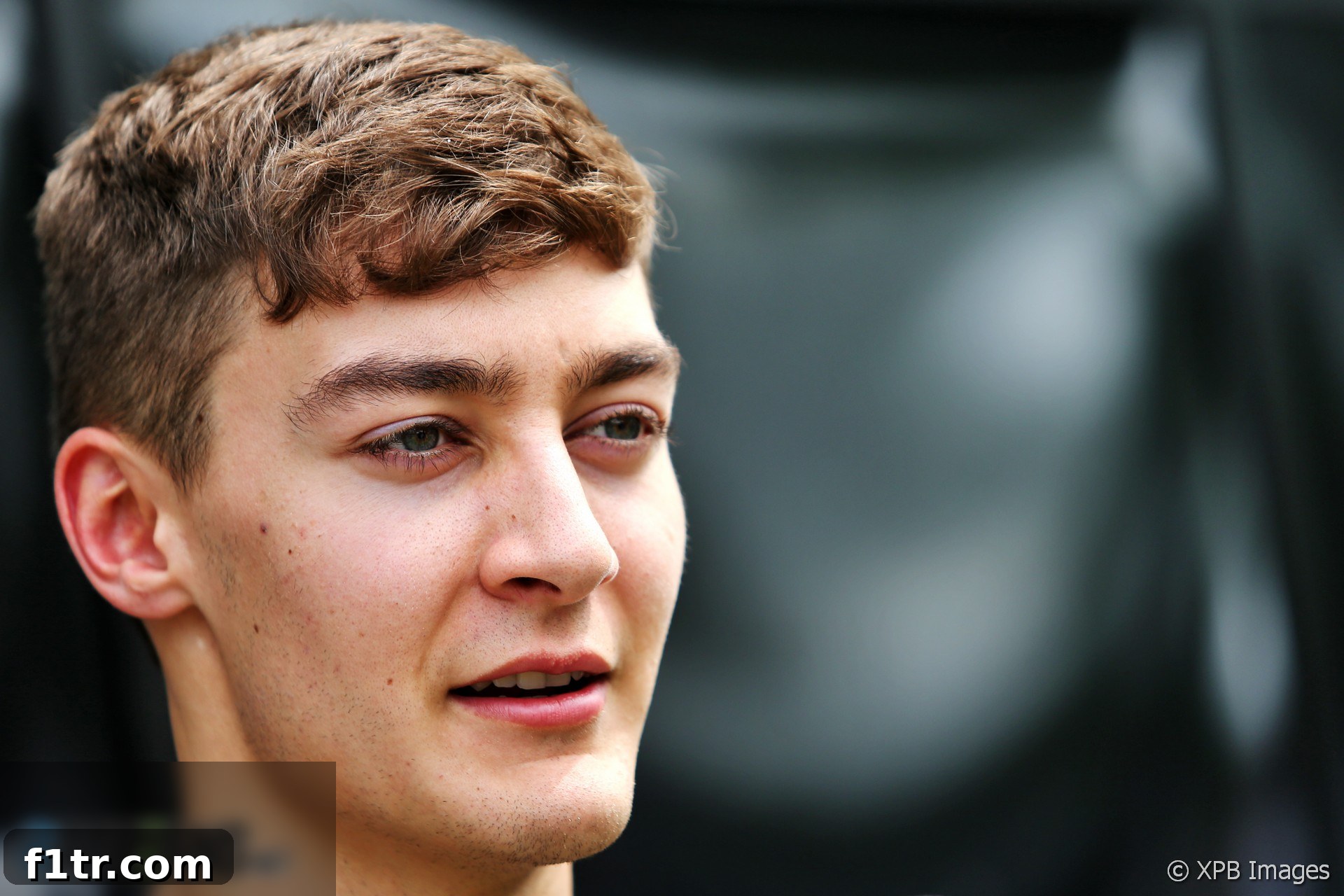
All eyes will undoubtedly be on George Russell as he seeks to cap off his virtual campaign with an astounding fourth consecutive victory. The young Williams driver has been nothing short of dominant throughout the series, showcasing incredible skill and consistency that has made him a virtual champion in his own right. His prowess in the simulated environment has not only entertained but also highlighted the impressive talent pool within Formula 1.
Russell will face stiff competition from a familiar face, Valtteri Bottas, who makes his eagerly awaited second appearance for Mercedes. The Finn’s return adds significant star power and championship-winning experience to the grid, promising an exciting battle at the front. Regular participants Nicholas Latifi of Williams and Alexander Albon of Red Bull Racing are also confirmed, having consistently shown their commitment and competitive spirit in previous rounds. Joining them will be AlphaTauri’s Pierre Gasly, another familiar presence who brings additional top-tier F1 talent to the virtual grid.
Who Else Might Join the Fray?
While the full driver line-up is often subject to last-minute changes, the possibility of other F1 superstars joining the fray adds an extra layer of anticipation. Teams like Ferrari and McLaren still have vacant spots in their virtual rosters, hinting at potential late entries from fan favourites such as Charles Leclerc and Lando Norris. Both drivers have been prominent figures in the virtual racing scene, with Leclerc notably achieving success in earlier rounds and Norris cultivating a massive following through his live streams and engaging personality. Their participation would undoubtedly elevate the excitement for this grand finale at the virtual Circuit Gilles Villeneuve, a track renowned for its challenging chicanes and high-speed sections.
The series has previously seen other current F1 drivers grace its virtual tracks, including Racing Point’s Sergio Perez, Renault’s Esteban Ocon, and McLaren’s Carlos Sainz Jnr. Their involvement underscored the series’ legitimacy and the drivers’ commitment to entertaining fans, even away from the real circuits.
Nurturing Future Talent: F2 and Junior Drivers Take the Stage
Beyond the established F1 stars, the Virtual Grand Prix series has also provided an invaluable platform for the next generation of motorsport talent. A strong contingent of Formula 2 drivers and promising junior talents are confirmed to return, demonstrating the simulator’s role in driver development and competitive training. Guanyu Zhou, the impressive winner of the inaugural round, will be back, partnered by Renault junior Caio Collet, showcasing the team’s investment in its pipeline. Callum Ilott, Louis Deletraz, and Pietro Fittipaldi, all familiar faces from the F2 grid and past virtual events, are also set to compete.
Adding another exciting element to the field, David Schumacher, a member of the legendary Schumacher racing family, will be driving for Racing Point. This blend of seasoned F1 drivers and hungry F2 contenders ensures a competitive and dynamic race, offering a glimpse into the future stars of Formula 1.
Beyond the Grid: Celebrities and Influencers Broaden Appeal
The Virtual Grand Prix series has successfully transcended traditional motorsport viewership by inviting a diverse array of celebrities and influencers to join the grid. This strategic move has introduced Formula 1 to new audiences and added a unique flavour of entertainment to the races. For this final event, the confirmed lineup includes Swedish freeskiing sensation Jon Olsson, known for his audacious style and passion for speed, and Biffy Clyro band member Simon Neil, bringing a touch of rock and roll to the virtual paddock. Complementing them are prominent racing game broadcasters Ben Daly (popularly known as Tiametmarduk) and Aarav Amin (Aarava), whose immense followings in the sim racing community further solidify the bridge between professional motorsport and the booming world of esports. Their participation not only entertains but also highlights the accessibility and growing mainstream appeal of virtual racing.
Looking Ahead: From Virtual Tracks to Real-World Racing
The conclusion of the Virtual Grand Prix series marks a pivotal moment, as Formula 1 prepares for its highly anticipated return to real-world racing. The 2020 F1 season, after months of delays and uncertainty, is officially scheduled to kick off with the Austrian Grand Prix at the iconic Red Bull Ring on July 5th. The journey from virtual circuits to actual tracks symbolizes a collective triumph over adversity and the unwavering spirit of motorsport.
The Virtual Grand Prix series has not only entertained but also served as a testament to the resilience and adaptability of the sport. It kept teams, drivers, and fans engaged during an unprecedented period, fostering a sense of community and excitement. While the virtual series bids farewell for now, its impact on F1’s digital strategy and fan engagement will undoubtedly be lasting. It has showcased the immense potential of esports in motorsport, demonstrating how virtual platforms can complement and even enhance the experience of traditional racing.
The Enduring Legacy of Sim Racing in F1
The success of the Virtual Grand Prix series has firmly cemented the place of sim racing within the broader Formula 1 ecosystem. It has highlighted the exceptional skill of F1 drivers not just in real cars but also in hyper-realistic simulators, blurring the lines between the virtual and physical. The series has attracted millions of viewers, introduced sim racing to a mainstream audience, and provided a fresh perspective on driver personalities. As Formula 1 looks towards a future increasingly intertwined with technology and digital engagement, the lessons learned and the foundations laid by the Virtual Grand Prix series will prove invaluable. It’s a clear indication that esports and virtual competitions are not merely a pandemic-era substitute but a legitimate and exciting extension of the sport itself, poised for continued growth and innovation.
The final Virtual Grand Prix promises to be a memorable occasion, celebrating the series’ success and offering one last dose of virtual adrenaline before the real engines roar to life. It’s a fitting send-off that perfectly bridges the gap between a challenging period and the eagerly awaited restart of the 2020 F1 season, creating a narrative of continuity and excitement for motorsport fans worldwide.
Gaming
Browse all Gaming articles