The exhilarating world of Formula 1 has undergone a seismic shift, transitioning from an era of tight control to one of unprecedented openness and digital engagement. At the heart of this transformation lies a compelling anecdote involving seven-time world champion Lewis Hamilton and the sport’s former supremo, Bernie Ecclestone – a story that perfectly encapsulates the stark differences between the old guard and the new vision brought forth by Liberty Media.
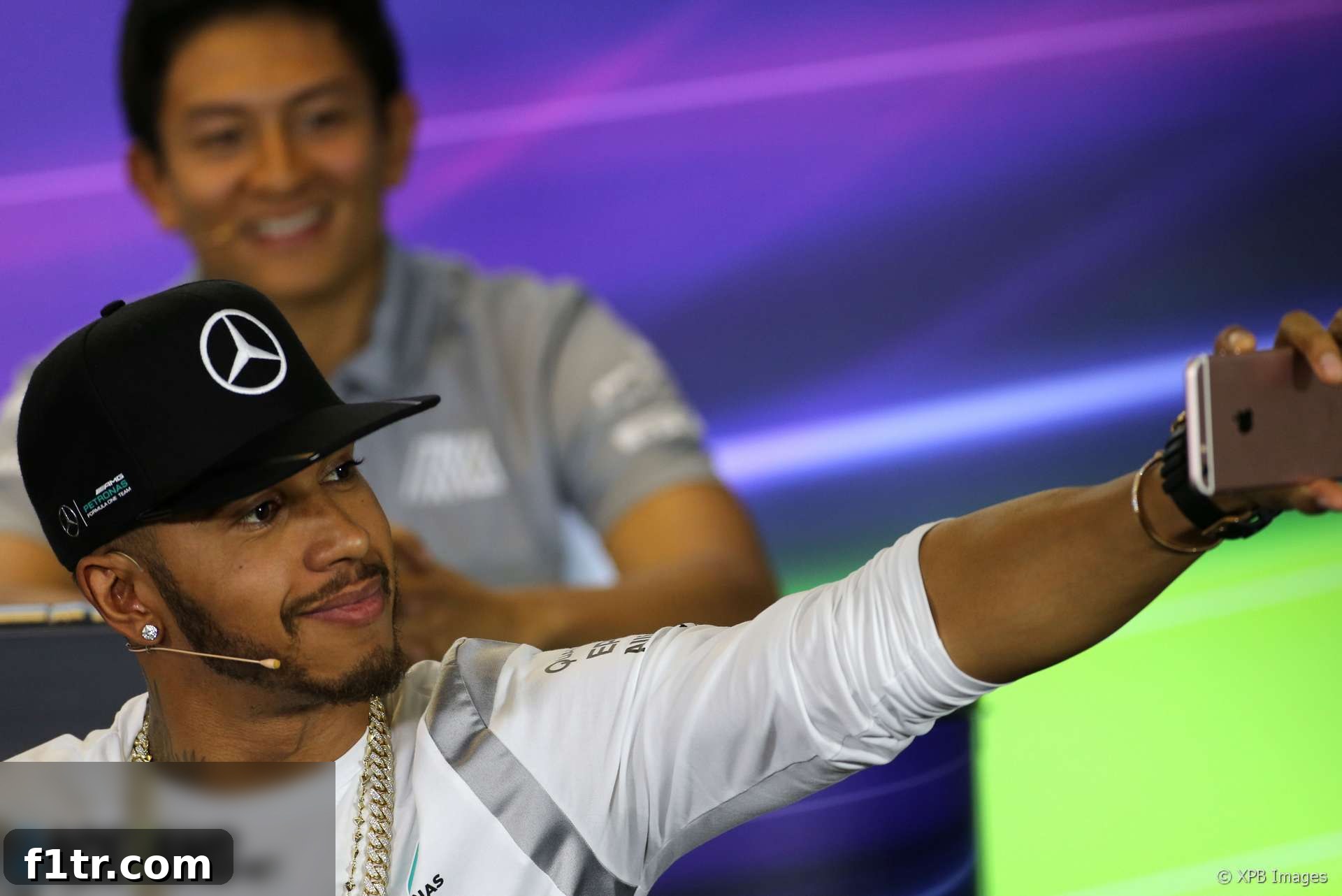
Before Liberty Media’s monumental takeover of Formula 1, Lewis Hamilton, a global icon both on and off the track, found himself at odds with the sport’s governing body over his use of social media. Hamilton, renowned for his vibrant online presence and direct connection with fans, frequently shared clips and insights from his F1 experiences on platforms like Instagram. This proactive fan engagement, however, was met with staunch resistance from the then-commercial rights holder, Bernie Ecclestone, who maintained a famously conservative stance on digital media and fiercely guarded F1’s proprietary content.
The consequence of Hamilton’s digital pioneering was a series of legal demands. As Frank Arthofer, Formula 1’s head of digital, later revealed at the SportsPro OTT summit, Hamilton accumulated a substantial “stack” of “cease and desist” letters from Ecclestone’s legal team. These letters were not merely warnings; they were formal legal notifications demanding that Hamilton immediately stop posting copyrighted material, effectively stifling his ability to connect with his vast online following in an authentic, timely manner. It was a clear demonstration of the restrictive environment that drivers, teams, and even the sport’s biggest stars operated within under Ecclestone’s long tenure.
The true significance of these letters became apparent shortly after Liberty Media completed its acquisition of Formula 1 in early 2017. In a poignant and symbolic gesture, Lewis Hamilton presented this collection of legal threats to F1’s new managing director of commercial operations, Sean Bratches, during one of their initial meetings. This act served as a powerful illustration of the digital handcuffs that had constrained the sport’s biggest personality and, by extension, the entire F1 ecosystem. Hamilton, who had vocally urged Formula 1 to loosen its social media restrictions at the beginning of 2017, found an immediate and receptive audience in Liberty Media.
The story, as recounted by Arthofer, highlights Liberty Media’s immediate understanding of the digital deficit. “Lewis Hamilton, as I’m sure most of the audience knows, is arguably the biggest star in the history of the sport and has a huge crossover potential across urban culture, music, lifestyle,” Arthofer stated, underscoring the immense, untapped value Hamilton represented for fan engagement. Recognising this potential, Liberty Media acted swiftly. Just days after Hamilton’s plea, and undoubtedly influenced by his direct demonstration of the issue, F1 relaxed some restrictions on posting material from its events. This seemingly small policy change marked a pivotal moment, signaling a new era of openness and collaboration.
This shift wasn’t merely about appeasing a star driver; it was a cornerstone of Liberty Media’s overarching strategy to revitalise Formula 1. As Arthofer explained, “Working with the drivers and the teams in a more collaborative way to build the sport we think benefits not just Formula 1 but our partners, be that sponsors, broadcast partners and promoters.” This collaborative approach aimed to empower those within the sport to become authentic storytellers, sharing their unique perspectives and passion directly with fans. By fostering an environment where drivers, teams, and even race promoters could freely create and distribute content, Formula 1 sought to humanise the sport, make it more accessible, and broaden its appeal beyond its traditional fanbase.
The genesis of Liberty Media’s strategic vision lay in Ecclestone’s historical disinterest in, or even outright aversion to, digital investment. “F1 as of January 2017 was a 66-year-old business and a terrific brand, built largely by Bernie Ecclestone as the owner and proprietor of the business for for 40-odd years,” Arthofer acknowledged. Ecclestone’s reign was characterized by shrewd business acumen in securing lucrative television rights and sponsorship deals, transforming F1 into a multi-billion dollar enterprise. However, this focus on traditional revenue streams often came at the expense of developing a robust digital presence, leaving Formula 1 lagging behind other major global sports in the online sphere.
Liberty Media’s thesis for acquiring Formula 1 was built upon three fundamental pillars, each addressing areas where the sport’s potential remained largely unfulfilled under previous management. The first pillar identified F1 as a truly “global asset.” In an increasingly interconnected world, where growth opportunities for businesses and participants across various value chains are global by nature, Formula 1 was exceptionally well-positioned. Its presence in 21 countries for 21 Grands Prix annually provided an unparalleled platform. Liberty Media saw an untapped opportunity to leverage this global reach, engaging diverse audiences and expanding into new markets with tailored digital strategies, rather than relying solely on traditional broadcast models.
The second component of Liberty’s strategy revolved around “the increasing value of live sport in the marketplace.” This value was perceived not just in a media context, through escalating broadcast rights, but crucially, also in an “experiential context.” In an age dominated by digital content, the unique thrill and communal experience of attending a live sporting event, especially one as dynamic and captivating as a Formula 1 Grand Prix, has only grown in appeal. Liberty Media recognised the immense potential to enhance this experiential value, transforming race weekends into comprehensive entertainment festivals that offer more than just racing, thereby capturing a broader audience seeking premium, immersive live experiences.
The third, and perhaps most critical, aspect of Liberty’s acquisition rationale directly addressed the “areas of focus that Bernie had.” Arthofer candidly stated, “I think he did a terrific job monetising the businesses – it’s a $2 billion dollar revenue business – but equally, didn’t invest for the future.” This lack of foresight was particularly evident in areas like digital, which, while not offering immediate “pure profit potential in the near-term,” held immense “long-term potential.” The common jest that “Bernie signs the back of cheques, not the front” perfectly encapsulated this operational philosophy. Ecclestone’s focus was on immediate profitability and maintaining a lean operation, often at the expense of strategic investments that would build sustainable, long-term asset value. The business, though profitable, was “quite lean” when Liberty Media took over, necessitating significant investment to modernize its infrastructure, particularly its digital capabilities.
Since the takeover, Liberty Media has systematically reversed Ecclestone’s conservative approach. The relaxation of social media rules was just the beginning. The new owners embarked on an ambitious digital transformation, launching F1 TV Pro, an over-the-top (OTT) streaming service designed to give fans unprecedented access to live races, onboard cameras, and exclusive content. They invested heavily in eSports, creating the official F1 Esports Series, tapping into the burgeoning gaming community and attracting a younger demographic. Partnerships with digital platforms, data analytics, and improved fan engagement tools have become central to their strategy. The goal is clear: to make Formula 1 more accessible, interactive, and relevant to a global audience, especially those who consume media predominantly through digital channels.
Lewis Hamilton’s early advocacy for social media freedom now stands as a powerful symbol of this broader cultural and commercial shift. His willingness to challenge the status quo, even in the face of legal threats, highlighted the urgent need for Formula 1 to embrace the digital age. As the sport’s most recognizable and culturally influential figure, his ability to engage directly with fans transcends traditional boundaries, reaching into fashion, music, and wider lifestyle spheres. Empowering voices like Hamilton’s allows F1 to tell its story through authentic lenses, attracting new fans who might not otherwise connect with traditional motorsports media. This collaborative strategy, championed by Arthofer and Bratches, is still evolving, but its early successes demonstrate the profound impact of investing in the future, fostering engagement, and truly valuing the collective power of its stars and fans.
The legacy of the “cease and desist” letters has transformed from an example of stifled creativity into a powerful testament to Formula 1’s renewed commitment to its audience. By embracing digital innovation and empowering its key stakeholders, Liberty Media has not only built long-term asset value but has also redefined what it means to be a global sports entertainment brand in the 21st century. The era of the “back of cheques” has given way to an era of forward-looking investment, ensuring Formula 1 remains at the forefront of sports and entertainment for generations to come.
Don’t miss anything new from RaceFans
Follow RaceFans on social media:
- Join RaceFans on Facebook
- Follow RaceFans on Twitter
- Get daily email updates from RaceFans
2019 F1 season
- Crying in the Melbourne car park at 2019 grand prix was my career low – Ocon
- McLaren Racing reports reduced £71 million loss in 2019
- Kvyat: Hockenheim podium last year was “my biggest achievement” so far
- How the FIA’s new encrypted fuel flow meter targets Ferrari’s suspected ‘aliasing’ trick
- “He smashed my office door”: 23 must-see moments from ‘Drive to Survive’ season two
Browse all 2019 F1 season articles