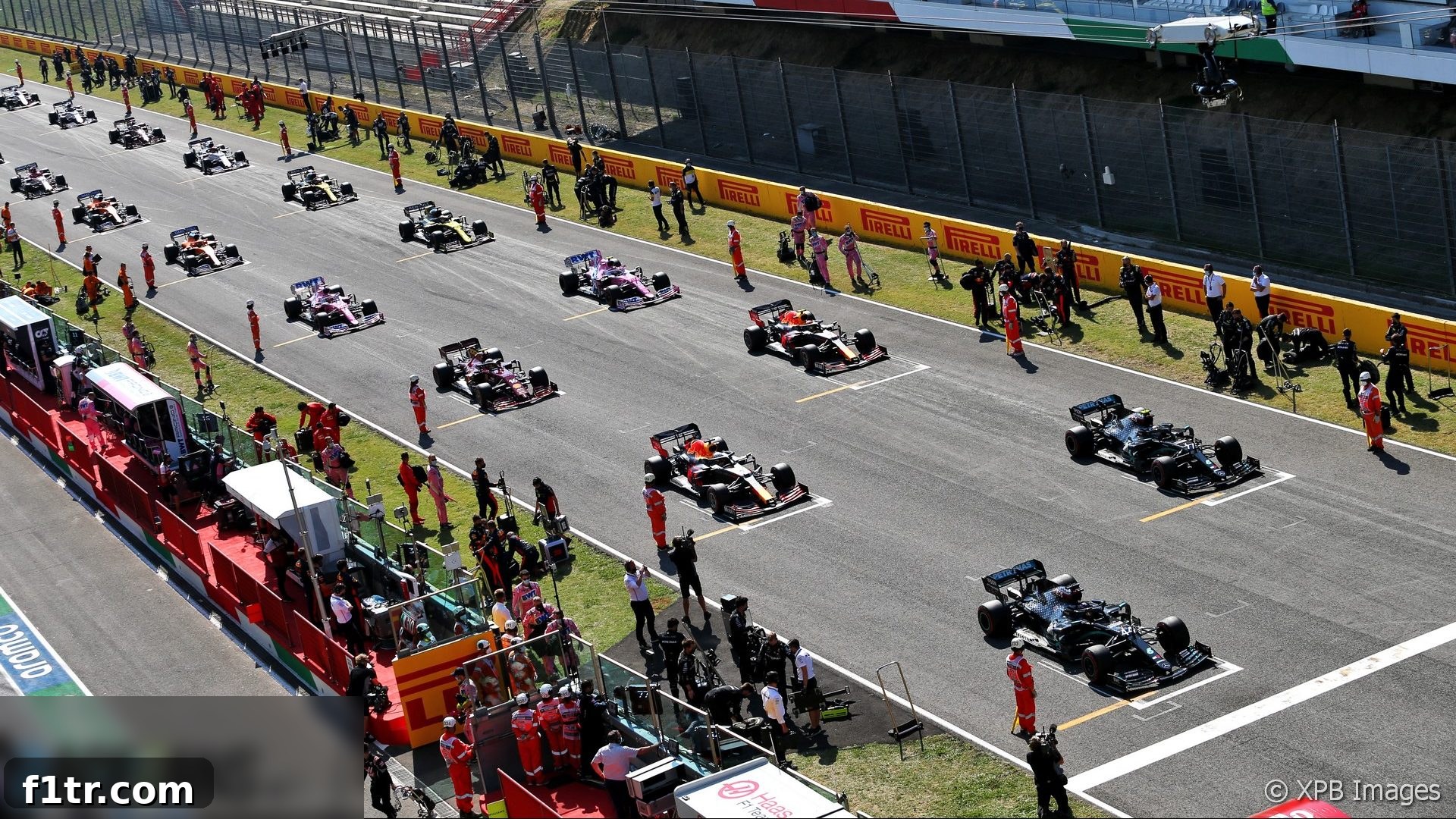
Sebastian Vettel, a four-time Formula 1 world champion, has voiced strong opposition to proposals for introducing reverse grid races, labeling such ideas as fundamentally antithetical to the spirit of fair sporting competition. The debate intensified following comments from Formula 1’s managing director, Ross Brawn, who indicated a renewed push to gain support for implementing reverse grid sprint races in lieu of traditional qualifying sessions at select Grand Prix weekends.
Vettel’s criticism cuts to the core of what he believes Formula 1 should represent. He unequivocally stated that the concept of reverse grid races is “completely wrong,” arguing that the very consideration of such measures signals a failure to design effective regulations that genuinely improve on-track racing. This sentiment resonates deeply with purists of the sport who prioritize meritocracy and raw performance above artificial spectacle.
“If you are pushing in that direction, it’s a testimony that you failed to come up with regulations and tools that bring the field more together and make racing better on the track,” Vettel elaborated in response to questions about the proposals. His remarks underscore a significant frustration within certain circles of the F1 paddock regarding the sport’s ongoing efforts to enhance entertainment value. He pointed to the costly and ultimately ineffective changes to front wing regulations introduced in 2019, which, despite a significant financial outlay from teams, delivered minimal improvement in the quality of racing or the ability for cars to follow each other closely.
The highly anticipated overhaul of car aerodynamics, initially planned for 2021 but postponed to 2022 due to the financial implications of the Covid-19 pandemic, stands as the primary hope for many, including Vettel, to address the underlying issues of competitive racing. “Obviously, the hopes are on 2022 for the regulation changes,” Vettel commented, emphasizing the need for a foundational fix. “I think we need to fix that and address the main points rather than trying to play the lottery.” This perspective highlights a clear distinction between seeking fundamental engineering and regulatory solutions versus implementing what some perceive as superficial fixes designed purely for entertainment.
The core of Vettel’s argument centers on the principle of sport and competition. For him, deliberately manipulating the starting order to engineer unpredictable results “is just against the element of sport and competition.” In Formula 1, the pinnacle of motorsport, success is traditionally earned through superior engineering, strategic prowess, and exceptional driving skill. Introducing an artificial handicap, such as a reverse grid, fundamentally contradicts this ethos. “As a competitor, as much as I don’t like other people to win, I have to accept if other people win or do a better job,” Vettel stated, articulating a profound respect for the competitive outcome, regardless of personal preference. “Therefore, I think it would be wrong in the name of sport to try and mix things up that way.”
Ross Brawn’s advocacy for reverse grid sprint races stems from a different perspective, primarily focused on enhancing the spectacle and attracting new audiences to Formula 1. The Italian Grand Prix, with its unpredictable outcome and thrilling finish, served as a catalyst for Brawn’s renewed push, as he believed it demonstrated the potential for more varied race winners and increased excitement. The idea behind reverse grids is to force faster cars to fight their way through the field, theoretically creating more overtakes and suspense. This approach is rooted in the belief that F1 needs to be more entertaining and less predictable, especially to compete in a crowded global sports market. While Brawn and Liberty Media, F1’s commercial rights holder, aim to optimize the sport’s appeal, many traditionalists argue this comes at the expense of its integrity.
The debate over reverse grids is not entirely new within motorsport. Various junior categories, such as Formula 2 and Formula 3, and several touring car championships, have successfully implemented reverse grid formats to create dynamic racing and promote driver development. However, critics like Vettel argue that Formula 1 operates on a different plane. It is the apex of automotive engineering and driver talent, where the purest form of competition should prevail. The sophisticated aerodynamics and highly specialized nature of F1 cars, designed for optimal performance from the front, also make passing inherently difficult, which could lead to frustrating processions rather than exhilarating battles if faster cars are grid-locked behind slower machinery.
The complexity of Formula 1 regulations and the continuous quest for a perfect balance between speed and close racing remains a significant challenge for the sport’s governing body, the FIA, and its commercial owners. Previous attempts to ‘spice up’ the racing, from variable qualifying formats to the introduction of DRS (Drag Reduction System), have met with mixed reactions. While DRS has undoubtedly increased overtaking opportunities, some critics argue it makes passing too easy and less of a genuine skill test. The discussion around reverse grids is yet another iteration of this ongoing struggle to evolve without losing the sport’s fundamental identity.
Many within the F1 community, including other drivers and team principals, have echoed Vettel’s sentiments, expressing concerns that such a radical change would devalue Grand Prix victories and championships. They argue that F1 should focus on developing regulations that naturally foster closer competition, allowing the best drivers and teams to win on merit, rather than employing artificial means to achieve unpredictability. The financial and technical resources invested by teams are immense, and the integrity of the competition is paramount to justify these efforts.
Ultimately, the discussion surrounding reverse grid races encapsulates the ongoing tension between Formula 1 as a pure sporting contest and as a global entertainment product. While the desire to engage audiences and create compelling narratives is understandable, Sebastian Vettel’s firm stance serves as a powerful reminder of the importance of maintaining the sport’s fundamental principles. The hope remains that the long-term regulatory changes, designed to promote closer racing through car design rather than grid manipulation, will offer a sustainable path forward that satisfies both the purists and the broader fan base. Finding this equilibrium is crucial for Formula 1’s future success and its legacy as the ultimate test of human and machine.
Related Formula 1 Discussions
- Exploring the impact of F1’s new aerodynamic regulations
- Driver perspectives on competitive racing and format changes
- A look back at changes to Formula 1 qualifying formats
- Debating sporting integrity versus entertainment in motorsport
- Strategies for enhancing fan engagement in Formula 1
Browse all F1 News and Analysis articles