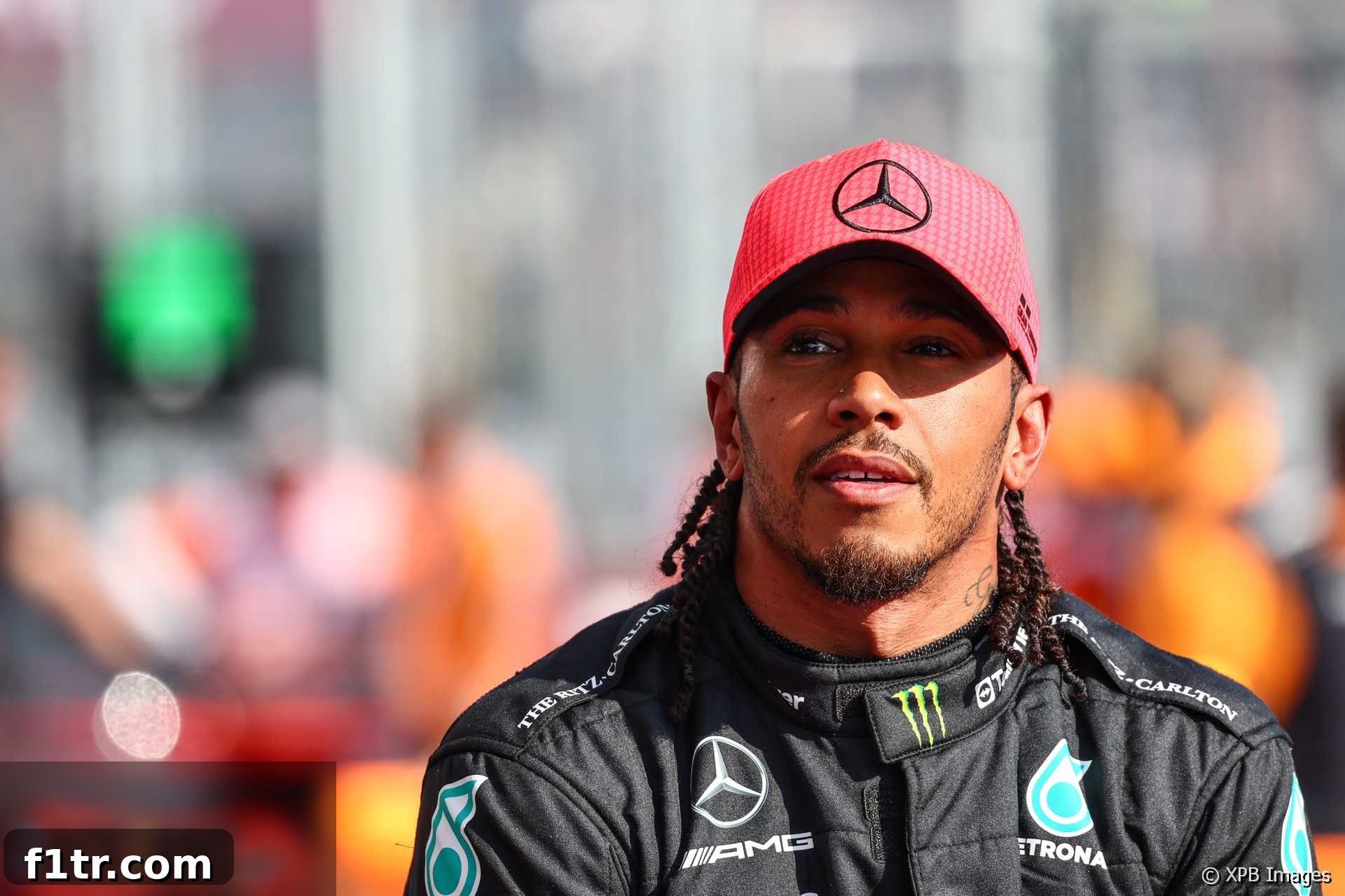
Lewis Hamilton etched his name back into the Formula 1 history books at the Hungarian Grand Prix, clinching a sensational pole position in a thrilling qualifying session. The Mercedes-AMG Petronas F1 Team driver secured his first pole in over 18 months, dramatically outpacing reigning world champion Max Verstappen by a minuscule three-thousandths of a second. This incredible feat at the high-speed Turn 11 of the Hungaroring circuit underscored Hamilton’s legendary prowess and reminded the world of his unwavering determination.
A Calculated Risk: The Decisive Final Lap
The nail-biting conclusion to qualifying saw a direct duel between two of Formula 1’s modern titans. Hamilton, known for his ability to pull out astonishing laps under pressure, revealed he took a significant risk on his final flying attempt. Specifically, the seven-time world champion pushed the limits at Turn 11, a critical high-speed right-hander, knowing it was his last chance to snatch pole from Verstappen.
“Once we got to Q2 it was looking quite decent all of a sudden and obviously we were second,” Hamilton explained. “And then once we got to Q3 we were only a tenth off Max and I knew I had more time I could find in the car. The majority of the time was being lost in turn two and four, and particular four and 11.” His meticulous self-analysis during the session highlighted areas where he could extract more performance. For the crucial final lap, Hamilton knew hesitation wasn’t an option.
“I didn’t know if this guy [Verstappen] is lifting through there, but the car was just not quite up to it on the previous laps. But the last one I just had to send it and hope I stayed on track.” This decisive moment of bravery, combining supreme car control with an intimate understanding of the W14’s limits, paid off spectacularly. Hamilton acknowledged that while he improved in those specific corners, it was the final sector where Mercedes truly shone. “I think I got closer to them at least in those areas but our last sector was particularly strong. It was epic.” This blend of aggressive driving and precision engineering culminated in a pole position that sent shockwaves through the paddock.
The Long Road Back: A Personal and Team Triumph
For Lewis Hamilton, this pole position was more than just a statistical achievement; it was an emotional release and a testament to resilience. Having not started from the front since the 2021 Saudi Arabian Grand Prix, the drought had been a challenging period for both Hamilton personally and for the Mercedes team collectively. The struggles with the W13 and W14 cars over the past season and a half have been well-documented, marked by difficulty in understanding and optimizing the ground-effect regulations.
“It was epic and I was just so happy for everyone in the team,” Hamilton shared, reflecting on the arduous journey. “It’s been a really, really difficult year and a half on a personal level.” This sentiment underscores the immense pressure and dedication required at the pinnacle of motorsport, even for a driver of Hamilton’s caliber. The pursuit of performance in Formula 1 is a relentless cycle of innovation, problem-solving, and unwavering effort from hundreds of individuals.
Hamilton passionately emphasized the collective effort: “But then as a team, collectively, there’s so many ideas and trying to find the right path to be on and continue to keep the motivation with everyone and keep everyone driven, that’s been the challenge for all of us. So this is a team effort and the team deserves this today.” The relief and joy were palpable when Hamilton, upon hearing the news of his pole, screamed himself hoarse over the team radio. “It’s been a crazy year and a half so I’ve lost my voice from shouting so much in the car,” he said, still buzzing with adrenaline. “It’s amazing that feeling, I feel so grateful to be up here because the team have worked so hard. We’ve been pushing so hard over this time to finally get the pole, it just feels like the first time.”
From Practice Pains to Pole Position Glory: The ATA Factor
The turnaround for Mercedes was particularly striking given their performance in practice sessions. On Friday, the team had seemingly struggled, with Hamilton himself placing a modest 16th quickest. This disparity led many to believe that Red Bull, once again, held an insurmountable advantage. However, Hamilton quickly clarified that their practice strategy, which did not involve running the soft tyre compound, had skewed expectations. “We didn’t expect coming today that we would be fighting for pole,” he admitted, highlighting the surprise element even within the team.
A crucial factor influencing the Hungarian Grand Prix qualifying was the introduction of a new experimental rule: the Alternative Tyre Allocation (ATA). This radical format mandated drivers to use specific tyre compounds in each qualifying segment – hard tyres in Q1, medium tyres in Q2, and soft tyres in Q3. This departure from the standard free choice of compounds presented a unique strategic challenge, requiring teams to adapt their car setups and tyre management techniques more dynamically than usual.
Hamilton delved into the intricacies of this new rule and its impact: “There was a big difference in balance between the three [compounds] but all the tyres actually generally felt quite good, and right at the end the soft felt extraordinary.” The ability to switch seamlessly between different tyre characteristics, each demanding a slightly different approach to car balance and driver input, was paramount. He further elaborated on the art of tyre preparation and car setup: “It’s just interesting how you have to prep the tyres and for us, finally having a relatively calm balance through the corners, through corner balance is very difficult to get right with these type of cars, and I think we did that today. So hats off to the team, we did a great job.” This meticulous attention to detail and successful adaptation to the ATA rules played a pivotal role in Mercedes’ return to the front.
Implications and the Road Ahead
Lewis Hamilton’s pole position at the Hungarian Grand Prix is more than just a single qualifying result; it’s a powerful statement of intent. It demonstrates that despite the dominance of Red Bull and Max Verstappen in the 2023 season, Mercedes and their talismanic driver are far from giving up the fight. This unexpected performance will undoubtedly inject a fresh wave of confidence into the Mercedes factory and serve as a significant morale booster for Hamilton, who continues to chase an unprecedented eighth world championship.
The Hungaroring circuit, known for its tight and twisty nature, traditionally makes overtaking challenging, which places Hamilton in an advantageous position for the race. Starting from pole, he will be aiming to convert this superb qualifying effort into a much-needed victory, further solidifying Mercedes’ progress and challenging the prevailing narrative of Red Bull’s invincibility. This pole position represents a beacon of hope for Mercedes and a thrilling twist in the evolving narrative of the 2023 Formula 1 season.
2023 Hungarian Grand Prix – Related Articles
- Was F1’s Alternative Tyre Allocation test successful? Drivers and teams have their say
- How far can McLaren climb with car rivals now say is the second-fastest in F1?
- Why Ricciardo says McLaren’s car “speaks Lando’s language” – but Norris disagrees
- Mercedes reveal cooling error behind loss of pace in Hungarian GP
- Perez answered critics in Hungary but needs to qualify better – Horner
Browse all 2023 Hungarian Grand Prix articles