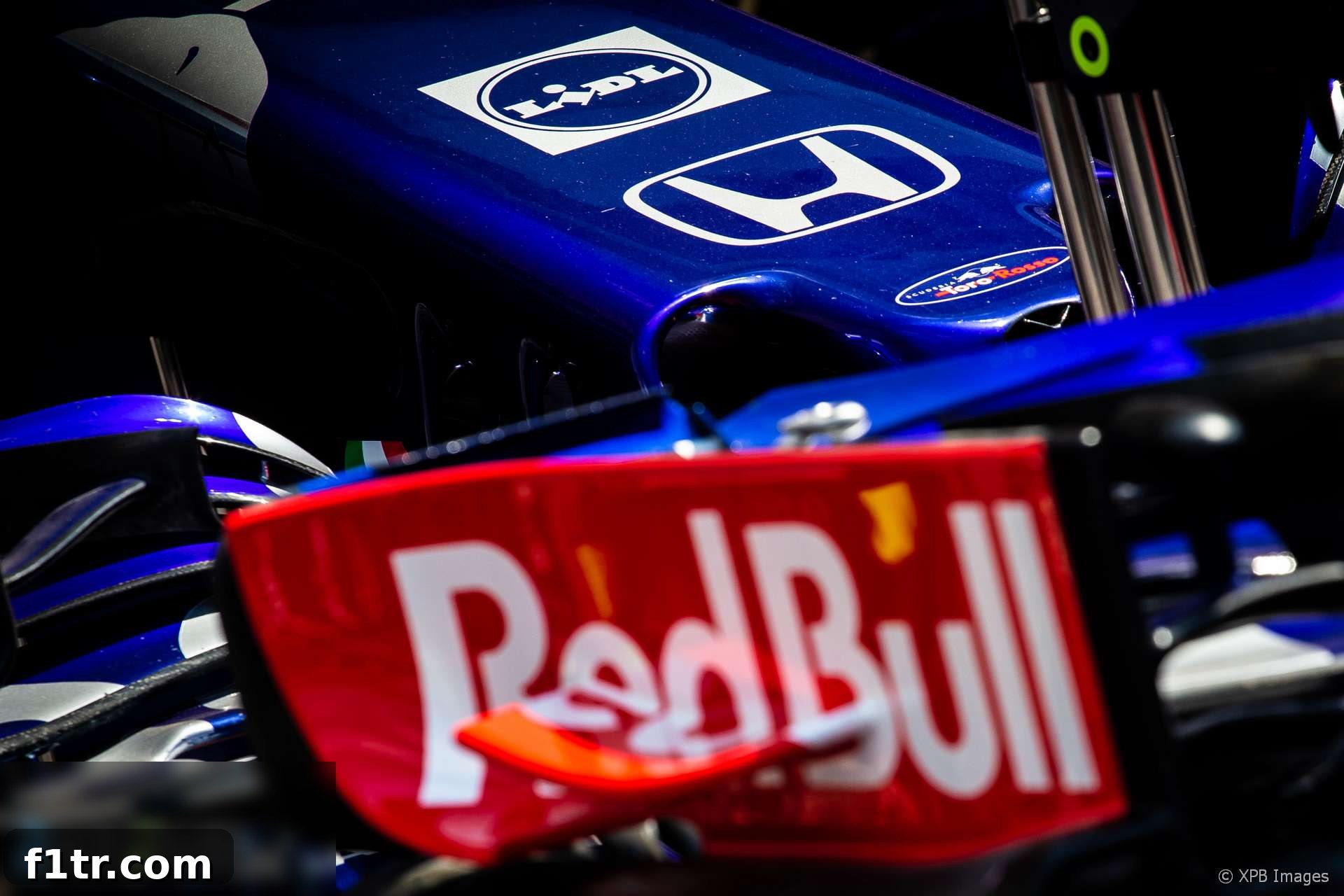
Red Bull Racing, a formidable force in Formula 1, is embarking on a new and highly anticipated engine partnership with Honda, a move that signals a significant strategic shift for the team. In a departure from previous collaborations, especially contrasting with McLaren’s ill-fated ‘size zero’ design philosophy, Red Bull team principal Christian Horner has confirmed that the Milton Keynes outfit will impose no restrictions on Honda’s power unit design. This pledge highlights a profound trust in Honda’s engineering capabilities and marks a fresh, unconstrained approach to chassis-engine integration, aiming to unlock the full potential of the Japanese manufacturer’s F1 engine.
Red Bull’s Bold New Approach: Unrestricted Honda Power
The decision to partner with Honda and, crucially, to grant them full autonomy in power unit design, is a testament to Red Bull’s confidence in the significant strides Honda has made in F1. Unlike McLaren, who pursued a restrictive ‘size zero’ concept from 2015 to 2017, demanding a compact engine architecture to fit their aerodynamic package, Red Bull is adopting a philosophy of adaptability. Christian Horner explicitly stated, “Our mantra’s going to be ‘go and build the best engine you can, we’re not going to give you any limitations in terms of packaging, we’ll make it fit’.” This statement underscores a collaborative spirit, where the chassis will be adapted to accommodate the optimal engine design, rather than the engine being constrained by pre-defined chassis dimensions. Such an approach aims to maximize raw power and efficiency, allowing Honda’s engineers the freedom to innovate without compromise.
The ‘Size Zero’ Fiasco: A Cautionary Tale
To fully appreciate Red Bull’s strategy, it’s essential to understand the context of McLaren’s prior partnership with Honda. The ‘size zero’ philosophy, which McLaren adopted for its chassis design, mandated an extremely compact engine to achieve what they believed would be superior aerodynamic efficiency. While theoretically sound, this requirement placed immense pressure on Honda to design an engine that was not only powerful but also incredibly small, often compromising critical components and cooling systems. The result was a power unit plagued by reliability issues and a significant power deficit compared to rivals. Three seasons of dismal performance, marked by frequent grid penalties and a lack of competitive pace, ultimately led to the split between McLaren and Honda. This difficult period serves as a critical backdrop for Red Bull’s contrasting, more accommodating stance, demonstrating a clear intention to avoid repeating past mistakes by prioritizing engine performance and reliability above all else.
Strategic Shift: Moving Beyond Renault
Red Bull’s switch to Honda from their long-standing engine supplier, Renault, was described by Horner as “pretty clear-cut.” For over a decade, Renault had been Red Bull’s engine partner, a collaboration that brought them four consecutive Constructors’ and Drivers’ Championships from 2010 to 2013. However, the V6 hybrid turbo era, introduced in 2014, saw Renault struggle to match the performance of Mercedes and Ferrari. This performance gap, coupled with a perceived decline in customer support as Renault re-established its own factory team, led to growing frustrations within the Red Bull camp. Horner articulated this shift, stating, “Renault are now in a situation where they have their own team, they have different priorities.” This implied that Red Bull, as a customer team, was no longer receiving the same level of focus and resources from Renault, making an alternative power unit solution imperative for their championship aspirations.
Honda’s Resurgence: A Glimmer of Hope
The decision to align with Honda was heavily influenced by the visible and sustained progress the Japanese manufacturer demonstrated, particularly through their partnership with Red Bull’s sister team, Toro Rosso (now AlphaTauri). After the McLaren struggles, Honda undertook significant restructuring, recruiting talented individuals and collaborating with specialists to overhaul their F1 engine program. The 2018 season with Toro Rosso provided concrete evidence of these improvements, with better reliability and incremental performance gains. This progress was not lost on Red Bull’s engineering leadership. “I think we can see the progress Honda’s making. There’s been some changes that have happened there in the last nine months or so. The progress they’re making is obvious,” Horner noted. This ‘obvious progress’ was a critical factor in swaying Red Bull, who saw a genuine opportunity for Honda to become a truly competitive power unit supplier, capable of challenging the established front-runners.
Calculated Risk: Opportunity Outweighs Uncertainty
Despite Honda’s challenging history with McLaren, Christian Horner expressed confidence that the partnership with Red Bull presented “very little risk.” He emphasized that Red Bull was “more interested in what is the opportunity and the potential reward.” This perspective suggests a forward-looking assessment, one that acknowledges past difficulties but focuses on Honda’s current trajectory and future potential rather than dwelling on past failures. Horner also pointed out that McLaren’s performance had not drastically improved since changing engine partners, implying that their issues were perhaps not solely engine-related. For Red Bull, the decision was “based on what’s in front of us here and now and looking forward.”
At its core, this strategic move was “very much driven by engineering,” a testament to Red Bull’s technical prowess and data-driven decision-making. The overarching goal was clear: “what is the best way for us to be competitive and bridge that gap to Mercedes and Ferrari.” Red Bull’s engineers, renowned for their innovative chassis design capabilities under Adrian Newey, assessed that a fully integrated, unrestricted Honda power unit offered the most viable pathway to challenge the dominance of the sport’s perennial front-runners. The conviction was strong: “We really, genuinely feel this is the best way,” Horner affirmed, indicating a deep-seated belief within the team that this collaboration would yield championship-contending results.
Aston Martin’s Endorsement: A United Front
Adding another layer of complexity to Red Bull’s engine decision was its title sponsorship deal with Aston Martin, an iconic British luxury car manufacturer that had, at times, publicly entertained the idea of developing its own F1 engine program in the future. However, Horner confirmed that Aston Martin was fully on board with the Honda partnership. “Obviously we’ve consulted Aston all the way through this,” he stated, adding that “They’re more than happy with the change.” This endorsement from their primary sponsor is crucial, demonstrating alignment across key stakeholders. Andy Palmer, Aston Martin’s CEO at the time, was described as “hugely supportive,” recognizing that Honda’s progress offered the best immediate opportunity for Red Bull to close the gap to the front of the grid. Aston Martin’s current focus is not on engine manufacturing, and they share Red Bull’s vision for competitive success, understanding that a strong engine partner is essential for immediate performance gains.
The Road Ahead: Ambition Meets Innovation
The Red Bull-Honda partnership represents a pivotal moment for both entities. For Red Bull, it’s a bold gamble to reclaim their position at the pinnacle of Formula 1, armed with an engine partner that is deeply committed and, crucially, unburdened by restrictive design mandates. For Honda, it’s an opportunity to finally demonstrate its full potential in F1, working with one of the sport’s most successful and innovative chassis constructors. The ambition is clear: to consistently challenge Mercedes and Ferrari for race wins and, ultimately, world championships. The journey will undoubtedly present challenges, from the initial integration of the power unit into Red Bull’s aggressive chassis design to ensuring sustained reliability and performance development throughout the season. However, with an approach rooted in mutual trust and engineering freedom, the Red Bull-Honda alliance sets the stage for a potentially thrilling chapter in Formula 1, promising to shake up the competitive order and deliver compelling racing for fans worldwide.