F1’s Smaller Teams Doubt 2021 Regulations Will Immediately Bridge Performance Gap
As the Formula 1 community eagerly anticipates the transformative 2021 regulations, designed to usher in a new era of competitive racing, team principals from the sport’s independent and smaller outfits remain cautiously pessimistic. They voice significant doubts about the immediate prospect of closing the substantial performance chasm that separates them from the dominant forces of Mercedes, Ferrari, and Red Bull.
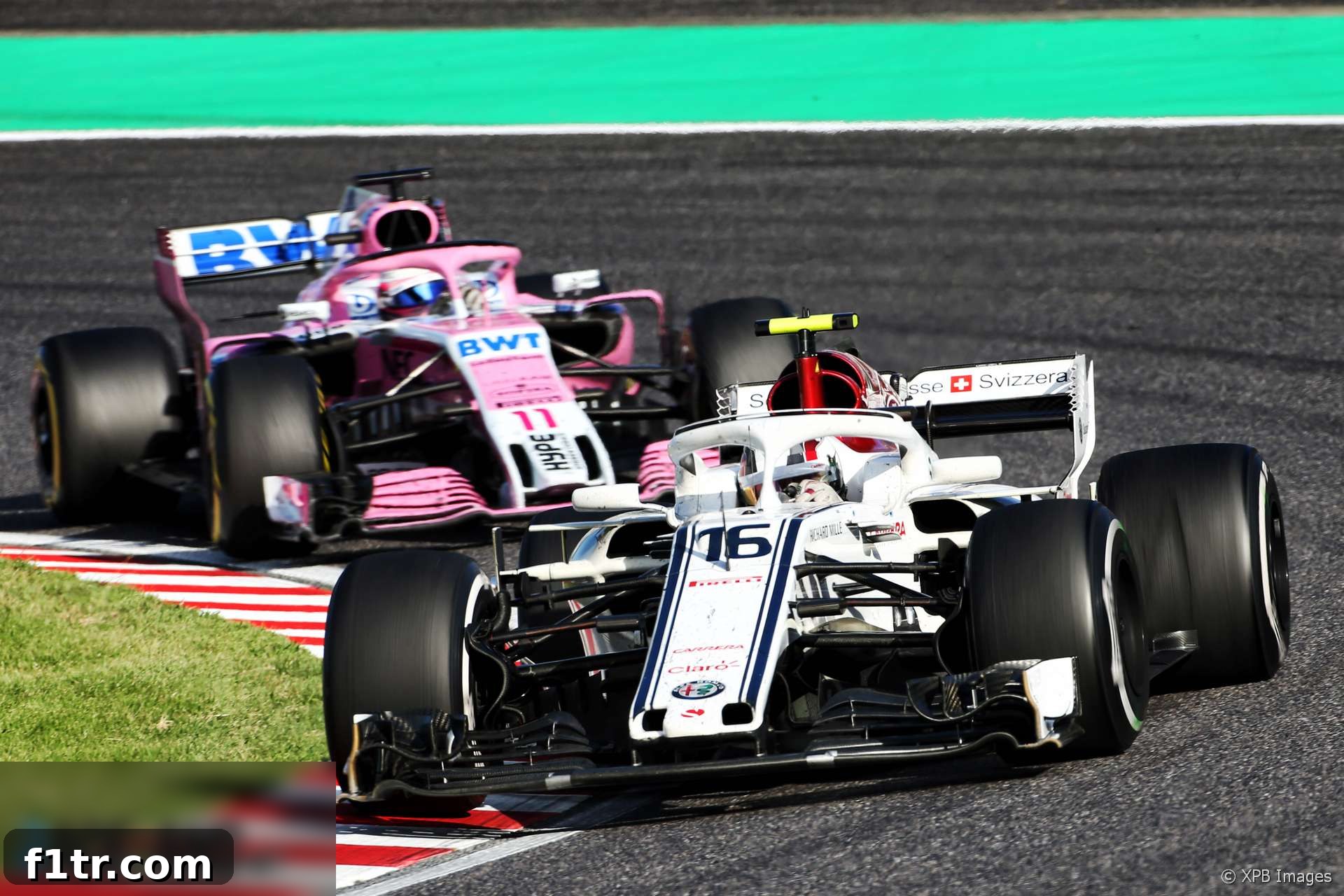
The stark reality of this performance disparity was vividly demonstrated in recent seasons. A prime example includes the Mexican Grand Prix, where the leading cars from the sport’s three powerhouse teams consistently finished two or more laps ahead of their nearest competitors from the rest of the grid. This recurring scenario has led to the informal, yet widely recognized, designation of the other seven teams as ‘Formula 1.5,’ highlighting a frustrating two-tiered championship within the same sport.
The Promise of 2021: Budget Caps and Fairer Prize Money
The architects of Formula 1’s future, spearheaded by Liberty Media, have outlined ambitious plans for the 2021 season. Central to these reforms are the introduction of a long-awaited budget cap and a comprehensive revision of F1’s prize money distribution model. These measures are fundamentally aimed at fostering a more level playing field, curbing the escalating costs, and ensuring the long-term sustainability and competitiveness of all teams on the grid.
Frederic Vasseur, the pragmatic team principal for Sauber (now Alfa Romeo Racing), acknowledges the noble intentions behind these significant changes. “The target of the global future is to increase the show, basically,” Vasseur stated. He further emphasized the critical mechanism for achieving this: “The best way to do it is to close the gap between the cars.”
Vasseur paints a clear picture of an ideal competitive landscape: “If you want to have an exciting race you have to have the guy in P10 be, in certain circumstances, able to fight for the podium.” He contrasts this vision with the current reality, where even top-tier drivers, if hampered by an early pit stop or an incident, can often recover to a strong points finish, underscoring the inherent performance advantage of their machinery over the midfield. “It’s not the case at all that, if you look on the last races, even the guys [in] the top six, if they were lapped or they two-stop in the first lap, they were able to come back and to finish in the top six again.”
While endorsing the necessity of the new regulations, Vasseur also tempers expectations regarding their immediate impact. “The [decision] to introduce the cost cap is one thing, and to have a better spread in terms of the prize fund will allow the teams in the second half of the grid to catch up a little bit the gap,” he explained. However, he remains steadfast in his belief that the journey to true parity will be a marathon, not a sprint: “But I’m still convinced that it will be difficult for us in 2021 to fight with the top teams – but that needs to be closer.”
The Lingering Infrastructure Advantage
This cautious optimism is echoed by Guenther Steiner, the outspoken team principal of Haas F1 Team, who believes the sheer scale and sophistication of the top teams’ operations will present a formidable hurdle for the smaller outfits. Responding to inquiries, Steiner articulated the deep-seated advantages held by the likes of Red Bull, Ferrari, and Mercedes, extending far beyond annual spending figures.
“The big three will have an advantage starting which is just so big,” Steiner asserted. He elaborated on the multi-faceted nature of this lead: “Also, their infrastructure, what they’ve got there, their testing facilities and all that stuff is just so much more developed than what we have got so they will have an advantage but at least.” This infrastructure encompasses state-of-the-art wind tunnels, advanced simulation technologies, unparalleled manufacturing capabilities, and a vast pool of highly specialized engineering talent – assets that have been accumulated and refined over decades of immense investment.
Even with a stringent budget cap in place, the existing, world-class facilities and the accumulated knowledge base of the leading teams provide a significant head start. They have perfected their processes, optimized their tools, and established robust methodologies that smaller teams would take years, if not decades, to replicate, even with increased funding. The learning curve for adapting to new technical regulations, for example, is inherently steeper for teams with fewer resources and less established R&D departments.
Redefining Success: Closer Racing, Not Instant Victories
Despite these significant challenges, the smaller teams maintain a clear perspective on what constitutes a successful outcome from the 2021 regulatory overhaul. The immediate goal isn’t to suddenly challenge for race victories or championships, but rather to foster a significantly more competitive environment throughout the grid. “I think the aim is not that we are going to overtake them in ’21 [or] that we are going to win races,” Steiner clarified. “But that we close the gap and that everybody has a chance of ending up on the podium or at least fighting for it and keeping all the 10 teams, that we put a good show on.”
This vision aligns perfectly with Liberty Media’s broader objectives for the sport: to enhance entertainment value, increase unpredictability, and create a narrative where more teams and drivers have a genuine opportunity to shine. The current “two-tier” system, where the outcome of the race for the podium is often predictable, detracts from the overall spectacle. The goal is to eliminate this disparity, making every race a cohesive and compelling contest from start to finish. “That is the aim, that we don’t have these two shows and we don’t really know if we are racing together or not,” Steiner concluded, encapsulating the collective desire for a unified and fiercely competitive Formula 1.
The 2021 regulations represent Formula 1’s most ambitious attempt in recent memory to address fundamental issues of competition and financial sustainability. While the path to a truly level playing field is fraught with challenges and the skepticism from those at the sharp end of the grid is understandable, the hope remains that these reforms will, over time, deliver a more thrilling and unpredictable spectacle for fans worldwide. The coming seasons will be a crucial test of whether the sport can successfully rebalance its ecosystem without stifling innovation at the top.
For deeper insights into the strategic challenges facing Formula 1 and Liberty Media’s efforts to enhance competition, explore our recent analyses on the sport’s evolving landscape.
Related Discussions and Further Reading
- Analyzing F1’s Financial Regulations and Their Impact
- The View from the Midfield: Challenges and Opportunities
- Liberty Media’s Vision: Shaping the Future of Formula 1
- Understanding the 2021 Technical Rule Changes
- Economic Realities: Prize Money and Team Budgets in F1
Browse all F1 Regulations Explained articles