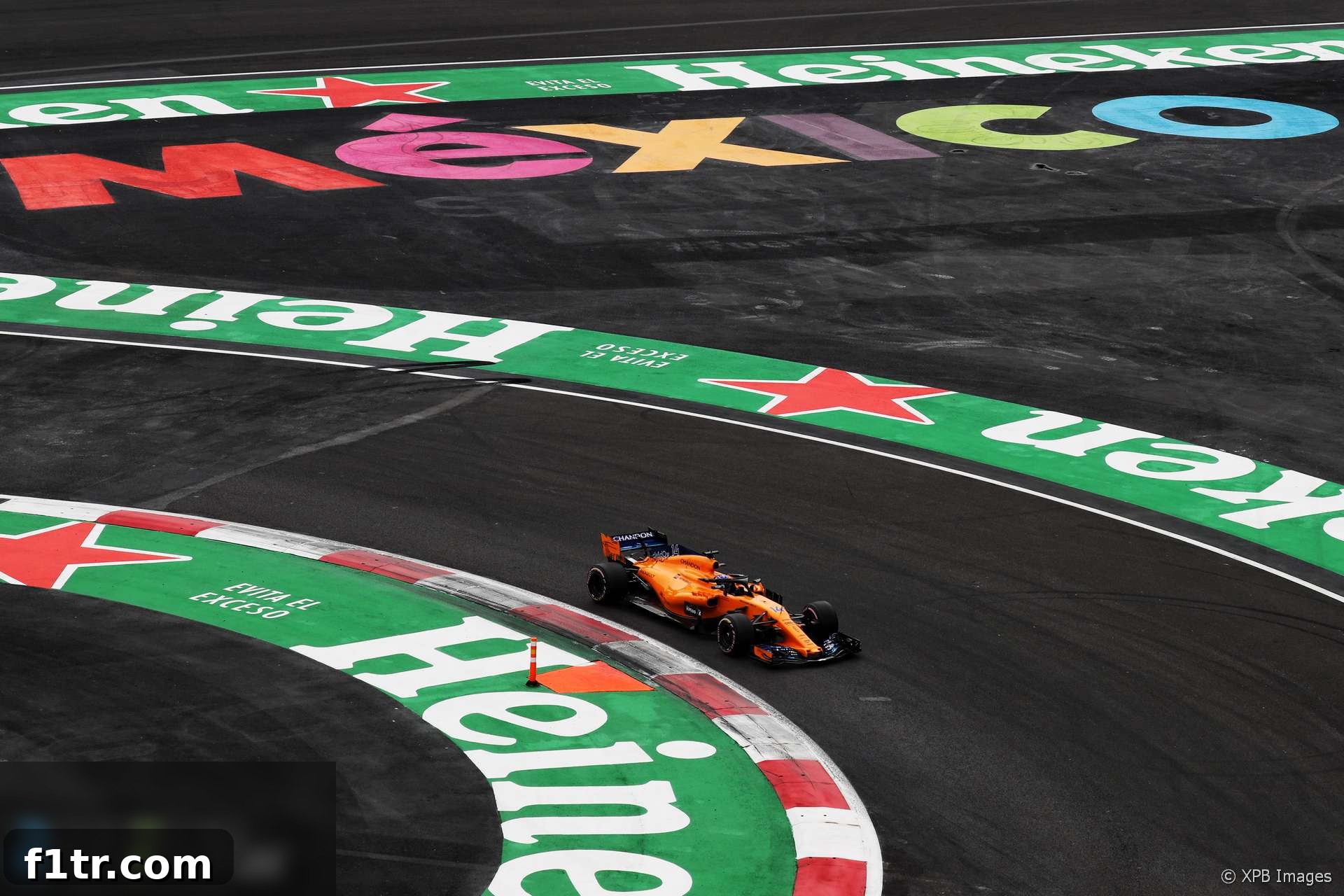
In the dynamic world of Formula 1 and elite motor racing, the delicate balance between pushing the limits and adhering to regulations is a constant challenge for drivers and officials alike. One of the most frequently debated topics revolves around track limits – the invisible boundaries that define the racing surface. Renowned two-time Formula 1 world champion, Fernando Alonso, has recently weighed in on this contentious issue, expressing his firm belief that the FIA’s stringent approach to track limits is not only justified but necessary for consistent and fair competition across all motorsport categories.
Alonso’s insights come from direct personal experience, highlighting the immediate and sometimes frustrating consequences of exceeding these boundaries. His stance provides a compelling perspective on why a zero-tolerance policy, despite its occasional harshness, ultimately serves the integrity of the sport. As F1 continues to evolve, the clarity and impartial application of rules like those governing track limits remain paramount for maintaining credibility and ensuring a level playing field for all competitors.
Alonso Advocates for Strict Track Limit Enforcement
Fernando Alonso, a veteran known for his precision and sharp analytical mind, has consistently been a vocal proponent of clear and unwavering rules, especially concerning track limits. His recent comments stem from direct experiences where even minor deviations had significant consequences. For instance, a lap time deletion in qualifying due to running wide at turn 11 last weekend underscored the immediate impact of these rules. Furthermore, a similar infraction cost him pole position at the Fuji World Endurance Championship round, demonstrating that these regulations are applied consistently across various series he competes in.
“They’ve been changeable sometimes and inconsistent. It’s something that we all spotted a couple of times already and all drivers we agree on that. But it is the way it is and we adapt to that. My personal preference is for absolute zero tolerance when it comes to track limits. In Fuji, for example, we crossed the white line by literally one centimeter, and immediately our lap time was deleted, costing us pole position because of that minute detail.”
“The regulations are clear: if you exceed that red and white boundary, your lap is automatically deleted. The stewards don’t differentiate whether it was a genuine mistake, a necessary correction, or a deliberate attempt to gain an advantage – the line is there, you cross it, the lap is gone. This firm stance eliminates ambiguity and promotes a consistent standard for all participants. It might seem harsh in the moment, especially when a driver is fighting to control a car, but it removes any grey areas that could lead to subjective interpretations and inconsistencies.”
“We didn’t gain time in Fuji; in fact, it was a correction. Similar to a moment during Saturday’s session where I had a big oversteer, went off-track, and the lap was deleted. It doesn’t matter. The rules specify that if any part of the car exceeds the designated track boundary, typically marked by the white line or the kerbs, the lap time is nullified. This very direct and uncompromising approach, in my view, is beneficial for the sport because it applies a universally understood standard. We see it implemented effectively in other racing series as well, and it simply works. I’m quite content with how this system is functioning here in Formula 1 and across other categories I compete in.”
Alonso’s statements highlight a critical aspect of modern motorsport: the quest for absolute fairness and consistency in officiating. While drivers naturally push every boundary in pursuit of speed, the designated track limits are fundamental to ensuring that competition remains on the intended racing surface. The “zero tolerance” philosophy he champions aims to remove subjective judgment calls, which have historically been a source of frustration for teams, drivers, and fans alike. By treating every infraction, no matter how minor or unintentional, with the same consequence, the FIA fosters a clear understanding of what is permissible. This clarity, Alonso argues, ultimately allows drivers to adapt their approach with confidence, knowing precisely where the lines are drawn and the penalties for crossing them. The consistency seen in Formula 1, and indeed across other elite championships, reinforces the belief that this strict interpretation is the most equitable way to manage track boundaries, ensuring that true performance, rather than exploiting grey areas, determines the outcome.
Quotes courtesy of Dieter Rencken
Advert | Become a RaceFans supporter andgo ad-free
Social Media Highlights from the Motorsport World
The digital landscape of social media offers a vibrant, real-time commentary on the world of Formula 1 and beyond. Here’s a curated selection of notable posts from Twitter and Instagram, capturing key moments, celebrations, and debates within the racing community:
Peartree Spring Primary School is a special place for former pupil @LewisHamilton
And the current generation have got something to say to the latest five-time #F1 world champion… 👀 👋 pic.twitter.com/xTVl7umvcx
— Formula 1 (@F1) October 29, 2018
This heartwarming post from the official Formula 1 account captures a touching moment as Lewis Hamilton, freshly crowned a five-time World Champion, revisits his primary school. It showcases the human side of the sporting legend, demonstrating his enduring connection to his roots and the inspirational impact he has on young fans. Such moments highlight the broader influence of F1 drivers as role models.
Did it just like you said 🤣🔥 pic.twitter.com/kTCRgduXKu
— Lewis Hamilton (@LewisHamilton) October 29, 2018
Lewis Hamilton’s personal social media response often offers a glimpse into his personality and interactions. This tweet, likely a playful nod to a conversation or challenge, illustrates the engaging and often light-hearted rapport he shares with his followers and within the paddock. It’s a reminder that even at the pinnacle of motorsport, there’s room for camaraderie and humor.
Last year I just couldn’t imagine how Lewis Hamilton could get any better … but he has done. He is relentless in challenging every aspect of his performance and approach to his craft … always learning and applying. Congratulations on an incredible 5th Championship! pic.twitter.com/Ku1KBXPfT3
— Perry McCarthy (@original_stig) October 29, 2018
From a respected figure in motorsport, former F1 driver and “original Stig” Perry McCarthy’s tribute to Lewis Hamilton’s fifth championship speaks volumes. It underscores the exceptional dedication and continuous improvement that define Hamilton’s career. McCarthy’s observation that Hamilton is “relentless in challenging every aspect of his performance” provides valuable insight into the mindset of an athlete reaching the absolute peak of their profession.
Formula 1 vs Formula 1.5
People suggest many things in @F1 that could be fixed. But surely this is top of the list.
And I don’t believe waving a wand and saying “budget cap” will do it.https://t.co/K2Qs0GrB3G #F1 #MexicanGP #MexicoGP pic.twitter.com/iwDJ3j1lkD
— Keith Collantine (@keithcollantine) October 29, 2018
Motorsport journalist Keith Collantine’s tweet delves into a persistent and significant debate within Formula 1: the disparity between the top teams and the rest of the grid, often dubbed “Formula 1.5.” This post highlights the ongoing challenge of achieving competitive balance and questions whether proposed solutions like a budget cap are truly sufficient to address the root causes of this performance gap. It reflects the critical conversations among fans and experts about the future health and excitement of the sport.
- For more official F1 accounts and key figures to follow, explore the comprehensive F1 Twitter Directory.
Further Insights from the World of Motor Racing
Beyond the immediate headlines, the motorsport world is constantly buzzing with developments, strategic moves, and captivating stories. Here’s a collection of external links offering deeper dives into various aspects of racing, from grand prix contracts to driver rivalries and broadcasting challenges:
Advert | Become a Supporter & go ad-free
Mexican GP waits on new government for contract extension (Reuters)
This report from Reuters sheds light on the precarious nature of Grand Prix hosting contracts, particularly for the Mexican Grand Prix. The article details how the future of this popular event hinges on the decisions of a new government administration. Such situations are common in F1, where geopolitical shifts and economic priorities often dictate the long-term presence of a race on the calendar. The evaluation of past event results against potential extension signifies the complex interplay between sports, economics, and national policy.
Premier’s 2020 Indy vision for GC (Gold Coast Bulletin)
The Gold Coast Bulletin article explores the ambitious vision of Premier Annastacia Palaszczuk to bring IndyCars back to the Gold Coast by 2020. The potential return of such a “signature event” would mark a significant boost for Australian motorsport and tourism. The Gold Coast has a rich history with major international racing, and the prospect of IndyCar’s high-speed, street-circuit action returning sparks considerable excitement among fans and local businesses. This initiative highlights the economic and cultural value that major racing events bring to a region, fostering local pride and attracting global attention.
Jos reflects on Mexico win: ‘When Max is angry, he is even faster’ (Verstappen)
In this insightful piece from Verstappen.nl, Jos Verstappen, father and mentor to Max Verstappen, offers a compelling perspective on his son’s racing psychology, particularly after a victorious outing in Mexico. His comment, “When Max is angry, he is even faster,” provides a window into the intense competitive drive that characterizes the young Dutchman. It touches upon the intriguing dynamic between emotional state and on-track performance, a trait seen in many legendary drivers. Jos also expresses a keen desire to see Max directly challenge Lewis Hamilton, acknowledging Hamilton’s remarkable achievements while anticipating an epic rivalry.
Showdown in Mexico City: #5 (Daimler)
Daimler’s blog post celebrates Lewis Hamilton’s fifth championship, contextualizing his achievements within the broader history of Mercedes-Benz motorsport. The personal anecdote, referencing Juan Manuel Fangio’s presence at Mercedes-Benz Argentina, beautifully connects Hamilton’s modern dominance with the legendary figures of F1’s past. This narrative emphasizes the continuity of excellence and the profound impact drivers like Hamilton have not just on the sport, but on the brand identity and heritage of a manufacturer like Mercedes. It underscores the profound link between a driver’s success and the global prestige of their team’s automotive partner.
Reacting to Lewis’s fifth title (Nico Rosberg via YouTube)
Former F1 World Champion Nico Rosberg provides his candid reaction to Lewis Hamilton securing his fifth world title in this YouTube video. As Hamilton’s former teammate and fiercest rival, Rosberg’s perspective is uniquely valuable. His analysis offers an insider’s view on the monumental effort and skill required to achieve such a feat, reflecting both admiration for his erstwhile competitor and a deep understanding of the pressures and sacrifices involved in reaching the pinnacle of Formula 1. This type of commentary from a peer adds significant depth to the narrative surrounding Hamilton’s success.
Hamilton is a legend so why are armchair fans switching off? (The Times – registration required)
This thought-provoking article from The Times tackles a critical question facing Formula 1: why are viewership numbers declining, even as a legendary driver like Lewis Hamilton dominates? It delves into the impact of the sport’s broadcasting strategy, particularly the shift towards pay-TV subscriptions. The piece highlights a significant drop in live audience figures following the transition from free-to-air BBC coverage to shared coverage with Sky TV and Channel 4, and anticipates further declines with exclusive pay-TV broadcasting. This raises crucial questions about accessibility, fan engagement, and the long-term health of the sport’s global audience, prompting ongoing debate about F1’s commercial direction and its commitment to attracting new fans.
- For a deeper dive into this topic, read our previous analysis: It’s time for Formula 1 to smash its TV paywall
We always endeavor to credit original sources and provide diverse perspectives. If you have a tip for a link or an interesting story to feature in the next RaceFans round-up, please do not hesitate to send it in here:
- Contact RaceFans
Advert | Become a RaceFans supporter andgo ad-free
Comment of the Day: Praising Max Verstappen’s Remarkable Turnaround
Today’s featured comment shines a spotlight on Max Verstappen and his incredible recovery and performance surge through the season. Nitzo, a keen observer of the sport, articulates the significant progress made by the young Dutch sensation:
“It’s truly amazing to note how closely Verstappen is now trailing Bottas in the World Drivers’ Championship standings. On one hand, we’ve been privileged to witness the meteoric rise of one of F1’s undeniable prodigies and a potential future world champion in Max. His raw talent, aggressive style, and relentless pursuit of victory have captivated audiences worldwide. On the other hand, we observe the struggles of Valtteri Bottas, a driver who has consistently been trying so hard to match the towering heights of the colossus that is Lewis Hamilton, while simultaneously fulfilling the crucial role of his wingman. The contrast in their respective trajectories this season makes Max’s achievements even more remarkable.”
“Considering this dynamic, I believe we should all take more than just a fleeting moment to genuinely appreciate the monumental achievements and significant improvements Max has demonstrated since the Monaco Grand Prix. His resilience, adaptability, and sheer pace in the latter half of the season have transformed his championship campaign and solidified his position as one of the sport’s most exciting talents. It’s a testament to his growth as a driver and his unwavering focus under pressure.”
Nitzo (@Webtel)
Nitzo’s comment beautifully encapsulates the narrative of Verstappen’s season, which began with challenges but transformed into a display of consistent excellence. His comparison with Bottas, who operates in the shadow of a dominant teammate, further highlights Verstappen’s independent charge up the standings. This insightful reflection underscores the importance of acknowledging driver development and the psychological aspects of competition, reminding us why fans are so captivated by the unfolding stories on the F1 grid.
Happy Birthday!
Wishing a very happy birthday to L. Martins and Haseyachooli! May your day be filled with joy and celebration.
If you’d like a birthday shout-out in a future round-up, please let us know when yours is via our contact form or by adding your details to our dedicated list here.
On This Day in F1 History
- Exactly 30 years ago today, the legendary Ayrton Senna secured his inaugural Formula 1 World Championship at the iconic Suzuka Circuit. This momentous victory marked the beginning of a legendary career that would forever etch his name into the annals of motorsport history, celebrated for his unparalleled skill, fierce determination, and charismatic presence.