Williams F1’s Resurgence: Unpacking the Team’s Genuine Progress and Future Aspirations
In the high-stakes world of Formula 1, few narratives are as compelling as a team’s journey from the back of the grid to genuine contention. Williams Racing, a name synonymous with motorsport heritage and multiple world championships, has endured challenging years. However, a significant shift has been observed, marked by increasingly regular points finishes that signal a profound and authentic turnaround for the iconic British outfit. According to Dave Robson, Williams’ Head of Vehicle Performance, this progress is not merely fleeting luck but a testament to sustained effort and strategic acumen.
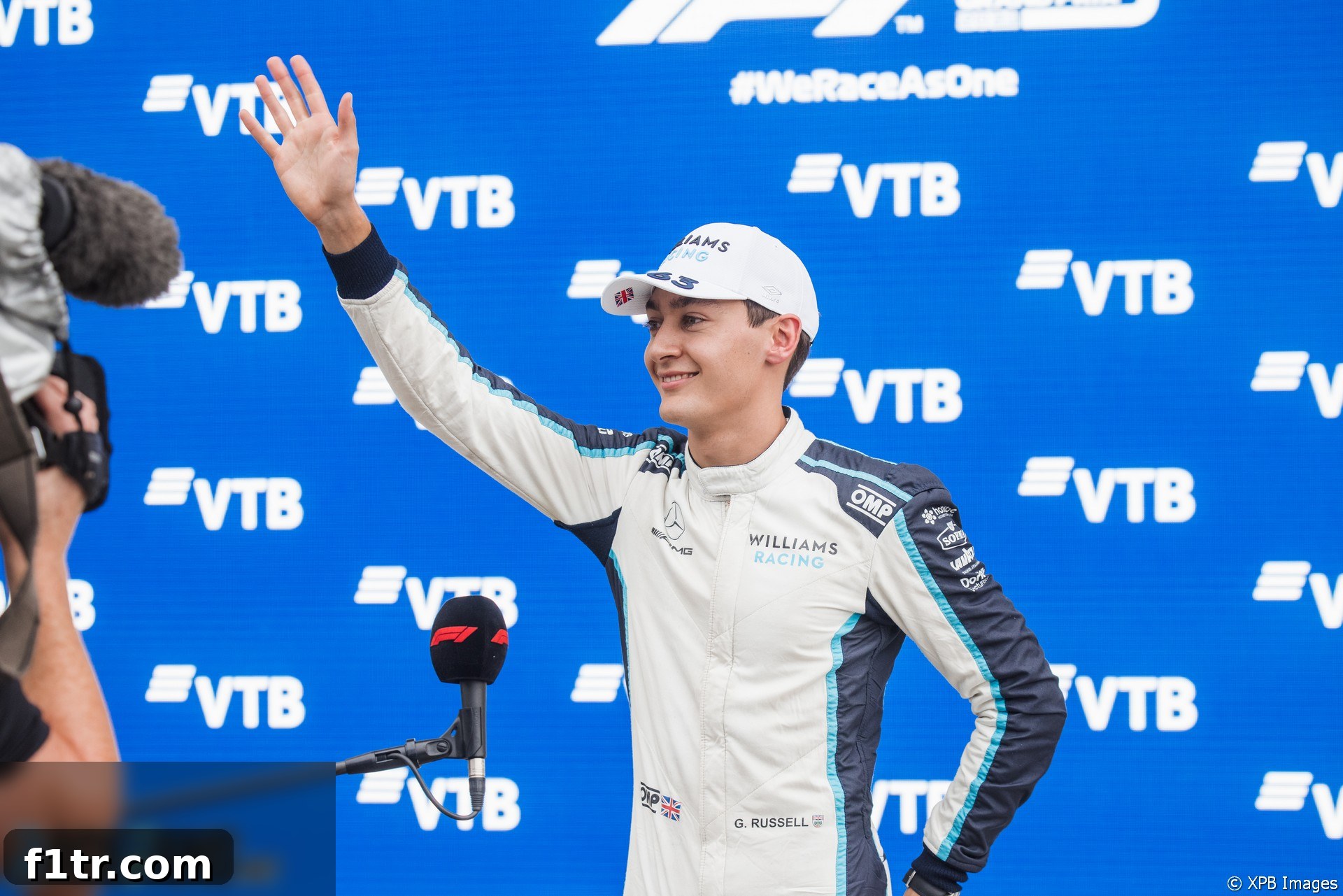
The 2021 season, in particular, showcased this burgeoning strength. George Russell, the prodigious talent at the wheel of the Williams car, masterfully capitalized on challenging conditions, securing remarkable top-three qualifying positions at both Spa-Francorchamps and Sochi. These rain-hit sessions highlighted not just Russell’s exceptional driving skill but also the team’s ability to make brave, calculated decisions under immense pressure. Speaking ahead of the Russian Grand Prix, where Russell would go on to score the team’s sixth points finish in just five races, Robson articulated a palpable sense of “momentum” driving their performances, underscoring that their recent successes were interconnected and indicative of a deeper, more sustainable trend.
Building Momentum: More Than Just Luck
The concept of momentum is critical in Formula 1, a sport where confidence and consistent decision-making can be as influential as raw pace. Robson emphasized this psychological aspect, stating, “Making some good decisions encourages you to continue to make those good decisions, that definitely helps.” This virtuous cycle of positive reinforcement suggests that success isn’t just a byproduct of a faster car, but also a result of a confident, well-oiled team machine that learns and evolves with each race weekend. This sentiment directly counters the notion that Williams’ improved fortunes were simply a series of fortunate accidents.
While acknowledging the team’s progress, Robson maintained a realistic perspective on the car’s inherent capabilities. “The car is not too bad. Still at low fuel in the dry it’s not got the pace that we’d like but it’s okay, it’s something we can work with, which we haven’t always had in the last couple of years.” This honest assessment reveals that while the car isn’t yet a front-runner in all conditions, it has reached a point of predictability and manageability that allows the engineers and drivers to extract its maximum potential. This “workable” platform is a significant improvement from previous seasons when the car’s unpredictable nature made consistent performance and development a formidable challenge. The ability to work with a car, even if imperfect, is foundational to long-term progress in F1, enabling data analysis, targeted upgrades, and a clearer understanding of its strengths and weaknesses.
Robson further elaborated on the interconnectedness of their achievements: “The last few events each has been a little bit different circumstances. [But] there’s definitely that momentum which links them all together and it’s not just a fluke. I think all the circumstances are a little bit different.” This statement reinforces the idea that while external factors like weather might play a role in individual results, the underlying ability of the team to consistently seize these opportunities speaks volumes about their improved operational capacity and strategic readiness. It’s about being prepared for diverse conditions and having the confidence to execute when chances arise, rather than waiting for them to simply fall into their lap.
Strategic Acumen: The Art of the Q3 Gamble
Williams’ newfound strategic boldness was particularly evident in qualifying sessions, especially those affected by variable weather. George Russell’s fourth appearance in Q3 during the year at Sochi was a prime example. Despite this impressive statistic, Robson revealed that the team was far from taking top 10 starts for granted. This humility and calculated opportunism were precisely why they were prepared to make daring calls, such as being the first to switch to slick tyres on a drying track at Sochi.
Robson explained the rationale behind these high-stakes decisions: “Once we get into Q3 in those circumstances, we don’t have a lot to lose. The teams that I expect to be in the top three, four or five, they have a lot to lose because if we got that wrong and the slick had been the wrong call, there isn’t time to put the inter back on and get a meaningful lap. So we’d have been tenth. It’s much more difficult for the top teams to take that chance.” This insight perfectly encapsulates the strategic advantage of the underdog. For a team like Williams, securing a Q3 spot, even at the back of the top ten, is already a significant achievement. Taking a risk, therefore, has a higher potential reward relative to the downside, which is often simply reverting to an already expected position. For front-running teams, however, a wrong call could mean losing valuable grid positions and potentially impacting their championship aspirations, making them naturally more conservative.
“So, a bit like Spa, we were happy to try it. We were already quite happy having got 10th at worst. So it gives us the freedom to make those decisions,” Robson affirmed. This freedom to experiment and push the boundaries of conventional strategy is a powerful tool in F1, especially when it is backed by sound judgment and quick analysis. It allows Williams to occasionally punch above its weight, converting tricky conditions into rare and valuable opportunities for points, thus contributing significantly to their genuine progress.
The Human Element: A Cohesive and Capable Team
Beyond the car and strategy, the bedrock of Williams’ recent success lies in its personnel. “The other thing that underlines the whole operation recently is just a good group of people doing a good job and being put into a position where we can do a good job,” Robson added. This speaks volumes about the collective effort of the entire team – from the engineers meticulously crunching data, to the mechanics executing flawless pit stops, and the strategists making split-second decisions. The synergy among these individuals, fostered by strong leadership and a positive working environment, is indispensable in Formula 1.
Years of struggle can take a toll on team morale, but the ability of Williams to maintain a “good group of people” and empower them to perform at their best is a testament to the resilient culture within the team. This positive atmosphere, fueled by recent successes, creates a self-fulfilling prophecy where talent is retained, confidence grows, and performance naturally improves. It’s a crucial, often unseen, component of any successful F1 operation.
Looking Ahead: New Regulations and the Onset of Pressure
While the present progress is commendable, Williams is keenly aware that the landscape of Formula 1 is constantly evolving. The impending new technical regulations for the following year represent both a massive opportunity and a significant challenge. If Williams can produce a more competitive car under these new rules, the expectation and pressure to deliver results will intensify dramatically, as Robson candidly admitted.
“We did put a lot of effort in the last couple of years to keep the standards up,” he said, acknowledging the groundwork laid even during lean times. “I’m still conscious of the fact that the quicker the car gets – and hopefully we’ll see a big step next year in the relative pace of the car – the pressure will still ramp up a lot.” This foresight is crucial. A quicker car brings with it a different kind of scrutiny. Every pit stop, every strategic call, every driver error will be magnified when the stakes are higher and the car is capable of consistently fighting for stronger positions.
Robson highlights the current advantage of their position: “We’re still in a position at the moment where we’ve got a lot to win and not a huge amount to lose which does take a little bit of the pressure off. It’ll be a different a different ball game for a lot of people in the race team who don’t have huge amounts of experience of operating a quick car. It will be a different kind of pressure.” The transition from underdog, where every point is a bonus, to a consistent mid-field contender, where points are expected, requires a significant shift in mindset and operational execution. The team will need to adapt to higher expectations, more intense media scrutiny, and the relentless demands of competing at a higher level. This includes everything from optimizing pit stop timings to perfecting race strategies that factor in direct competition with more formidable rivals.
Despite these anticipated challenges, Robson remains optimistic about Williams’ trajectory. “But far better we go into it not making too many mistakes and try and build on that as opposed to going into having not got that momentum. So I think we’re in a good position.” The current momentum, the improved decision-making, and the cohesive team environment provide a strong foundation upon which to build. This period of genuine progress is not just about points on the board, but about instilling a winning mentality and refining the operational processes that will be vital when Williams potentially steps into a new era of competitiveness under the revised regulations. The journey back to consistent success for Williams is a marathon, not a sprint, and the current signs suggest they are well-prepared for the road ahead.
2021 F1 Season Insights
- Masi ‘basically gifted the championship’ to Verstappen says 2021 FIA steward Sullivan
- Las Vegas race backers looking to extend F1 deal beyond 2025
- Why Mercedes put ‘a reminder of joy and pain’ on display in their factory lobby
- Verdict on error in GT race suggests Mercedes would have lost 2021 Abu Dhabi GP appeal
- Title ‘stolen’ from Mercedes made us ‘underdogs people cheer for’ – Wolff
Browse all 2021 F1 season articles