The Diverging Paths of Formula E and Formula 1: Street vs. Permanent Circuits in Motorsport
In the exhilarating world of international motorsport, the strategic selection of race venues plays a pivotal role in shaping a championship’s identity, appeal, and commercial success. A fascinating and seemingly contradictory trend has emerged between two of the most prominent single-seater racing series: Formula E, the all-electric championship that once proudly billed itself as “electric street racing,” is increasingly shifting its calendar towards traditional, permanent tracks. Conversely, Formula 1, the pinnacle of global motorsport, is vigorously expanding its presence into vibrant urban street circuits. This compelling divergence is not accidental; it reflects deep-seated commercial pressures, evolving logistical realities, and differing visions for the future of racing. Understanding these conflicting trends offers a unique insight into the dynamic landscape of modern motorsport.
Formula E’s Evolution: From Urban Identity to Track Stability
Launched a decade ago, Formula E carved out a distinctive niche by committing entirely to temporary street circuits. Its initial calendar was a bold statement, bringing the thrill of electric single-seater racing directly to the heart of global cities. Early venues included iconic locations like Monaco, alongside new urban layouts in cities such as Long Beach and Miami. This approach was central to Formula E’s brand identity, aiming to connect with urban audiences, promote sustainable mobility in city centers, and showcase cutting-edge electric vehicle technology against the backdrop of bustling metropolises.
However, the ambitious vision of solely relying on street tracks encountered significant challenges over time. Establishing and dismantling temporary circuits in major cities is an immensely complex and costly undertaking. Logistical hurdles, extensive infrastructure requirements, local community opposition, and the arduous process of securing long-term permits often led to high operational expenses and a lack of consistency in venue selection. Indeed, Formula E has consistently struggled to put down permanent roots in many of the cities it has visited. Only one city, Berlin, has featured in all ten seasons of the championship, often utilizing its unique Tempelhof Airport circuit, which offers a semi-permanent solution with urban accessibility.
The Pragmatic Shift Towards Permanent Circuits
The global Covid-19 pandemic further disrupted Formula E’s calendar and accelerated a strategic reassessment. In the season prior to the pandemic (2019), Formula E visited 12 circuits, with only one being a permanent track: Mexico’s Autodromo Hermanos Rodriguez. This circuit, with its unique advantage of being situated within a major city, became an enduring fixture, underscoring the benefits of combining urban access with existing racing infrastructure. This early success highlighted a potential path forward.
As Formula E lost some of its initial street track venues, often due to commercial or logistical complexities, the championship increasingly began to turn its sights towards more traditional racing circuits. This pragmatic shift towards stability and established infrastructure is prominently displayed in several key calendar changes for the current year:
- Italy: The Italian round has transitioned from the temporary street circuit in Rome (a location once considered for a proposed Formula 1 race that never materialized) to the conventional Misano World Circuit Marco Simoncelli. This move offers a more stable environment and often reduces the significant operational overheads associated with urban temporary layouts.
- United States: Previously, Formula E hosted events on temporary street courses in California, Miami, and New York. The American event now takes place at the Portland International Raceway, a well-established road course frequently utilized by IndyCar. This provides a purpose-built facility familiar to motorsport fans and teams.
- China: After a hiatus since the Covid-19 pandemic, China has returned to the Formula E calendar. However, instead of its previous various street tracks, the championship will now race at the Shanghai International Circuit – a world-class permanent facility that also hosts Formula 1. This decision clearly signals a preference for venues with robust, ready-made infrastructure.
As a direct consequence of these strategic adjustments, Formula E’s calendar for the current year reflects a near 50/50 split between permanent road courses and temporary street circuits, with eight events on traditional tracks and seven on urban layouts. This significant departure from its founding ethos demonstrates Formula E’s evolution towards a model that prioritizes greater stability, reduced logistical burden, and potentially enhanced racing experiences for its smaller, nimbler electric cars, ensuring the championship’s long-term viability.
Formula 1’s Urban Pursuit: The Lure of Destination Cities
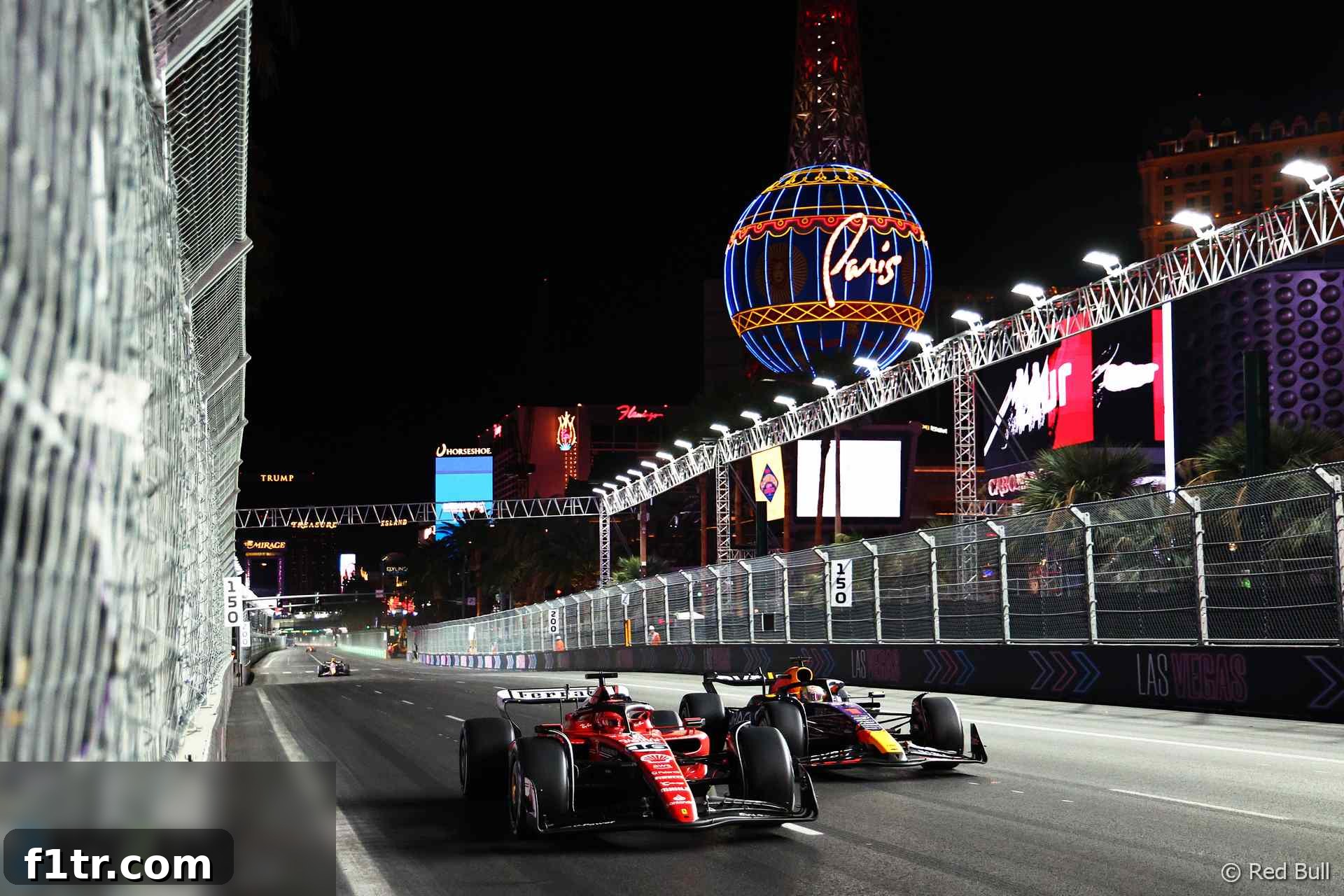
In stark contrast to Formula E’s shift, Formula 1 has embarked on an aggressive expansion strategy deeply rooted in the concept of “destination cities” since Liberty Media acquired the series in 2017. The primary objective is to significantly amplify global interest, penetrate new lucrative markets, and appeal to a broader, often younger, demographic by bringing the thrilling spectacle of Grand Prix racing directly into iconic urban centers. This strategy prioritizes immediate fan engagement, lucrative commercial opportunities, and the undeniable allure of instantly recognizable city skylines, even if it occasionally means navigating complex logistics or making compromises on traditional racing characteristics.
New City Races and Threats to Classic Tracks
The trend towards an increasing number of street circuits on F1’s calendar is unmistakable and has been a defining feature of its recent expansion:
- Las Vegas (2023): A high-profile, night race designed as a global spectacle, weaving through the iconic Las Vegas Strip, specifically engineered to be a major economic and tourism driver.
- Miami (2022): A bespoke temporary circuit built around the Hard Rock Stadium, transforming an urban area into a vibrant racing venue to capitalize on the burgeoning US market for motorsport.
- Jeddah (2021): A rapid and technically demanding street circuit in Saudi Arabia, part of F1’s broader and strategic expansion into the Middle East, seeking new and wealthy host nations.
While some permanent circuits, such as Qatar (which debuted on a traditional track with future plans for a street circuit), have joined the calendar, many of the recent additions of permanent venues were largely temporary stopgaps during the Covid-affected seasons. Circuits like Mugello, the Nürburgring, Algarve, and Istanbul provided much-needed race locations during the pandemic but did not secure long-term deals. Notable exceptions include Zandvoort, which made a celebrated return to the calendar fueled by the immense popularity of local hero Max Verstappen, and Imola, which secured a longer-term deal after its successful pandemic-induced return, both cherished European circuits with rich F1 history.
However, the overarching trajectory for Formula 1 points firmly towards continued urban expansion. There are persistent and concerning rumors that several beloved traditional circuits could lose their coveted places on the calendar to make way for new street races. The Circuit de Catalunya, a long-standing fixture near Barcelona, reportedly faces stiff competition from a proposed street race in Madrid. Perhaps most worryingly, whispers suggest that Suzuka in Japan, widely regarded as one of F1’s most revered and driver-favorite road courses globally, could be challenged by a planned street race in Osaka. These potential shifts underscore F1’s readiness to fundamentally reshape its calendar for what it perceives as greater commercial gain and broader global appeal.
The Commercial Drivers Behind the Conflicting Trends
The divergent paths taken by Formula E and Formula 1 are primarily dictated by distinct commercial imperatives and the varying stages of their championship development. For Formula 1, under the stewardship of Liberty Media, the strategy is unequivocally focused on maximizing revenue, aggressively expanding its global footprint, and appealing to an ever-wider and younger demographic. “Destination cities” offer an unparalleled array of benefits: direct access to new fan bases, highly lucrative sponsorship opportunities, and substantial host fees paid by governments and local entities eager to leverage F1’s colossal global brand for tourism, economic stimulus, and international prestige. The significant financial cost and intricate logistical nightmares associated with establishing and running street circuits are, for F1, absorbable due to its immense global viewership and robust revenue streams, making it a viable, albeit complex, business model.
Conversely, Formula E operates within a different commercial reality. As a newer, still-developing series, it initially relied heavily on the novelty and urban accessibility of street racing to define its unique identity and attract crucial initial attention. However, the long-term sustainability of this exclusive street racing model proved challenging. The inherent costs of setting up temporary circuits, combined with the difficulty of securing consistent, multi-year contracts with often hesitant city authorities, led to a high turnover of venues and substantial financial outlays. For Formula E, moving to permanent tracks offers a more stable, cost-effective, and operationally simpler solution. These established venues provide ready-made infrastructure, consistent track layouts for valuable data accumulation, and often entail significantly lower rental fees compared to the monumental investment required for temporary urban setups. For Formula E, therefore, the shift towards established circuits appears to be less about an ideological change and more a matter of strategic necessity and pragmatic growth, crucial for ensuring the championship’s longevity and stability.
Impact on Racing Purity and Driver Opinion
This strategic divergence also ignites important debates within the motorsport community regarding the inherent suitability of different track types for each series and the potential impact on racing quality. Formula E’s smaller, lighter, and less powerful cars are widely perceived to be ideally suited to the tight, twisty, and often bumpy confines of street circuits. Races in iconic locations like Monaco, for instance, have frequently produced far more competitive, action-packed, and unpredictable racing in Formula E compared to their Formula 1 counterparts. This suggests that the inherent characteristics of the electric single-seaters align exceptionally well with the demands and limitations of urban circuits, often leading to spectacular racing.
In stark contrast, many influential figures within Formula 1, including the reigning three-time world champion Max Verstappen, have openly voiced strong concerns about the increasing proliferation of street circuits on the F1 calendar. Verstappen routinely emphasizes the fundamental unsuitability of modern F1 cars—which are large, exceptionally heavy, and generate immense aerodynamic downforce—for tight, low-speed street layouts. He argues that these circuits often lead to compromised racing quality, a lack of overtaking opportunities, and a diminished driver experience. He famously stated his strong opinion two years ago: “I don’t want to see myself in 2028 or whatever driving only on street circuits close to the city just for the fan engagement or whatever. Of course, I understand everyone wants to make money, but there is also a limit to that because it’s important to keep these really cool circuits on the calendar instead of just driving on street circuits, which I think F1 cars are not designed for anyway.” This sentiment highlights a palpable tension between the commercial imperative for spectacle and the desire to preserve the integrity of sporting performance on tracks optimally designed to challenge modern F1 machinery. While Formula 1 can certainly deliver thrilling races on certain street tracks, and Formula E can showcase exciting action on permanent circuits, these instances are often a secondary consideration to the primary commercial drivers shaping their respective calendars.
The Future of Track Selection: A Balancing Act for Global Motorsport
The long-term success and longevity of Formula 1’s newest street races remain to be fully determined. It is still too early to say whether they will enjoy greater stability and overcome local opposition more effectively than many of Formula E’s past temporary ventures did. While street races invariably bring local opposition and complaints (as evidenced by the grumblings around the Las Vegas and Miami Grand Prix events), Formula 1’s vastly larger global audience, unparalleled media reach, and significantly greater financial clout may enable it to overcome such challenges with more resilience. The substantial economic benefits that F1 events bring to host cities, often in the form of tourism revenue and international exposure, frequently outweigh local grievances in the long run.
Ultimately, both championships are navigating a complex and evolving landscape where commercial viability, global brand expansion, and fan engagement frequently dictate strategic decisions over purely traditional sporting considerations. Formula E’s strategic shift is a pragmatic adaptation for survival and sustainable growth, wisely embracing the stability, logistical advantages, and cost-effectiveness of permanent circuits. Formula 1’s aggressive urban push, conversely, represents a bold move for market expansion and revenue maximization, aiming to bring the unparalleled spectacle of the sport closer to new audiences at a premium. The ongoing evolution of their respective calendars will continue to shape their unique identities, highlighting the delicate and often challenging balance between preserving racing heritage and embracing the future demands of global sports entertainment in an increasingly commercialized world.
Formula 1 Articles
- “Overtaking is overtaking”: Domenicali denies F1’s yo-yo racing is “artificial”
- The crashes F1 is trying to prevent may be rare – but the danger is obvious
- F1 returning to India soon after 2027 sounds like wishful thinking
- Verstappen loathes F1’s new generation of cars – but what do his rivals reckon?
- The ‘throwback weekend’ is back in fashion. But it’s a flawed concept – especially for F1
Browse all Formula 1 articles