Alpine F1 finds itself grappling with an enviable, yet complex, predicament: an overabundance of exceptional junior driving talent vying for a limited number of coveted Formula 1 seats within the team. This “problem of plenty,” as described by the brand’s chief executive officer, Laurent Rossi, underscores the success of the Alpine Academy’s revitalized structure but simultaneously presents a strategic challenge for the Enstone-based outfit.
The Alpine Academy, revamped at the dawn of 2021 to align with the former Renault F1 team’s new identity and ambitions, currently nurtures five promising drivers. Its mandate has evolved beyond merely scouting the next F1 star, a shift influenced by a five-year period during which none of the previously supported drivers ultimately raced for the factory Renault team. Now, the focus is on developing a robust pipeline of talent, creating a direct pathway to Formula 1, and maximizing the potential of its young proteges.
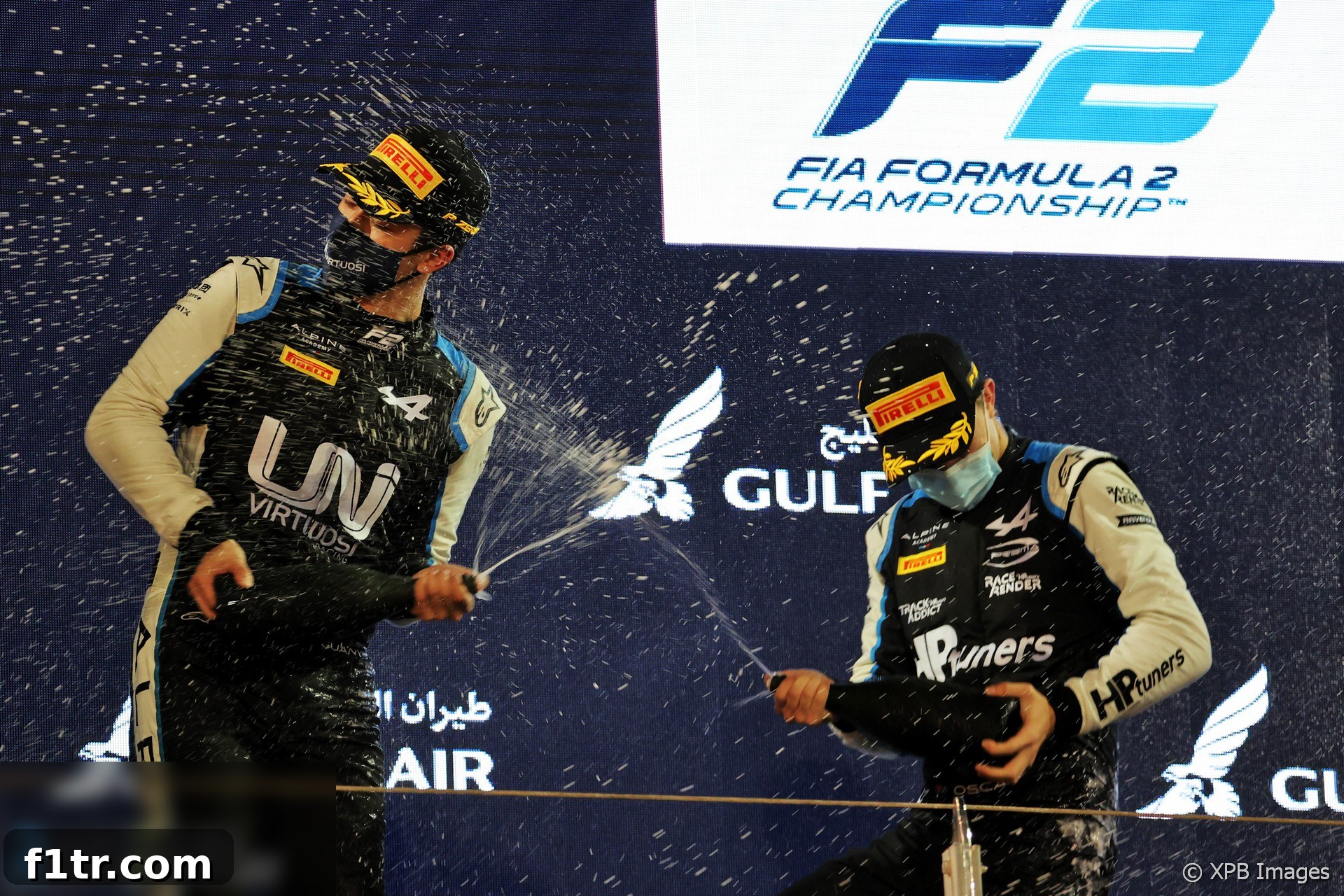
At the forefront of this highly competitive pool are Formula 2 race winners Christian Lundgaard, Oscar Piastri, and Guanyu Zhou. These three drivers are making compelling cases to become the first graduates of the program to represent the Enstone squad since 2012, highlighting the academy’s renewed efficacy in attracting and cultivating top-tier talent. Their consistent performances in the feeder series have thrust them into the spotlight, creating both excitement and operational dilemmas for Alpine’s management.
The urgency of Alpine’s talent dilemma is further underscored by the recent past. Jack Aitken, for instance, left the Renault setup (now Alpine) at the beginning of 2020, anticipating that the signings of Fernando Alonso and Esteban Ocon would effectively block his path to an F1 race seat with the team. Aitken subsequently joined Williams and, within five months, made his practice session debut, a milestone that Alpine’s current crop of juniors has yet to achieve. Just five months after that, he competed for Williams in the Sakhir Grand Prix. While Aitken’s opportunity was arguably a case of being in the “right place at the right time,” his journey highlights the potential for promising drivers to establish successful professional racing careers even after departing a factory program, either by choice or circumstance. This history serves as a poignant reminder for Alpine to carefully manage its rising stars.
Laurent Rossi candidly acknowledged the pressure from these highly-motivated juniors. “We have a lot of them knocking at the door of graduation to F1,” he remarked, emphasizing the immediate readiness of several drivers. He specifically pointed out that “Lundgaard, Zhou, they’re like one or two FP1s away from the superlicence. Piastri has the superlicence already.” This immediate eligibility for F1 competition only intensifies the decisions Alpine faces. Rossi admitted, “Honestly, we almost have like too many of them, really. So at the moment we are looking at options for all of them, whether they continue a bit, whether they go to another team, whether they become part of our team in the capacity of reserve driver or in the medium-term as a driver. We’re looking at all these options and we have plenty, actually. So I say I’m rather fortunate here.”
While any Formula 1 team principal would undoubtedly consider themselves fortunate to have their proteges dominating the F2 points standings – as Zhou and Piastri were positioned after the initial nine races – such success is inherently a double-edged sword. The core dilemma for Alpine stems from the current driver lineup: Fernando Alonso is already confirmed for 2022, and Esteban Ocon’s management is actively engaged in discussions with the team regarding a potential new deal for next year. With both established drivers potentially occupying the two main seats, the path for the academy graduates becomes increasingly congested.
The crucial question looms: if the junior drivers, particularly Piastri and Zhou, maintain their tantalizing form and potentially finish one-two in the F2 championship, how can Alpine justify not promoting either of them for the 2022 season? This becomes especially pertinent for Oscar Piastri, a rookie who stands on the cusp of emulating the remarkable feats of Charles Leclerc and George Russell, both of whom clinched Formula 1’s primary support series titles consecutively. Denying such a talent a direct route to F1, particularly after such a stellar performance, would be a tough decision for Alpine to defend.
Should Alpine prioritize experience over immediate junior promotion, the logical next step would involve strategically loaning out its brightest prospects to rival teams. However, this strategy is complicated by Renault’s unique position: unlike some other engine manufacturers, it does not supply components to any other teams on the grid, meaning there are no existing customer or affiliate relationships to facilitate such loan agreements seamlessly. This absence of a “sister team” relationship, as Rossi pointed out, requires Alpine to forge new connections and negotiate with other F1 outfits on an individual basis, adding another layer of complexity to their driver management strategy.
Guanyu Zhou, the reigning Asian Formula 3 champion, brings not only impressive on-track performance but also significant commercial backing. He is supported by SECA, a powerful Chinese capital holdings company that also owns the highly successful DS Techeetah team in Formula E. While SECA is reportedly looking to reduce its investment in Formula E, potentially impacting Techeetah, it is a logical assumption that their other major motorsport asset, Zhou, would then receive even greater focus and support. This financial leverage from his homeland has already benefited both Zhou and Alpine, enabling a private F1 test program. This program has also provided valuable track time for Lundgaard and Piastri, who have participated in many of these test days. However, as Zhou approaches the conclusion of his three-year F2 plan with Alpine, his commercial attractiveness and undeniable on-track ability make him a prime target for rival teams. It sounds as though this interest is already materializing.
Laurent Rossi confirmed that outside interest is strong. “The thing is, obviously with a sister team you can offload, per se, the driver there,” he explained to RaceFans, acknowledging the ideal scenario. “But if the driver is good you always find a seat for him. And we have marks of interest from a couple of teams at the moment for the three drivers I mentioned already. So I wouldn’t be, I’m not too worried, to be honest.” This confidence suggests Alpine is actively exploring options, potentially including loan deals or outright transfers, to ensure their talented drivers remain in competitive environments.
While the interested teams are unlikely to be front-running F1 outfits looking for immediate race drivers, several conceivable scenarios could see smaller teams sign current Alpine juniors to race. Alfa Romeo, for instance, has a unique seat stewardship arrangement: one seat is determined by the Sauber Group, the owner, and the other by engine supplier Ferrari. This dual control wouldn’t necessarily pose an insurmountable issue for Zhou, given his historical ties to Ferrari. He departed the Ferrari Driver Academy in 2019, believing that F1 opportunities would be more accessible at Renault. Crucially, his connections and potential pathways with Ferrari are not entirely closed, opening up interesting possibilities for his F1 future.
Oscar Piastri, while lacking the substantial commercial backing from his home country that Zhou enjoys, presents a different kind of opportunity for Alpine. The Renault Group is currently facing challenges in the Australian market. Providing Piastri with seat time in this year’s Alpine A521 during his home Grand Prix in November would be an excellent public relations move, generating positive sentiment and media attention. However, such a gesture would also amplify the pressure to promote him to an F1 seat, particularly if he concludes the F2 season on a high note in December. Alpine’s willingness to support another two F2 seasons for the 20-year-old provides some flexibility, and a race team role within Alpine would significantly boost the chances of a driver who already spends considerable time at the Enstone factory, familiarizing himself with the team’s operations and culture.
Christian Lundgaard has faced a more challenging year, enduring misfortune that has limited him to just three points finishes in F2. Despite this, he previously demonstrated immense promise and rose rapidly through the single-seater ranks. This season marks his first time spending a second year in a category, with Alpine entrusting him not only with his own development but also with contributing to the development of his ART team. While results haven’t entirely gone to plan so far, Lundgaard is in the final stages of a five-year program with the Alpine Academy. An extension into 2022 to further hone his skills would not be a surprising strategic move by the team, especially given his past potential.
Beyond the F2 trio, Laurent Rossi has two more promising rising stars in the FIA Formula 3 Championship: teenage rookies Victor Martins and Caio Collet. These younger talents provide Alpine with the luxury of time, allowing for a more gradual and measured development path. Crucially, Alpine’s current strategy involves a more selective intake, with no new names currently slated to join the academy. In the previous Renault era, Eurocup and French Formula 4 champions often received automatic entry into the Academy. However, that policy has been revised, and the current strategy dictates that all new signings will be at the FIA F3 level or above. For the immediate future, Alpine’s primary challenge remains the thrilling yet intricate task of managing its simultaneous crop of highly competitive F2 champions-in-waiting.
Alpine Academy members
Guanyu Zhou, 22
2021: 1st in F2*, Asian F3 champion
2020: 6th in F2
Oscar Piastri, 20
2021: 2nd in F2*
2020: FIA F3 champion
Christian Lundgaard, 19
2021: 13th in F2*
2020: 7th in F2
Victor Martins, 19
2021: 4th in FIA F3*
2020: Formula Renault Eurocup champion
Caio Collet, 19
2021: 6th in FIA F3*
2020: 2nd in Formula Renault Eurocup
*season in progress
Quotes: Dieter Rencken
Read our exclusive interview with Laurent Rossi in full in the new RacingLines column later today on RaceFans
2021 F1 season
- Masi ‘basically gifted the championship’ to Verstappen says 2021 FIA steward Sullivan
- Las Vegas race backers looking to extend F1 deal beyond 2025
- Why Mercedes put ‘a reminder of joy and pain’ on display in their factory lobby
- Verdict on error in GT race suggests Mercedes would have lost 2021 Abu Dhabi GP appeal
- Title ‘stolen’ from Mercedes made us ‘underdogs people cheer for’ – Wolff
Browse all 2021 F1 season articles