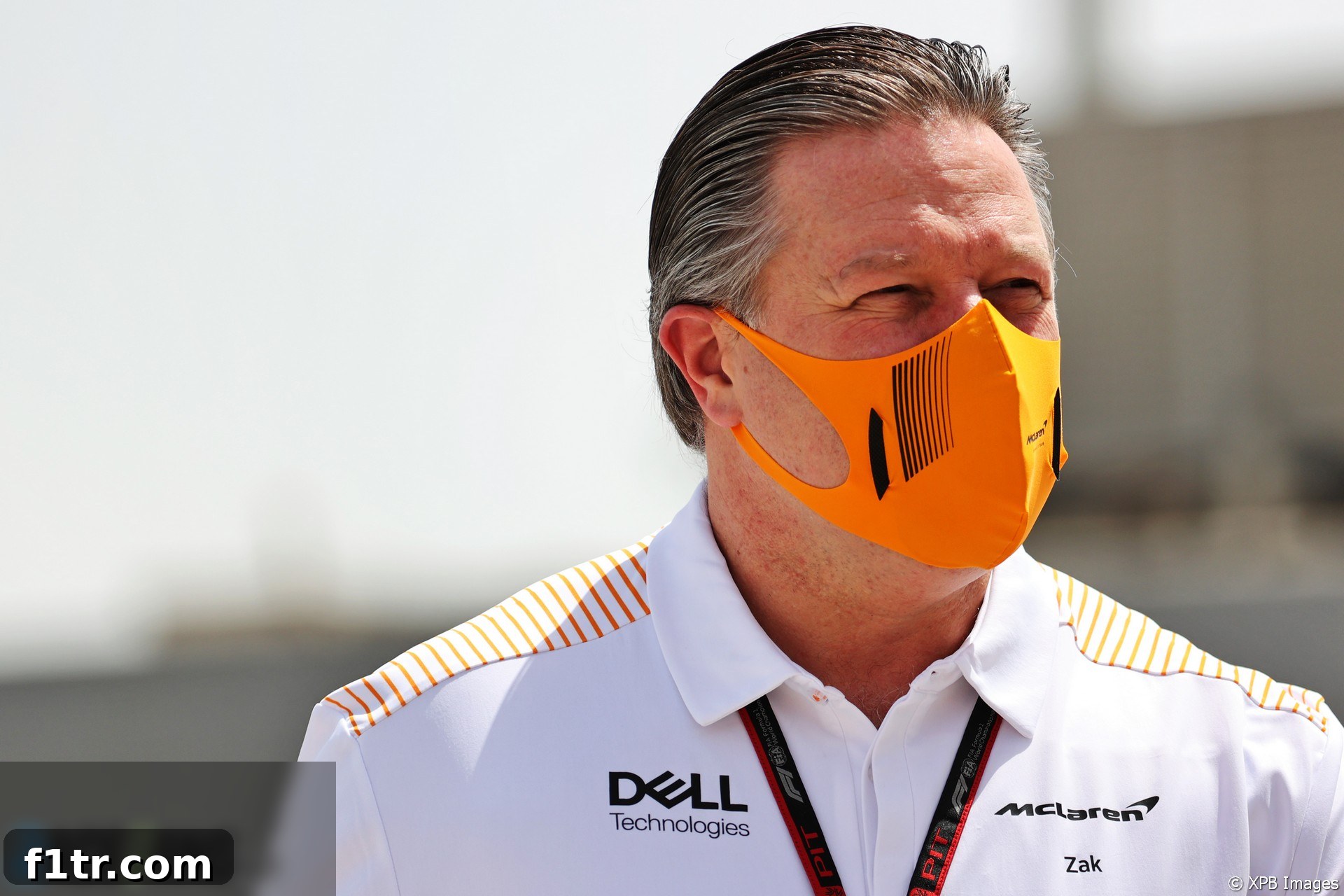
In an era where sports franchises strive for global dominance and new audience engagement, Formula 1 has found an unlikely, yet incredibly potent, ally in Netflix’s behind-the-scenes documentary series, “Drive to Survive.” The show has not only propelled the high-octane world of F1 into millions of new homes but has also sparked conversations about the delicate balance between authenticity and dramatic storytelling. Key figures within the sport, including McLaren Racing CEO Zak Brown and Red Bull Team Principal Christian Horner, have largely lauded the series, acknowledging its transformative impact on the sport’s profile while expressing minimal concern over the “creative license” employed by its producers.
Since its debut, “Drive to Survive” has carved out a unique niche, offering unprecedented access to the inner workings of Formula 1 teams, their drivers, and the often-intense rivalries that unfold both on and off the track. This intimate glimpse, previously unavailable to the general public, has proven instrumental in captivating a diverse audience far beyond traditional motorsport enthusiasts. The series presents not just races, but compelling human stories, making the complex world of F1 relatable and emotionally engaging.
Christian Horner, a prominent figure throughout the series’ run, articulated his perspective on the show’s nature, suggesting it should be viewed primarily as entertainment rather than a journalistic exposé. “With DTS, what you have to remember, unlike [live broadcasts], it’s more of a TV show rather than an in-depth look at the sport,” Horner explained. This distinction is crucial to understanding the series’ immense success. Its fast-paced editing, dramatic narrative arcs, and focus on personal storylines are meticulously crafted to engage a broad, mainstream audience who might otherwise find the technicalities of Formula 1 daunting. This approach has undeniably succeeded in broadening F1’s demographic reach, attracting viewers who are drawn to the drama and personalities as much as, if not more than, the racing itself.
The commercial benefits derived from this newfound exposure are substantial and immediately evident. Horner further emphasized this point, stating, “It reaches a completely different and new audience. The way it’s cut, the way it’s edited, it’s slightly different. But it’s engaged the market. Off the back of it, we’ve brought in exciting new sponsors and partners, one of which – Oracle – we’ve introduced and announced this weekend. I think it’s a positive thing for F1, it’s a new audience that it brings to the sport.” The influx of major global brands like Oracle, eager to align themselves with the burgeoning popularity of Formula 1, underscores the significant return on investment that “Drive to Survive” has generated for the entire F1 ecosystem. This commercial growth translates into increased budgets for teams, fostering greater competition and innovation within the sport.
Zak Brown echoed Horner’s sentiments regarding the series’ profound positive influence. “I think Netflix has been great for F1,” Brown commented. “It’s been trending number one, I think it was number one in 25 countries. The primary goal of Netflix is to entertain and bring new viewers to F1.” The astounding global trending statistics Brown cited speak volumes about the show’s widespread appeal and its ability to transcend geographical and cultural boundaries. For a sport constantly seeking to expand its footprint, especially in crucial growth markets like the United States, “Drive to Survive” has proven to be an unparalleled marketing tool, converting casual viewers into dedicated fans.
However, the McLaren Racing CEO candidly acknowledged that the narrative presented in “Drive to Survive” doesn’t always align perfectly with the reality experienced by those immersed in the paddock. The producers’ use of “creative license” is a point of recurring discussion. Brown specifically referenced the portrayal of the relationship between former McLaren teammates Lando Norris and Carlos Sainz Jnr in a recent season, where it was depicted as far more contentious than it actually was. “Of course, all of us living in the sport know that Carlos and Lando have a great relationship and there wasn’t kind of the tension portrayed there,” Brown stated, highlighting the discrepancy between the on-screen drama and the actual camaraderie shared by the drivers.
Despite these instances of narrative embellishment, Brown expressed a pragmatic acceptance, viewing them as a necessary trade-off for the greater good of the sport. “But I think any time you get into a television show, they’re going to create some entertainment that we all within the paddock know maybe wasn’t quite like that,” he elaborated. “But I think that’s okay. And I think what’s most important is some wonderful things to bring in new fans around the world. So we’re very supportive of Netflix and what they’re trying to accomplish, even if they take a little bit of creative license here and there.” This sentiment reflects a broader understanding among F1 leadership: the occasional dramatic exaggeration serves a vital purpose in captivating new audiences and sustaining engagement, ultimately benefiting the sport’s long-term health and prosperity.
The “creative license” is often manifested through selective editing, resequencing of events, and the amplification of rivalries or tensions that might be minor in reality. This approach, while sometimes unsettling for purist fans who crave absolute factual accuracy, is a cornerstone of compelling documentary filmmaking designed for mass appeal. It transforms complex sporting events into digestible, dramatic narratives, making characters out of drivers and turning race weekends into multi-chapter sagas. Without this narrative scaffolding, the show might struggle to attract and retain the very audience it has so successfully brought to Formula 1.
The success of “Drive to Survive” extends beyond just viewership numbers and sponsorship deals; it has also influenced how drivers and teams interact with media and their own public image. Drivers, initially hesitant, have largely embraced their roles in the series, understanding its power to elevate their personal brands and connect with a global fanbase. Even Max Verstappen, initially a notable absentee, eventually joined the fray, recognizing the show’s undeniable reach and impact. This evolution signifies a broader acceptance within F1 that storytelling and entertainment are now integral components of the sport’s global marketing strategy.
Ultimately, the overwhelming consensus among Formula 1’s leadership is that “Drive to Survive” has been an unmitigated success. Its ability to elevate F1’s global profile, attract millions of new fans, and significantly boost the sport’s commercial appeal far outweighs any minor concerns about factual liberties. The series has become a crucial element in F1’s modern identity, proving that a blend of authentic sporting drama and artfully constructed entertainment can create an unprecedented cultural phenomenon. As Formula 1 continues to expand its reach and evolve in the digital age, the blueprint set by “Drive to Survive” will undoubtedly continue to shape its trajectory, cementing its place as one of the world’s most dynamic and compelling global sports.
Related Formula 1 Insights
- The Impact of Digital Media on F1 Fan Engagement
- How F1 is Attracting a Younger Demographic Globally
- The Rise of Driver Personal Brands in Formula 1
- Exploring the F1 Calendar Expansion: Challenges and Opportunities
- Behind the Scenes of F1 Team Operations and Strategy
Browse all F1 Documentary Series Impact articles