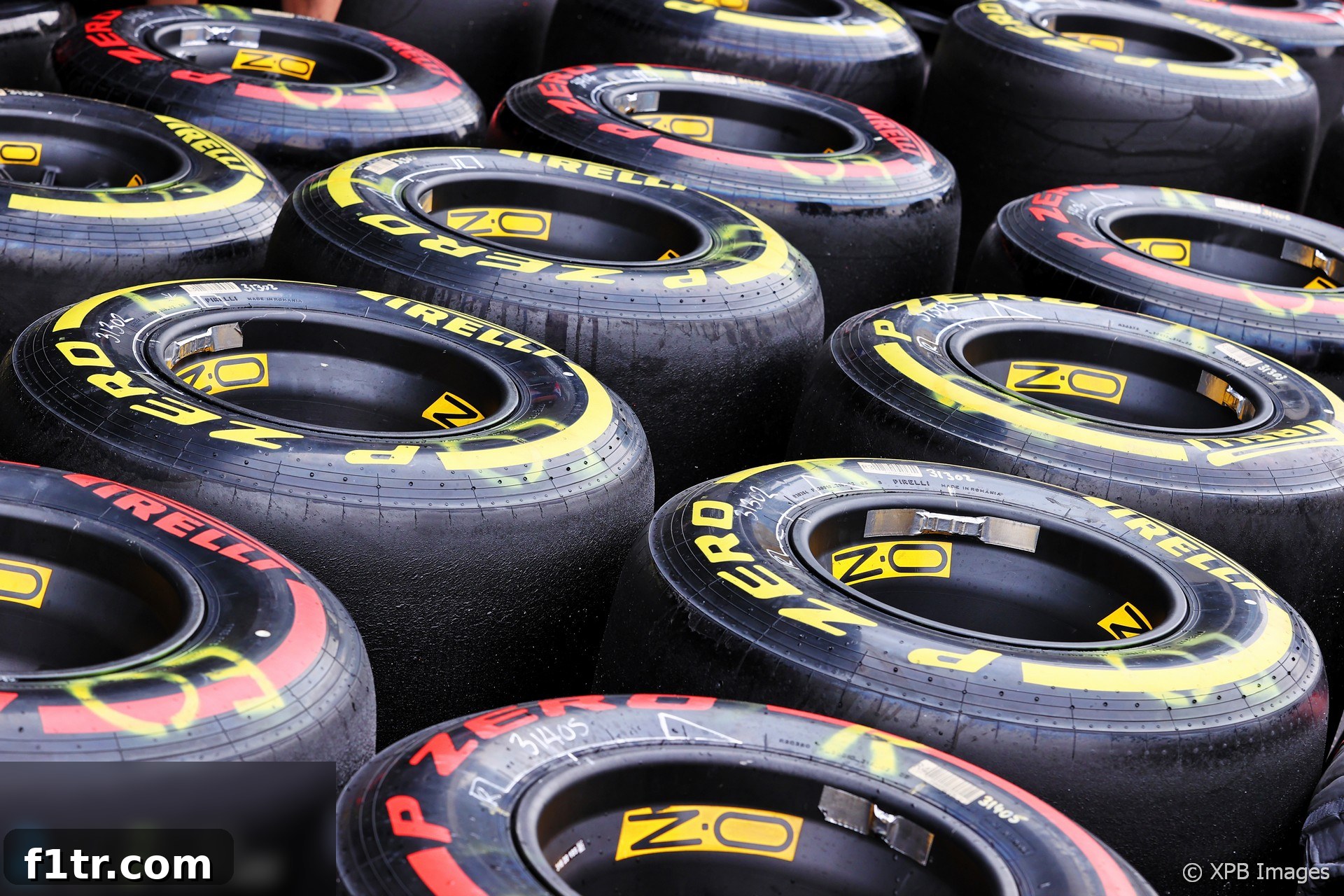
As the pinnacle of motorsport, Formula 1 continuously pushes the boundaries of engineering, strategy, and driver skill. Central to this intricate ballet of speed and precision are the tyres, the sole point of contact between a 1,000-horsepower machine and the asphalt. Pirelli, as the exclusive tyre supplier, bears the immense responsibility of providing compounds that can withstand extreme forces, facilitate thrilling racing, and offer strategic variability across a diverse range of circuits. The finalization of Pirelli’s tyre allocations for the entire 2021 F1 season, particularly following the late addition of the Qatar Grand Prix to the calendar, underscores the dynamic challenges inherent in Formula 1.
Pirelli’s commitment to safety, performance, and strategic depth is reflected in their meticulous selection process for each Grand Prix. They offer five distinct dry-weather compounds, ranging from the hardest (C1) to the softest (C5). For any given race weekend, three of these compounds are designated: a ‘hard’ (white-marked), a ‘medium’ (yellow-marked), and a ‘soft’ (red-marked) option. The choice of these three specific compounds is a science in itself, influenced by factors such as track surface abrasiveness, expected ambient and track temperatures, circuit layout (high-speed corners, long straights, technical sections), and the desired level of tyre degradation to encourage varied race strategies.
The 2021 season saw numerous adjustments and late entries to its calendar, each demanding a thorough re-evaluation of tyre strategies. The addition of the inaugural Formula 1 Qatar Grand Prix was one such significant development, requiring Pirelli to make an informed decision for an entirely new venue for F1. The subsequent re-evaluation for the Turkish Grand Prix, alongside the unchanged approach for the modified Abu Dhabi Grand Prix, highlights the nuanced decision-making process that goes into ensuring competitive and safe racing.
For Formula 1’s debut at the Losail International Circuit in Qatar, Pirelli opted for the hardest compounds in its range: the C1, C2, and C3. This conservative selection is a standard approach when Formula 1 visits a circuit for the first time, especially one with characteristics that suggest high demands on tyres. The 5.4-kilometre permanent track, located just outside Doha, is renowned for its series of fast to medium-speed bends that flow into one another, creating sustained lateral loads. Furthermore, a substantial main straight, stretching over a kilometre, leads into the tight Turn 1, demanding significant braking and traction.
The decision to bring the hardest compounds for Qatar was primarily driven by several key considerations. Firstly, the circuit’s relative unfamiliarity for F1 cars meant there was no prior data on how the track surface would interact with the single-seaters’ immense downforce and powerful engines. Initial assessments likely indicated a potentially abrasive surface and high track temperatures, both of which accelerate tyre wear. High-speed corners also place considerable energy through the tyres, making harder compounds more resilient. By selecting the C1, C2, and C3, Pirelli aimed to ensure durability and prevent excessive degradation, providing a robust foundation for teams and drivers to adapt to the new track layout without immediate concerns over tyre integrity. This cautious approach is crucial for driver safety and allows for a clearer understanding of the circuit’s unique demands for future events.
In contrast to the conservative approach for Qatar, the Turkish Grand Prix at Istanbul Park saw a deliberate shift towards softer compounds for 2021. Pirelli allocated the C2, C3, and C4 compounds, representing a step softer compared to the selection made for the 2020 event. This change was a direct response to the challenging conditions encountered during the previous year’s race, which became infamous for its extremely low grip levels. The 2020 Turkish Grand Prix, held shortly after the track was resurfaced, combined with persistent rain throughout the weekend, created a notoriously slippery surface that saw drivers struggle immensely to generate tyre temperature and find grip.
The primary reason for the improved outlook and subsequent softer tyre choice in 2021 was the significant track maintenance undertaken at Istanbul Park. Following the 2020 struggles, the circuit underwent a specialized water jet cleaning procedure. This process, similar to treatments used at other circuits like Singapore, is designed to remove oils and residues from the asphalt, thereby increasing the macroscopic and microscopic grip levels of the track surface. With improved grip, the tyres are better able to bite into the asphalt, allowing for more aggressive cornering and reduced slip. This enhancement allowed Pirelli to confidently bring softer compounds, which typically offer greater outright performance and faster lap times, while still maintaining an acceptable level of wear and degradation. The C2, C3, and C4 compounds promised to unlock more strategic options for teams and provide a more rewarding driving experience on a now more-grippy track.
The Abu Dhabi Grand Prix, traditionally the season finale, presented a unique challenge: significant track alterations to the Yas Marina Circuit. Several of the slower, more technical corners were eased or completely removed in an effort to improve overtaking opportunities and increase overall lap speeds. These modifications were expected to dramatically slash lap times and potentially alter the car’s dynamic behaviour around the circuit. Despite these considerable changes, Pirelli maintained its previously announced tyre selection, bringing the softest compounds in its range: the C3, C4, and C5.
Pirelli’s decision to stick with the softest compounds, even with a faster circuit layout, was a considered one. The manufacturer communicated that a primary concern was the ability for drivers to generate sufficient heat in their front tyres, particularly under the cooler conditions often experienced later in the evening races at Yas Marina. Harder compounds require more energy and laps to reach their optimal operating temperature, and failing to achieve this can lead to understeer, reduced grip, and an overall lack of performance. By supplying the C3, C4, and C5, Pirelli aimed to ensure that drivers could quickly bring their tyres into the working window, providing immediate grip and confidence, which is crucial for maximizing performance, especially in qualifying and at the start of the race. This selection also aligns with the desire to promote varied pit stop strategies and create a more dynamic race with potential for multiple stops, enhancing the spectacle of the season’s closing event. The inherent performance gain of softer tyres was deemed more beneficial than the potential durability of harder compounds on a faster, but still largely familiar, circuit.
Throughout the 2021 season, Pirelli’s tyre choices played a pivotal role in shaping race strategies and outcomes. The C1, C2, C3 compounds were often reserved for tracks known for their high energy demands and abrasive surfaces, such as Spa-Francorchamps or Silverstone, where durability is paramount. Conversely, the C3, C4, C5 range was allocated to circuits like Monaco or Baku, where maximum mechanical grip is needed on often smoother, less demanding surfaces, or where cooler temperatures necessitate softer rubber to generate heat. The intermediate C2, C3, C4 range provided a versatile option for a majority of circuits, balancing performance and endurance.
Understanding these allocations is key to appreciating the strategic depth of Formula 1. Teams spend countless hours analyzing tyre data, simulating wear rates, and planning pit stop windows, all based on Pirelli’s nominated compounds for each weekend. Tyre management remains a critical skill for drivers, as extracting maximum performance without excessive degradation can be the difference between victory and defeat. The careful calibration of tyre compounds, as demonstrated by Pirelli’s decisions for Qatar, Turkey, and Abu Dhabi, underscores the continuous evolution and adaptability required in the fast-paced world of Formula 1, ensuring that every race presents its own unique challenges and opportunities.
2021 F1 Tyre Selections: A Comprehensive Overview
Below is the complete breakdown of Pirelli’s dry-weather tyre allocations for every race of the 2021 Formula 1 season, detailing the hard, medium, and soft compounds chosen for each circuit. This comprehensive table illustrates the varied demands placed upon the tyres across a global calendar.
| Race | Track | Hard | Medium | Soft |
|---|---|---|---|---|
| 1 | Bahrain International Circuit | C2 | C3 | C4 |
| 2 | Imola | C2 | C3 | C4 |
| 3 | Autodromo do Algarve | C1 | C2 | C3 |
| 4 | Circuit de Catalunya | C1 | C2 | C3 |
| 5 | Monaco | C3 | C4 | C5 |
| 6 | Baku City Circuit | C3 | C4 | C5 |
| 7 | Paul Ricard | C2 | C3 | C4 |
| 8 | Red Bull Ring (Austrian Grand Prix) | C2 | C3 | C4 |
| 9 | Red Bull Ring (Styrian Grand Prix) | C3 | C4 | C5 |
| 10 | Silverstone | C1 | C2 | C3 |
| 11 | Hungaroring | C2 | C3 | C4 |
| 12 | Spa-Francorchamps | C2 | C3 | C4 |
| 13 | Zandvoort | C1 | C2 | C3 |
| 14 | Monza | C2 | C3 | C4 |
| 15 | Sochi Autodrom | C3 | C4 | C5 |
| 16 | Istanbul Park | C2 | C3 | C4 |
| 17 | Circuit of the Americas | C2 | C3 | C4 |
| 18 | Autodromo Hermanos Rodriguez | C2 | C3 | C4 |
| 19 | Interlagos | C2 | C3 | C4 |
| 20 | Losail International Circuit | C1 | C2 | C3 |
| 21 | Jeddah Corniche Circuit | C2 | C3 | C4 |
| 22 | Yas Marina | C3 | C4 | C5 |
Further Insights from the 2021 F1 Season
For those eager to delve deeper into the events and storylines of a memorable Formula 1 season, explore related articles that provide detailed analysis, race reports, and behind-the-scenes perspectives.
- Masi ‘basically gifted the championship’ to Verstappen says 2021 FIA steward Sullivan
- Las Vegas race backers looking to extend F1 deal beyond 2025
- Why Mercedes put ‘a reminder of joy and pain’ on display in their factory lobby
- Verdict on error in GT race suggests Mercedes would have lost 2021 Abu Dhabi GP appeal
- Title ‘stolen’ from Mercedes made us ‘underdogs people cheer for’ – Wolff
Browse all 2021 F1 season articles