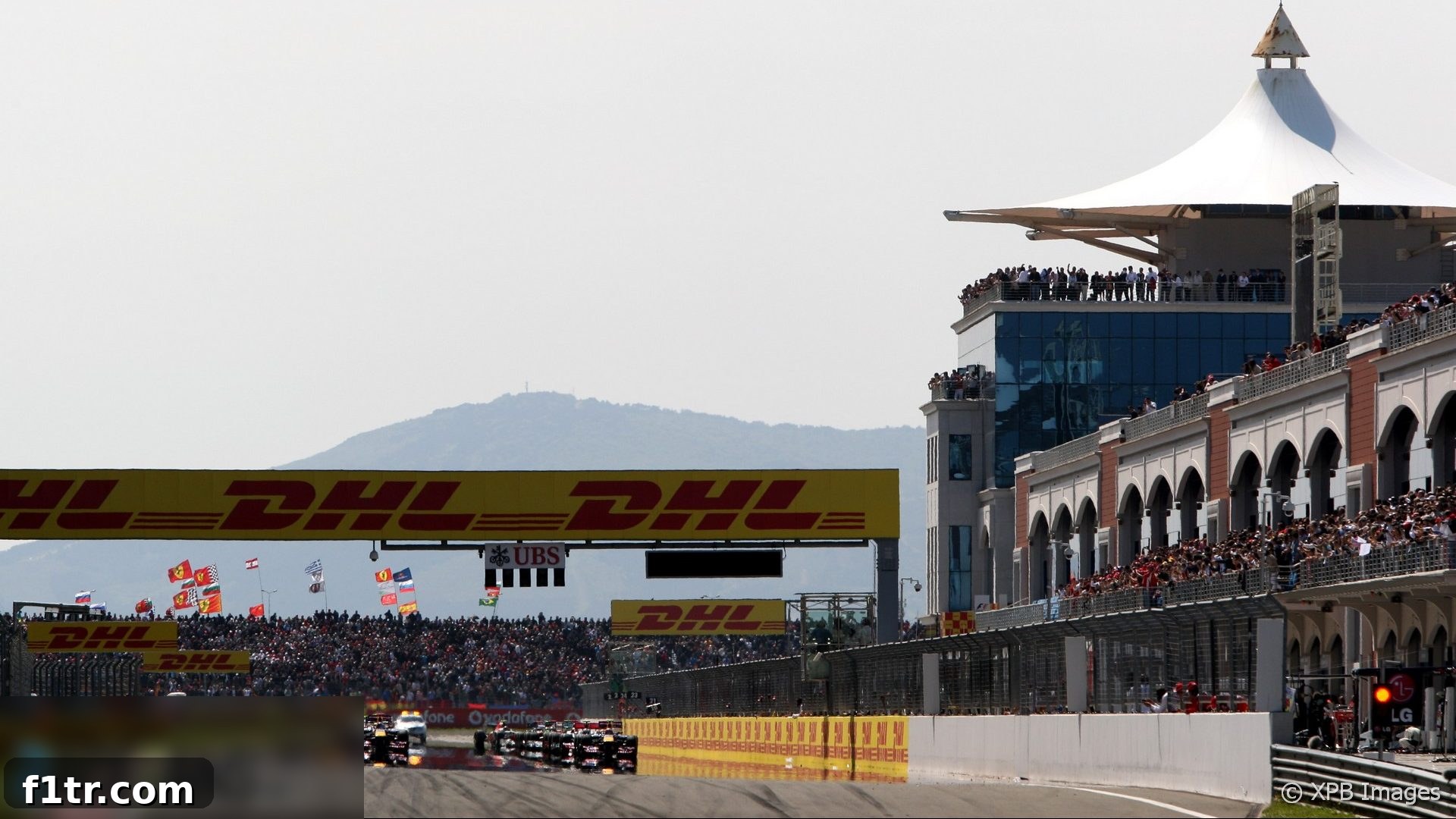
Unraveling the Challenges: A Deep Dive into the Turkish Grand Prix Conditions
Formula 1’s highly anticipated return to Istanbul Park sets the stage for a unique and potentially unpredictable weekend, marking a crucial phase in the championship battle. As the 2020 season draws to a close, the Turkish Grand Prix stands out not only for its iconic circuit layout but also for the distinctive environmental and track conditions awaiting the teams. With no rain expected in Turkey, followed by three dry desert races, the season looks set for a predominantly dry conclusion, starting with the intriguing challenges posed by Istanbul.
Istanbul Park’s Meteorological Mosaic: Cooler Temperatures and Persistent Cloud Cover
The 2020 Turkish Grand Prix is scheduled much later in the year than previous Formula 1 outings at the venue, which historically took place during the warmer summer months. This significant shift in timing fundamentally impacts the expected weather conditions, setting a cooler, more demanding backdrop for the racing spectacle. Forecasts indicate mild air temperatures and persistent cloud cover throughout the entire weekend, a stark contrast to the often sun-drenched races of the past.
Friday’s practice sessions are anticipated to be the warmest, with air temperatures potentially reaching a high of 16°C during the second session. While seemingly mild, this is considerably cooler than typical Grand Prix conditions, especially given the historical context of Istanbul Park. As the weekend progresses, temperatures are projected to drop slightly, hovering around 15°C for both qualifying on Saturday and the main race on Sunday. This consistent coolness, combined with the continuous cloud cover, will play a critical role in track temperatures, which are expected to remain universally low across all sessions.
Low track temperatures present a specific set of challenges for Formula 1 teams and drivers. Achieving optimal tyre operating windows becomes a delicate balancing act, as cooler asphalt makes it harder for the tyres to generate and retain heat. This can lead to reduced grip levels, impacting braking performance, cornering speeds, and overall car stability. Engineers will be meticulously working on car setups to ensure the tyres can perform effectively, potentially requiring softer compounds or different pressure strategies to compensate for the lack of inherent track heat. The lower temperatures will also influence engine performance and cooling demands, although these factors are often less critical than tyre management in such conditions.
The Grip Enigma: A Resurfaced Track Echoing Portimao’s Lessons
One of the most significant talking points ahead of the Turkish Grand Prix is the recent resurfacing of the Istanbul Park circuit. This undertaking, similar to the work done at the Autodromo do Algarve in Portimao earlier in the season, is expected to dramatically influence the available grip levels. The combination of a brand-new tarmac surface and the anticipated cooler asphalt temperatures creates a scenario where drivers are likely to contend with exceptionally low grip throughout the weekend.
Lessons from Portimao are fresh in the minds of teams and drivers. The Portuguese Grand Prix saw a similar confluence of new asphalt and unseasonably cool conditions, resulting in a race where maintaining tyre temperature and finding traction were paramount challenges. Drivers reported struggling significantly with grip, particularly in the early stages of sessions, leading to spectacular slides and moments of car control on the limit. This experience suggests that Istanbul Park could present an equally, if not more, demanding test of driver skill and car setup.
The implications of this low-grip environment are multifaceted. Firstly, it will place a premium on mechanical grip, forcing engineers to fine-tune suspension settings and aerodynamic balance to maximize contact with the track. Secondly, a common characteristic of fresh asphalt, especially when cool, is reduced tyre degradation. If Istanbul Park follows the pattern seen in Portimao, teams might experience very low wear rates, potentially opening up strategic possibilities like longer stints or even a one-stop race for some. However, the flip side is that tyres may struggle to reach their optimal operating temperature, leading to graining or blistering if not managed correctly, especially if drivers are forced to push harder to generate heat.
The inherent challenge for drivers will be adapting quickly to a surface that offers minimal initial bite, especially in the fast, flowing sections of Istanbul Park. Precision and smooth driving inputs will be crucial to avoid losing valuable lap time or, worse, losing control. Qualifying, in particular, will be a high-stakes affair, with drivers pushing the limits on cold tyres to extract every millisecond, making the first flying lap extremely critical.
Battling the Elements: The Unpredictable Influence of Wind
Beyond the asphalt and ambient temperatures, the wind is poised to be another critical environmental factor at Istanbul Park. The circuit’s location and design mean it is fairly exposed to the elements, making it susceptible to unpredictable gusts. This exposure, combined with the track’s several high-speed corners, including the legendary Turn 8, amplifies the potential impact of even moderate wind conditions on Formula 1 cars.
Turn 8, often dubbed “Diabolica” or “The Quadruple Apex,” is a monumental, high-speed left-hander with multiple apexes that tests the very limits of a Formula 1 car and its driver. It’s a corner that demands absolute commitment and aerodynamic stability, taken at speeds exceeding 260 km/h. When strong crosswinds or head/tailwinds buffet a car through such a complex and sustained high-speed bend, the aerodynamic balance can be critically disturbed. Early indications suggest that qualifying sessions, in particular, could see occasional gusts powerful enough to catch an unwary driver off guard during a fast lap. Such an occurrence could lead to a sudden loss of downforce, unsettling the car, pushing it wide, and potentially costing a valuable lap time or even resulting in a spin.
For teams whose cars have demonstrated particular sensitivity to wind conditions throughout the season, this combination of an exposed track and a low-grip surface could make for an exceptionally tricky weekend. Aerodynamically efficient cars that are also inherently stable in crosswinds will likely thrive, while those with more delicate aero philosophies might struggle to maintain consistent performance, particularly through high-speed sections. Engineers will face the arduous task of setting up the cars to cope with both the lack of mechanical grip and the unpredictable aerodynamic effects of the wind, often requiring compromises in overall performance and driver comfort.
Strategic Battles and Championship Implications
The unique cocktail of conditions at the Turkish Grand Prix – cooler air and track temperatures, a brand-new, low-grip surface, and the ever-present threat of wind – promises to inject a significant element of unpredictability into the race weekend. These factors will undoubtedly influence race strategies, tyre management, and potentially even the championship narrative as the season progresses towards its climax.
Teams will need to be agile in their strategic thinking, constantly monitoring track evolution, tyre wear, and competitor performance. The low degradation expected from the new asphalt might encourage longer stints, potentially favoring a one-stop strategy for many. However, the challenge of keeping tyres in their optimal temperature window could prompt earlier or more frequent stops for some, especially if graining becomes an issue. Overtaking opportunities, traditionally abundant at Istanbul Park, could be harder to execute if drivers are struggling for consistent grip, placing a higher premium on qualifying performance and clever undercut/overcut strategies during pit stop windows.
For drivers, the weekend will be a testament to adaptability, precision, and raw skill. Mastering the challenging conditions will require a delicate touch, excellent car control, and the ability to extract performance from tyres that may not always be in their ideal operating range. Errors will be easily punished, making clean, consistent driving paramount. The championship implications are clear: any misstep in these challenging conditions could have significant consequences as the season approaches its climax, potentially shaking up the points standings.
Istanbul Park: A Welcomed Return to a Driver’s Circuit
Despite the inherent challenges, the return of Formula 1 to Istanbul Park is widely celebrated by fans and drivers alike. Designed by the renowned Hermann Tilke, the circuit has a well-deserved reputation as a true driver’s track, blending high-speed sections with technical corners and significant elevation changes. Its flowing layout encourages spectacular racing and rewards brave, precise driving. The demanding nature of Turn 8 alone makes it a favorite among drivers, who relish the immense G-forces and the precision required to master it.
The challenging conditions for the 2020 Turkish Grand Prix only add another layer of intrigue to an already exciting venue. It promises a weekend where the best will rise to the occasion, showcasing their skill and adaptability against the odds. Fans can expect a captivating spectacle as teams and drivers push the boundaries in pursuit of victory and crucial championship points, making this Grand Prix one to remember.
Stay Updated on Track Conditions
For real-time updates on track conditions, minute-by-minute weather changes, and all the live action during each session of the Turkish Grand Prix, make sure to keep a close eye on RaceFans Live and the official RaceFans Twitter account. Don’t miss a moment of this enthralling return to Istanbul Park.
2020 Turkish Grand Prix
Browse all 2020 Turkish Grand Prix articles