Navigating the Nuances of F1 Racing Rules: An Insight into FIA Race Control Decisions
Formula 1, often dubbed the pinnacle of motorsport, is a high-stakes environment where split-second decisions on track can dramatically alter race outcomes. Beyond the raw speed and strategic genius, the sport is governed by a complex web of regulations designed to ensure fair play and maintain sporting integrity. Yet, even with clear rules, interpreting on-track incidents in real-time often leads to contentious situations and varied outcomes. A prime example of this complexity emerged during the 2018 Formula 1 season, where then-FIA Race Director Charlie Whiting offered crucial insights into seemingly inconsistent penalty decisions involving drivers like Valtteri Bottas, Max Verstappen, and Esteban Ocon.
Whiting’s explanations shed light on the intricate considerations race control and stewards face when evaluating incidents such as cutting chicanes or gaining an advantage by going off-track. These decisions are rarely black and white, often involving a degree of interpretation based on the specific circumstances of each event, driver intent, and the immediate impact on rivals. Understanding these nuances is key to appreciating the formidable challenge of officiating at the highest level of motorsport.
The “Joker” Card: Valtteri Bottas and Max Verstappen’s Chicane Incident
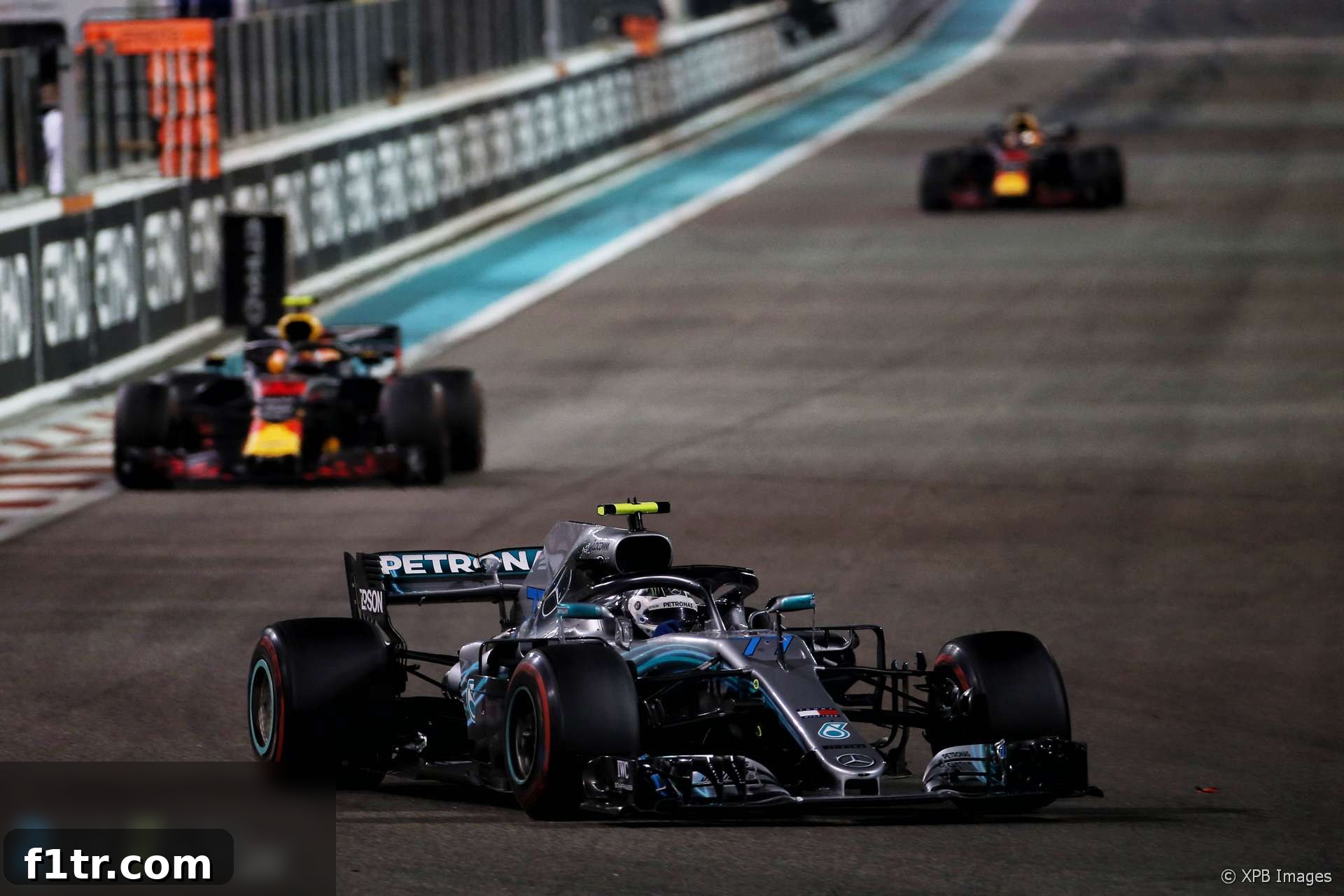
One of the most discussed incidents involved Valtteri Bottas during a high-pressure moment when he was being closely pursued by Max Verstappen. Bottas, driving for Mercedes, cut the chicane at turns eight and nine. Verstappen, clearly agitated, immediately radioed his team to report that Bottas had gained an advantage. Fans and pundits alike might have expected an immediate penalty, given the common understanding that leaving the track to gain an advantage is prohibited. However, Bottas was not penalized, a decision that Whiting later clarified as an application of a ‘joker’ warning system.
Whiting explained that Bottas had been afforded a one-off warning, mirroring a similar situation involving Max Verstappen earlier in the same season at the Italian Grand Prix. “As you know in Monza we had a couple of occasions, Max was one of them, he cut across the chicane and stayed in front at the first chicane and we gave him a warning,” Whiting stated. This established a precedent: drivers are given a single opportunity, a ‘free pass’ if you will, for such an infraction if it appears to be a genuine mistake and doesn’t result in a significant, lasting advantage. “They get one chance at that. If he’d done it a second time it would be reported to the stewards. So that’s exactly what we did with Valtteri and Max,” Whiting confirmed, emphasizing the consistency of this particular ruling.
The reasoning behind this ‘joker’ system highlights the FIA’s approach to officiating. It acknowledges that in the heat of battle, drivers can make genuine errors, such as locking up brakes and inadvertently running wide or cutting a chicane. The primary concern is whether a driver *gains* an unfair advantage or simply recovers from an error. A crucial factor in Bottas’s case, according to Whiting, was Verstappen’s position relative to the Mercedes driver. “He wasn’t almost alongside, he was behind and Valtteri locked up and went straight on,” Whiting elaborated. This distinction is vital: if Verstappen had been alongside, making a clear overtaking move, Bottas’s actions would likely have been viewed differently, potentially warranting a more immediate and severe penalty.
Whiting further clarified the potential consequences: “If [Bottas] had done it again we would have said he only stayed in front by virtue of going off the track. Obviously it is still an advantage if you stay in front, otherwise he might have lost the place.” This underscores the subtle balance race control must strike: recognizing genuine mistakes versus deliberate actions to maintain position or gain ground. The ‘joker’ system serves as a safety net, allowing for a degree of leniency for initial, non-malicious errors, while clearly signaling that repeat offenses will incur harsher scrutiny from the stewards, who have the authority to impose time penalties or other sanctions.
The Ocon Incident: When Returning a Position Becomes Impossible
While Bottas escaped a penalty for his chicane cut, another incident involving Esteban Ocon during the same season resulted in a five-second time penalty. Ocon went off track at turn 17 after successfully passing Stoffel Vandoorne. On the surface, both incidents involved a driver leaving the track. However, the outcomes differed significantly, revealing another layer of complexity in F1 officiating.
Whiting explained Ocon’s penalty stemmed from his inability to return the gained position fairly. “Esteban was asked to get the place back but by the time we got the message to him he’d been passed by another car. Obviously we couldn’t make him drop back down two positions, so it was referred to the stewards.” This scenario highlights a common dilemma in fast-paced racing: once an advantage is gained, especially if multiple cars are involved, unwinding the situation cleanly becomes exceedingly difficult, if not impossible. In Ocon’s case, the intervention of a third car between him and Vandoorne complicated the matter to the point where race control could not simply instruct him to concede the position to the original rival.
The time-sensitive nature of these decisions is paramount. Race control must act quickly to assess incidents and communicate instructions to teams, who then relay them to drivers. Delays in this chain, or unforeseen developments like other cars intervening, can lead to situations where the only recourse is to refer the incident to the stewards. The stewards, with the benefit of all available telemetry and video evidence, then determine an appropriate penalty, such as the five-second time penalty Ocon received. This contrasts sharply with Bottas’s situation, where the immediate impact on Verstappen was judged as less severe and a simple warning was deemed sufficient for a first offense.
Race Control’s Authority: Advising, Not Ordering
Whiting also clarified a crucial aspect of the FIA Race Director’s role: the distinction between advising and ordering drivers to give back positions. “Race control can’t order someone to give a place back,” he asserted. “We can advise them that we think that’s the wisest thing to do. If they don’t they get reported to the stewards.” This principle underscores the responsibility that ultimately rests with the drivers and their teams.
The process typically involves race control identifying a potential infringement where a driver has gained an unfair advantage. They then advise the driver’s team to instruct their driver to cede the position. This puts the onus on the team and driver to comply. If the driver fails to act on this advice, or if, as in Ocon’s case, circumstances make a straightforward position exchange impossible, the matter escalates to the stewards. The stewards then review the evidence and determine if a sporting advantage was unfairly gained and, if so, what penalty should be applied.
A further example cited by Whiting was an earlier incident involving Carlos Sainz Jnr and Marcus Ericsson. “Early in the race Carlos Sainz [Jnr] was asked to get the place back to Marcus Ericsson. We did ask Esteban to give it back but by the time that the team got the news, and then we need to tell the other team, Vandoorne had lost another place, so they had to go to the stewards.” This illustrates the multi-faceted communication required and the potential for real-time race events to complicate seemingly simple instructions. The integrity of the race demands that any advantage gained unfairly is either relinquished immediately or penalized, ensuring a level playing field for all competitors.
Consistency, Fairness, and the Evolving Landscape of F1 Regulations
These incidents from the 2018 F1 season serve as powerful reminders of the constant challenge faced by race officials to apply regulations consistently and fairly in the dynamic environment of Formula 1. The fine line between a racing incident, a driver error, and a deliberate attempt to gain an advantage is often blurry, and decisions are made under immense pressure and scrutiny. While the ‘joker’ system for chicane cuts allows for genuine mistakes, the strict adherence to returning positions when an advantage is gained underscores the FIA’s commitment to maintaining sporting fairness.
The evolving nature of Formula 1, with ever-increasing speeds and tighter margins, continuously pushes the boundaries of track limits and racing etiquette. Debates around track limits, driver conduct, and the perceived consistency of penalty applications are perennial topics among fans, teams, and drivers. The insights provided by Charlie Whiting highlight the human element in officiating, the need for nuanced interpretation, and the complex interplay between drivers, teams, race control, and stewards in upholding the spirit of fair competition. Each decision, whether a warning or a penalty, contributes to the overall narrative of the season and shapes driver behavior, making the role of race officials as critical as the performance of the cars themselves.
Conclusion
The explanations surrounding the incidents involving Valtteri Bottas, Max Verstappen, and Esteban Ocon during the 2018 Formula 1 season offer a deep dive into the intricate world of race officiating. From the pragmatic ‘joker’ system designed for honest mistakes to the strict requirements for returning unfairly gained positions, each ruling reflects the FIA’s efforts to balance fairness, driver safety, and the inherent chaos of high-speed racing. These cases underscore the complexities faced by FIA Race Control, illustrating why seemingly similar incidents can lead to different outcomes based on context, intent, and the real-time dynamics of the race. Ultimately, Formula 1 thrives on both the thrilling competition on track and the robust, albeit often debated, framework of regulations that seeks to ensure every victory is earned fairly.
2018 F1 season: Related Articles
- F1 feared “death knell” for Drive to Survive after Ferrari and Mercedes snub
- McLaren staff told us we were “totally crazy” to take Honda engines in 2018 – Tost
- ‘It doesn’t matter if we start last’: How Red Bull’s junior team aided Honda’s leap forward
- Honda’s jet division helped F1 engineers solve power unit problem
- McLaren Racing losses rise after Honda split
Browse all 2018 F1 season articles