The highly competitive world of Formula 1 is perpetually on the hunt for marginal gains, but sometimes the biggest challenges come from fundamental components. One such element that has sparked considerable debate and frustration among teams during the 2019 season is the official tyre specification supplied by Pirelli. At the forefront of this discussion, Haas team principal Guenther Steiner has emphatically joined the chorus of voices advocating for a significant change: a reversion to last year’s tyre specifications. This call reflects a growing sentiment within the paddock that the current tyres are proving to be a significant impediment to consistent performance and exciting racing.
Pirelli, F1’s sole tyre supplier, introduced a new range of thinner-tread tyres for the 2019 season. These modifications were based on constructions previously trialled at three specific races in 2018, primarily aimed at mitigating issues of blistering and overheating that had plagued some teams. The intention was to create more robust tyres that could withstand the immense forces of modern F1 cars, potentially encouraging more varied race strategies. However, for a significant portion of the grid, including Haas, the new rubber has presented an entirely different set of complex challenges, making it notoriously difficult to extract optimal performance from them.
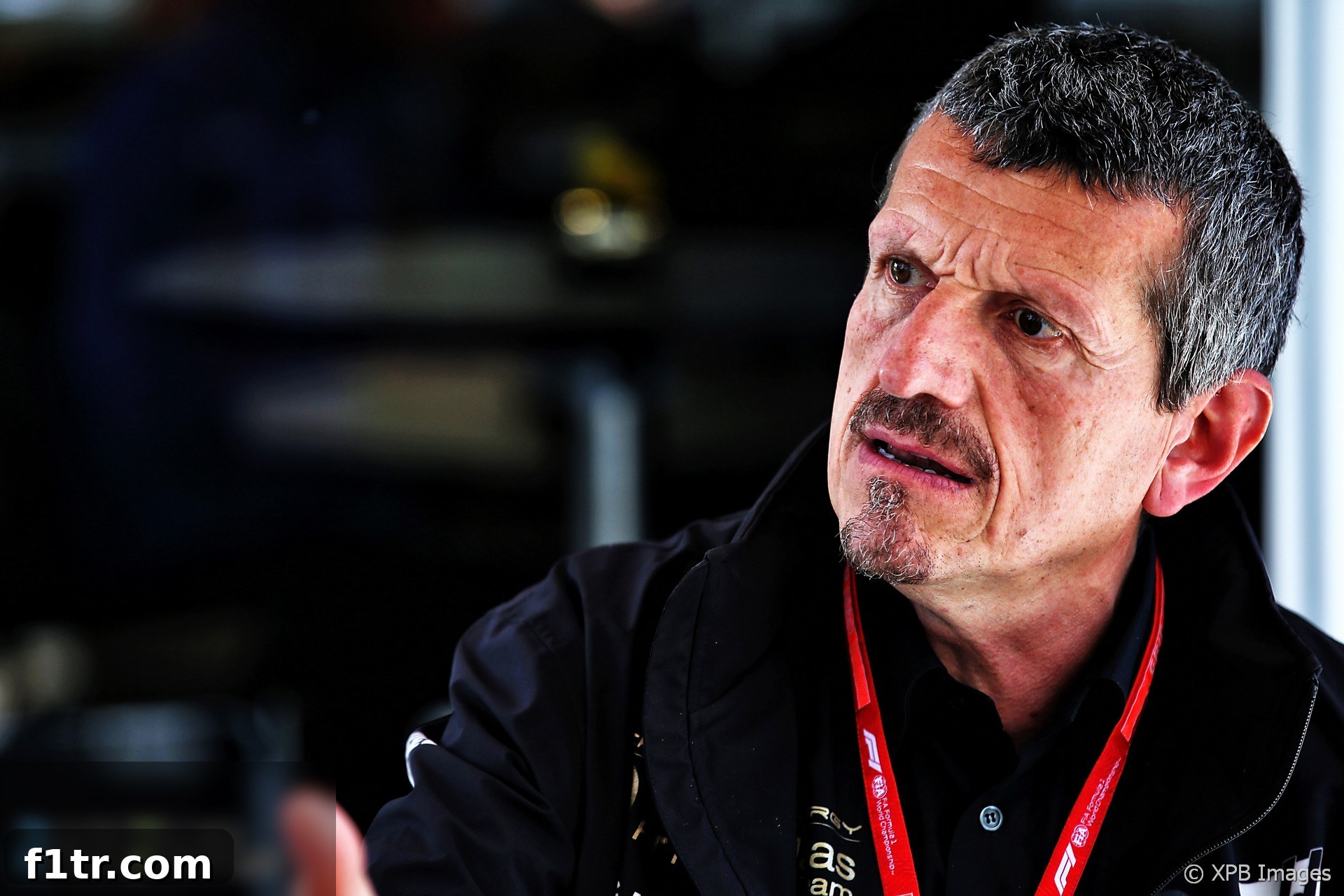
Guenther Steiner articulated the frustration succinctly during the Canadian Grand Prix weekend, highlighting the elusive nature of understanding the 2019 tyres. “You make progress but it’s not a progress you can see and can replicate somewhere else,” Steiner explained. His comments underscore a critical problem: the inconsistency of tyre behaviour from one track to another, or even from one session to the next within the same race weekend. This unpredictability means that learnings gained at one event are not reliably transferable, creating a perpetual state of uncertainty for engineers and drivers alike. “Every time it’s something new. You make progress when you go along on a weekend but what you learn here doesn’t mean you can apply it 100% on the next one.”
The Haas principal’s vivid analogy of the current tyres resembling a “Kinder Surprise” perfectly captures the exasperation felt by many teams. “Every time it’s a new surprise, like the Kinder Surprise: What do you get inside?” This uncertainty transforms every race weekend into a fresh puzzle, with teams scrambling to adapt to the idiosyncratic demands of the tyres rather than fine-tuning their car’s inherent performance. While teams eventually learn to “react quicker because you understand better what the tyre is doing,” the ability to “predict now what to do in France, no idea” highlights the inherent flaw in the design – a lack of predictable operating windows and consistent degradation patterns, crucial for strategic planning and optimal car setup.
The call for a return to the 2018 specification is not unique to Haas. Just prior to Steiner’s comments, Christian Horner, the team principal of Red Bull Racing, publicly suggested that Pirelli should revert to the previous year’s tyres. Horner’s rationale was clear: such a move would help to close the competitive gap between Mercedes and its rivals, effectively leveling the playing field. Mercedes-AMG Petronas F1 Team, at the time, appeared to be the only outfit consistently mastering the nuances of the 2019 Pirelli compounds, frequently extracting their full potential while other top teams struggled.
Steiner wasted no time in throwing his weight behind Horner’s proposal, stating his support “absolutely.” He acknowledged that the 2018 tyres were “not perfect” either, signifying that the previous generation also had its quirks. “I wouldn’t say the tyre last year was fantastic and now we want to go back to that one,” he clarified, emphasizing that the desire for change isn’t about perfect tyres, but about achieving a more manageable and predictable baseline. The core of his argument, and indeed Horner’s, is a desire to shift the narrative of Formula 1 away from endless discussions about tyre performance and towards the thrill of genuine on-track competition. “I would support to look into it to try and do a tyre that we’re not always speaking about tyres. We are speaking about racing and crashing cars and so on.”
Pirelli’s mandate as the sole tyre supplier for Formula 1 involves a delicate balancing act. They are tasked with designing tyres that offer sufficient grip for the fastest racing cars on the planet, endure immense forces, degrade predictably enough to encourage strategic variation, and ensure driver safety, all while operating within strict technical and sporting regulations. The 2019 thinner-tread specification was an attempt to achieve certain objectives, primarily to combat the severe blistering issues observed in some races during the 2018 season, particularly on circuits with high energy loads. The thinner tread was designed to reduce the bulk temperature of the tyre, thereby lowering the risk of blistering. However, this design change inadvertently created a narrower operating window for many teams, making it extremely challenging to generate and maintain the optimal tyre temperature. If the tyres fell outside this narrow window, either too cold or too hot, their performance would drop off dramatically, leading to frustrating unpredictability for drivers and engineers.
The impact of these challenging tyres extends beyond mere performance metrics. For teams like Haas, which often operate on tighter budgets than the front-runners, a lack of tyre understanding can derail an entire weekend. Time spent trying to understand capricious tyres is time not spent on aerodynamic development or mechanical setup, creating a significant competitive disadvantage. The situation also affects the racing spectacle. When tyres are too difficult to manage, drivers may be hesitant to push to the limit, leading to less aggressive overtaking attempts and potentially processional races. Conversely, when a team, such as Mercedes, manages to unlock the secret of the tyres, their advantage can become almost insurmountable, creating a chasm between them and their rivals and diminishing the overall competitiveness of the championship.
The debate surrounding tyre specifications in Formula 1 is not new. Throughout the sport’s history, tyre manufacturers have played a pivotal role, and their products have often been at the heart of controversies or strategic shifts. From the multi-supplier wars of the past, where different brands battled for supremacy, to the current single-supplier era, the characteristics of the rubber dictate much of the racing narrative. While a return to the 2018 specification might seem like a simple solution, implementing such a change mid-season or even for the following season is a complex process involving Pirelli, the FIA, and the teams themselves. Pirelli would need to ensure the manufacturing capacity and technical validation, while the FIA would need to approve any deviations from agreed-upon regulations.
Ultimately, the collective desire of team principals like Steiner and Horner is to move towards a scenario where the tyres are a consistent, albeit challenging, element of the race, rather than the primary variable. They yearn for a situation where engineering prowess, driver skill, and strategic acumen are the decisive factors, not the unpredictable temperament of the rubber. The plea is for tyres that allow for clear progress, predictable behaviour, and, most importantly, thrilling, unhindered racing. As the 2019 season progresses, the pressure on Pirelli and the FIA to address these concerns will undoubtedly intensify, with the hope that a resolution can be found that benefits the competitive balance and excitement of Formula 1.
2019 F1 Season Insights
Delve deeper into related stories and developments from the pivotal 2019 Formula 1 season:
- Crying in the Melbourne car park at 2019 grand prix was my career low – Ocon
- McLaren Racing reports reduced £71 million loss in 2019
- Kvyat: Hockenheim podium last year was “my biggest achievement” so far
- How the FIA’s new encrypted fuel flow meter targets Ferrari’s suspected ‘aliasing’ trick
- “He smashed my office door”: 23 must-see moments from ‘Drive to Survive’ season two
Browse all 2019 F1 season articles