Formula 1’s Unprecedented Pace: McLaren Technical Director James Key Reflects on 2022 Car Performance and Development Surprises
The 2022 Formula 1 season marked a pivotal moment in the sport’s history, ushering in a revolutionary set of technical regulations designed to transform the racing spectacle. Central to these changes was a radical overhaul of car aerodynamics, aimed at fostering closer competition and enabling cars to follow each other more effectively. While the initial expectation was a significant reduction in lap times, McLaren’s esteemed Technical Director, James Key, has openly expressed his surprise at how rapidly teams have not only nullified this deficit but, in some cases, surpassed previous performance benchmarks. His insights offer a compelling look into the relentless world of F1 development and the enduring strengths of the sport’s top contenders.
The Dawn of a New Aerodynamic Era: Understanding the 2022 F1 Regulations
The sweeping changes introduced for the 2022 Formula 1 season were arguably the most significant in decades. At their core, these regulations sought to fundamentally alter how F1 cars generate downforce, shifting reliance from complex front wings and intricate bodywork towards ground effect aerodynamics. The aim was simple yet ambitious: reduce the turbulent “dirty air” created by leading cars, which historically made it incredibly difficult for following cars to maintain performance and launch overtakes. By simplifying front wings, increasing the diffuser size, and introducing wheel wake control devices, the FIA hoped to create a formula where driver skill and race craft could shine, unhindered by aerodynamic limitations.
Early simulations and expert predictions indicated that these radical design changes would initially result in a substantial performance hit, with most circuits expected to see lap times approximately two seconds slower than their 2021 counterparts. This anticipated slowdown was a necessary trade-off for what was hoped to be a more exciting racing product and a genuinely level competitive landscape. However, the ingenuity and engineering prowess within Formula 1 proved once again that such projections are merely starting points for the sport’s elite design teams, setting the stage for an unexpected season of rapid evolution.
The Rapid Evolution: F1 Teams Exceeding Expectations and Bridging the Performance Gap
What truly surprised James Key, and indeed many across the paddock, was the astonishing rate at which teams developed their new-generation cars. “What has surprised me is that, in theory, with the same chassis performance, the 2022 cars should be two seconds slower than the 2021 cars, but that hasn’t been the case,” Key stated in a team interview. This observation highlights the immense capability of Formula 1 engineering departments to adapt, innovate, and extract performance at an almost unimaginable pace.
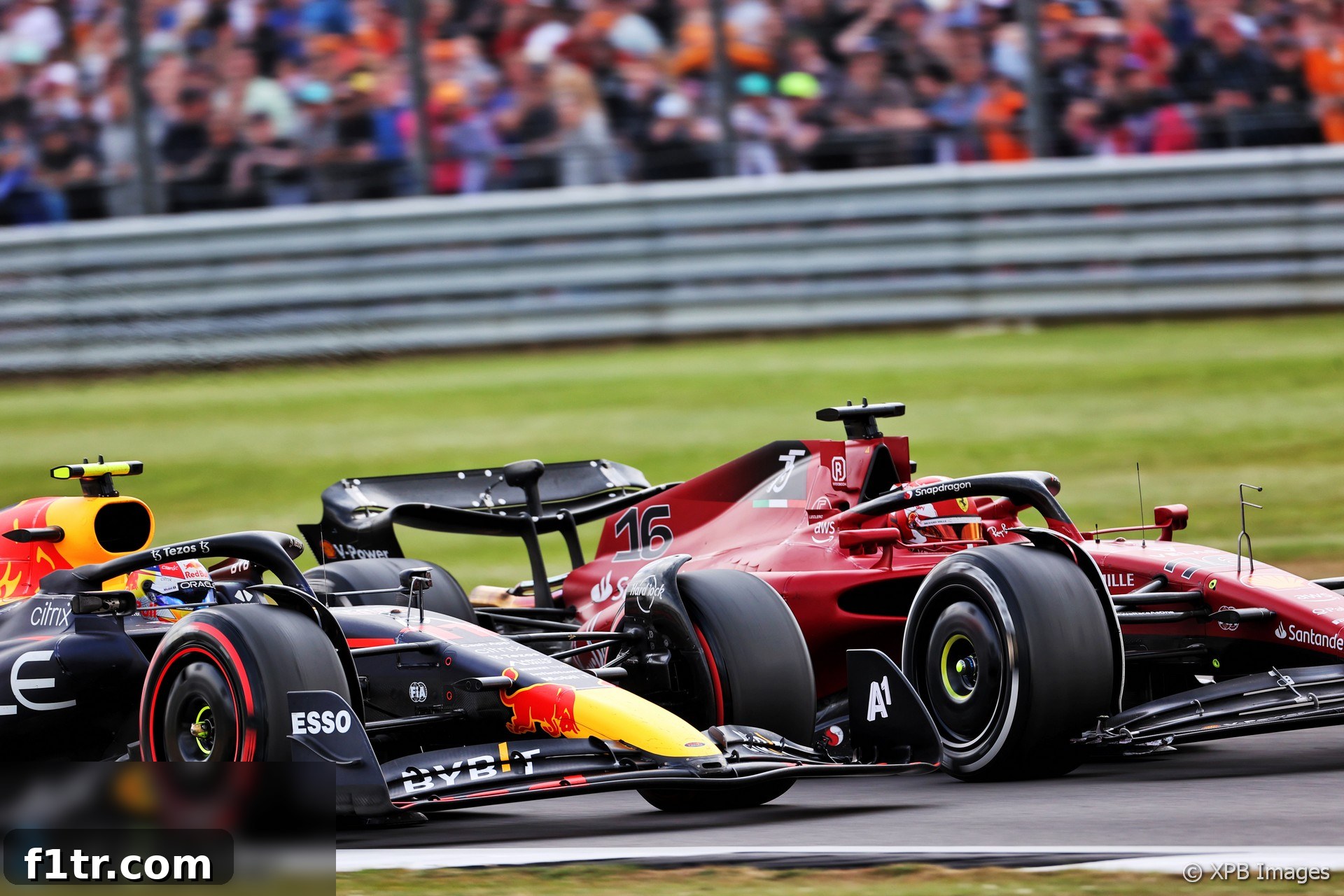
As the season progressed, the theoretical two-second deficit began to shrink dramatically. Several teams demonstrated exceptional development curves, rapidly closing the gap to 2021 performance levels. Crucially, as Key points out, some teams, most notably Ferrari and Red Bull Racing, not only recovered this lost pace but have even managed to set lap times comparable to, or even faster than, their championship-winning predecessors from the previous season. This remarkable acceleration of development is a testament to the sophisticated design tools, relentless simulation work, and sheer engineering talent prevalent in the sport. It reflects a deep understanding of the new aerodynamic principles and an unparalleled ability to rapidly iterate and optimize car designs.
The Persistent Edge: How Established Giants Thrive Under the Formula 1 Cost Cap
While the introduction of a budget cap was intended to level the playing field, creating a more equitable environment for all ten teams, James Key’s observations shed light on how pre-existing advantages continue to influence competitive outcomes. Key remarked, “I suppose I am a little surprised at how two teams have been able to find that extra bit of performance compared to everyone else. It was a tighter field at the beginning of the season, but it’s beginning to stretch out now, and I have to say, Ferrari and Red Bull have done an excellent job of exploiting more.” This widening performance chasm between the top two and the rest is a critical point of discussion, especially in an era of financial constraints.
Key eloquently articulates the underlying reason: “It shows that even within a cost cap, if you’re a big team with an extensive infrastructure and a lot of knowledge and methodology built over many years, it still very much counts. It’s a level playing field in terms of the budget we’ve got, but it’s not in terms of where we’re all coming from – that gives us an excellent reference point to aspire to.” This insight is profound. While every team now operates under the same financial ceiling, the foundational assets accumulated over decades—state-of-the-art wind tunnels, advanced simulation suites, a vast database of past failures and successes, and crucially, an experienced, highly specialized workforce—provide an inherent head start.
These established giants like Ferrari and Red Bull possess a depth of talent and institutional knowledge that smaller or newer teams are still working to build. They can leverage refined processes for design, manufacturing, and rapid iteration, making their allocated budget more effective. Their methodologies, honed through countless championships and development cycles, allow them to identify optimal solutions quicker, test them more thoroughly in virtual environments, and translate them into tangible performance gains on the track. This structural advantage, rather than simply raw spending power, appears to be a significant factor in their continued dominance and their ability to unlock extra performance from the new regulations faster than their rivals.
McLaren’s Progression and Future F1 Ambitions
Amidst the competitive landscape, McLaren has also demonstrated commendable progress throughout the 2022 season. While not quite matching the blistering pace of the front-runners, the Woking-based squad has steadily chipped away at its own performance deficit. A notable example of their development trajectory came at the Italian Grand Prix, where McLaren managed to lap 0.094 seconds faster than they did in the previous year, a season where they actually secured the fastest lap of the race. This incremental yet significant improvement underscores the effectiveness of their development efforts and their determination to challenge at the sharp end of the grid.
Looking ahead, James Key emphasized the importance of starting a new season with an inherently competitive package. “If you start the season with a competitive car, you can adapt your development plans from there and do less than what we have done whilst being more focused on the areas that you feel will be the most prolific,” he explained. This strategic approach highlights a common dilemma in Formula 1: teams that begin with a strong baseline can afford to refine and optimize their car with targeted, efficient upgrades. In contrast, those playing catch-up are often forced into an aggressive, all-encompassing development drive to close the gap, a pace that Key admits is unsustainable in the long term.
McLaren’s ambition is clear: to arrive in 2023 with a car that allows them to shift from an aggressive, reactive development cycle to a more measured, proactive strategy. Such a position would enable them to concentrate resources on specific performance differentiators, rather than broadly addressing fundamental shortcomings. This shift is crucial for sustained success and to truly contend for championships in the new era of Formula 1.
The Evolving Narrative of Formula 1 Performance
James Key’s reflections offer a vital lens through which to view the ongoing evolution of Formula 1 under its new technical regulations and cost cap. The initial predictions of a slower, more processional season have been emphatically challenged by the sheer speed of innovation and development within the sport. While the regulations have undeniably fostered closer racing in many instances, the elite teams’ capacity to rapidly decode and exploit the new rulebook has maintained a significant, albeit reshaped, competitive hierarchy.
The 2022 season, therefore, stands as a testament to the enduring spirit of engineering excellence and relentless pursuit of performance that defines Formula 1. It also underscores that while financial parity is a noble goal, the deep-seated legacy of infrastructure, methodology, and human capital continues to provide a formidable advantage. As teams like McLaren strive to build their own foundations of excellence, the insights from technical leaders like James Key serve as a constant reminder of the incredible challenges and unparalleled rewards in the pinnacle of motorsport. The coming seasons promise an even more intense battle as every team seeks to master the current regulations and unlock the next generation of performance.
Advert | Become a RaceFans supporter andgo ad-free
2022 Italian Grand Prix
- Helmet rows, hot mics and more forgotten motorsport stories from 2022
- McLaren ‘surprised two teams found more performance than everyone else’ in 2022
- Alpine confident for Singapore and Suzuka races after “massive” floor upgrade
- Red Bull’s RB18 suits Verstappen more than Perez now – but that’s not by design
- “We’ll have four racing laps’: How F1’s Safety Car confusion unfolded at Monza
Browse all 2022 Italian Grand Prix articles