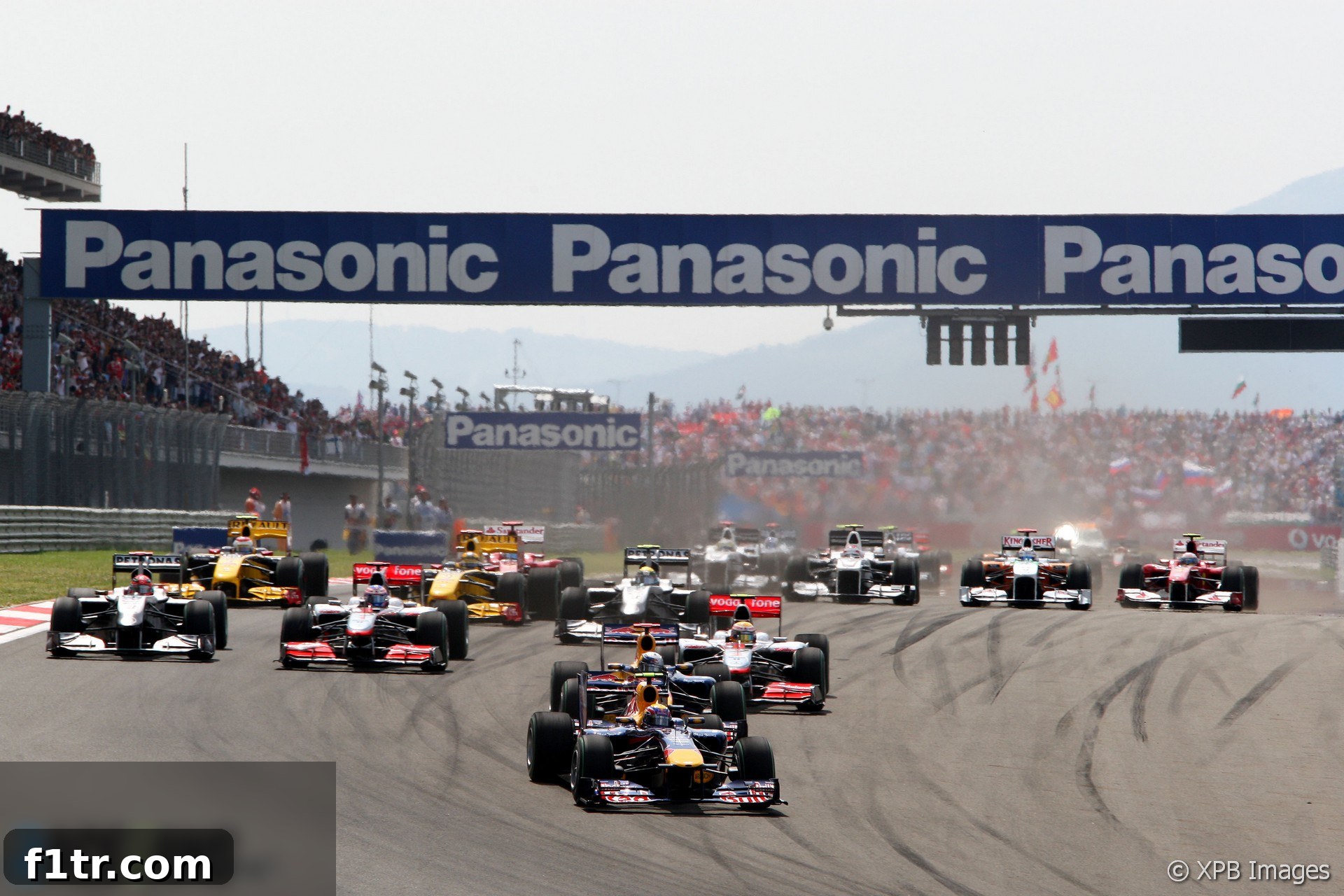
The 2020 Formula 1 season ultimately delivered a remarkable campaign featuring at least 17 races, a testament to the championship’s extraordinary resilience and adaptability in the face of unprecedented global challenges. After initial disruptions, Formula 1 confirmed crucial details for four additional rounds, strategically rebuilding a captivating calendar that delighted fans worldwide. This revised schedule underscored the sport’s unwavering commitment to delivering thrilling motorsport action, even as the world grappled with the impact of the COVID-19 pandemic.
Advert | Become a Supporter & go ad-free
The initial 22-race schedule for the 2020 Formula 1 season had been severely impacted by the burgeoning COVID-19 pandemic, leading to the unfortunate cancellation or indefinite postponement of the opening 10 rounds. This global health crisis forced Formula 1 to re-evaluate its entire operational model, pivoting rapidly to create a safe and feasible racing environment. As widely anticipated and revealed by various motorsport outlets, the championship successfully introduced several new and returning venues to salvage the season. Among the most anticipated additions were the return to the challenging Istanbul Park in Turkey, a thrilling double-header at the Bahrain International Circuit, and the traditional season finale at the iconic Yas Marina Circuit in Abu Dhabi, forming a dramatic conclusion to an extraordinary year.
Rebuilding the Calendar: New Additions and Strategic Returns
The confirmation of these final races was a pivotal moment for the 2020 Formula 1 season, completing a revised calendar that showcased the sport’s adaptability. The return of Istanbul Park for the Turkish Grand Prix was met with immense enthusiasm from fans and drivers alike. Known for its demanding multi-apex Turn 8 and flowing layout, Istanbul Park promised and delivered a spectacular race, adding a unique challenge to the championship trail. Its inclusion highlighted Formula 1’s willingness to revisit beloved, albeit absent, circuits to bolster the calendar.
Following the Turkish Grand Prix, the championship ventured to the Middle East for a unique double-header at the Bahrain International Circuit. This innovative approach saw two consecutive races held at the same venue, a strategy employed earlier in the season to maximize racing opportunities while minimizing travel and logistical complexities. The first race retained the traditional title of the Bahrain Grand Prix. The second event, a novel addition, was officially christened the Sakhir Grand Prix, named after the region in which the circuit is located. This unprecedented move generated considerable excitement, particularly concerning the potential use of different track configurations.
Formula 1 officials actively considered deploying an alternative layout for the second Bahrain race. While not definitively confirmed initially, the championship explored the possibility of utilizing the shorter, faster ‘Outer’ circuit for the Sakhir Grand Prix. This radical departure from the familiar Grand Prix layout would have introduced an entirely new dynamic, creating extremely close racing and potentially unprecedented lap times. Such a decision would have not only added an element of unpredictability but also showcased the versatility of modern Formula 1 venues, providing a fresh challenge for teams and drivers and an enhanced spectacle for viewers.
The season then culminated with the highly anticipated Abu Dhabi Grand Prix at the stunning Yas Marina Circuit, a fitting finale for a season defined by resilience. This race traditionally brings the championship to a close, often serving as the backdrop for final championship deciders or intense battles for constructor and driver standings. Its consistent position as the season-ending event reinforces its significance within the Formula 1 calendar.
Navigating Cancellations and Uncertainties
While the revised calendar was successfully implemented, the 2020 season was not without its remaining uncertainties. Formula 1 officially confirmed the cancellation of the Chinese Grand Prix, a race originally scheduled to be held at the Shanghai International Circuit. This decision, though regrettable, was made in light of the prevailing global circumstances and travel restrictions. The status of the inaugural Vietnam Grand Prix, initially set to debut in Hanoi in April, also remained a persistent question mark. Despite intensive efforts to incorporate it into the revised schedule, the race ultimately did not feature on the confirmed calendar. An official update on its status had been awaited, but it eventually became clear that the conditions were not conducive for its debut in 2020, leading to its effective postponement.
A Message of Gratitude and Determination from F1 Leadership
In response to the monumental efforts required to construct the revised calendar, F1 Chairman and CEO Chase Carey conveyed a message of profound gratitude and determination. “We are proud to announce that Turkey, Bahrain and Abu Dhabi will be part of our 2020 season,” Carey stated, reflecting the collective sense of achievement within the sport. His statement highlighted the unprecedented challenges faced by Formula 1 and the global community, acknowledging the extraordinary circumstances under which the season was being delivered. He paid tribute to the collaborative spirit and tireless dedication of everyone involved, from Formula 1 management and the FIA to the dedicated teams and vital partners, whose collective efforts made the continuation of the championship possible.
Carey also acknowledged the natural disappointment over the inability to return to some of the originally planned races, many of which are deeply embedded in Formula 1’s rich history and tradition. However, he expressed confidence in the season’s strong start and its continued promise of excitement. He emphasized the compelling blend of traditional races, which evoke a sense of heritage and familiarity, alongside new or returning venues, which injected fresh energy and intrigue into the calendar. This diverse mix, he asserted, was designed to entertain and captivate all Formula 1 fans, ensuring that the spirit of competition and spectacle remained at the forefront.
Support Series and The Triple-Header Challenge
Beyond the premier class, the support series also played a crucial role. Formula 2, the primary feeder series to Formula 1, was confirmed to support F1’s two races in Bahrain, completing its demanding 24-race schedule. This ensured that future talents continued their development and competed on the same grand stage as their F1 counterparts, further enriching the motorsport weekend experience.
The latter part of the 2020 schedule presented significant logistical challenges with the implementation of multiple triple-headers, where three races were held on consecutive weekends. The final three races of the season – the Turkish Grand Prix, Bahrain Grand Prix, Sakhir Grand Prix, and Abu Dhabi Grand Prix – ran as a grueling triple-header, culminating in an intense and demanding conclusion. This compressed schedule tested the endurance and operational efficiency of every team member, from mechanics and engineers to drivers and logistical staff, demonstrating the sport’s incredible capability to adapt to extraordinary circumstances and maintain its high standards under immense pressure.
Advert | Become a RaceFans supporter andgo ad-free
2020 F1 Calendar Dates Confirmed So Far: A Season of Unforgettable Moments
The finalized calendar for the 2020 Formula 1 season stands as a monumental achievement, piecing together a compelling championship from July to December. Beginning with a double-header in Austria, the revised schedule saw a diverse array of circuits hosting thrilling races, many of which delivered memorable performances and unexpected outcomes. From the familiar twists of Silverstone and Monza to the historic return of Imola and Mugello, each race contributed to a narrative of resilience and fierce competition. The inclusion of tracks like Portimao in Portugal and the demanding Istanbul Park showcased Formula 1’s ability to innovate and provide new challenges for the drivers.
| Round | Race | Date |
|---|---|---|
| 1 | Austrian Grand Prix | Jul 3-5 |
| 2 | Styrian Grand Prix | Jul 10-12 |
| 3 | Hungarian Grand Prix | Jul 17-19 |
| 4 | British Grand Prix | Jul 31-Aug 2 |
| 5 | 70th Anniversary Grand Prix | Aug 7-9 |
| 6 | Spanish Grand Prix | Aug 14-16 |
| 7 | Belgian Grand Prix | Aug 28-30 |
| 8 | Italian Grand Prix | Sep 4-6 |
| 9 | Tuscan Ferrari 1000 Grand Prix | Sep 11-13 |
| 10 | Russian Grand Prix | Sep 25-27 |
| 11 | Eifel Grand Prix | Oct 9-11 |
| 12 | Portuguese Grand Prix | Oct 23-25 |
| 13 | Emilia-Romagna Grand Prix | Oct 30-Nov 1 |
| 14 | Turkish Grand Prix | Nov 13-15 |
| 15 | Bahrain Grand Prix | Nov 27-29 |
| 16 | Sakhir Grand Prix | Dec 4-6 |
| 17 | Abu Dhabi Grand Prix | Dec 11-13 |
Each of these 17 rounds played a vital role in shaping the championship standings and providing captivating storylines. The opening double-header at the Red Bull Ring in Austria successfully kicked off the season, demonstrating the viability of racing under strict health protocols. The inclusion of iconic European venues like Silverstone for two races, the thrilling high-speed challenge of Monza, and the demanding Spa-Francorchamps upheld the sport’s traditions. Furthermore, new or returning tracks such as Mugello, which hosted the spectacular Tuscan Grand Prix celebrating Ferrari’s 1000th F1 race, and Imola, hosting the Emilia-Romagna Grand Prix, provided a refreshing change of scenery and tested drivers on diverse layouts. The rescheduled season showcased not only the speed and skill of the drivers but also the remarkable organizational prowess of Formula 1 in navigating an unprecedented global crisis.
Advert | Become a RaceFans supporter andgo ad-free
Beyond the 2020 F1 Season: Related Articles
The 2020 Formula 1 season will forever be etched in history as a year of challenges, innovation, and unwavering passion for motorsport. Despite the immense obstacles, the sport delivered a championship that was both competitive and compelling, proving its ability to adapt and thrive. The efforts to complete a 17-race calendar, culminating in the Middle Eastern triple-header, highlighted the dedication of everyone involved to bring the excitement of Formula 1 to its global fanbase.
- Grosjean to make F1 test return tomorrow for first time since Bahrain horror crash
- Pictures: Wrecked chassis from Grosjean’s Bahrain fireball crash to go on display
- Bottas vs Rosberg: Hamilton’s Mercedes team mates compared after 78 races each
- F1 revenues fell by $877 million in Covid-struck 2020 season
- Hamilton and Mercedes finally announce new deal for 2021 season
Browse all 2020 F1 season articles