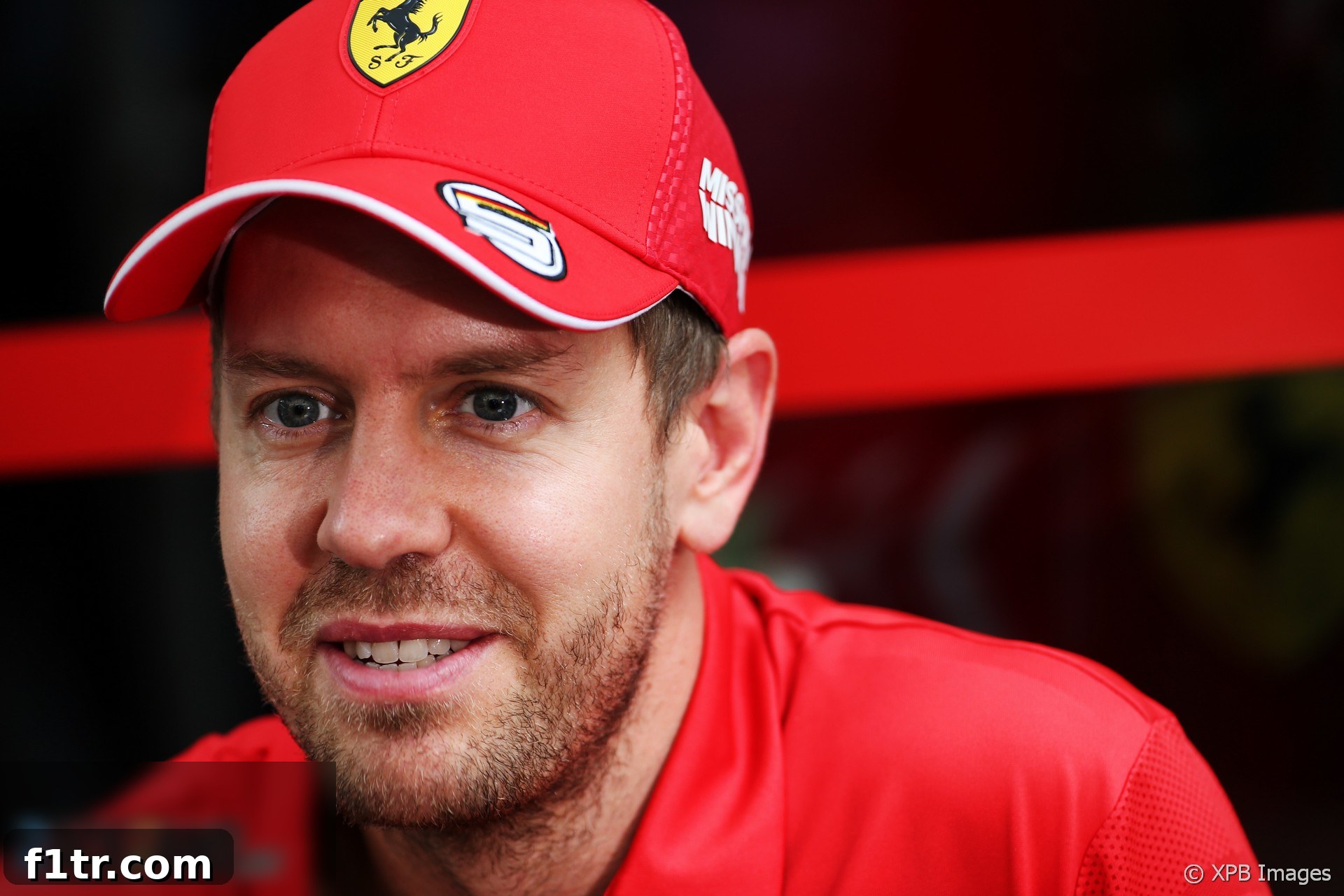
Sebastian Vettel, the four-time Formula 1 World Champion, recently broke his silence regarding the controversial collision with his teammate Charles Leclerc at the Brazilian Grand Prix. Speaking to the media, Vettel suggested that external parties are actively attempting to “hype” what he perceives as a manufactured rivalry between the two Ferrari drivers, downplaying the internal friction often sensationalized by the press.
Sebastian Vettel Addresses Ferrari Rivalry: Clearing the Air After Brazil Collision
Returning to the paddock for the first time since the dramatic Brazilian Grand Prix, Sebastian Vettel faced a barrage of questions regarding the on-track incident that saw both Ferrari cars retire prematurely. Having missed earlier media commitments due due to the joyous occasion of his third child’s birth, Vettel’s perspective was eagerly anticipated, especially following crucial team discussions with Charles Leclerc and team principal Mattia Binotto aimed at preventing such costly occurrences in the future.
While the German driver confirmed that these meetings had taken place and resolutions had been reached, he chose not to delve into the specifics of the consequences or the internal agreements. This discretion underlines the sensitive nature of intra-team dynamics, particularly within a high-profile outfit like Scuderia Ferrari.
The Brazil Incident: A “Little Touch” with Major Repercussions
“Obviously it’s unfortunate what happened, and we want to make sure it doesn’t happen again,” Vettel stated unequivocally. “That’s clear. That’s the most important.” His words highlighted the frustration and disappointment that permeated the team after Interlagos, where a promising race dissolved into a double DNF, costing valuable championship points and, more importantly, pride. The collision, which occurred as both drivers jostled for position late in the race, was a stark reminder of the razor-thin margins and intense pressures of Formula 1 racing, where even a seemingly minor contact can lead to catastrophic failure.
Vettel was keen to emphasize that despite the public perception, the relationship between him and Leclerc remains robust. “The key for me is that we get along, we don’t have a problem with each other. I know that outside tries to hype this a little bit, but actually, there’s nothing to worry from the inside.” This statement serves as a direct rebuttal to the media narratives that frequently frame the competitive spirit between teammates as an overt rivalry, often overshadowing the underlying professional respect and shared goal of team success.
The core lesson from Brazil, according to Vettel, is simple yet profound: “I think the lesson is that if we race each other, then we need to give each other in that regard more room to make sure that we don’t touch because obviously it was a very little touch but the touch led to a poor result.” This acknowledgment of the need for greater spatial awareness and mutual respect when battling on track is crucial for Ferrari as they navigate the complexities of managing two highly ambitious and talented drivers. In the high-speed arena of Formula 1, inches can mean the difference between victory and disaster, and the Brazil incident served as an expensive reminder of this reality.
Moving Forward: Maturity and Professionalism
“I don’t think there’s so much more to understand,” Vettel added, signifying a desire to put the incident firmly in the past. “We’re both not happy with the outcome. Obviously, we didn’t finish the race, so I’m happy with that front. We’re both grown up and we spoke to each other, we spoke with Mattia. I think we’ve tried to go through as much as we can and we tried to move on. And it’s clear that we want to make sure that this doesn’t happen to us again.” This mature approach underscores the professionalism expected at the pinnacle of motorsport. While emotions run high in the heat of battle, the ability to debrief, learn, and move past incidents is paramount for team cohesion and future performance.
Ferrari’s decision to address the matter internally and refrain from public recrimination is a strategic one, aiming to project an image of unity and control. Mattia Binotto’s role in mediating these discussions is vital, as the team principal is ultimately responsible for fostering an environment where competitive instincts are channeled constructively, rather than destructively. The incident in Brazil, while damaging, provided a critical opportunity for the team to reinforce boundaries and expectations for driver conduct, especially when racing wheel-to-wheel.
A Minor Setback in Abu Dhabi Practice
Vettel’s Abu Dhabi Grand Prix weekend didn’t get off to an entirely smooth start either, as he encountered a barrier during the first practice session. “It was a bit of a surprise,” he admitted, “I didn’t expect to actually spin. I knew that going in that I would have to catch the rear, but didn’t quite work so well. I’ve been unfortunate, but there was no damage other than the rim.” While a minor incident with no significant consequences beyond a damaged wheel rim, it highlighted the perpetual challenge of extracting maximum performance from these complex machines and the fine line drivers walk at the limit. For a driver under scrutiny, even a small spin can become fodder for discussion, adding another layer to the already intense pressure cooker that is Formula 1.
The 2019 Season: A Rollercoaster for Ferrari
The Brazil collision and the subsequent discussions encapsulate much of Ferrari’s turbulent 2019 Formula 1 season. Entering the year with high hopes, having shown promising pace in pre-season testing, the Scuderia struggled to consistently challenge Mercedes for the championship. The season was characterized by a mix of exhilarating highs and frustrating lows, often exacerbated by strategic missteps, reliability issues, and at times, driver errors. Charles Leclerc’s emergence as a formidable talent, securing his maiden F1 victories and challenging Vettel within the team, added another compelling dimension to the narrative.
Leclerc’s aggressive style and raw speed often put him at odds with Vettel’s more experienced, methodical approach. While this internal competition pushed both drivers to perform at their peak, it also created moments of tension, such as the qualifying incident in Monza or the eventual collision in Brazil. For Mattia Binotto, his first year as team principal was a baptism of fire, requiring him to balance the demands of two highly competitive drivers with the overarching objective of bringing Ferrari back to championship glory. The team managed to secure second place in the Constructors’ Championship, but the gap to Mercedes was substantial, underscoring the work needed ahead.
The Brazil incident, therefore, was not merely an isolated event but a culmination of the season’s pressures and the inherent challenges of managing a pairing of two alpha drivers. It served as a stark, public reminder that while individual brilliance is essential, harmonious team dynamics and clear protocols are equally critical for sustained success in Formula 1.
Looking Ahead: The Future of Ferrari’s Dynamic Duo
As the 2019 season drew to a close, the focus shifted to how Ferrari would move forward from the Brazil incident and what it would mean for the Vettel-Leclerc partnership in the subsequent seasons. The discussions held between the drivers and Binotto were not just about immediate damage control but about establishing a framework for future collaboration. For Ferrari to truly challenge for the constructors’ and drivers’ titles, the synergy between its two star drivers must be optimized, and incidents like Brazil must become lessons learned, not recurring problems.
Vettel’s calm and composed reaction, downplaying the “hype,” indicates a desire to present a united front and to foster a collaborative spirit within the team. The understanding that they are both “grown up” and capable of moving on is fundamental. The journey of two champions, or potential champions, under one roof is always fraught with challenges, but Ferrari’s ability to navigate these internal pressures will be key to its aspirations for Formula 1 supremacy.
Related F1 Insights from the 2019 Season
- Crying in the Melbourne car park at 2019 grand prix was my career low – Ocon
- McLaren Racing reports reduced £71 million loss in 2019
- Kvyat: Hockenheim podium last year was “my biggest achievement” so far
- How the FIA’s new encrypted fuel flow meter targets Ferrari’s new ‘aliasing’ trick
- “He smashed my office door”: 23 must-see moments from ‘Drive to Survive’ season two
Browse all 2019 F1 season articles