The global stage of Formula 1, often dubbed the pinnacle of motorsport, is currently embroiled in a crucial discussion surrounding the participation and progression of women within its ranks. Following recent comments from Formula 1 CEO Stefano Domenicali, FIA President Mohammed Ben Sulayem has emphatically reaffirmed the governing body’s unwavering commitment to “actively encouraging” a greater influx of women competitors into formula racing. This renewed focus underscores a collective drive within the sport to dismantle barriers and foster a truly inclusive environment, though the path ahead remains complex and fraught with diverse viewpoints.
Earlier this week, Stefano Domenicali articulated Formula 1’s ongoing collaboration with the W Series, an all-female single-seater championship designed to promote and prepare women drivers for higher echelons of motorsport. Domenicali shared his perspective on how a robust junior series structure could naturally facilitate the advancement of more women drivers, ultimately leading them to the highest level of Formula 1. His vision highlighted the need for a meticulously crafted development pathway, emphasizing foundational aspects vital for success in such a demanding sport.
Advert | Become a Supporter & go ad-free
“We are actively working to define the appropriate parameters, ensuring that young female talents can enter the motorsport pyramid at the correct age, equipped with the right machinery,” Domenicali explained, emphasizing that these elements are foundational to nurturing future champions. “This is undeniably the key point for sustainable development. Our teams are deeply engaged in this endeavor, meticulously assessing how we can enhance the existing system. You can anticipate tangible actions and initiatives from our side very soon, demonstrating our dedication to this crucial cause.”
However, Domenicali’s comments did not go unchallenged. He subsequently faced a wave of criticism after suggesting that a woman was unlikely to reach Formula 1 within the next five years, provocatively stating, “unless something that will be like a sort of meteor coming into the Earth.” This statement ignited a significant debate, drawing sharp responses from within the motorsport community. Notably, Aston Martin driver Sebastian Vettel, a four-time world champion known for his progressive views, described Domenicali’s choice of words as a “very unlucky choice of words.” Vettel eloquently argued that such remarks could inadvertently discourage aspiring young female drivers from relentlessly pursuing their dreams of competing in Formula 1, potentially undermining the very efforts intended to promote inclusivity.
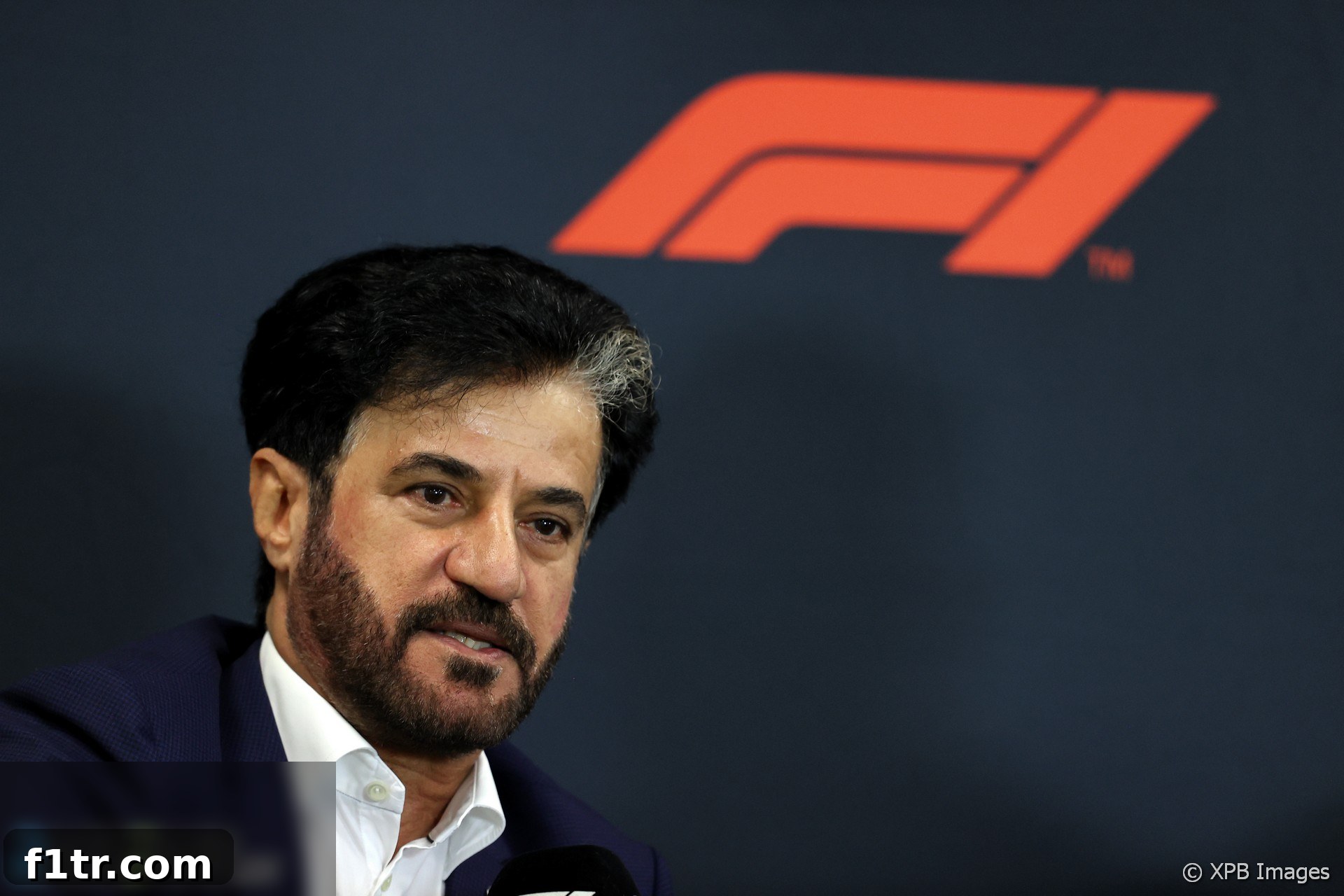
In response to the growing discourse and ahead of qualifying for the Belgian Grand Prix, FIA President Mohammed Ben Sulayem issued a robust statement designed to reassure and reassert the FIA’s unwavering commitment. His declaration firmly reiterated that the global governing body for motorsport is unequivocally dedicated to significantly increasing the opportunities available for women participating in single-seater formula racing across all levels. This timely intervention aimed to clarify the FIA’s stance and provide a clear direction for the future of female involvement in the sport.
“Since its inception, the FIA has consistently championed and fostered the growth and participation of women in motorsport,” Ben Sulayem proudly stated. “This sport holds a unique position, as, under the comprehensive regulations set forth by the FIA, women and men are afforded the opportunity to compete on precisely equal terms. This fundamental principle of equality is a cornerstone of our sport’s integrity and appeal. We are resolute in our commitment to actively and enthusiastically encourage the broader participation of women, not just on the track, but throughout the entire ecosystem of motorsport.”
Ben Sulayem further elaborated on the diverse avenues through which the FIA is promoting female involvement. “Our efforts span multiple critical areas, including the highly successful FIA Girls On Track Rising Stars programme, which identifies and nurtures exceptional young female talents. Beyond the cockpit, we are committed to ensuring a prominent and increasing presence of women in crucial operational roles, such as race control, technical teams, and various other departments across our organization. Furthermore, we actively collaborate with our National Sporting Authorities (ASNs) to support and empower female volunteers and officials, recognizing their indispensable contributions to every race weekend. These multifaceted initiatives collectively aim to create a truly inclusive and equitable environment for all.”
Underscoring a unified approach, Ben Sulayem concluded, “Both the FIA and Formula One Management (FOM) are deeply committed to unlocking and expanding greater opportunities for women across all facets of the sport. Stefano Domenicali and I are working in close collaboration, meticulously devising strategies to improve access and refine the entire progression pyramid for women’s entry and advancement into motorsport. Historically, women have left an indelible mark on motorsport, both as formidable competitors on the track and as influential figures off it. It is our profound desire, under my leadership, to ensure that this inspiring trend not only continues but accelerates for many years to come, building a legacy of true gender equality and excellence within the sport.”
Mohammed Ben Sulayem assumed the prestigious FIA presidency in December, following a democratic election by its member associations at the conclusion of his predecessor Jean Todt’s final term. His ascension to this pivotal role marked a new chapter for the governing body, with a clear mandate to drive innovation, safety, and inclusivity. Ben Sulayem is set to serve a comprehensive four-year term in his demanding position, bringing a fresh perspective and renewed energy to the challenges and opportunities facing global motorsport. He will face re-election in 2025, unless he remains unopposed, signaling a potential for continued leadership in guiding the sport towards a more diverse and equitable future. His early actions and statements have clearly indicated that advancing the cause of women in motorsport is a top priority for his tenure, reflecting a modern vision for an ancient sport.
Advert | Become a RaceFans supporter andgo ad-free
Beyond the Grid: Fostering a Sustainable Future for Women in F1
The conversation sparked by Domenicali’s remarks and Ben Sulayem’s swift response highlights a critical juncture for Formula 1 and the wider motorsport community. It’s not merely about individual comments but about the systemic challenges and opportunities involved in making motorsport genuinely accessible and appealing to women. Programs like the W Series and FIA Girls On Track Rising Stars are vital stepping stones. The W Series, despite its recent financial hurdles, provided a much-needed platform for elite female drivers to showcase their talents without the colossal financial burden often associated with climbing the motorsport ladder. Its goal was to accelerate the development of drivers like Jamie Chadwick, giving them professional experience in high-performance machinery.
However, the journey from these feeder series to Formula 1 is incredibly steep. It requires not just talent but also immense financial backing, sustained exposure, and a consistent run of success through multiple junior categories. The “right parameters” Domenicali mentioned involve a holistic approach: early access to karting, proper coaching, competitive equipment, and sustained financial support throughout a driver’s formative years. Many argue that the absence of a visible female presence at the very top creates a perception barrier, making it harder to attract young girls to the sport and secure the necessary sponsorship.
Vettel’s powerful intervention underscores the responsibility of leading figures in motorsport to use language that inspires rather than discourages. Role models are crucial, and aspirational messages are far more effective in encouraging the next generation. The commitment from both the FIA and FOM to work together, as stated by Ben Sulayem, is a positive sign. It indicates a concerted effort to create a more robust “pyramid” structure, ensuring that talented female drivers have a clear, equitable, and well-funded pathway to progress. This includes not only on-track opportunities but also fostering diversity in engineering, strategy, and management roles, creating a truly inclusive environment from the garage to the boardroom.
Historically, women have faced immense hurdles in motorsport, yet pioneers like Maria Teresa de Filippis, the first woman to compete in a Formula 1 Grand Prix in 1958, and Lella Lombardi, the only woman to score points in F1, paved the way. More recently, figures like Susie Wolff, a former F1 test driver and now managing director of the F1 Academy, continue to break ground. Their stories are a testament to grit and determination against prevailing norms. The current focus is on not just celebrating these exceptions but creating a system where female talent is a regular feature, pushing for true gender equality in a sport that inherently champions meritocracy. The future of Formula 1, in its quest for global appeal and relevance, must genuinely reflect the diversity of its global fanbase, and fostering female participation is central to this vision.
- Mercedes told me “you’re wrong” about 2022 car’s problems – Hamilton
- FIA confirms all 10 F1 teams complied with 2022 cost cap
- Steiner “not ashamed” of panning “slow” Schumacher in Drive to Survive
- Albon believes year out of F1 improved him as a driver
- Hamilton sees diversity gains in F1 years on from his ‘traumatising’ experience of racism
Browse all 2022 F1 season articles