The Copying Controversy: Will Formula 1 Become a Single-Specification Series?
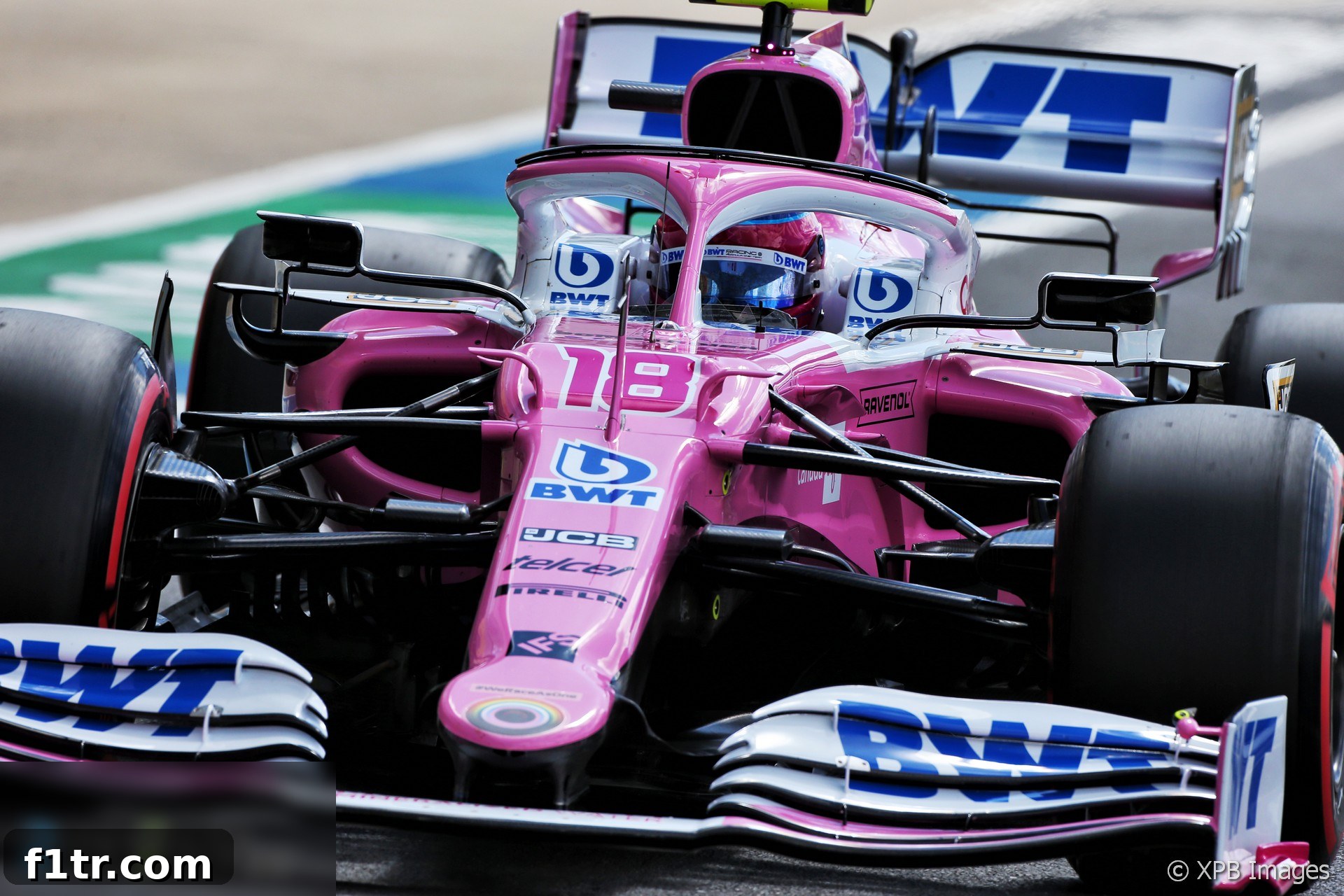
A contentious debate has gripped the Formula 1 paddock, threatening to redefine the very essence of the sport’s competitive landscape. At its heart lies Racing Point’s RP20 car, whose striking resemblance to the championship-winning 2019 Mercedes W10 has sparked widespread discussion and an official protest. This situation has led to serious concerns among rivals, particularly from McLaren technical director James Key, who fears that if Racing Point’s innovative approach to design is widely adopted, Formula 1 risks morphing into a undesirable ‘single-specification’ championship, diluting its long-held tradition of unique engineering innovation.
The Genesis of the “Pink Mercedes” Controversy
The controversy ignited during the opening races of the 2020 Formula 1 season when Racing Point unveiled their RP20 challenger. Observers, rivals, and fans alike immediately noted the car’s remarkable visual and conceptual similarity to the all-conquering Mercedes W10 from the previous year. This resemblance was so pronounced that the car quickly earned the moniker “Pink Mercedes.” While Racing Point openly acknowledged that their design was heavily inspired by Mercedes’ successful blueprint, they consistently maintained that their process adhered strictly to the sport’s regulations.
The focal point of the official challenge came from Renault, who lodged formal protests against Racing Point’s car in multiple races. Renault’s protests specifically targeted the legality of the RP20’s brake ducts. This component became central to the dispute because, while previously considered ‘non-listed parts’ (meaning teams could purchase them from external suppliers), they transitioned to ‘listed parts’ for the 2020 season. Under the revised regulations, listed parts must be designed and manufactured by the competing team itself. The FIA stewards were tasked with the complex job of determining whether Racing Point’s brake ducts qualified as original intellectual property or if they were, in effect, copies or direct acquisitions of Mercedes’ designs after the rule change.
James Key’s Warning: A Threat to F1’s Core Identity
The potential ramifications of the FIA’s ruling extend far beyond the specific legality of a single component; they touch upon the fundamental principles of competition and innovation in Formula 1. McLaren technical director James Key articulated these broader concerns, emphasizing that the issue at stake transcends mere technicalities. “We have to rely on the FIA to make the right calls on how to proceed with that as a principle,” Key stated, drawing a clear distinction between the specific brake duct argument and the overarching philosophical question of design replication in the sport. His anxiety stems from the belief that allowing such extensive copying could set a dangerous precedent, ultimately eroding Formula 1’s identity as a constructor’s championship where engineering prowess and unique design are paramount.
Key passionately defended McLaren’s approach to car design, underscoring the team’s commitment to independent innovation. “For us, we look at our car and – apart from the engine – it’s 100% a McLaren. We look at it and we can say ‘that’s all our own work.’ And I think that’s what Formula 1 should be. That’s what it was traditionally in the past.” This statement highlights a core tension: should teams be encouraged to develop their own distinct concepts and intellectual property, or is there a permissible limit to how closely they can mirror a competitor’s successful design?
The Nuances of Copying: Tradition vs. Transformation
Copying, in various forms, has always been an inherent part of Formula 1. Teams continuously observe, analyze, and draw inspiration from their rivals’ designs, particularly visible aerodynamic surfaces. Key acknowledged this tradition: “There’s a lot of arguments about how teams have always copied each other, and that’s absolutely true.” However, he stressed that there’s a significant difference between gleaning insights from visible elements and the degree of replication seen in the Racing Point case.
While aerodynamic surfaces are observable, translating them into a functional, integrated design that performs optimally on track is immensely challenging. The intricate details, internal structures, and subtle aerodynamic philosophies are often invisible to the naked eye. “The good thing with the biggest performance differentiator, with aero, is you can see surfaces. But that’s 30% of the wider picture. To get those surfaces to work and the intricacies and the subtleties is pretty difficult, which is why you don’t often see what we’ve seen there with Racing Point,” Key explained. This suggests that the RP20’s similarities went beyond mere visual mimicry, hinting at a deeper level of design transfer or influence that is unprecedented.