As the engines of the 2020 Formula 1 season fell silent after a thrilling finale, the focus swiftly shifted to the future with the highly anticipated post-season young driver test at the iconic Yas Marina Circuit in Abu Dhabi. This crucial testing session, held just days after the final Grand Prix, served as a pivotal platform for both emerging talents and returning veterans to make their mark, offering a tantalizing glimpse into the competitive landscape of the upcoming 2021 championship.
Originally conceived as an exclusive opportunity for junior drivers with limited Formula 1 experience – specifically those who had competed in no more than two F1 races – the 2020 Abu Dhabi test saw a significant shift in its regulations. A special dispensation was granted by the FIA, allowing teams to field more experienced drivers under one key condition: they must not have competed in the recently concluded 2020 Formula 1 World Championship. This crucial amendment opened the door for several high-profile names, adding an intriguing dynamic to what is traditionally a rookie-focused event. Furthermore, in a departure from standard practice, teams were permitted to utilize two cars during the test, doubling their track time and evaluation opportunities, a strategic advantage many were quick to exploit.
One of the most significant beneficiaries of this rule change was the Renault F1 Team, soon to be rebranded as Alpine. They seized the opportunity to give two-time world champion Fernando Alonso a full day behind the wheel of their RS20 car. Alonso’s return to Formula 1 in 2021 with Alpine is one of the most talked-about storylines, and this test was invaluable for his re-acclimatization to F1 machinery and the demanding pace of a Grand Prix car. It provided him with crucial mileage, allowing him to shake off any rust, understand the nuances of the car’s handling, and offer immediate, high-level feedback to the engineering team. This early integration was deemed vital for optimizing the development path for the 2021 challenger, ensuring Alpine could leverage Alonso’s vast experience from the outset. Alongside the Spanish veteran, Renault also fielded their highly-regarded Formula 2 driver, Guanyu Zhou. Zhou’s participation underscored the test’s original intent, providing him with essential F1 experience, further developing his skills, and allowing him to contribute to the team’s data collection, solidifying his position within the Renault/Alpine driver academy.
The Abu Dhabi test became a fascinating convergence of seasoned expertise and raw potential, thanks to the revised regulations. Alongside Alonso, several other prominent names, who had been absent from the 2020 grid but boast significant F1 pedigrees, returned to the cockpit. Stoffel Vandoorne, former McLaren driver and current Mercedes Formula E ace, took to the track for Mercedes-AMG Petronas F1 Team. His participation was crucial for the reigning constructors’ champions, as he brought invaluable insight and a fresh perspective, particularly in evaluating new tire compounds and gathering benchmark data. Similarly, Sebastien Buemi, a long-serving and highly respected Red Bull Racing test and reserve driver, demonstrated his continued importance to the team. Buemi’s extensive knowledge of Red Bull’s philosophy and his simulator expertise made him an ideal candidate to provide nuanced feedback and validate development work, ensuring continuity and precision in their technical progression.
Not to be overlooked was Robert Kubica, who returned to the Alfa Romeo Racing ORLEN cockpit. Kubica’s remarkable journey back to Formula 1 has been an inspiration, and his role as a test and reserve driver for Alfa Romeo is critical. His profound technical understanding and unique driving style allowed him to provide distinct feedback, especially beneficial for a team looking to optimize every aspect of their package. These experienced drivers, though not competing in the 2020 season, offered an unparalleled depth of knowledge that junior drivers simply cannot yet provide. Their contributions extended beyond mere lap times; they were instrumental in validating engineering changes, understanding tire degradation characteristics, and setting a high benchmark for performance and development.
While the veterans garnered considerable attention, the test remained a critical proving ground for the next generation of Formula 1 stars. Among the most closely watched was Yuki Tsunoda, the highly impressive Japanese driver from Formula 2. Widely tipped to secure a coveted seat with Scuderia AlphaTauri alongside Pierre Gasly for the 2021 season, this test marked his first opportunity to drive the team’s current-spec 2020 car. His previous F1 outing at Imola involved a two-year-old car, making this Yas Marina session a definitive step up. For Tsunoda, it was more than just a test; it was an audition, a chance to demonstrate his speed, consistency, and ability to adapt to the complexities of modern F1 machinery. His performance was crucial in solidifying his potential promotion, showcasing his readiness for the pinnacle of motorsport. Joining him in the AlphaTauri garage was Marino Sato, another young talent gaining vital experience at the wheel of a Formula 1 car and further proving the depth of the Red Bull junior program.
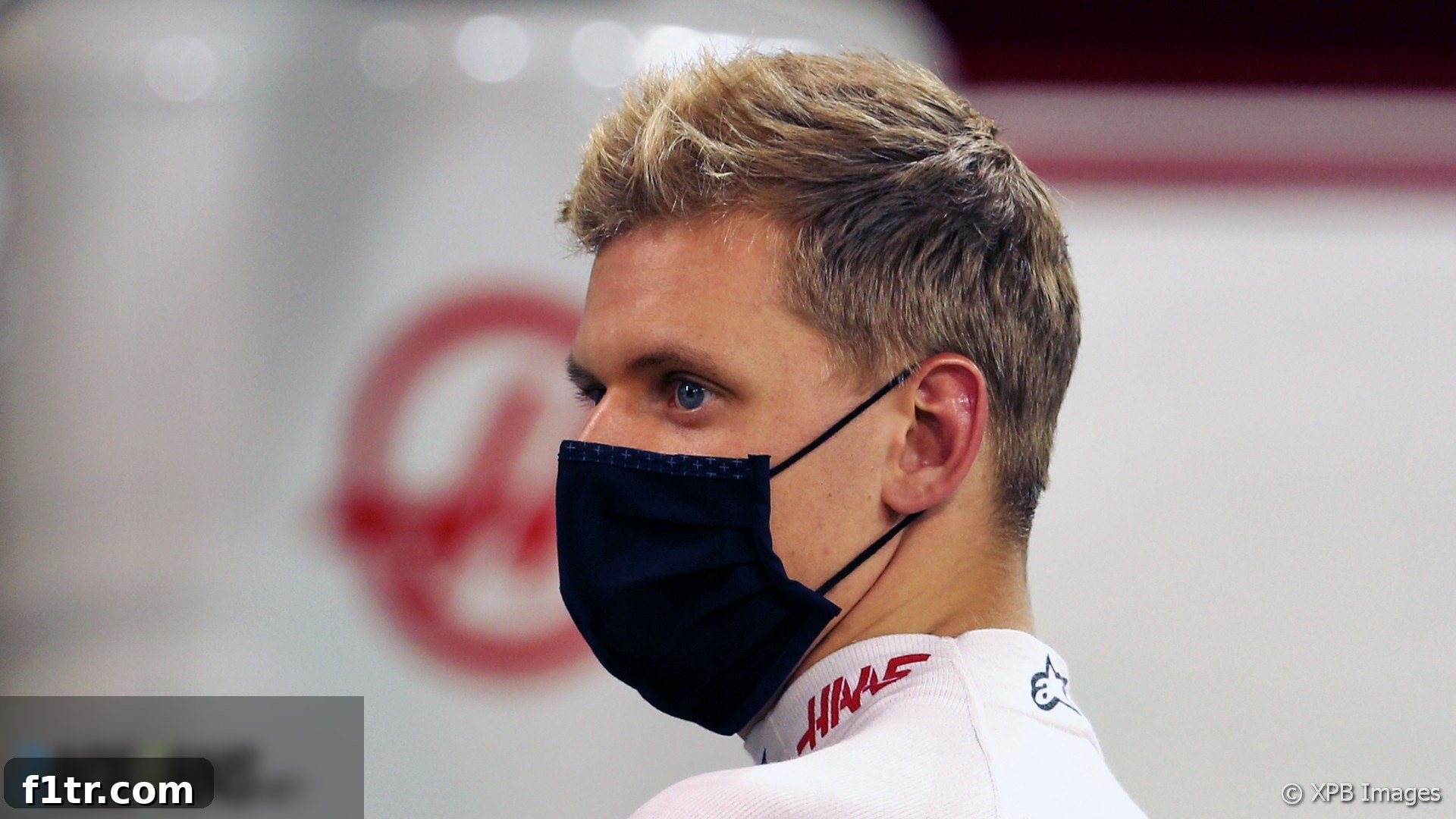
The post-season test also featured a formidable roster of other promising young drivers, each eager to prove their worth. Scuderia Ferrari entrusted their cars to Robert Shwartzman and Antonio Fuoco, both strong contenders in junior categories and key members of the Ferrari Driver Academy. Shwartzman, in particular, has been on the radar as a future F1 prospect, and this test provided invaluable seat time. Mercedes brought Nyck de Vries alongside Stoffel Vandoorne, giving the accomplished Formula E champion a chance to experience F1 power. Red Bull gave Juri Vips a run, a driver who has shown flashes of brilliance in the junior ranks. Alfa Romeo complemented Kubica with Callum Ilott, another F2 standout who competed for the championship in 2020. Haas featured Mick Schumacher, the reigning F2 champion, whose F1 debut in 2021 with the team was already confirmed, making this test a preparatory session. Williams fielded Jack Aitken and Roy Nissany, both of whom have aspirations for future F1 roles and showcased their capabilities. This extensive line-up of young talent highlights the deep pool of potential drivers currently vying for F1 opportunities, using every second on track to learn, adapt, and impress team principals and engineers alike.
Despite the comprehensive line-up, two teams notably opted out of the post-season test: McLaren Racing and Racing Point F1 Team. McLaren team principal Andreas Seidl had previously voiced his team’s decision, stating their expectation that the test would be exclusively for rookies. With their 2021 driver line-up featuring Daniel Ricciardo and Lando Norris, both ineligible under the test’s criteria for experienced drivers (as Ricciardo competed in 2020, and Norris is too experienced as per the rookie definition), McLaren saw no strategic benefit in participating. Similarly, Racing Point, soon to be Aston Martin, also chose not to run a car. Their new drivers for 2021, Sebastian Vettel and Lance Stroll, were likewise ineligible under the modified rules. Vettel, having competed for Ferrari in 2020, and Stroll being a seasoned F1 campaigner, meant Racing Point couldn’t field either for the test. While their absence might be seen as a missed opportunity for data gathering, both teams likely weighed the benefits against the operational costs and concluded it wasn’t a necessary investment given their specific circumstances and established driver pairings for the upcoming season, choosing to focus their resources elsewhere.
The Yas Marina Circuit itself provided an ideal backdrop for this crucial evaluation session. Known for its challenging mix of fast straights, tight technical sections, and the iconic hotel complex, it offers a comprehensive testing environment. The track layout allows for detailed analysis of car balance in high-speed corners, braking stability, traction out of slow corners, and overall aerodynamic efficiency. The relatively stable weather conditions typically found in Abu Dhabi further ensure consistent data collection, crucial for comparing driver performance and vehicle modifications accurately. This made it the perfect stage for both the seasoned returnees and the eager young guns to push the limits and gather vital information.
Full Driver Line-up for the Abu Dhabi Post-Season Test
| Team | Driver | Driver |
|---|---|---|
| Mercedes-AMG Petronas F1 Team | Stoffel Vandoorne | Nyck de Vries |
| Red Bull Racing Honda | Sebastien Buemi | Juri Vips |
| McLaren Racing | Not Participating | |
| Racing Point BWT Mercedes | Not Participating | |
| Renault F1 Team | Fernando Alonso | Guanyu Zhou |
| Scuderia Ferrari | Robert Shwartzman | Antonio Fuoco |
| Scuderia AlphaTauri Honda | Yuki Tsunoda | Marino Sato |
| Alfa Romeo Racing ORLEN | Robert Kubica | Callum Ilott |
| Uralkali Haas F1 Team | Mick Schumacher | |
| Williams Racing | Jack Aitken | Roy Nissany |
Related Articles and F1 Insights
- In-depth Analysis: Key Technical Learnings from the 2020 Abu Dhabi GP
- Driver Spotlights: Reflecting on Significant Departures and Returns
- 2020 F1 Season Review: Highlighting the Abu Dhabi Grand Prix Performers
- Decoding the F1 Young Driver Test Rules and Their Impact
- Behind the Scenes: A Paddock Perspective from the Abu Dhabi Grand Prix
Explore all articles related to the 2020 Abu Dhabi Grand Prix and F1 post-season activities.