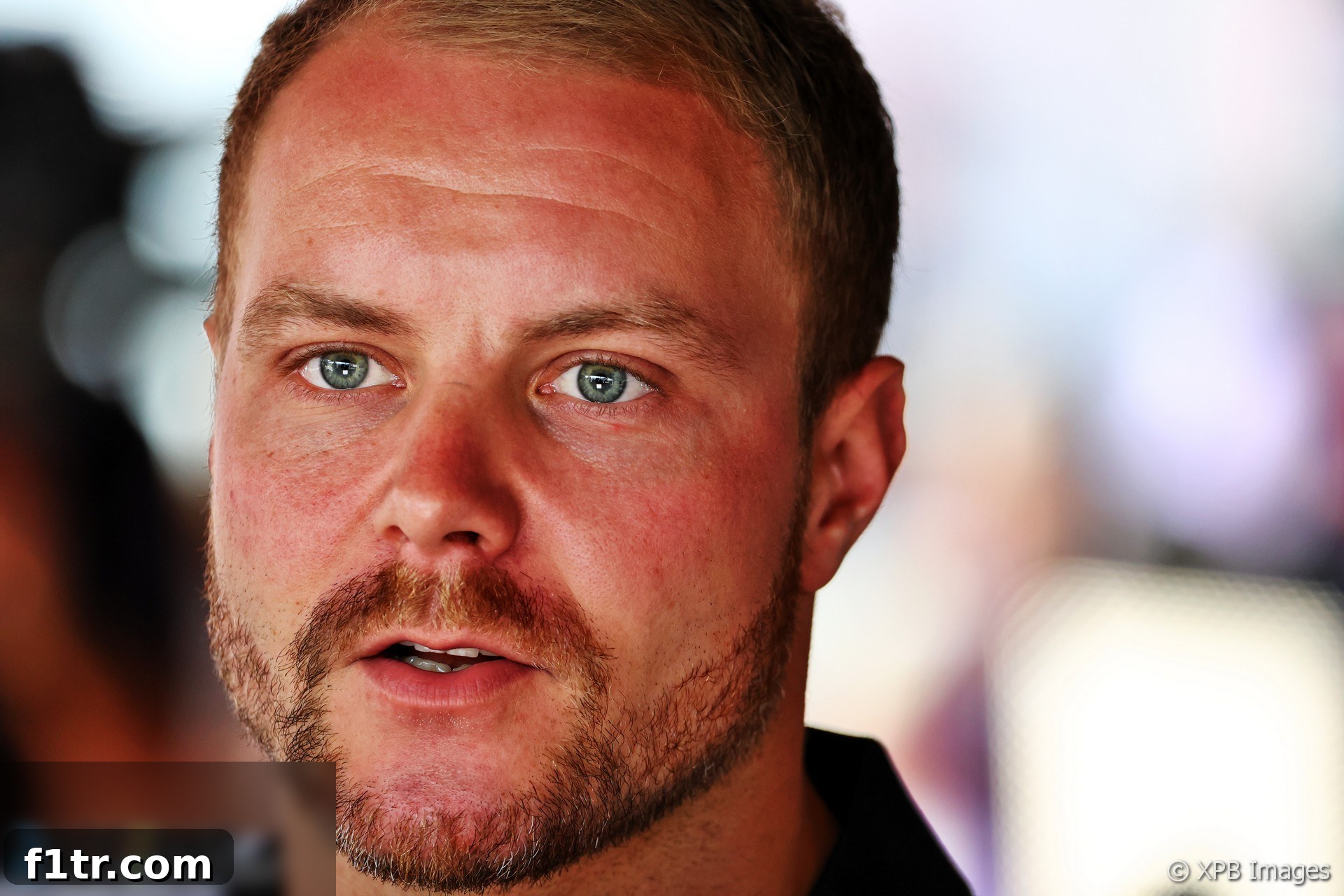
Valtteri Bottas Faces Back-of-Grid Start at Austrian Grand Prix After Major Power Unit Overhaul
The upcoming Austrian Grand Prix weekend has already delivered a significant blow to Valtteri Bottas and the Alfa Romeo team. The Finnish driver is set to start Sunday’s main race from the very back of the grid, having incurred a penalty for exceeding his season’s allocation of vital power unit components. This strategic decision by Alfa Romeo, while aiming for improved reliability and performance, comes at a high cost, fundamentally reshaping Bottas’s challenge at the Red Bull Ring.
Understanding F1 Power Unit Regulations and Penalties
Formula 1’s intricate power unit regulations are designed to control costs, promote reliability, and maintain a competitive balance across the grid. Teams are limited to a certain number of key power unit components for an entire season. Exceeding these allocations triggers grid penalties, a common yet impactful occurrence in modern F1.
Key Power Unit Components and Their Limits:
- Internal Combustion Engine (ICE): The primary engine responsible for mechanical power.
- Turbocharger (TC): Boosts engine power by compressing air.
- Motor Generator Unit – Heat (MGU-H): Recovers energy from exhaust gases.
- Motor Generator Unit – Kinetic (MGU-K): Recovers kinetic energy from braking.
- Energy Store (ES): The battery unit that stores and deploys electrical energy.
- Control Electronics (CE): Manages the complex electrical systems of the power unit.
- Exhaust System (EX): The exhaust pipes; while seemingly minor, they are crucial for engine performance and reliability.
Each driver is typically allowed a specific number of these components per season (e.g., 3 ICEs, TCs, MGU-H, MGU-K, ES, CE, and 8 EX systems). Once a driver introduces an additional component beyond this limit, they receive a grid penalty. The first time an extra component is used, it incurs a 10-place grid drop. Subsequent additional components incur a 5-place drop each. However, if the accumulated penalties for component changes exceed 15 places for a single grand prix, the driver is automatically mandated to start the race from the very back of the field, regardless of their qualifying performance.
Valtteri Bottas’s Extensive Component Changes at the Red Bull Ring
For the 11th round of the championship, the Alfa Romeo team has opted for a comprehensive overhaul of Valtteri Bottas’s power unit. This involves fitting several new components, all of which exceed his permitted season’s allocation. The new parts include:
- A new Ferrari-sourced Internal Combustion Engine (ICE)
- A new Turbocharger (TC)
- A new Motor Generator Unit – Heat (MGU-H)
- A new Motor Generator Unit – Kinetic (MGU-K)
- New Control Electronics (CE)
In addition to these critical power unit elements, the team also fitted a new exhaust system for Bottas’s C42 car. The sheer number of new components, pushing well beyond the allowable limits, unequivocally triggers the “back of the grid” rule, making Sunday’s Grand Prix a significant recovery challenge for the veteran driver.
It’s crucial to note the specific application of this penalty. The grid drop applies solely to Sunday’s main Grand Prix race. It will not impact Valtteri Bottas’s starting position for Saturday’s sprint race. This distinction allows him to compete for points and a better starting position for the main race during the sprint, offering a slight mitigation to the overall penalty.
Impact and Strategy for the Austrian Grand Prix
Starting from the back of the grid at the Red Bull Ring presents a unique strategic puzzle. The circuit is relatively short and features several good overtaking opportunities, particularly into Turns 3 and 4. However, the compact nature of the track also means that traffic management and tire degradation will be critical factors in Bottas’s attempt to climb through the field.
The Alfa Romeo team will likely focus on optimizing the car’s setup for race pace and developing an aggressive strategy that could involve early pit stops or a longer first stint, depending on tire performance and track conditions. For Bottas, the sprint race becomes even more vital, as a strong performance there could provide an improved starting grid position for the main race, effectively reducing the impact of the penalty by allowing him to start ahead of any other penalized drivers or those struggling in qualifying.
This situation also highlights the ongoing reliability challenges faced by Ferrari and its customer teams in the 2022 season. While the new components are intended to boost performance and ensure the longevity of the power unit for the remainder of the year, the immediate penalty underscores the tightrope walk teams must perform between outright speed and component preservation.
Other Drivers with Component Changes: A Mixed Bag
While Valtteri Bottas faces a significant penalty, several other drivers have also introduced new power unit components this weekend without incurring similar grid drops. This typically means they are still within their season’s allocation for those specific parts, or the changes involve components that do not trigger severe penalties.
- Lando Norris (McLaren): The British driver has a new Mercedes engine, turbocharger, MGU-H, MGU-K, and exhaust in his McLaren. This indicates that McLaren is likely making strategic changes within their permitted allocation, perhaps to refresh components or address minor concerns without penalty.
- Zhou Guanyu (Alfa Romeo): Bottas’s teammate has received new control electronics. This is a common replacement and, depending on his prior usage, would not necessarily incur a penalty.
- Charles Leclerc (Ferrari): Ferrari has replaced Leclerc’s energy store. Given Ferrari’s known power unit reliability issues, this is likely a precautionary measure or a necessary replacement, but again, presumably within his allowance to avoid a penalty.
- Mick Schumacher (Haas): The German driver has a new exhaust system. Exhaust systems have a higher allocation limit than other power unit components, making such a change less likely to result in a penalty.
The distinction between these drivers’ situations and Bottas’s highlights the critical management of power unit components throughout the demanding F1 calendar. Teams constantly weigh the benefits of fresh components against the severe consequences of grid penalties, making strategic decisions that can profoundly impact a driver’s and team’s championship prospects.
Looking Ahead: Bottas’s Redemption Challenge
The penalty for Valtteri Bottas sets the stage for a compelling Sunday race at the Red Bull Ring. While starting from the back is never ideal, Bottas’s experience and the competitive nature of the Alfa Romeo package in 2022 mean that a points finish is still a realistic, albeit challenging, target. His performance in the sprint race will be crucial in mitigating the penalty’s impact, and fans can expect a determined drive from the former Mercedes man as he battles his way through the field. The Austrian Grand Prix promises to be an exciting spectacle, with multiple storylines unfolding on track, including Bottas’s charge from the back.
Don’t miss anything new from RaceFans
Follow RaceFans on social media for the latest updates:
- Join RaceFans on Facebook
- Follow RaceFans on Twitter
- Get daily email updates from RaceFans
2022 Austrian Grand Prix Related Articles
Stay informed with more news and analysis from the 2022 Austrian Grand Prix:
- FIA affirms three sprint races on 2023 Formula 1 calendar
- “Oh, so unlucky!” How Alonso’s cursed Austrian Grand Prix unfolded on his radio
- Ferrari believe their performance deficit to Red Bull is now “negligible”
- Another fan’s experience of harassment last weekend – and why F1 must act
- AlphaTauri “desperately” need upgrades after “disaster” weekend, urges Gasly
Browse all 2022 Austrian Grand Prix articles