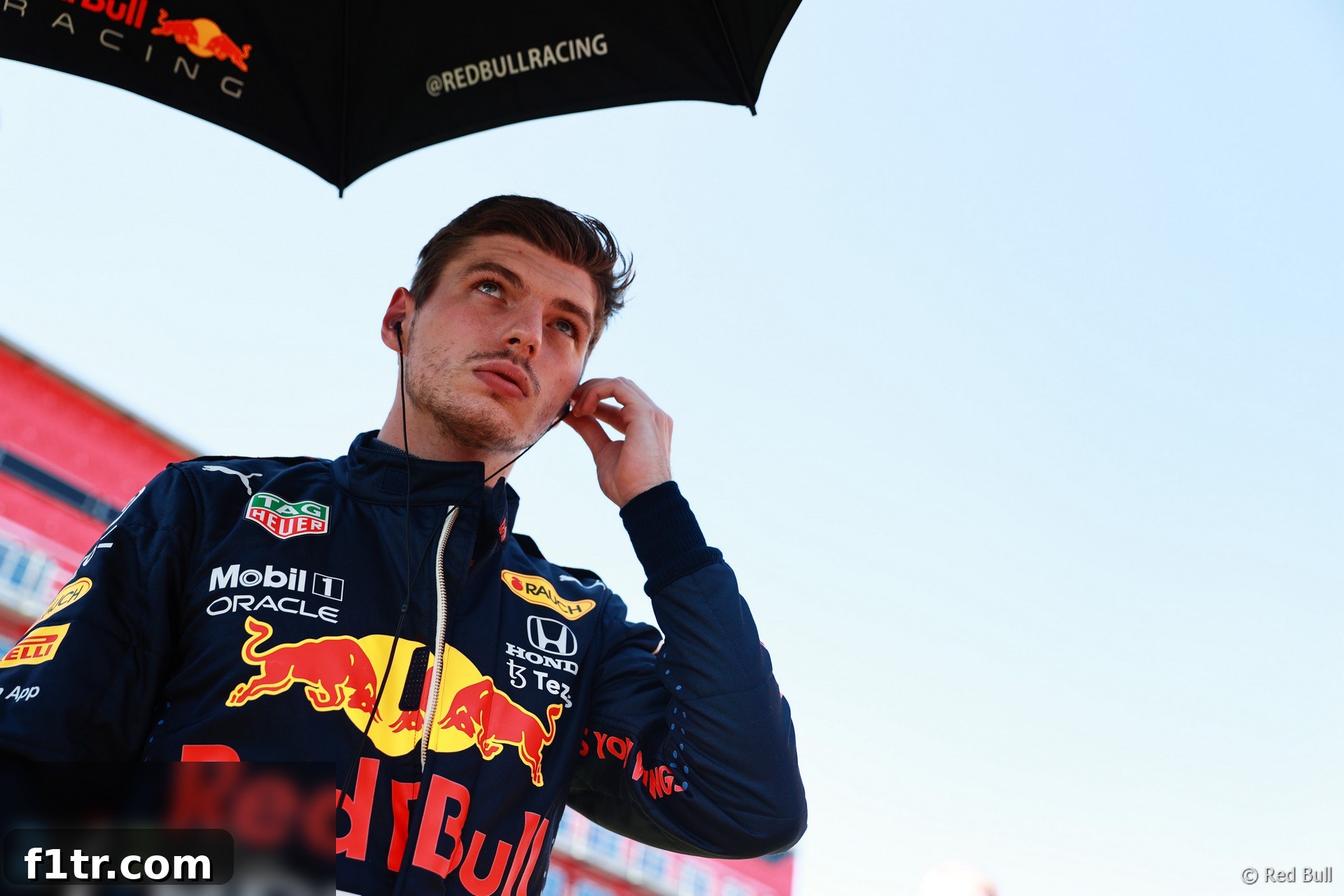
Max Verstappen has consistently labeled Lewis Hamilton’s aggressive maneuver into Copse corner at the 2021 British Grand Prix as “dangerous,” a pivotal incident that forced the Red Bull driver out of the race and ignited one of Formula 1’s most intense rivalries. The high-stakes collision not only jeopardized Verstappen’s physical well-being but also sent shockwaves through the championship, redefining the boundaries of competitive racing and sportsmanship.
The Defining Moment: Copse Corner and the Silverstone Showdown
The 2021 British Grand Prix at Silverstone was destined to be a monumental clash between two titans of Formula 1: Max Verstappen and Lewis Hamilton. Starting from pole position, Verstappen immediately found himself locked in a fierce, wheel-to-wheel battle with Hamilton from the very first lap. The atmosphere was electric, with both drivers pushing their machines and their skills to the absolute limit, exchanging positions through almost every corner of the iconic circuit.
As they approached the notoriously fast Copse corner, a strategic point where bravery and precision are paramount, Hamilton made a decisive move to take the inside line. In a blink-of-an-eye moment that would define the championship battle, his front left tire made direct contact with Verstappen’s rear right. The impact, sudden and forceful, sent Verstappen’s Red Bull careening off the track at an alarming speed. The car veered sharply, becoming a passenger as it hurtled towards the unforgiving tire barriers.
The collision was not just a racing incident; it was a violent disruption to the competitive flow. Verstappen’s car, unable to maintain its trajectory, smashed into the protective barriers with tremendous force. Onboard sensors within the Red Bull registered an astonishing impact of over 51G – a testament to the severity of the crash and the immense forces exerted on the driver’s body. This wasn’t merely a spin; it was a catastrophic loss of control, directly attributable to the contact initiated by Hamilton. The sheer speed at which Copse is taken, coupled with the aggressive nature of Hamilton’s overtake attempt, amplified the danger inherent in the situation, transforming a championship duel into a potentially career-threatening incident.
Immediate Aftermath: Assessing the Impact and Verstappen’s Condition
Following the harrowing impact, a pall of concern fell over the Silverstone circuit. Max Verstappen’s car was a crumpled mess against the tire barriers, a stark visual reminder of the 51G collision. Medical staff swiftly converged on the scene, a standard but always tense procedure in Formula 1 given the inherent risks. Their immediate priority was to assess Verstappen’s condition, ensuring he hadn’t sustained any serious injuries from the immense deceleration forces he had just endured.
After initial trackside evaluation, it became clear that while he was conscious, further medical attention was necessary. Verstappen was transported to the on-site medical centre for more thorough checks. The concerns deepened when reports emerged that he was experiencing dizziness, a common symptom after high-impact head trauma or extreme G-forces. Consequently, a decision was made to transfer him to a local hospital for comprehensive medical examinations. This precaution highlighted the serious nature of the incident, underscoring that beyond the racing implications, the driver’s health was paramount. The fact that a championship contender had to be hospitalized after a collision on track cast a long shadow over the subsequent race proceedings and ignited fierce debate about driver safety and racing conduct.
Verstappen’s Outcry: “Dangerous Move” and “Insufficient Penalty”
From his hospital bed, Max Verstappen wasted no time in making his feelings known through a powerful social media post. His words carried the weight of frustration, disappointment, and a strong sense of injustice. He began by reassuring his fans, stating, “First of all: I am glad I’m ok. It was quite an impact at 51G but feeling better.” This initial relief quickly gave way to a more critical assessment of the incident and its handling.
Verstappen explicitly labeled Hamilton’s move as “dangerous” and vehemently criticized the penalty handed down by the stewards: a 10-second time penalty and two points against Hamilton’s super license. For Verstappen, this punishment was grossly inadequate, articulating that it “does not help us in any way and doesn’t do justice to the dangerous move Lewis made on track.” His frustration stemmed from several factors. Firstly, the collision eliminated him from a race he started from pole, costing him vital championship points and jeopardizing his lead. Secondly, he perceived the maneuver as reckless, putting his safety at significant risk, an aspect he felt the penalty failed to sufficiently address. The implication was clear: such a light penalty for a move that resulted in a high-speed, 51G crash would not deter similar actions in the future, thus undermining driver safety and fair play.
The debate surrounding the penalty echoed widely across the Formula 1 community. While some argued that Hamilton, racing at his home circuit, was merely being aggressive, others sided with Verstappen, believing the responsibility for avoiding such contact lay primarily with the overtaking driver, especially when attempting a move into such a high-speed corner. Verstappen’s view was that the incident went beyond aggressive racing; it crossed into dangerous territory, and the consequences for the perpetrator should have reflected the severity of the outcome for the victim.
A Question of Sportsmanship: Hamilton’s Celebrations Under Scrutiny
Beyond the immediate physical impact and the contentious penalty, Max Verstappen’s post-race statement delved into another aspect that deeply offended him: Lewis Hamilton’s exuberant celebrations. While still undergoing checks and recovering from the crash in the hospital, Verstappen watched as Hamilton celebrated his victory with jubilation. This, for the Red Bull driver, was an act of profound disrespect and unsportsmanlike behavior.
Verstappen’s exact words conveyed his dismay: “Watching the celebrations after the race while still in hospital is disrespectful and unsportsmanlike behavior but we move on.” This sentiment highlights a crucial, often unwritten, code of conduct in elite sports. While victory is undoubtedly cause for celebration, many believe that a certain level of decorum and consideration for a fellow competitor’s well-being should prevail, especially when that competitor has just suffered a serious crash dueately to a direct interaction. Hamilton’s celebratory burnout and joyous reaction, while perhaps understandable in the context of winning his home Grand Prix, were perceived by Verstappen as tone-deaf and insensitive given the circumstances.
This accusation of unsportsmanlike conduct added another layer of complexity to the escalating rivalry between the two drivers. It suggested a breakdown not just in racing etiquette, but in mutual respect. From Verstappen’s perspective, Hamilton’s actions demonstrated a lack of empathy, prioritizing personal triumph over concern for a competitor’s safety. While Hamilton later claimed he was unaware of the full extent of Verstappen’s injuries at the time of his celebrations, the perception of disrespect lingered, fueling the animosity that would characterize the remainder of the thrilling 2021 Formula 1 season. The incident became a defining moment, not only for its racing implications but for the stark contrast it presented in the drivers’ attitudes and approach to the championship battle.
The Broader Implications and Legacy of the Silverstone Clash
The 2021 British Grand Prix collision between Max Verstappen and Lewis Hamilton transcended a mere racing incident; it became a pivotal moment that dramatically shaped the remainder of the championship season and left an indelible mark on Formula 1 history. The immediate consequence was a significant shift in the title fight. With Verstappen scoring zero points and Hamilton securing a victory, the championship gap that Verstappen had meticulously built was significantly reduced, injecting renewed intensity and drama into the already captivating duel.
Beyond the points tally, the incident ignited a fierce debate among fans, pundits, and former drivers. Opinions were sharply divided regarding who was primarily at fault and whether the penalty imposed on Hamilton was just. This public discourse highlighted the fine line between aggressive, hard racing and dangerous, reckless maneuvers, prompting a re-examination of racing standards and the interpretation of rules by the FIA. The controversy fueled the already heated rivalry between Red Bull and Mercedes, turning every subsequent race weekend into a high-stakes psychological and strategic battle, far beyond just the on-track action.
In the long term, the Silverstone crash became a reference point for future driver conduct discussions and stewarding decisions. It raised fundamental questions about the responsibility of an overtaking driver and the acceptable limits of wheel-to-wheel combat. The incident also reportedly had lasting effects on Verstappen, with subsequent reports, including articles linked below, revealing that he experienced “vision problems” following the high-G impact. This personal consequence further underscored the inherent dangers of Formula 1 and the severity of the Silverstone collision.
The 2021 British Grand Prix collision, therefore, stands as a testament to the brutal competitiveness of Formula 1, the razor-thin margins between triumph and disaster, and the profound impact a single incident can have on a championship, a rivalry, and the sport itself. It remains a deeply contentious and unforgettable chapter in the annals of Formula 1, forever etching the names of Verstappen and Hamilton into a narrative of ambition, aggression, and relentless pursuit of victory.
2021 British Grand Prix
- Verstappen reveals “vision problems” since 2021 Silverstone crash with Hamilton
- Who was to blame for Verstappen and Hamilton’s collision at Silverstone?
- Hamilton penalty “harsh” for move within FIA’s overtaking guidance – Allison
- Why Hamilton “wasn’t seen as wholly to blame” for the Verstappen crash
- Sainz convinced he had pace to challenge for podium without British GP setbacks
Browse all 2021 British Grand Prix articles